The High-Stakes Race for Permitting Reform: Balancing Energy Independence and Public Skepticism

As senators prepare to depart Capitol Hill for the final stretch of the midterm election campaign, a quiet yet intense scramble is underway to finalize a bipartisan permitting reform bill. Legislators and industry analysts increasingly view this legislation as the linchpin for the nation’s future energy security. While the technical details remain behind closed doors, the objective is clear: to overhaul the cumbersome federal permitting process that currently acts as a bottleneck for the construction of everything from cross-country transmission lines to natural gas pipelines and utility-scale solar farms.
The urgency stems from a rapid shift in the national power landscape. Electricity demand, which remained relatively stagnant for much of the 2010s, is now surging due to a confluence of factors: the widespread electrification of home heating and transportation, a renewed focus on domestic manufacturing, and, most prominently, the massive infrastructure build-out required to support the artificial intelligence and data center revolution.
A Chronology of Legislative Gridlock and Renewed Momentum
The effort to reform the National Environmental Policy Act (NEPA) and related federal oversight mechanisms is not new. For years, lawmakers have attempted to thread the needle between environmental preservation and industrial efficiency.
The timeline of these efforts reveals a pattern of near-misses and political friction:
- 2023–2024: The legislative push gained traction, culminating in the introduction of the Energy Permitting Reform Act of 2024. Despite successfully clearing committee hurdles, the bill ultimately failed to secure a full Senate floor vote, leaving the issue to languish.
- August 2026: Following months of closed-door negotiations, a bipartisan coalition, led by senior members of the Senate’s energy-focused committees, announced significant progress. Twelve new co-sponsors joined the push, signaling a rare moment of cross-party alignment.
- September 2026: The Trump administration signaled a potential policy shift, indicating a willingness to fast-track renewable energy projects if it would facilitate a broader deal. However, negotiations stalled as Democrats sought legal assurances that "regular order" for wind and solar would not be undermined by administrative interference.
- Late September 2026: Congressional leadership confirmed that final deliberations on the legislative text would be deferred until after the midterm elections, citing the need to avoid the political volatility of the current campaign cycle.
The Data Center Dilemma: A PR Minefield
While lawmakers view infrastructure as an economic imperative, public sentiment presents a significant challenge. Public opinion research, notably from firms such as Redbud Consulting, indicates that the concept of "data centers" has become a toxic brand among the American electorate. Polling data shows broad, bipartisan opposition to the construction of these facilities within local communities, largely due to concerns over noise, water usage, and the strain on local power grids.
This creates a "political trap" for legislators. Politicians are under immense pressure from industry stakeholders to facilitate the energy projects required for AI and computing growth, yet they risk alienating voters who perceive these projects as a burden on their neighborhoods. Analysts suggest that framing the bill as "data center infrastructure" is a recipe for electoral disaster. Instead, proponents are attempting to pivot the narrative toward broader national goals: grid reliability, lower energy costs, and the need for energy independence in an era of global economic rivalry.
Statistical Realities of the Energy Transition
The data supporting the need for reform is stark. According to the U.S. Energy Information Administration (EIA), solar power and battery storage are projected to account for nearly 80 percent of all new power generation capacity entering the U.S. grid in 2026. Simultaneously, natural gas remains the backbone of the current energy mix, providing the highest share of electricity generation in 2025.
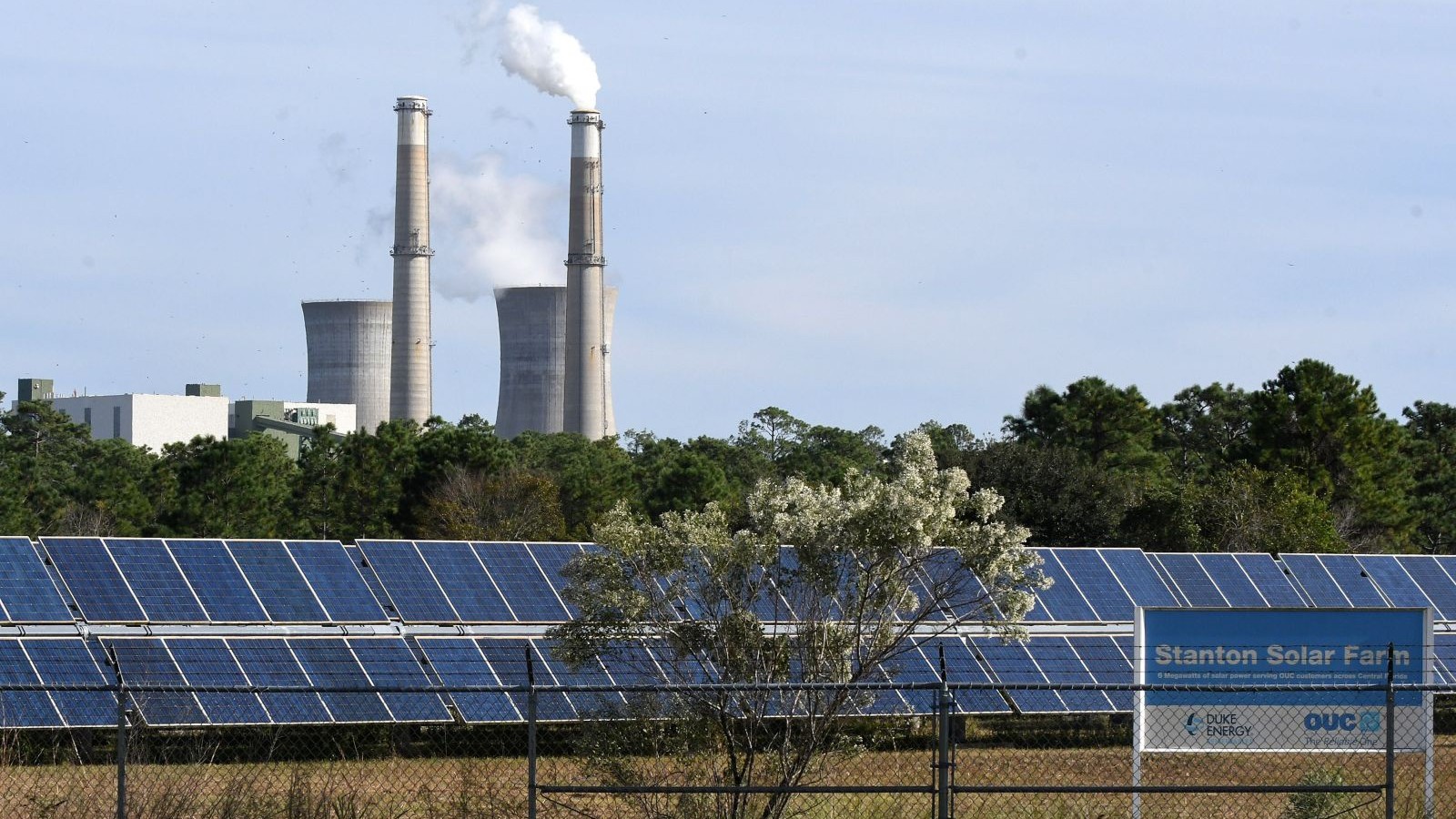
The infrastructure required to connect these sources to consumers is failing to keep pace. The "constipation" of the system—as described by industry leaders like Tim Pawlenty, president of the Solar Energy Industry Association—is caused by a labyrinthine federal review process. Projects frequently face years of litigation, overlapping jurisdiction between agencies, and complex environmental impact studies that provide opponents with numerous avenues to delay construction.
Official Responses and the Strategic Shift
The legislative debate has taken on a geopolitical dimension, with many lawmakers citing the need to outpace China in the development of AI and high-tech manufacturing. During the Clean Energy Week conference in Washington, D.C., in mid-September, a coalition of lawmakers and industry executives argued that the current permitting regime acts as a form of "unilateral disarmament" in the global energy war.
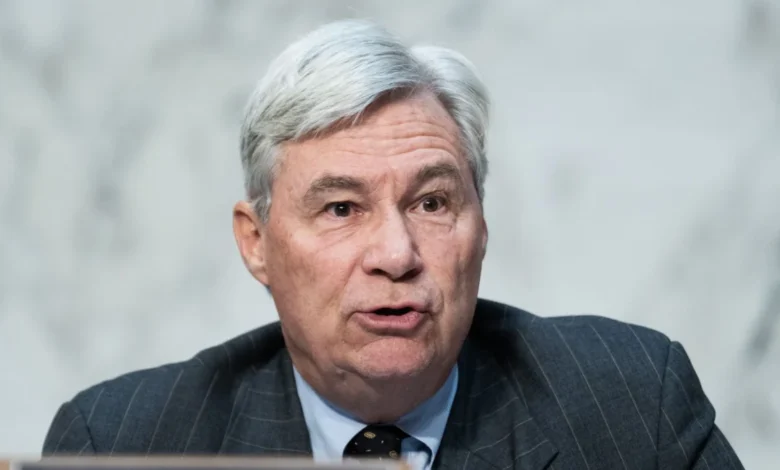
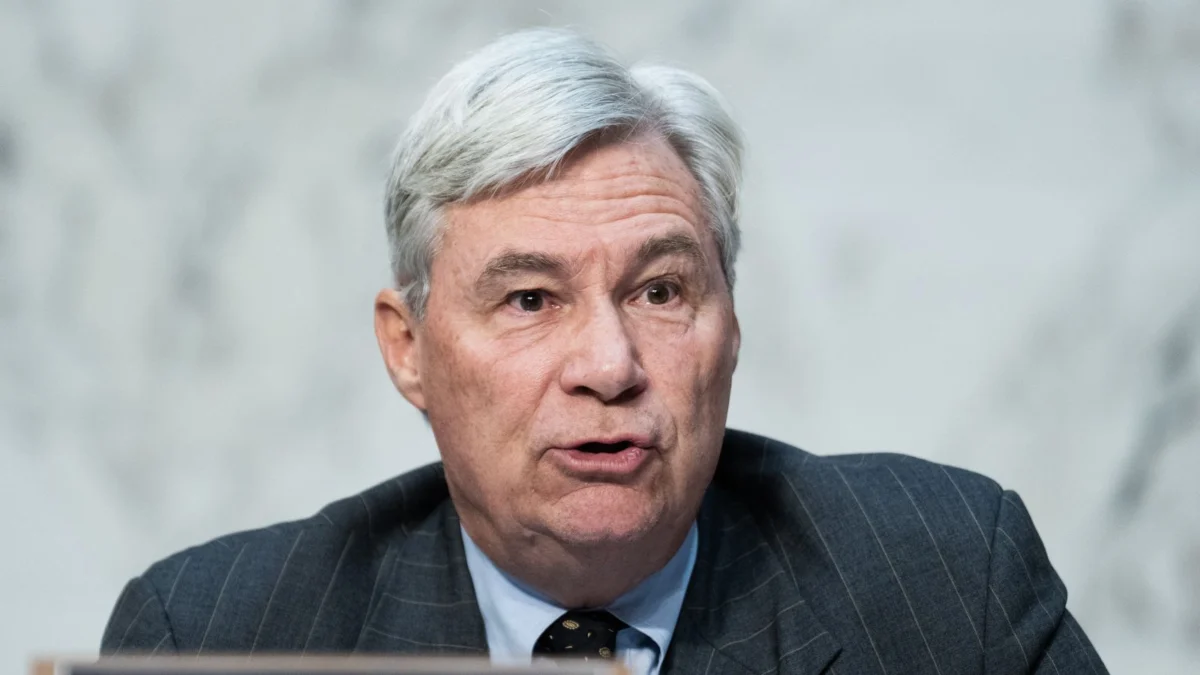
However, the effectiveness of this "competitiveness" narrative is being questioned. Research suggests that while national security arguments resonate with the political elite, the average voter is far more concerned with the bottom line. As Senator Sheldon Whitehouse (D-R.I.), a key negotiator, has noted, the path forward requires not just political will but procedural clarity. The current impasse regarding the Trump administration’s commitment to renewable energy reflects a fundamental lack of trust; Democrats are hesitant to grant permitting concessions if they fear the White House will use the same authorities to suppress clean energy projects after the bill is signed into law.
Broader Impacts and Long-term Implications
The implications of this legislative struggle extend far beyond the Capitol. If a deal is struck, it would likely involve significant concessions on both sides:
- Environmental Safeguards: The bill is expected to reduce the scope of environmental reviews mandated by the Clean Water Act and the Endangered Species Act, a move that environmental groups view with deep skepticism.
- Litigation Reform: New provisions may limit the window for legal challenges against authorized projects, providing developers with the "certainty" they claim is necessary for long-term investment.
- Ratepayer Protection: The House of Representatives recently passed a bill aimed at forcing data centers to shoulder the costs of their own power generation—a response to public outcry over rising electricity bills. Although this bill is currently stalled in the Senate, it highlights the growing tension between private industry growth and the interests of residential consumers.
The failure to pass the House-backed ratepayer legislation in the Senate serves as a barometer for the broader legislative climate. While there is a consensus that the "permitting system is broken," the definition of a "fix" remains elusive.
Analysis: The Path Forward
The path to passage post-election depends heavily on the outcome of the midterms. If the Senate changes control, the current draft—built on delicate, bipartisan consensus—could be discarded in favor of more aggressive or restrictive legislation. If the status quo remains, the existing negotiators will likely continue their efforts to balance the competing demands of the fossil fuel industry, the renewable energy sector, and a skeptical public.
Ultimately, the debate over permitting reform is a reflection of a deeper societal question: How much is the United States willing to sacrifice in terms of local environmental protection and administrative oversight to secure the energy capacity required for the next century of technological and economic growth? As it stands, the answer remains caught in the crossfire of election-year politics and the accelerating, unavoidable demand for power.
Related posts: