The guest list for Trump’s state dinner with Xi Jinping featured just about every notable CEO in America

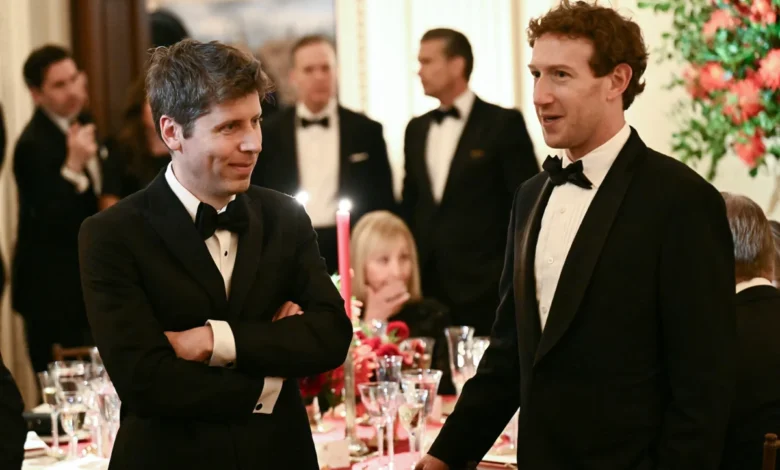
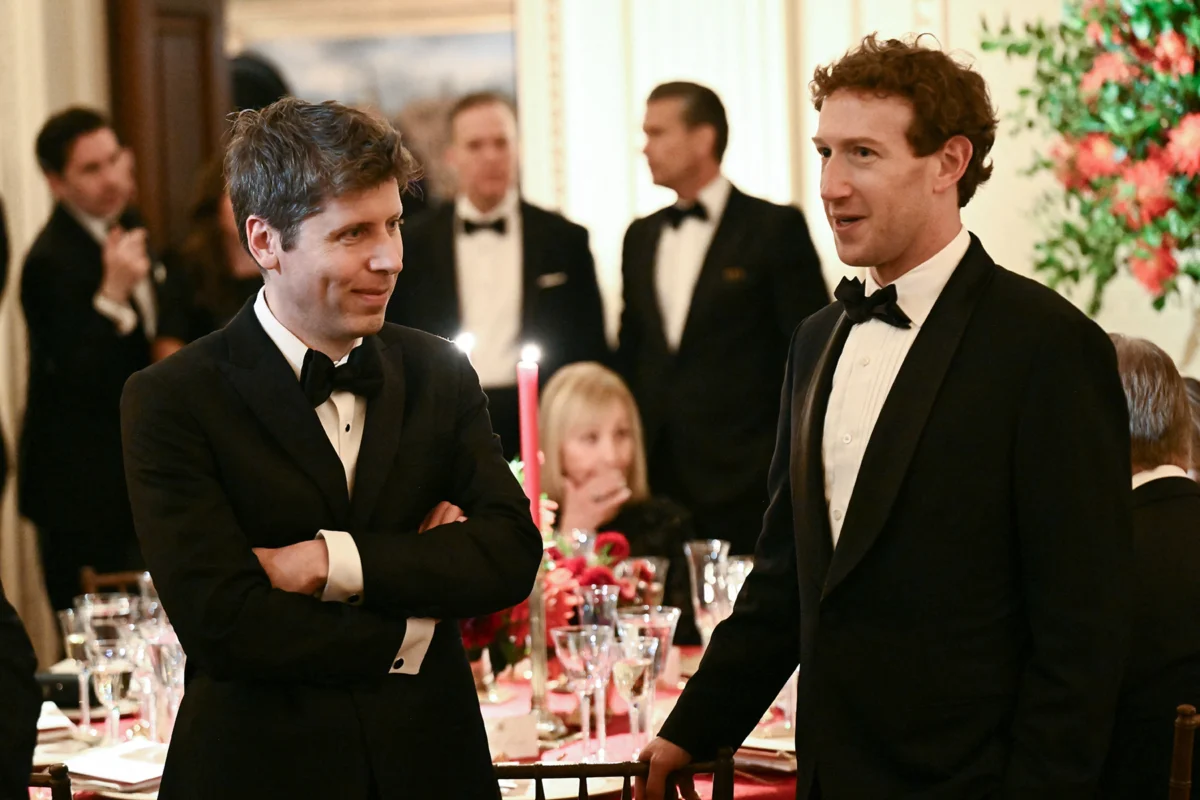
The White House played host to a diplomatic event of significant geopolitical weight on Thursday, as President Donald Trump welcomed Chinese President Xi Jinping for a formal state dinner. The event, held in the East Room, was characterized by the administration as a high-stakes summit aimed at stabilizing the volatile relationship between the world’s two largest economies. However, the guest list—a curated assembly of 134 influential figures spanning industry, technology, media, and the judiciary—revealed as much about the current alignment of American power as it did about the diplomatic optics of the evening.
The gathering brought together an unprecedented concentration of capital and influence. While state dinners are traditionally exercises in soft power, this particular iteration functioned as an intersection for the private sector’s most powerful leaders and the federal government’s highest-ranking officials. The presence of these individuals at the presidential table signifies a broader trend in the current administration’s governing philosophy: the integration of technocratic expertise and private capital into the machinery of statecraft.
A Chronology of the Summit
The dinner followed an intense 48-hour period of bilateral meetings, which began on Wednesday with discussions focused on artificial intelligence regulation and trade tariffs. The administration utilized the AI summit—which preceded the dinner—to frame the subsequent social event as a culmination of a broader strategy to harmonize American technological dominance with Chinese market access.
By Thursday evening, the focus shifted from policy papers to the aesthetics of international diplomacy. The guest list, released by the White House, served as a diagnostic tool for observers of the MAGA movement and the broader political landscape. It included senior administration officials, such as Vice President JD Vance and Secretary of State Marco Rubio, alongside a phalanx of industry leaders whose businesses are directly impacted by the ongoing trade dialogues between Washington and Beijing.
The Technocratic Elite and the AI Nexus
The guest list was dominated by the titans of the technology sector, many of whom have become central to the Trump administration’s economic planning. Mark Zuckerberg, Sam Altman, Elon Musk, Jeff Bezos, and Sergey Brin were in attendance, underscoring the influence of the Silicon Valley cohort in the current White House.
Perhaps more notable, however, were the attendees representing the semiconductor and hardware sectors—the physical backbone of the AI boom. Jensen Huang, CEO of Nvidia, and Lisa Su, CEO of Advanced Micro Devices, were prominent guests. Their inclusion reflects the administration’s focus on the “chip wars” and the strategic importance of semiconductor manufacturing. Data from the Department of Commerce indicates that the U.S. and China remain inextricably linked in the supply chain for high-performance computing, a reality that necessitates these private-sector leaders having a seat at the table during delicate diplomatic negotiations.
Judicial and Political Representation
The inclusion of Supreme Court Justices John Roberts, Amy Coney Barrett, and Brett Kavanaugh marked a departure from the traditional guest profile of a state dinner, which typically focuses on executive branch officials and visiting dignitaries. The presence of the judiciary alongside the executive branch and private sector titans sparked immediate debate among constitutional scholars regarding the separation of powers and the optics of judicial impartiality.
Furthermore, the guest list highlighted the political coalition supporting the current administration. House Speaker Mike Johnson’s attendance reinforced the legislative backing for the administration’s China policy, while the inclusion of media figures such as Jesse Watters, Brett Baier, and Laura Ingraham emphasized the synergy between the executive branch and conservative media outlets.
Economic Implications and Global Context
The dinner occurred against a backdrop of complex economic challenges. The United States continues to navigate a delicate path regarding the war in Iran, which has exerted significant pressure on global energy markets and shipping lanes. The presence of energy sector representatives, including executives from ExxonMobil, suggests that the administration is actively seeking to leverage private sector capacity to stabilize energy costs amidst geopolitical instability.
The financial sector was also well-represented, with CEOs Jane Fraser of Citigroup and Jamie Dimon of JP Morgan in attendance. Their presence highlights the importance of maintaining the stability of the global financial system, even as political tensions between Washington and Beijing remain elevated. For these leaders, the dinner provided a rare, if opaque, opportunity to gauge the administration’s long-term economic trajectory.
Analytical Perspectives on Statecraft
Diplomatic analysts suggest that the composition of the guest list serves a dual purpose. Domestically, it projects an image of a government that is in lockstep with the nation’s most successful economic actors. Internationally, it signals to Beijing that the U.S. executive branch is backed by a coalition of influential stakeholders who are deeply invested in the maintenance of global trade.
However, the lack of transparency regarding the substance of the conversations held at the dinner has drawn criticism from transparency advocates. While the event was an exercise in protocol, the informal nature of the evening allowed for high-level networking that does not occur in public forums. Critics argue that such gatherings grant an outsized degree of influence to a select group of elites, potentially sidelining the broader public interest in favor of the priorities held by the attendees.
Official Responses and Public Reaction
The White House characterized the event as a "successful display of American strength and global partnership." Press Secretary Karoline Leavitt noted in a briefing that the guest list was designed to reflect "the diverse range of sectors that contribute to the American engine of innovation."
Conversely, independent monitors have raised questions regarding the exclusion of certain press outlets, noting that while mainstream networks were permitted, others were denied access to the event. This has led to further scrutiny of the administration’s media relations strategy and its approach to transparency regarding the intersection of private industry and public policy.
Broader Impact: The Future of U.S.-China Relations
The implications of this summit will likely be measured by the policy outcomes that follow in the coming months. Whether the dinner leads to a substantive de-escalation in trade hostilities or serves primarily as a symbolic gesture remains to be seen. What is clear is that the administration is operating with a clear focus on the nexus of technology, finance, and political influence.
As the international community watches, the primary question remains: can the interests of the American corporate elite, represented by the guests at the state dinner, be reconciled with the broader geopolitical goals of the United States? The interplay between these stakeholders—the financiers, the technologists, the jurists, and the politicians—represents the defining characteristic of this administration’s approach to the global order.
Ultimately, the dinner served as a vivid illustration of the current power structure in Washington. It was an event where the lines between the private and public sectors were, for an evening, rendered invisible, highlighting a system where influence is concentrated in the hands of a few. As the administration moves forward with its China policy, the influence of these individuals will continue to be a primary variable in the success or failure of the U.S.-China relationship, impacting markets, regulations, and the daily lives of the American public far beyond the confines of the White House walls.