A wave of artist withdrawals from the Ed Sheeran Loop Tour follows the removal of Macklemore amid escalating tensions over pro-Palestine advocacy

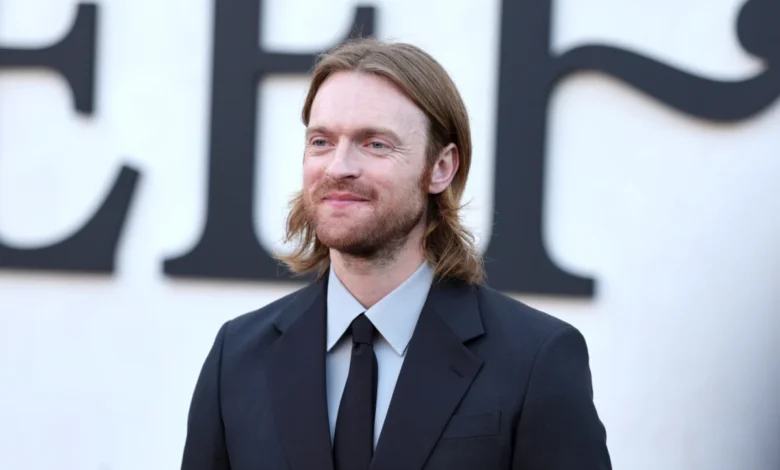
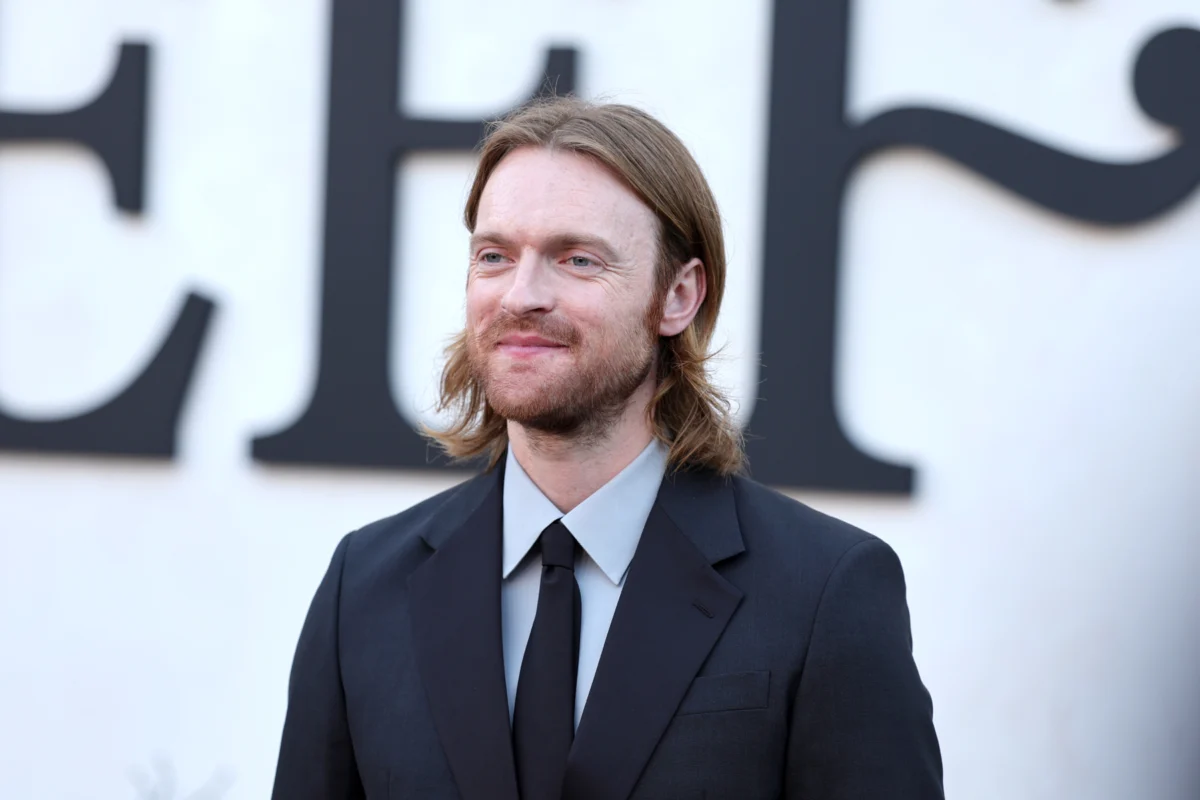
The global music industry is grappling with a significant internal rift after a series of high-profile artists withdrew from Ed Sheeran’s ongoing Loop Tour. The departures were triggered by the forced removal of rapper Macklemore from the tour’s lineup, a move that occurred after intense pressure from venue owners and stakeholders regarding the Seattle-based musician’s vocal support for Palestinians and his sharp criticism of Israel’s military operations in Gaza. The exodus of talent—which includes Finneas, Lukas Graham, Aaron Rowe, and the Irish folk band Beoga—has transformed a logistical dispute into a broader debate concerning artistic freedom, corporate influence in live entertainment, and the role of musicians in political discourse.
Chronology of the Conflict
The tension originated at MetLife Stadium in New Jersey, where Macklemore performed two shows as part of the tour. During these appearances, the rapper utilized his platform to voice solidarity with the people of Gaza, perform his protest anthem "Hind’s Hall," and display imagery depicting the humanitarian crisis in the region. These actions drew immediate condemnation from pro-Israel advocacy groups.
By Monday, the situation had reached a breaking point. Macklemore revealed that Ed Sheeran had informed him that New England Patriots owner Robert Kraft, who operates Gillette Stadium, had issued an ultimatum: if Macklemore remained on the tour, Sheeran would be barred from performing at his venue. Furthermore, Macklemore alleged that Kraft had coordinated with other stadium owners to apply collective pressure on the tour’s organizers.
On Tuesday, Ed Sheeran addressed the situation publicly. He clarified that the decision to drop Macklemore was not his own, but rather a mandate issued by the promoter, Messina Touring Group, in response to the venues’ threats of cancellation. Sheeran stated he had spent the week attempting to mediate the dispute but was ultimately unsuccessful, leaving the future of the tour in a state of flux.
The Artists’ Response: A Stand for Advocacy
The reaction from the tour’s supporting acts was swift and unified. Finneas, the acclaimed producer and singer-songwriter known for his collaborative work with Billie Eilish, announced he would no longer open for the upcoming South American leg of the tour. In an Instagram statement, he wrote, "Artists must not be silenced when they speak up for the oppressed. I have decided to withdraw from my upcoming tour dates with Ed Sheeran. I stand with Palestine and its people."
Lukas Graham, the Danish pop artist, issued a poignant statement on his own departure from the U.S. leg. He emphasized the moral weight of the situation, noting that "money doesn’t give you the right to own the conversation." He added, "Nobody’s bank balance should decide who gets to speak or which suffering we’re allowed to acknowledge."
Aaron Rowe, an Irish singer-songwriter, framed his decision through the lens of historical context, citing the Irish experience with colonial occupation as a driver for his solidarity with Palestinians. "I cannot stand by and allow billionaires to use their position of power to silence the rightful voices of those who speak up against Israeli genocide," Rowe stated.
The traditional Irish folk band Beoga, who serve as a key musical component during Sheeran’s live set, echoed these sentiments. As founding members of the "Irish Artists for Palestine" movement, they cited the "silencing of Macklemore by zionist lobbies" as their primary reason for departure. They maintained that playing in venues that actively stifle political dissent was inconsistent with their values.
The Role of Venue Ownership and Corporate Influence
The involvement of Robert Kraft has brought the issue of "stadium politics" to the forefront of the music industry. In a statement, Kraft confirmed his refusal to host Macklemore at Gillette Stadium, citing the rapper’s "recent actions, material shared from the stage… and a broader history of antisemitic rhetoric and imagery." This framing represents a fundamental disagreement on the definition of political speech versus hate speech.
From a structural perspective, the power held by a small group of venue owners creates a centralized bottleneck for touring artists. In the U.S. stadium circuit, a handful of high-capacity venues are controlled by sports team owners and large corporate conglomerates. When these owners exercise their right to restrict content, they effectively dictate the parameters of public discourse for every performer who relies on those stages. This power dynamic has historically remained in the background of concert touring but is now being scrutinized as a mechanism for censorship.
Humanitarian Context and Public Sentiment
The controversy occurs against a backdrop of ongoing humanitarian reports regarding the war in Gaza. Various international human rights organizations, including Amnesty International and Human Rights Watch, have documented the devastation in the region, with some United Nations commissions characterizing the situation as genocide. Conversely, the Israeli government and its allies, including the United States, vehemently reject these characterizations, maintaining that Israel is engaged in a defensive war against Hamas.
The artists who have withdrawn from the tour represent a growing segment of the entertainment industry that feels compelled to bridge the gap between their artistic output and their political conscience. The public reception to these withdrawals has been highly polarized, reflecting the broader societal divide regarding the Middle East. While supporters view the artists’ actions as an act of courageous moral integrity, critics argue that such political statements on stage alienate segments of the audience and complicate the contractual obligations of live entertainment.
Implications for the Music Industry
The mass withdrawal of supporting acts creates significant logistical and financial uncertainty for the remaining dates of the Loop Tour. Beyond the immediate impact on the tour schedule, this episode sets a difficult precedent. Promoters and agents are now forced to navigate a landscape where the political views of a single performer can threaten the viability of a multi-million-dollar tour.
Legal and industry experts suggest this could lead to more stringent "morality clauses" in performance contracts. These clauses, which traditionally cover illegal activity or egregious personal conduct, may be expanded to include specific political statements or public stances that venue owners deem damaging to their brand or community relations. Such a shift could lead to a "chilling effect" where artists self-censor to ensure they remain eligible for the high-capacity venues required to sustain a global tour.
Furthermore, the solidarity shown by the departing artists indicates a shift in the power dynamic between headliners and their supporting acts. In this instance, the supporting acts successfully utilized their platforms to turn a contract dispute into a broader public discussion. By choosing to walk away, they have effectively signaled to the industry that for a new generation of musicians, the opportunity to play at high-profile venues is not worth the cost of silence.
As of this writing, representatives for Ed Sheeran have not provided additional details regarding the future of the tour or how they intend to replace the departed acts. The incident remains a defining moment for the 2024 touring cycle, illustrating the growing friction between the global entertainment industry and the intense political pressures of the current era. The conflict has moved beyond a dispute between a rapper and a venue owner; it has become a central case study in how the modern music world manages the intersection of commerce, politics, and the freedom of expression.