Deadly Chemical Cocktail Linked to Mass Die-Off of Western Monarch Butterflies at California Sanctuary

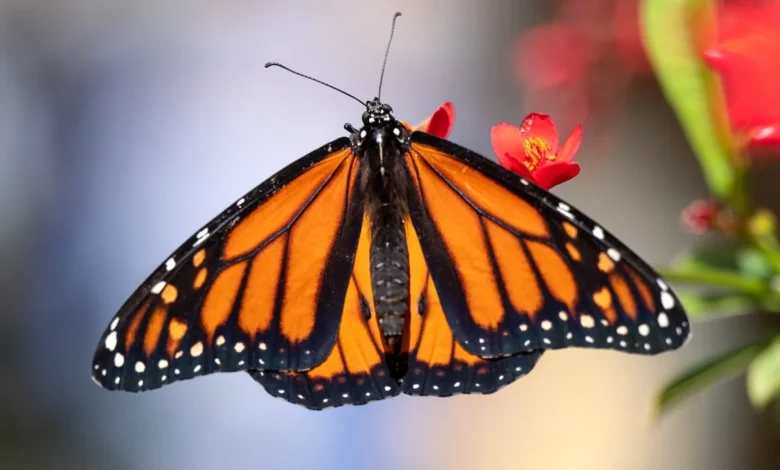
A peer-reviewed study has confirmed that a devastating mass mortality event involving Western monarch butterflies in early 2024 was caused by exposure to a complex mixture of neurotoxic pesticides. The research, published in the journal Environmental Toxicology and Chemistry, provides a forensic look at the chemical burden carried by these iconic insects and highlights the extreme vulnerability of the species during its overwintering phase. In January 2024, hundreds of dead and dying monarchs were discovered at the Pacific Grove Monarch Sanctuary in California, a site famously known as "Butterfly Town, USA." The sight of the orange-and-black insects littering the forest floor sparked an immediate investigation by conservationists and scientists, who suspected foul play in the form of chemical drift or direct application.
The subsequent analysis, led by the Xerces Society for Invertebrate Conservation, utilized advanced liquid and gas chromatography along with mass spectrometry to identify the substances present in the butterflies’ tissues. The results were startling: researchers identified a "cocktail" of 15 different chemicals, including insecticides, herbicides, and fungicides. On average, each individual butterfly tested contained residues of seven different pesticides. Among the most concerning findings were high concentrations of three synthetic pyrethroids—bifenthrin, cypermethrin, and permethrin—which were detected at or near levels known to be lethal to lepidoptera.
Forensic Analysis of a Die-Off
The investigation into the Pacific Grove incident was necessitated by the sudden and localized nature of the deaths. While monarchs face numerous threats, including habitat loss and climate change, the rapid onset of paralysis and death observed in January 2024 pointed toward acute poisoning. Lead author Staci Cibotti, a pesticide risk prevention specialist at the Xerces Society, noted that every single sample tested contained bifenthrin and cypermethrin, while nearly all contained permethrin.
These chemicals are neurotoxins that overstimulate the nervous system of insects, leading to involuntary muscle twitching, paralysis, and eventually death. The study suggests that because the butterflies were found in such high concentrations at an overwintering site, a single application of these chemicals in the vicinity—whether for residential pest control, mosquito abatement, or agricultural purposes—could have catastrophic consequences for the local population. Although a review by Monterey County officials was unable to pinpoint the exact source of the application, the chemical signatures found on the butterflies strongly suggest that the exposure occurred shortly before or during their time at the sanctuary.
A Chronology of Decline
The 2024 mass die-off is a critical data point in a decades-long trend of declining Western monarch populations. To understand the gravity of this event, it is necessary to look at the timeline of the species’ struggle along the Pacific Coast:
- 1980s: Western monarch populations were estimated in the millions, with over 4.5 million butterflies overwintering along the California coast.
- 1990s-2010s: A steady decline began, attributed to the loss of milkweed (the monarch’s only host plant) due to herbicide-heavy agriculture and the destruction of overwintering groves for coastal development.
- 2020: The population hit a catastrophic low, with fewer than 2,000 individuals counted across the entire state of California during the annual Thanksgiving count.
- 2024: Following a slight rebound in previous years, the population dropped to its second-lowest recorded level. In January, the Pacific Grove die-off occurred, further thinning the already fragile numbers.
- 2025: The most recent counts indicate that only 9,119 Western monarchs remain, representing a decline of more than 95% since the 1980s.
This chronology illustrates that the Western monarch is living on the edge of extinction. The U.S. Fish and Wildlife Service has previously stated that the species has a 99% chance of becoming extinct by 2080 if current trends are not reversed.
The Chemistry of Extinction: Pyrethroids and Beyond
The presence of pyrethroids in the Pacific Grove monarchs is particularly alarming because of how these chemicals are used in modern society. Unlike some specialized agricultural pesticides, bifenthrin and permethrin are common ingredients in over-the-counter "home and garden" sprays used by homeowners to kill ants, spiders, and mosquitoes. They are also frequently used by professional pest control companies for structural perimeters and by municipalities for wide-area mosquito control.
The study highlighted that monarchs are not just exposed to one chemical at a time. The "synergistic effect" of multiple pesticides can be more deadly than a high dose of a single substance. When a butterfly is carrying seven different chemicals—including fungicides and herbicides alongside neurotoxic insecticides—its ability to metabolize toxins is compromised. For a migratory insect that has already traveled hundreds of miles and is relying on stored fat reserves to survive the winter, this chemical burden is often the breaking point.

Vulnerability During Migration and Overwintering
The Western monarch’s life cycle involves a unique migratory pattern where individuals from across the Pacific Northwest and the Rockies converge on a few dozen groves along the California coast. This behavior, while essential for their survival during the cold winter months, creates a biological "bottleneck."
"These are times when butterflies gather in large numbers, meaning even a single pesticide application has the potential to kill hundreds of individuals at once," Staci Cibotti explained in a supplemental statement. This vulnerability was also observed in September 2020 in North Dakota, where hundreds of monarchs were killed by aerial mosquito spraying during their southward migration.
In Pacific Grove, the butterflies cluster in eucalyptus and Monterey cypress trees to stay warm and conserve energy. They are largely immobile during cold mornings, making them "sitting ducks" for any pesticide drift that might enter the grove from nearby residential gardens or golf courses. The proximity of the Pacific Grove sanctuary to urban development makes it a high-risk zone for chemical exposure.
Conservation Strategies and Policy Recommendations
In light of the study’s findings, the Xerces Society and other conservation groups are calling for immediate policy shifts to protect the remaining monarch population. The recommendations focus on both public education and regulatory action:
- Establishment of Pesticide-Free Buffer Zones: Creating "no-spray" perimeters around known overwintering sites to prevent drift from reaching the sensitive groves.
- Integrated Pest Management (IPM) Education: Encouraging homeowners and municipalities to adopt non-chemical alternatives for pest control, particularly during the months of October through March when monarchs are present on the coast.
- Enhanced Tracking and Reporting: Implementing stricter requirements for reporting pesticide applications in counties that host monarch sanctuaries, allowing for better identification of contamination sources.
- Federal Protection: Increasing pressure on the U.S. Fish and Wildlife Service to provide the monarch butterfly with full protection under the Endangered Species Act. Currently, the monarch is a "candidate" species, meaning its listing is "warranted but precluded" by higher-priority actions.
Emily May, agricultural conservation lead at the Xerces Society and co-author of the study, emphasized that saving the monarch will require a shift in how society views "nuisance" insects. "Protecting monarchs from pesticides will require both public education and policy change," May stated. "We are committed to working with communities and decision-makers to ensure that overwintering sites are healthy refuges for these butterflies."
Broader Environmental Implications
The death of hundreds of monarchs in Pacific Grove is seen by many scientists as a "canary in the coal mine" for the broader insect world. Monarchs are charismatic megafauna of the insect realm—they are large, beautiful, and widely loved. If they are being decimated by common household and agricultural chemicals, it is highly likely that less visible but equally important pollinators, such as native bees, moths, and beetles, are suffering similar fates.
The decline of insects, often referred to as the "Insect Apocalypse," has profound implications for global food security and ecosystem stability. As primary pollinators, insects are responsible for one out of every three bites of food humans consume. The contamination of the environment with a "cocktail" of 15 different pesticides, as found in the monarch study, suggests a level of chemical saturation in the landscape that threatens the foundational layers of the food web.
Conclusion: A Call to Action for "Butterfly Town"
The Pacific Grove Monarch Sanctuary remains a symbol of California’s natural heritage, but its future as a refuge is in jeopardy. The 2024 study serves as a definitive link between modern chemical use and the tangible loss of biodiversity. While climate change and habitat loss remain long-term challenges, the issue of pesticide poisoning is one that can be addressed through immediate local action and more stringent regulation of toxic substances.
As the 2025 season approaches, conservationists are watching the groves with bated breath. With the population at an all-time low of just over 9,000 individuals, the loss of even a few hundred more butterflies to preventable chemical exposure could be the final blow for the Western monarch migration. The findings in Environmental Toxicology and Chemistry provide the evidence needed to move from suspicion to action, urging a re-evaluation of pesticide reliance in the pursuit of preserving one of nature’s most extraordinary migratory journeys.