Congressional Battle Erupts Over U.S.-Israel Defense Integration in FY2027 NDAA Amidst Deepening Democratic Divides

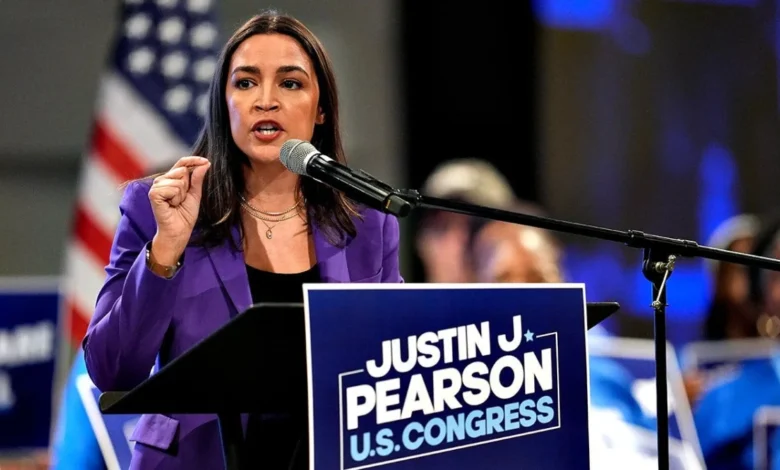
The United States House of Representatives recently passed its version of the Fiscal Year 2027 National Defense Authorization Act (NDAA) in a contentious 219-206 vote, igniting a fierce debate, particularly within the Democratic Party, over a provision aimed at deepening defense integration with Israel. Section 219 of the expansive defense bill, which calls for expanded cooperation on military technology, supply chains, research, artificial intelligence, cybersecurity, and joint exercises between the U.S. and Israeli defense forces, became the focal point of a heated exchange following claims by Rep. Alexandria Ocasio-Cortez (D-N.Y.) that the measure would "merge parts of our military with the Israel Defense Forces." This assertion, widely criticized by Republicans and some within her own party as a distortion of the legislation’s intent, underscores the intensifying political fault lines concerning U.S. foreign policy in the Middle East and the enduring strategic alliance with Israel.
Understanding the National Defense Authorization Act (NDAA)
The National Defense Authorization Act is one of the most critical pieces of legislation passed annually by the U.S. Congress. For over six decades, it has served as the legal framework for the entire U.S. defense establishment, dictating everything from troop pay raises and equipment procurement to strategic policy directives and international military cooperation. Each year, the NDAA sets the budget and expenditures for the Department of Defense, outlines military operations, and addresses national security priorities. Its passage is a bipartisan tradition, though debates over specific provisions can often be highly charged, reflecting evolving geopolitical landscapes and domestic political considerations. The FY2027 NDAA, in particular, arrives at a moment of heightened global instability, with ongoing conflicts in Ukraine and the Middle East demanding careful consideration of U.S. defense posture and alliances. The bill’s sheer scope, covering myriad aspects of national defense, means that even a single section can carry significant weight and generate substantial controversy.
The Enduring U.S.-Israel Strategic Alliance
The strategic alliance between the United States and Israel is a cornerstone of U.S. foreign policy in the Middle East, characterized by decades of robust diplomatic, economic, and military cooperation. This relationship is rooted in shared democratic values, mutual security interests, and a commitment to regional stability. Militarily, cooperation has historically manifested in various forms, including extensive intelligence sharing, joint military exercises, and significant U.S. foreign military financing (FMF) to Israel, enabling it to procure advanced American defense systems. For example, the U.S. has provided billions in security assistance to Israel, with a significant portion allocated to FMF under a ten-year Memorandum of Understanding (MOU) that typically ensures $3.8 billion annually. Programs like the Iron Dome missile defense system, co-developed and co-funded by both nations since the early 2000s, stand as a testament to this deep collaboration, significantly enhancing Israel’s defensive capabilities against rocket threats. The U.S. also maintains strategic pre-positioned military stockpiles in Israel, further cementing their defense ties and providing logistical support for potential contingencies in the region.
Section 219 of the NDAA seeks to build upon this existing foundation, pushing for a deeper level of integration rather than an unprecedented "merger." The proposed expansion includes enhanced collaboration in critical technological domains such as artificial intelligence, cybersecurity, and advanced military research and development. It also aims to strengthen supply chain resilience for defense components, ensuring greater interoperability and mutual support. Proponents argue that such integration is vital for both nations to counter evolving threats from state and non-state actors in a volatile region, leveraging each other’s technological prowess and operational experience. This move reflects a growing trend among allies to achieve greater interoperability and burden-sharing in an increasingly complex global security environment, particularly as threats from state-sponsored cyberattacks and sophisticated conventional weaponry proliferate.
The Spark of Controversy: Ocasio-Cortez’s "Merge" Claim
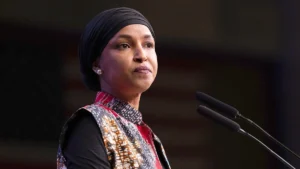
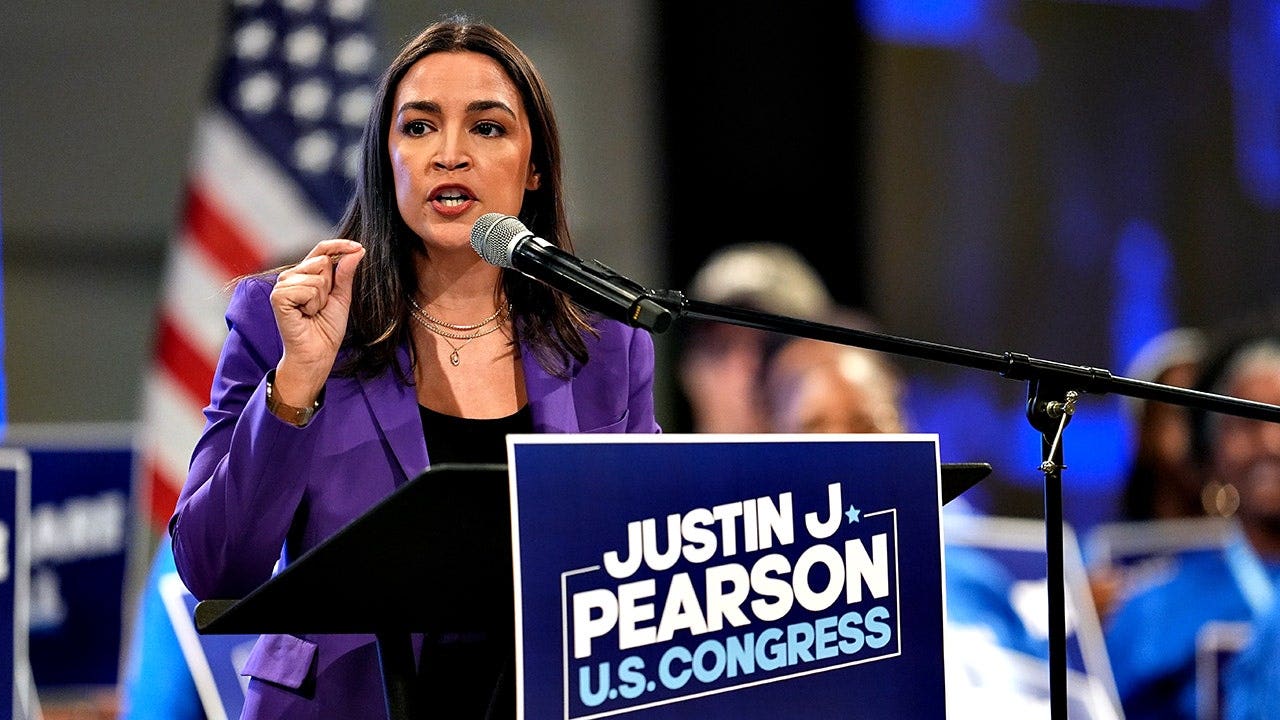
The controversy surrounding Section 219 escalated dramatically following a post on X by Rep. Alexandria Ocasio-Cortez on Wednesday, prior to the House vote. She asserted that the NDAA "includes a provision to merge parts of our military with the IDF," and dramatically declared, "This amendment is an existential threat to American sovereignty and democracy. Every member of Congress must vote NO." Her strong language and interpretation of "integration" as a "merger" immediately drew a swift and sharp backlash from a broad spectrum of political figures, who accused her of misrepresenting the legislation and potentially inciting anti-Semitic sentiment.
Critics argued that Ocasio-Cortez’s characterization was not only factually inaccurate but also misleading, designed to inflame public opinion. Rep. Mike Lawler (R-N.Y.) lambasted her on X, stating, "Good grief, you are either obtuse or intentionally lying. We are not merging our military with the IDF." He elaborated that the provision merely expands the type of defense cooperation that the United States already maintains with numerous close allies globally, encompassing intelligence sharing, joint military exercises, and collaborative weapons development. Lee Zeldin, former Republican Congressman and Trump administration Environmental Protection Agency Administrator, echoed this sentiment, directly calling her claim "FALSE" and suggesting she was misrepresenting the bill’s intent. The vehemence of these responses highlighted the deep partisan and ideological chasm that has come to define debates surrounding U.S.-Israel relations, particularly in the wake of recent geopolitical events.
Divergent Views Within the Democratic Party
While Ocasio-Cortez’s claims drew fire from Republicans, the broader issue of U.S. aid and defense cooperation with Israel has exposed significant fault lines within the Democratic Party itself. The party’s progressive wing, represented by figures like Ocasio-Cortez and her allies in "The Squad," has become increasingly critical of Israel’s policies, particularly concerning its actions in Gaza and the West Bank following the October 7th attacks by Hamas. They often advocate for conditioning aid to Israel or reducing military assistance, citing humanitarian concerns and human rights issues, and have called for a reevaluation of the long-standing U.S.-Israel relationship. This stands in stark contrast to the party’s more centrist and traditional factions, which have historically maintained strong support for Israel’s security and the strategic alliance, viewing it as crucial for U.S. interests in a volatile region.
This internal division was previously highlighted by House Minority Leader Hakeem Jeffries’ warning regarding a separate amendment proposed by Rep. Thomas Massie (R-Ky.) to cut off aid to Israel. While that specific amendment was distinct from the Section 219 debate, Jeffries’ concern that such a move could undermine U.S. national security by empowering groups like Hamas and Hezbollah underscored the high stakes and the deep disagreement within Democratic ranks on the optimal approach to the U.S.-Israel relationship. He emphasized that such actions could be perceived as weakening U.S. resolve and creating vacuums that hostile actors could exploit. The debate over Section 219 further amplified these tensions, demonstrating that even provisions aimed at enhancing defense interoperability could become flashpoints for ideological battles, reflecting a broader struggle for the party’s direction on foreign policy.
The Unsuccessful Bid to Strip Section 219

Amidst the swirling controversy, Rep. Thomas Massie (R-Ky.), known for his libertarian leanings and skepticism towards extensive foreign engagements, introduced an amendment specifically aimed at stripping Section 219 from the NDAA. Massie has consistently advocated for a more non-interventionist foreign policy and has often challenged traditional bipartisan consensus on defense spending and foreign aid. He argued that the provision represented an undue entanglement of U.S. military affairs with those of a foreign nation, raising concerns about potential implications for American sovereignty and autonomy in decision-making, particularly regarding the deployment of U.S. resources and personnel.
Massie found an unexpected ally in Rep. Ro Khanna (D-Calif.), a prominent progressive voice who partnered with him on the amendment. Khanna’s involvement underscored the unusual ideological coalitions that can form when lawmakers from opposite ends of the political spectrum find common ground on specific issues, in this case, a shared skepticism about expanding military integration with Israel. However, despite their efforts, House leadership, through the Rules Committee, did not allow Massie’s amendment to receive a vote during the procedural rule stage. This decision, a common mechanism used by House leadership to manage floor debate and protect key provisions, effectively ensured that Section 219 would remain intact in the version of the NDAA brought before the full House.
Following the blocking of his amendment, Massie announced his decision to oppose the entire defense bill. He posted on X, "Unfortunately the Rule passed just now and no debate or vote was allowed on section 219, integration of US military technology and supply chains with Israel’s. The NDAA will receive a recorded vote tomorrow with section 219 in it. I’ll vote no." Rep. Khanna also expressed his disappointment and criticism of House leadership, writing, "It is unconscionable to not even have a vote. We will be continuing on and will not be intimidated by the pro-Israel lobby." These statements illustrate the frustration of lawmakers who felt their concerns about the provision were not adequately addressed through the legislative process, highlighting concerns about the influence of external lobbying efforts on congressional decision-making.
Fact-Checking the "Merger" Claim: Integration vs. Merging
The core of the dispute revolves around the interpretation of "defense integration." Military integration, in the context of alliances, typically refers to enhanced coordination, standardization of equipment, shared intelligence platforms, joint training, and interoperability between different national armed forces. Its goal is to allow allied forces to operate together more effectively, sharing resources and expertise to achieve common objectives. Examples include NATO forces, where member states maintain distinct national militaries but work under common command structures and adhere to interoperability standards, enabling them to conduct complex multinational operations. The "Five Eyes" intelligence alliance (U.S., UK, Canada, Australia, New Zealand) is another example of deep integration in a specific domain, characterized by extensive intelligence sharing and collaboration while maintaining sovereign control over national security apparatuses.
A "merger," on the other hand, implies the complete amalgamation of separate entities into a single, unified structure, often resulting in the loss of individual sovereignty or command authority. For militaries, this would mean dissolving national armed forces into a single, combined force, operating under a single chain of command, with shared budgets and personnel policies. This is an extremely rare, if not unprecedented, occurrence between sovereign nations that maintain independent foreign policies. Even within supranational organizations like the European Union, member states retain their national armed forces and command structures, coordinating defense policy through collaborative frameworks rather than merging.
Section 219, as described by its proponents and as generally understood in defense policy circles, clearly falls into the category of enhanced integration rather than a merger. It seeks to formalize and deepen existing cooperation mechanisms, particularly in advanced technological areas, to achieve greater efficiency and effectiveness in defense capabilities. There is no language in the provision that suggests the U.S. military would cede command authority, merge its personnel, or dissolve its distinct identity into the Israel Defense Forces, or vice-versa. The criticisms leveled against Ocasio-Cortez stemmed from this perceived mischaracterization, which many saw as deliberately sensationalizing the provision to garner opposition and create a false narrative around a standard practice of allied military cooperation.
Broader Implications and The Road Ahead
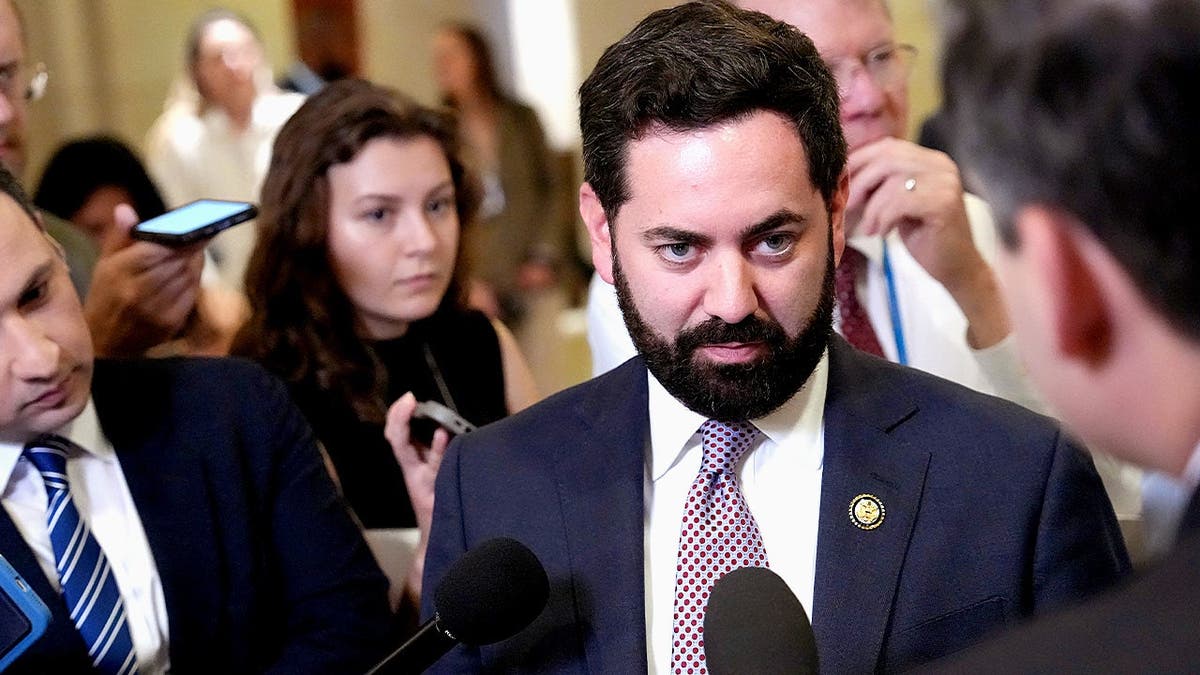
The passage of the NDAA with Section 219 intact, despite the significant internal Democratic dissent and Republican criticism of Ocasio-Cortez’s claims, carries several broader implications. Domestically, it further highlights the widening ideological chasm within the Democratic Party on foreign policy, particularly concerning Israel. As the progressive wing gains influence, debates over foreign aid, military alliances, and human rights are likely to become more frequent and more contentious, challenging the party’s traditional consensus on these issues. This internal strife could complicate future legislative efforts and impact electoral dynamics, potentially forcing candidates to navigate increasingly polarized stances on international relations.
Internationally, the measure reinforces the U.S. commitment to Israel’s security and the strategic partnership, sending a clear message to allies and adversaries alike about the enduring nature of this relationship. Deeper defense integration could lead to significant advancements in military technology and operational capabilities for both nations, potentially enhancing regional stability by strengthening deterrence against shared threats. However, it also risks exacerbating tensions with critics of Israel’s policies, both globally and within the U.S., who may view deepened integration as tacit approval of all Israeli actions, regardless of human rights concerns.
The legislative journey for the FY2027 NDAA is far from over. Having passed the House, the bill now moves to the Senate, which will debate and vote on its own version. Historically, differences between the House and Senate versions are resolved in a conference committee, where a compromise bill is crafted and then sent back to both chambers for a final vote before being sent to the President for signature. It remains to be seen whether Section 219 will face similar challenges or modifications in the Senate, or if the strong bipartisan support for U.S.-Israel defense cooperation will ensure its passage in its current form. The intense debate in the House, however, serves as a clear indication that discussions around U.S. defense policy and international alliances are becoming increasingly complex and politically charged, reflecting a dynamic and often polarized political landscape. The incident also underscores the powerful role of social media platforms like X in amplifying political narratives, sometimes at the expense of nuanced legislative understanding, and the challenges of fact-checking in a rapidly disseminating news environment.
Related posts: