Global Indigenous Forum Confronts Converging Crises of Conflict Digital Extractivism and Health Inequity

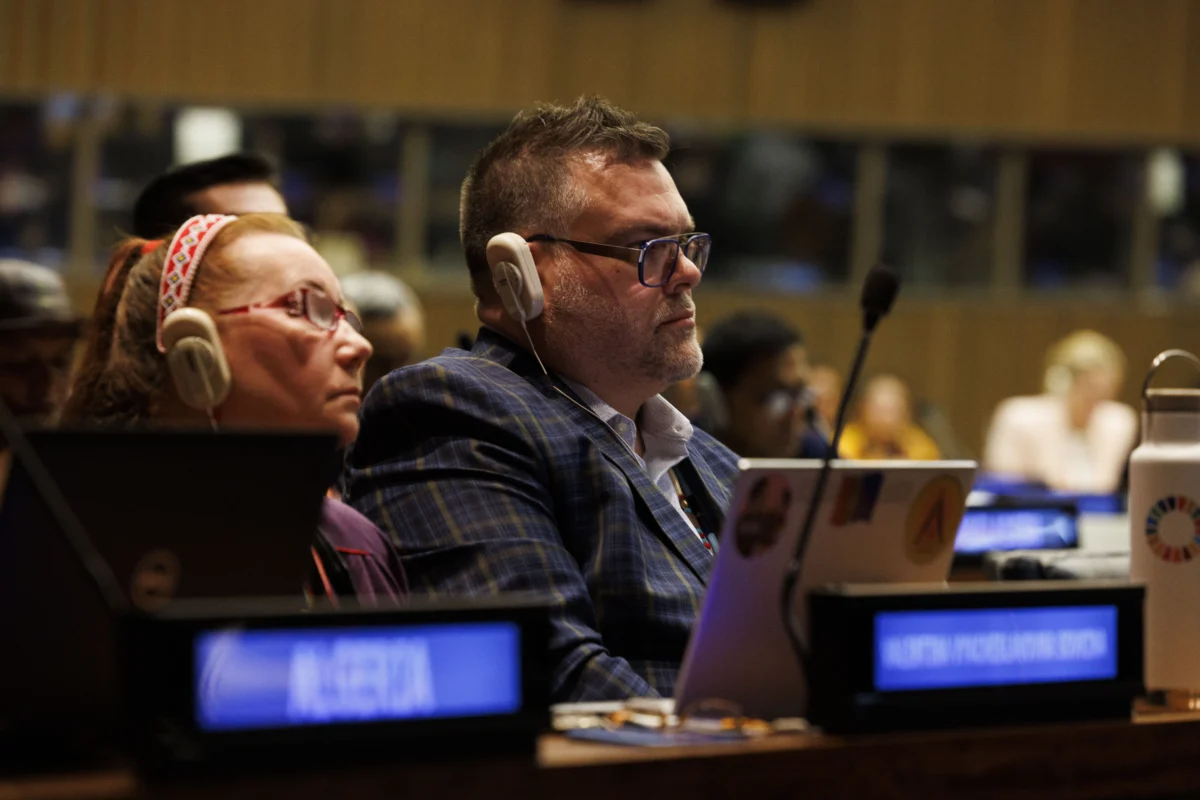
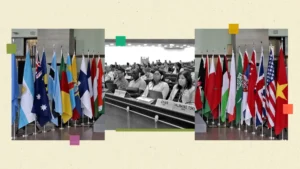
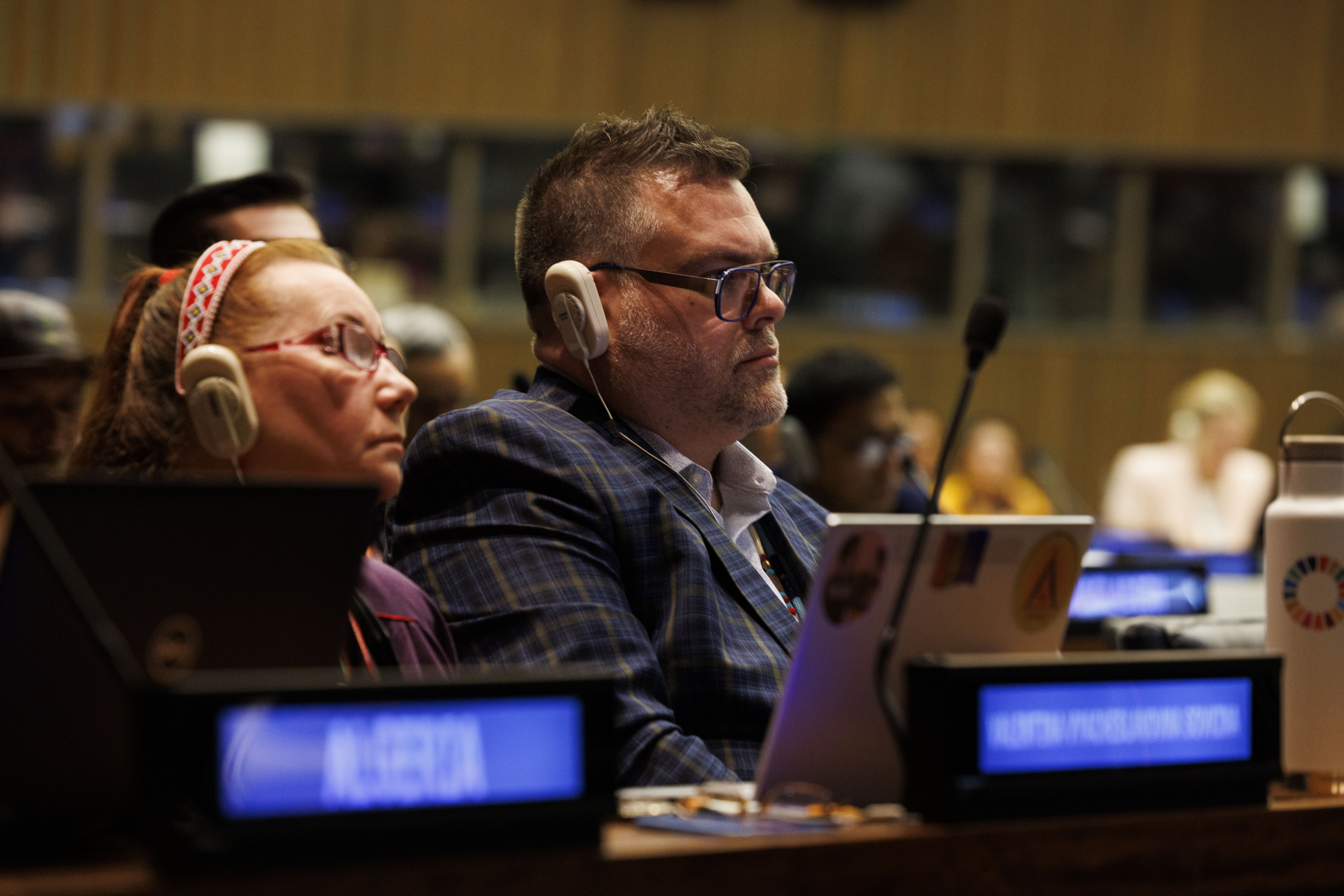
Hundreds of delegates representing thousands of Indigenous nations have converged at the United Nations Headquarters in New York this week for the world’s largest gathering of Indigenous peoples, an assembly marked by a sense of urgency and a darkening global landscape. The 2025 United Nations Permanent Forum on Indigenous Issues (UNPFII) convenes at a time when ancestral lands are increasingly besieged by the demands of an artificial intelligence boom, the complexities of the green energy transition, and the devastating impacts of armed conflict. While the forum serves as a platform for high-level diplomacy, the delegates arrive facing significant practical hurdles, including a restrictive U.S. visa environment that has disproportionately affected representatives from the Global South, and a global political climate that many advocates describe as increasingly hostile to Indigenous sovereignty.
A Mandate for Survival: Health in the Context of Conflict
This year’s forum is centered on a theme that reflects the precarious state of many Indigenous communities: "Ensuring Indigenous peoples’ health, including in the context of conflict." The choice of theme acknowledges that for Indigenous populations, health cannot be isolated from the broader struggles for land rights and self-determination. Experts and delegates argue that the historical traumas of colonialism and the modern pressures of climate change have created deep-seated health inequities that are now being exacerbated by militarization and active warfare.
Geoffrey Roth, a descendant of the Standing Rock Sioux and board chair of the Indigenous Determinants of Health Alliance, has emerged as a leading voice in redefining how the international community views Indigenous well-being. In a comprehensive report presented to the forum, Roth argues against the "siloing" of health into purely clinical or medical discussions. Instead, he advocates for a "holistic perspective" that integrates environmental health, cultural continuity, and language preservation into the definition of physical and mental wellness.
According to Roth’s findings, the "Indigenous determinants of health" include factors such as land tenure and governance authority. Conversely, the primary risk indicators for poor health outcomes among Indigenous peoples are land dispossession and exclusion from state decision-making processes. The report highlights that when Indigenous languages are erased by state policies, the resulting mental health toll is profound. Conversely, initiatives like those of the Coquille Indian Tribe in Oregon, which recently adopted an "Indigenous Determinants of Health Ordinance," show that cultural activities—such as monthly fishing trips for elders—are vital healthcare interventions that improve behavioral health and food security simultaneously.

The Chronology and Evolution of the Permanent Forum
The UNPFII was established by the Economic and Social Council (ECOSOC) in July 2000, following a long-standing campaign by Indigenous leaders for a dedicated space within the UN system. Since its first meeting in 2002, the forum has evolved from a consultative body into a critical global stage where the 476 million Indigenous people worldwide can hold states accountable.
Over the last two decades, the forum’s focus has shifted in response to global trends:
- 2007: The adoption of the UN Declaration on the Rights of Indigenous Peoples (UNDRIP) provided the legal framework for the forum’s advocacy.
- 2015-2019: Discussions were dominated by the Sustainable Development Goals (SDGs) and the Paris Agreement, with Indigenous leaders demanding "Free, Prior, and Informed Consent" (FPIC) for climate projects.
- 2020-2023: The COVID-19 pandemic highlighted the lack of infrastructure in Indigenous territories, leading to calls for direct climate and health financing.
- 2024-2025: The current era is defined by "digital extractivism" and the "green squeeze," where the race for critical minerals for batteries and AI processors threatens to repeat the cycles of exploitation seen during the industrial revolution.
The Digital Frontier: AI as a Tool for Empowerment and Extraction
A significant portion of this year’s agenda is dedicated to the role of technology. Hindou Oumarou Ibrahim, an Indigenous Mbororo leader from Chad and former UNPFII chair, warned the assembly that artificial intelligence represents a "double-edged sword." While AI offers unprecedented opportunities for monitoring territorial borders and revitalizing endangered languages through machine learning, it also facilitates a new era of "digital extractivism."
Generative AI systems require vast amounts of data, and tech companies have begun scraping Indigenous cultural content—including traditional medicinal knowledge, sacred stories, and even genetic data—without consent. Lydia Jennings, a citizen of the Pascua Yaqui Tribe and an assistant professor at Dartmouth College, shared a troubling instance where a mining company utilized Indigenous cultural information from an environmental impact statement to promote a project on its corporate website. This "biopiracy" in the digital age has sparked a growing movement for Indigenous data sovereignty, ensuring that communities retain the right to own and control information about their heritage and lands.
Furthermore, the physical infrastructure of AI—massive data centers—poses a direct threat to tribal resources. These centers require millions of gallons of water for cooling and immense amounts of electricity, often putting them in direct competition with Indigenous communities for scarce water rights in arid regions.
Climate Mobility and the "Fortress Conservation" Model
The forum is also addressing the "green transition," which advocates warn is frequently being used as a pretext for land grabs. A report submitted to the UNPFII in February 2025 highlights the plight of nomadic and pastoralist peoples, such as the Tuareg in the Sahara and the Maasai in East Africa. These groups rely on mobility as a knowledge-based climate adaptation strategy, moving livestock according to seasonal rainfall patterns.
However, the rise of "fortress conservation"—a model that seeks to protect biodiversity by fencing off land and removing human inhabitants—is curbing this traditional mobility. Samante Anne, representing the Mainyoito Pastoralists Integrated Development Organization in Kenya, noted that while 60 percent of Kenyan land is communal, it is increasingly being subdivided for carbon offset projects. These projects, often funded by Western corporations to "neutralize" their emissions, effectively criminalize the traditional livelihoods of the Maasai.
"Mobility has everything to do with us adapting to climate change," Anne stated during a panel. "It is the key to our food security and our survival."
Institutional Barriers and the "IPLC" Controversy
Despite the high-level discussions, the forum is plagued by logistical and terminology-based barriers that many feel are designed to dilute Indigenous influence. One of the most contentious issues is the U.S. government’s visa policies. Mariana Kiimi Ortiz Flores of the advocacy group Cultural Survival reported that numerous delegates from Africa and South America were denied visas this year, continuing a trend of restricted access for Global South representatives. Flores noted that the "climate of insecurity and hate speech" against Indigenous and Latin people has made the journey to New York feel increasingly threatening.
Internally, the UN faces criticism for its persistent use of the acronym "IPLC" (Indigenous Peoples and Local Communities). While "Local Communities" refers to a broad range of stakeholders, "Indigenous Peoples" have distinct, legally recognized rights under international law, including the right to self-determination.
In 2023, the three top UN Indigenous rights bodies issued a rare joint statement demanding that environmental treaties stop using the IPLC acronym. Geoffrey Roth reiterated this sentiment at the forum, stating that lumping Indigenous peoples with other groups "diminishes our rights and diminishes our ability to maintain our health." He argued that the term is often used by state governments to avoid the specific legal obligations they owe to Indigenous nations.
Analysis of Implications: A System at a Crossroads
The 2025 Permanent Forum reveals a fundamental tension in global governance. On one hand, the UN provides a unique stage for Indigenous leaders to speak directly to the international community. On the other, the institution’s reliance on member states—many of whom are the primary violators of Indigenous rights—creates a bottleneck for real progress.
The implications of this year’s forum are far-reaching:
- Health Policy: If the "Indigenous determinants of health" are adopted by the World Health Organization (WHO), it could lead to a shift in funding toward cultural and land-based healing rather than just Western medical interventions.
- Tech Regulation: The calls for data sovereignty may influence future international regulations on AI, potentially requiring tech firms to prove the "ethical sourcing" of cultural data.
- Climate Finance: The demand for direct financing—bypassing state intermediaries—is gaining traction. If successful, it could transform how billions of dollars in climate adaptation funds are distributed globally.
As the forum continues through the week, the sentiment among delegates remains one of resilient disillusionment. "The United Nations as an international institution has been losing its influence," observed Mariana Kiimi Ortiz Flores. Yet, for the hundreds of leaders present, the alternative—silence—is not an option. The gathering stands as a testament to the fact that while global interests may shift toward AI and green energy, the fight for Indigenous survival remains rooted in the ancient and enduring connection to the land.