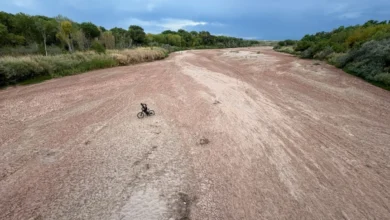
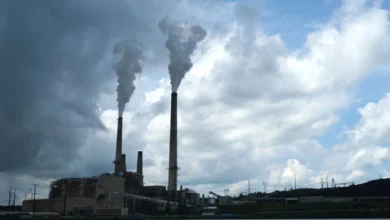
The High Stakes of the Bridger Pipeline: Economic Hope and Environmental Anxiety in Eastern Montana

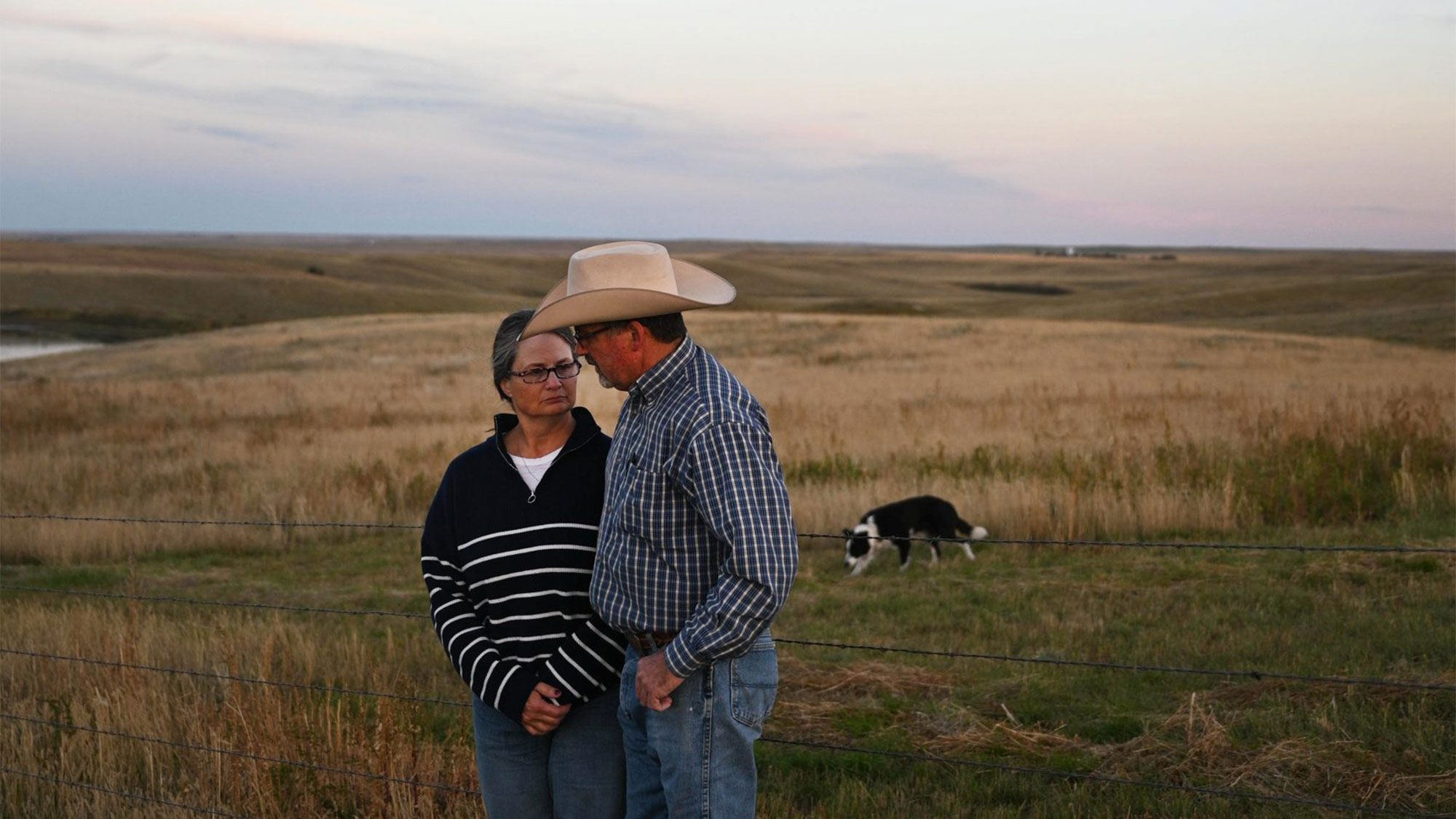
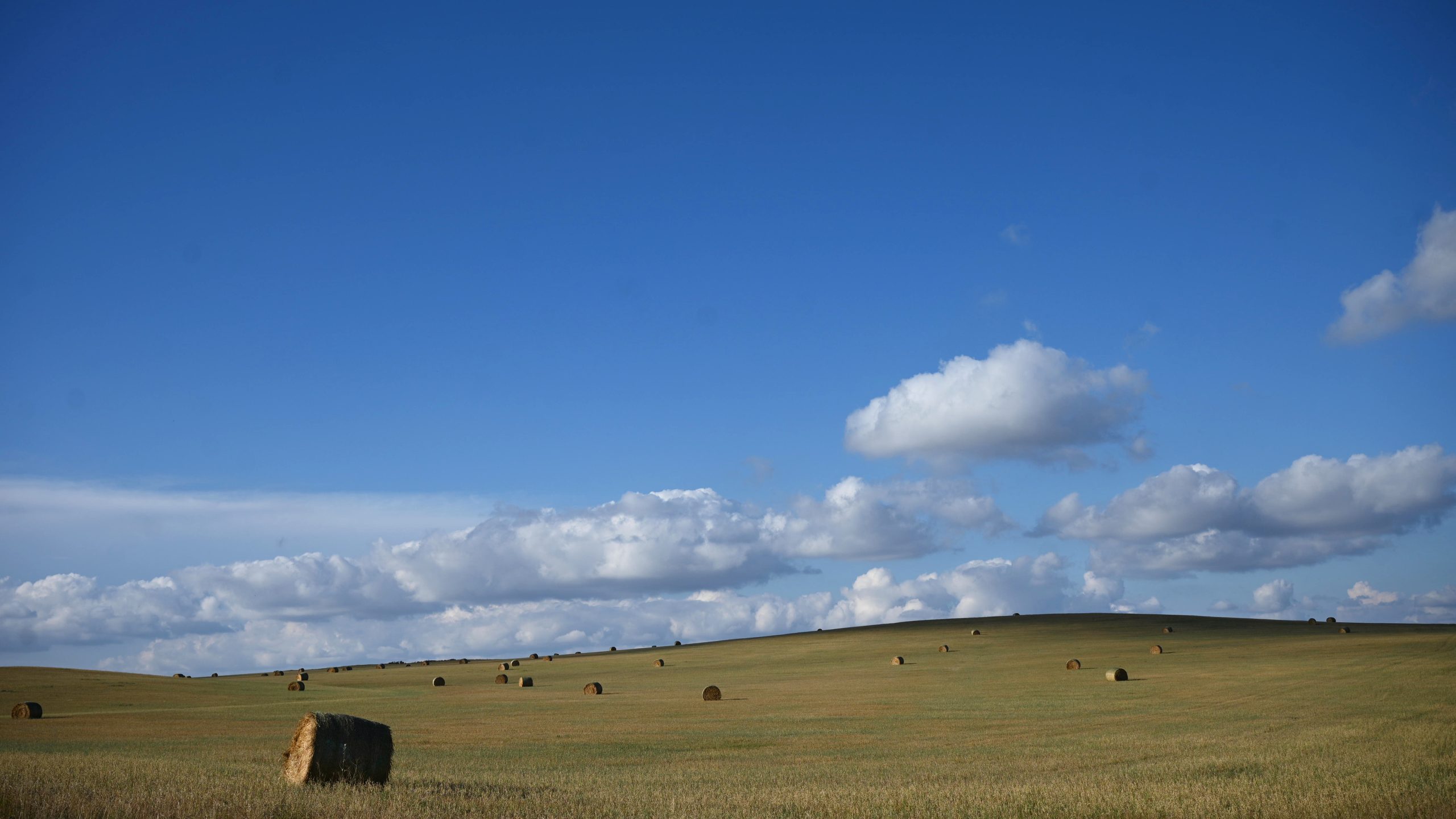
Jerry Arnold stands in a patch of cleared land, his combine idling behind him. To the west, acres of freshly cut grain reveal rolling hills, and to the east, 3-foot stalks of wheat pulse in the wind. Arnold’s sweat-stained baseball cap is coated with fine golden dust after a long day of harvesting at his farm near Opheim, Montana, a town of just 72 residents tucked against the Canadian border. For farmers like Arnold, the landscape is a ledger of survival, and the ledger has been in the red for years. Following a record-low snowpack and a brutal, dry winter that stunted crop yields, Arnold is looking for a lifeline. He may have found one in the ground beneath his feet.
Arnold is one of nearly 300 Montana landowners currently negotiating with Bridger Pipeline LLC, a Wyoming-based energy company seeking to construct a 650-mile pipeline to transport tar sands oil—a dense, high-carbon mixture of bitumen, sand, and clay—from Canada to a refinery hub in Guernsey, Wyoming. For many, the project represents a rare injection of capital into a struggling rural economy. For others, particularly the Fort Peck Tribes, it represents an existential threat to water security and tribal sovereignty.
A Legacy of Boom and Bust
The history of pipeline development in eastern Montana is a history of economic desperation and fluctuating federal policy. The region has long felt the sting of economic divergence from the booming, tourism-heavy western part of the state. For counties where the poverty rate climbs well into double digits, the prospect of a massive infrastructure project is often viewed as a "lottery ticket."
In the 1980s, when a combination of drought, heat, and grasshopper infestations threatened to end his family’s agricultural legacy, Arnold found salvation in the Northern Border Pipeline. The easement payment he received for the gas line crossing his property provided the liquidity necessary to keep his farm solvent. Decades later, when the Keystone XL pipeline was proposed, Arnold and many of his neighbors viewed it with optimism. When that project was ultimately canceled by the Biden administration in 2021, the disappointment was palpable across the plains.
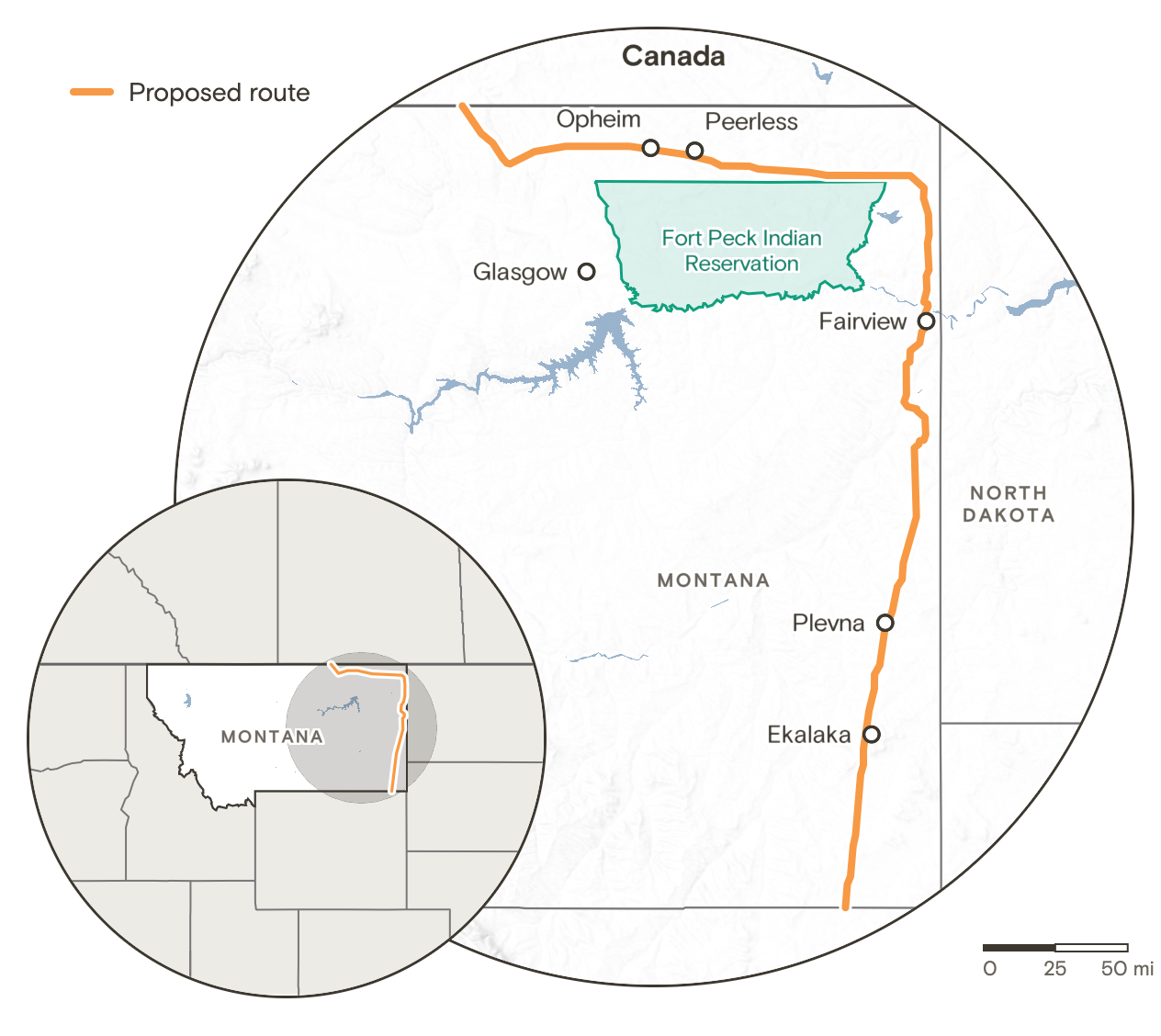
Today, with President Donald Trump having granted a presidential permit this spring to facilitate the cross-border connection, the momentum for the Bridger project has shifted. The company aims to break ground within the next year, creating a ripple effect of anticipation and apprehension across nine Montana counties and vast stretches of eastern Wyoming.
Project Scope and Technical Specifications
The Bridger Pipeline is designed to be a major artery for North American energy, with a projected capacity of 550,000 barrels of oil per day, potentially scaling to over one million barrels at peak operation. The pipeline will carry tar sands oil, which, according to various environmental health studies, generates approximately 20 percent more greenhouse gas emissions than conventional crude oil due to the energy-intensive processes required for its extraction and refining.
The route is strategically planned to bypass reservation boundaries, a decision Bridger spokesperson Bill Salvin defends as a matter of respecting tribal autonomy. However, critics argue this is a tactical maneuver designed to avoid the stringent legal and regulatory hurdles that accompany crossing Indigenous land. By skirting just miles from the Fort Peck Reservation, the pipeline avoids direct tribal oversight while still exposing tribal water sources to the risk of a catastrophic leak.
The Financial Lure of Easements
For landowners, the primary incentive is the easement payment. These one-time, lump-sum payments are notoriously opaque, often shielded by non-disclosure agreements. In previous major pipeline projects like the Keystone XL, reports surfaced of landowners receiving anywhere from $38,000 to over $150,000 depending on the length of the pipe crossing their property and the intensity of the negotiation.
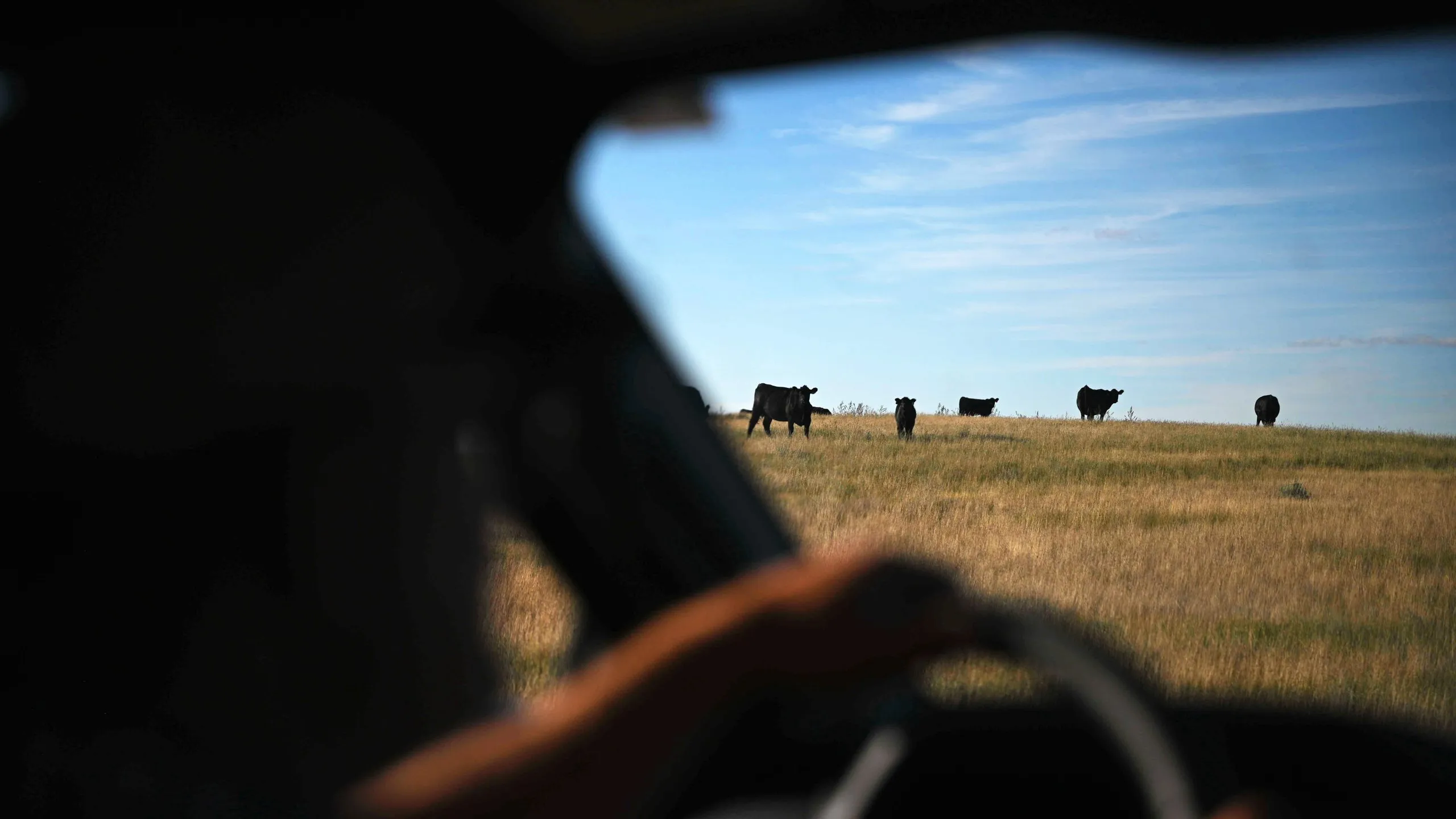
"We’re coming off of two, three bad years," Arnold said, acknowledging that the payment would provide a significant financial cushion. "That’s going to be a good-size check."
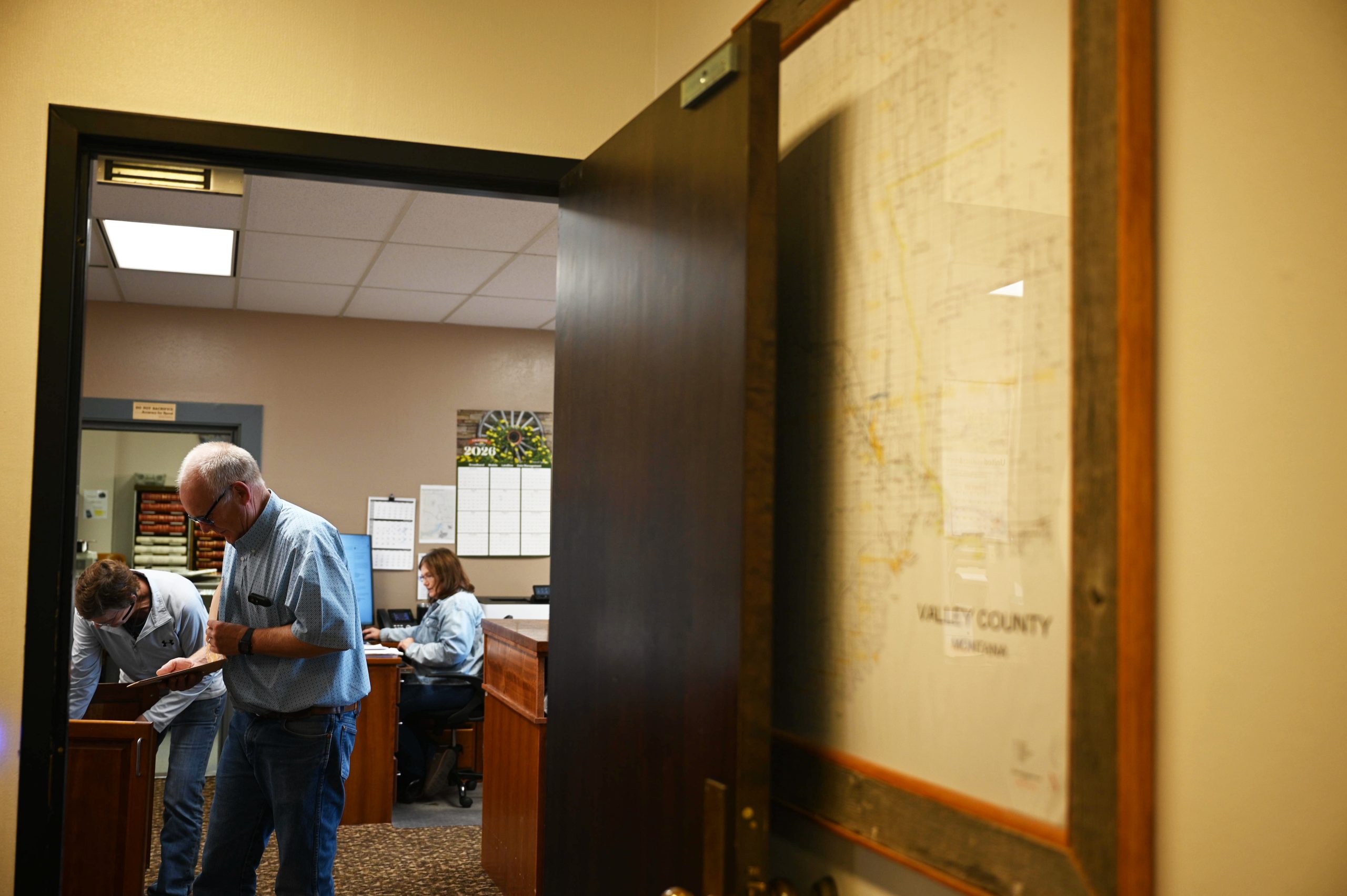
Local officials, such as Daniels County Commissioner Tammi Fladager, are even more blunt. In a region that lacks significant tax revenue from pipelines—unlike some of its neighbors—the project is seen as a vital source of future property tax income that could fund schools, roads, and emergency services. "We’re kind of desperate," Fladager noted. "Anybody that comes with a big check, it’s ‘Where do I sign?’ You don’t want the lottery ticket to walk out the door."
Environmental Risks and the Shadow of the Past
The enthusiasm of the landowners is balanced by a history of industrial failure. The Bridger Pipeline company is not a stranger to environmental controversy. In 2015, one of its pipelines ruptured, spilling at least 30,000 gallons of crude oil into the Yellowstone River. The spill forced the city of Glendive to shut down its water treatment plant, leaving 6,000 residents without safe drinking water for days.
The fallout was significant. In 2021, the company settled a civil lawsuit with the Montana Attorney General’s office for $2 million. Furthermore, in 2023, Bridger and its affiliate, Belle Fourche, were ordered to pay $12.5 million in civil penalties for multiple spills in Montana and North Dakota under the Clean Water Act and federal pipeline safety regulations.
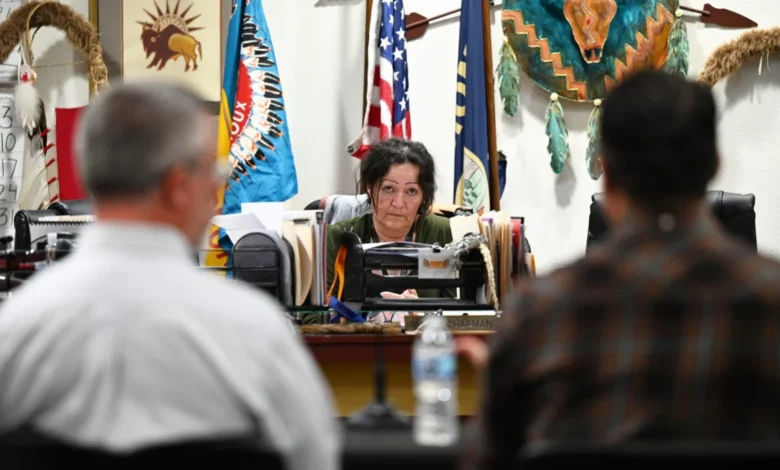
While Bridger maintains that it has modernized its infrastructure—incorporating AI-driven leak detection systems and 24/7 monitoring—the Fort Peck Tribes remain unconvinced. During a September meeting with the Bureau of Land Management (BLM), Tribal Executive Board member Jestin Dupree demanded to know the "worst-case scenario" for a spill, particularly given the pipeline’s proximity to the Poplar River and the Missouri River water systems.
Regulatory Hurdles and Legal Precedent
The approval process for the Bridger Pipeline is a complex interplay of federal and state jurisdictions. While the presidential permit has cleared the international border hurdle, the project must still undergo an environmental review by the BLM.
However, the scope of that review remains a point of contention. Phillip Blundell, the project lead for the BLM, informed tribal leaders that, citing a recent Supreme Court decision, the agency is not required to analyze the lifetime environmental impacts—including the carbon emissions generated by burning the transported oil—of the project. Instead, the review will be limited to the localized environmental impacts of construction.
This narrow interpretation of federal oversight has left many, including tribal leaders, feeling that their concerns are being sidelined. "It’s just a lot of lip service, it seems," Dupree said following the meeting, noting that he had left the discussion with more questions than answers.
Broader Implications for Energy Policy
As the project moves toward its construction phase, the Bridger Pipeline serves as a microcosm of the larger American debate over energy independence versus environmental stewardship. The company argues that the pipeline provides "security of supply" in a volatile global market, which it claims can help stabilize fuel prices for the American consumer.
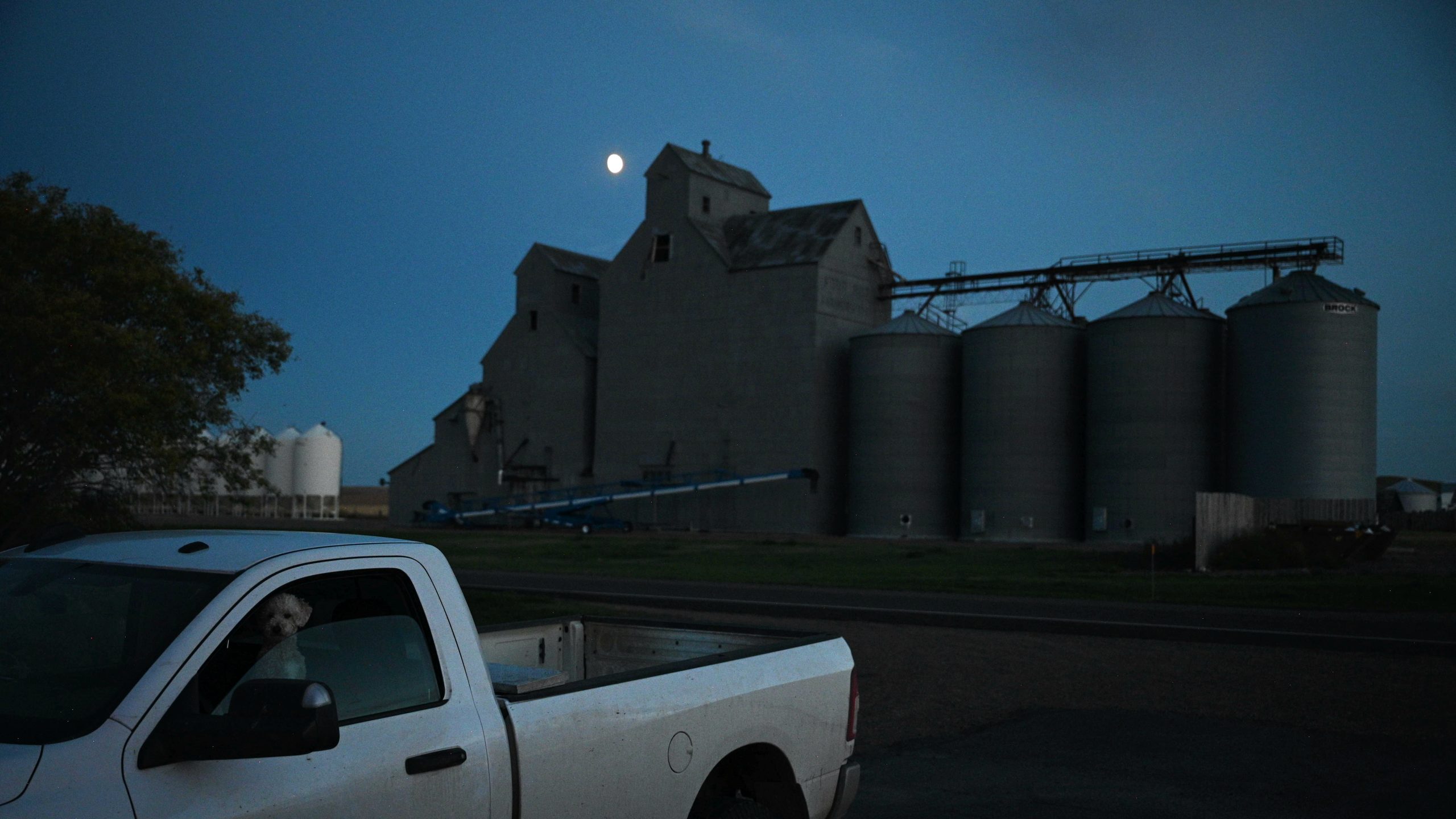
Yet, as ranchers like Bob Thielen of Plevna have pointed out, there is skepticism regarding whether these domestic energy projects truly benefit the local populace. "What is the benefit to the American people?" Thielen asked. "The counties might get a little revenue, us ranchers are going to get a little revenue—the American people are going to get absolutely zero from it if it’s just coming in and going out."
The pipeline’s ultimate destination—refineries in the Midwest and eventually global export markets—further complicates the narrative of energy independence. As the company prepares for further meetings with stakeholders in December, the tension between the immediate economic needs of rural Montana and the long-term ecological risks continues to define the project’s path.
For the landowners, the wait continues. Between the surveyors, the environmentalists, and the legal teams, the "annoying stages" of the project have only just begun. Whether the pipeline becomes a catalyst for regional economic revitalization or the site of the next environmental crisis remains to be seen, but for the people of eastern Montana, the reality of the oil industry is about to become a permanent part of their horizon.