Two Visions Collide in Lubbock: How a High-Stakes Texas Senate Showdown Transformed a GOP Stronghold Into America’s Ultimate Political Battleground


LUBBOCK, Texas — The crisp autumn air of West Texas played host to a political phenomenon on a Tuesday night that would have seemed unimaginable just a decade ago. In the ruby-red heartland of Lubbock, a city traditionally synonymous with unshakeable conservative loyalty, two massive, simultaneous rallies materialized as a stark physical manifestation of a changing political landscape. Thousands of voters converged on different sides of town, not merely to cheer for their respective candidates, but to fight for the very ideological soul of the Lone Star State.
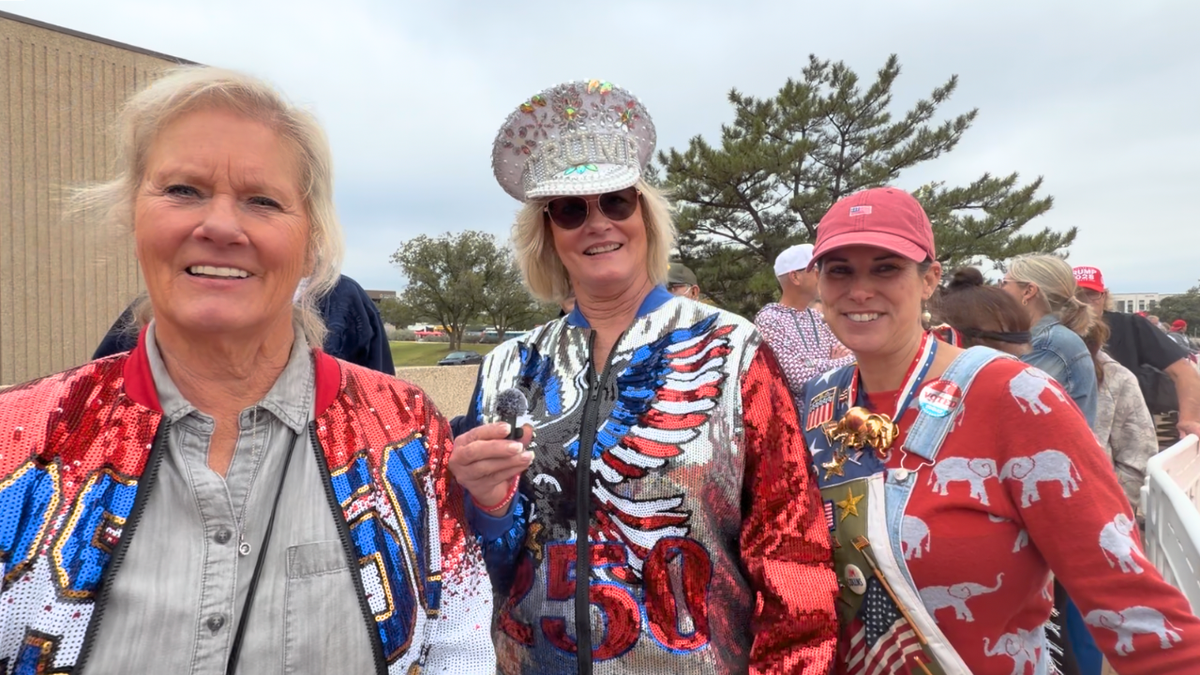
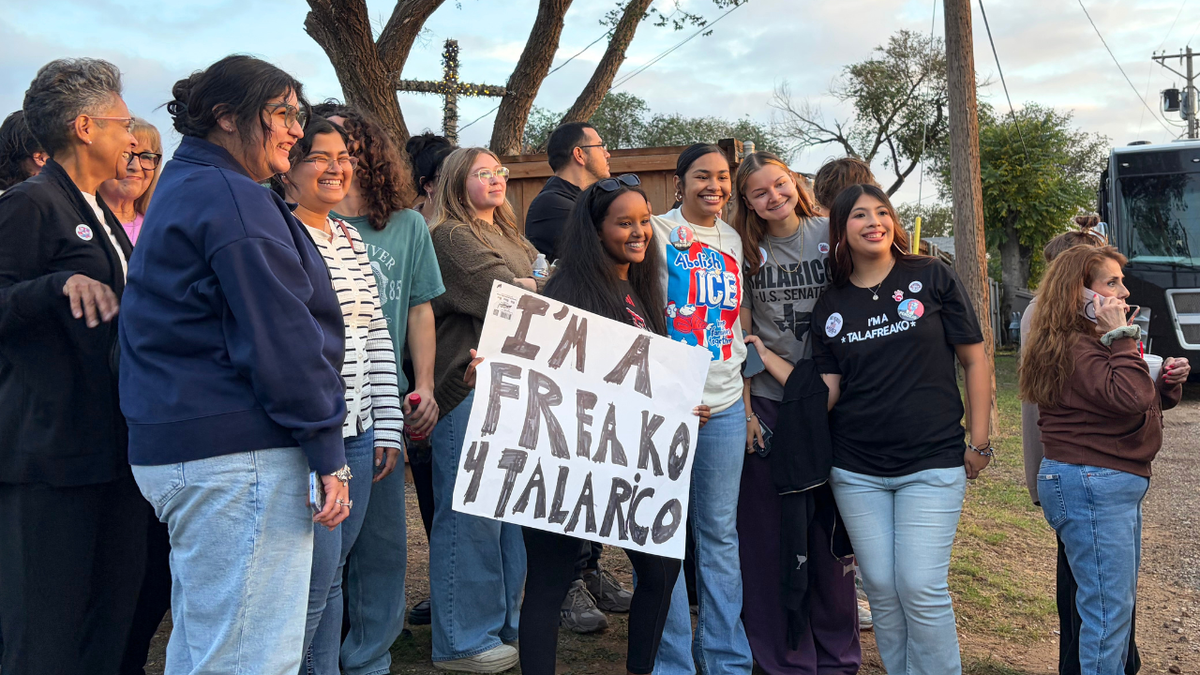
Republican candidate Ken Paxton, bolstered by the heavyweight presence and star power of Donald Trump, drew immense crowds that began staking out positions outside the Lubbock Civic Center as early as Monday night. Just four miles away, a vibrant and energized crowd of approximately 4,000 supporters flooded the neighborhood surrounding the Fiesta Center to rally for Democratic challenger James Talarico.
This dramatic geographical and ideological split captures the essence of a fiercely contested U.S. Senate race. Recent polling data indicates a razor-thin margin, with Talarico narrowly leading Paxton in a state that has not elected a Democrat to statewide office in over thirty years. As early voting progresses and election day approaches, the showdown in Lubbock underscores a broader national question: Is Texas genuinely on the verge of turning purple, or is the groundswell of Democratic momentum merely a mirage in an enduring Republican fortress?
The Setting: Lubbock’s Sudden Transformation Into Ground Zero
Long recognized as an impenetrable bastion of conservatism, Lubbock has historically served as a reliable anchor for the Texas Republican Party. Economically driven by agriculture, education, and the energy sector, the region’s demographic makeup has traditionally favored fiscal conservatism, strict adherence to traditional values, and unyielding support for gun rights and anti-abortion legislation.
Yet, the 2026 midterm election cycle has rewritten the local political calculus. Rapid urbanization, demographic shifts across the state, and an influx of out-of-state residents have slowly chipped away at the margins of traditional GOP strongholds. The decision by both campaigns to target Lubbock simultaneously on a Tuesday night was no accident; it was a calculated tactical maneuver. For the Paxton campaign, it was a vital play to rally the rural base and reassure hesitant conservatives. For the Talarico campaign, it represented an aggressive push into enemy territory, signaling that no corner of the state is entirely safe for the establishment.
Outside the Civic Center: Paxton Loyalists Vow to Keep Texas Red
The atmosphere outside the Lubbock Civic Center buzzed with the fervor of a major presidential election. Supporters of Ken Paxton—many adorned in red hats and waving campaign flags—dismissed the idea that Texas was genuinely in play, attributing the tightening polls to psychological warfare by political opponents and biased media coverage.

Jenny, a dedicated conservative who made the arduous journey from Brownsville near the U.S.–Mexico border, voiced absolute confidence in a sweeping Republican victory.
"What else do the Democrats have? They have Talarico going against Paxton," Jenny remarked, observing the sea of passionate attendees. "All they’ve got is the ability to try and make people think that it’s close and there is no point in voting. No, it’s not close. Paxton is going to wipe the floor with him."
For many voters in attendance, the motivation to back Paxton extended far beyond partisan loyalty; it was a defensive stand to preserve a way of life. Nathan, a supporter who traveled from Milton, articulated a sentiment shared by many in the crowd regarding cultural and constitutional preservation.
"I want to make sure we are keeping all the normal values that we have in Texas," Nathan explained. "I want to make sure that we are keeping our guns, we are keeping our safety, keeping abortion as far away from Texas, and do everything we can to keep Texas, Texas."
Eric, a lifelong Lubbock resident, echoed these thoughts, expressing skepticism over whether Democratic platforms could ever successfully resonate with mainstream Texans. He argued that common-sense values naturally align with conservative governance, predicting that the state’s political identity will remain firmly anchored on the right.
Across Town: Talarico Supporters Smell Opportunity and Fear in GOP Ranks
While Paxton rallies focused on institutional continuity and defense of tradition, the mood four miles away at the Fiesta Center was defined by anticipation and a palpable sense of historic possibility. Talarico’s campaign drew roughly 4,000 enthusiastic attendees inside and outside the venue, with supporters arguing that the dual-rally schedule in a safe Republican district exposed deep vulnerabilities within the state GOP.
"Trump’s in Lubbock? Trump’s in Lubbock, Texas? He’s scared, he is scared," declared one passionate attendee, interpreting the former president’s eleventh-hour intervention as a panic response to internal polling data that allegedly shows the GOP losing ground.
Natalie, a voter who traveled from Friona to attend the Democratic event, shared a similar interpretation of the evening’s events.
"I think they have to be nervous, and I think it’s performative, like to come the exact same day as he is here," Natalie said. "I really hope so, and looking at all of this, I think it is."
Beyond the strategic optics of the dual rallies, critics of Ken Paxton raised questions regarding his controversial political history. Elias, a Lubbock local, argued that Paxton’s heavy reliance on Donald Trump’s endorsement highlights a lack of political independence and leadership fortitude. He pointed to Paxton’s past legal battles and his historic impeachment by the Texas House as enduring liabilities that should have disqualified him from retaining broad public trust.
"I think it shows that Paxton is a weak leader," Elias stated. "He had a chance to kind of redeem himself despite his ugly past, but he’s not a man, he can’t stand up for himself. He needs daddy Trump to come and support him."
Other attendees, including Jessica from Lubbock and Shelby from Houston, expressed widespread fatigue with the status quo, arguing that decades of uninterrupted Republican governance have failed to adequately address pressing infrastructure, education, and healthcare concerns across the state. For them, the energy at the Fiesta Center was proof that a monumental shift is underway.
"They’re scared that it is going to flip, and I believe it will because of how they have run this county the last few years," they said in a joint statement. Local residents Christine and John shared the sentiment, simply stating, "They are nervous, and this is the year we are going to change it all."
Background Context and Political Chronology
To understand the weight of the Lubbock showdown, one must examine the tumultuous trajectory of Texas politics over the past decade. Long characterized by comfortable double-digit Republican victories, the state began showing competitive margins during the 2018 U.S. Senate race, when Republican Ted Cruz narrowly defeated challenger Beto O’Rourke by less than three percentage points.
Subsequent election cycles in 2020 and 2024 further demonstrated a steady demographic erosion of the suburban margins that traditionally powered statewide GOP wins. Fast-forward to the 2026 cycle, and the Senate race featuring Ken Paxton and James Talarico has emerged as the most expensive and closely watched legislative battle in the country.
Ken Paxton, a seasoned fixture of Texas conservative politics who previously served as the state’s Attorney General, brings an established network of grassroots donors and high-profile endorsements, most notably from Donald Trump. His campaign has focused heavily on border security, economic deregulation, and cultural issues.
Conversely, James Talarico has cultivated a populist progressive and moderate coalition that emphasizes public education funding, healthcare accessibility, and economic reform for working-class families. By appealing across traditional demographic lines, Talarico has successfully mobilized younger voters and urban-suburban moderates who feel alienated by the current political establishment.
Analytical Implications: What This Means for the Future of Texas and National Politics
The convergence of these two campaigns in Lubbock serves as a microcosm of America’s broader political polarization. If the polling holds true and Talarico pulls off an upset victory, it would represent the most significant political earthquake in Texas since the late 20th century, effectively rewriting the playbook for Democratic strategy across the Sun Belt and fundamentally altering the balance of power in the United States Senate.
Conversely, a decisive win by Paxton would validate the Republican Party’s stronghold strategy, proving that grassroots mobilization and cultural issues remain potent enough to withstand demographic headwinds and progressive surges.
As election day rapidly approaches, the eyes of the nation remain firmly fixed on the Lone Star State. Whether Lubbock’s dueling rallies ultimately signal the twilight of an unbroken conservative era or merely a temporary tremor in an unshakeable red fortress will soon be decided at the ballot box.