Discovering Aotearoa: A Comprehensive Guide to New Zealand’s Elite Wilderness Destinations and Luxury Lodges

The shifting global tourism landscape has increasingly prioritized experiential travel that bridges untouched wilderness with bespoke hospitality. For travelers based in Oceania, particularly Sydney-siders seeking a seamless transition from urban density to alpine isolation, New Zealand—or Aotearoa—remains an unparalleled sanctuary. Beyond the conventional ski excursions to Queenstown, a more profound exploration reveals a deeply integrated network of historic lodges, indigenous cultural landmarks, and culinary epicenters that redefine contemporary luxury travel.

Architectural Heritage and Historical Context of New Zealand Lodges
New Zealand’s high-end hospitality sector is anchored by properties deeply rooted in the nation’s pioneering and conservation history. Rather than standardized luxury, the country’s premier lodges reflect a narrative of land stewardship, working farms, and century-old sporting traditions.
Huka Lodge, situated along the emerald waters of the Waikato River in Taupō, stands as a cornerstone of this heritage. Established originally as a modest fishermen’s camp in 1924, it has evolved over the past century into an internationally renowned retreat while preserving its intimate connection to the surrounding aquatic ecosystem. This trajectory mirrors a broader trend within New Zealand tourism: the elevation of historic outposts into world-class sanctuaries that prioritize discretion, architectural harmony, and environmental integration.

Similarly, properties like Cabot Lodge in Fiordland and Poronui Safari Camp in the wider Taupō region demonstrate a commitment to agritourism and ecological immersion. Cabot Lodge operates on a functional, multi-generation family farm overlooking Lake Manapouri, offering guests a direct window into the pastoral roots of the South Island. Poronui Safari Camp, featuring exclusive-use canvas tents along the Mohaka River, underscores a growing market demand for ultra-private, low-impact wilderness accommodations.
Chronological Framework and Recommended Itineraries
A common pitfall for international visitors is attempting to traverse both the North and South Islands within a restricted timeframe, such as a standard seven-day window. Tourism boards and seasoned travel analysts consistently advise narrowing the scope to maximize regional appreciation.

South Island: Alpine Landscapes and Fiordland Exploration
- Days 1–3 (Queenstown and Arrowtown): Focus on the Central Otago region, dedicating time to Arrowtown’s historical Chinese miners’ settlement alongside modern gastronomic destinations like Aosta and Ayrburn.
- Days 4–7 (Te Anau and Fiordland): Relocate base camps to Te Anau rather than executing day trips from Queenstown. This allows for seamless access to Doubtful Sound via Manapouri and Wilmot Pass, or Milford Sound via the Homer Tunnel.
North Island: Geothermal Wonders and Culinary Arts
- Days 1–3 (Auckland to Rotorua): Begin in the country’s commercial hub before transitioning south to Rotorua to engage with geothermal landscapes and rich Māori cultural heritage.
- Days 4–7 (Taupō and Wellington): Experience the striking turquoise waters of Lake Taupō and the Waikato River before concluding in the capital city of Wellington, renowned for its contemporary arts and burgeoning culinary scene.
Economic Implications and Strategic Budgeting
While New Zealand’s luxury sector garners significant global attention, industry data indicates that high-end itineraries featuring helicopter charters and exclusive lodges represent only a fraction of the domestic tourism economy. Strategic financial planning is essential for balancing high-investment stays with independent travel models.
Travel economists recommend a hybridized budgeting strategy: allocating premium funds toward iconic accommodations or specialized guided excursions—such as summit stargazing experiences within the Aoraki Mackenzie International Dark Sky Reserve—while offsetting costs through self-catering lodgings equipped with kitchen facilities.

Furthermore, transportation choices significantly impact overall expenditure. Comparative analyses between campervan rentals (factoring in rising fuel costs, road user charges, and Department of Conservation campsite fees) and traditional car-and-hotel pairings reveal shifting economic margins. Travelers are increasingly advised to reserve dedicated funds for regional gastronomy, cool-climate viticulture in Central Otago, and authentic artisanal goods, such as sustainably produced knitwear from generational enterprises like Davaar Station.
Cultural Integration and Indigenous Tourism
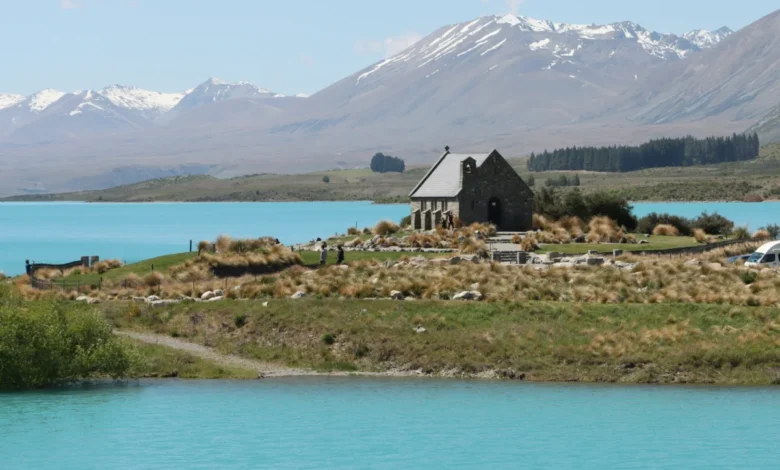
A defining characteristic of New Zealand’s modern tourism framework is the seamless integration of indigenous Māori culture, art, and storytelling into mainstream itineraries. From the contemporary rock carvings at Ngātoroirangi Mine Bay on Lake Taupō—sculpted by Matahi Whakataka-Brightwell—to the educational frameworks of the Dark Sky Project in Lake Tekapo, visitors are increasingly offered dual-perspective narratives that combine western scientific inquiry with ancestral astronomical traditions.

This cultural renaissance extends to the culinary and retail sectors. The integration of indigenous ingredients into contemporary dining formats, championed by establishments across Wellington and Central Otago, highlights a national commitment to terroir-driven gastronomy. The formal recognition of New Zealand’s culinary excellence, highlighted by international Michelin guide evaluations, underscores a maturing hospitality landscape that honors both heritage and innovation.
Broader Impact and Future Outlook
As international arrivals rebound toward pre-pandemic levels, New Zealand’s tourism sector faces the ongoing challenge of balancing economic growth with strict environmental conservation mandates. The emphasis on slow travel—exemplified by recommendations to extend stays in single locations rather than constantly relocating—directly supports the Department of Conservation’s sustainability goals.

Industry analysts project continued growth in the experiential luxury and eco-lodge segments, driven by travelers seeking authenticity, privacy, and environmental accountability. By prioritizing deep regional immersion over rushed sightseeing, visitors contribute to a sustainable tourism model that safeguards Aotearoa’s pristine wilderness for future generations.