The Supreme Court Weighs the Future of Climate Litigation as Boulder Takes Fossil Fuel Giants to the High Court

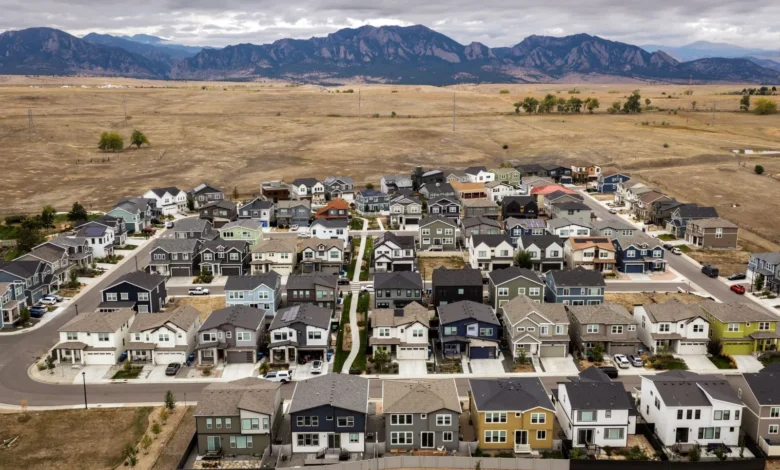
The Supreme Court opened its 2026-2027 term this Monday with a high-stakes confrontation that could fundamentally reshape the landscape of environmental liability in the United States. At the center of the controversy is a lawsuit filed by Boulder, Colorado, against energy behemoths Exxon Mobil and the Canadian firm Suncor. The case, which reached the highest court in the land after years of procedural maneuvering, asks a foundational question: Can local governments use state-level consumer protection and nuisance laws to force fossil fuel companies to pay for the catastrophic costs of a warming planet?
The proceedings represent a pivotal moment for a wave of dozens of similar lawsuits currently winding through state and federal courts across the nation. While the Supreme Court justices offered no immediate indication of how they will rule, the two-hour oral argument revealed a bench deeply conflicted over the limits of judicial authority and the potential for local courts to interfere with global energy policy.
A Chronology of the Conflict
The legal battle between Boulder and the oil giants is the culmination of nearly a decade of mounting tension between local municipalities and the fossil fuel industry. The genesis of this specific litigation lies in the aftermath of extreme weather events that have increasingly plagued the American West.
- 2018–2020: Municipalities, including Boulder County, begin filing lawsuits in state courts, alleging that oil companies knowingly misled the public about the climate risks associated with their products.
- 2021–2023: Industry defendants repeatedly fight to remove these cases from state to federal court, hoping that federal judges would be more likely to dismiss them under the Clean Air Act.
- 2024–2025: Appellate courts across the country provide conflicting rulings, with some allowing the cases to proceed in state jurisdictions, leading to an inevitable petition for Supreme Court review.
- October 2026: The Supreme Court convenes to hear arguments in Boulder v. Exxon Mobil et al., a case widely viewed as a bellwether for the remaining litigation.
The Core Legal Disagreement
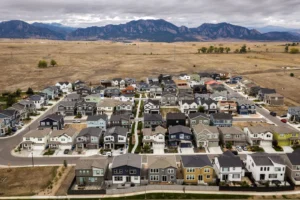
The legal arguments presented before the court represent two starkly different visions of the role of the judiciary. Boulder, represented by attorney Kevin Russell, asserts that this case is not about regulating greenhouse gas emissions or shutting down oil production. Instead, the city frames its lawsuit as a "deception" case, comparable to the landmark tobacco litigation of the 1990s. The city argues that because energy companies allegedly concealed scientific data regarding the climate-altering effects of their products, they should be held financially liable for the damages local governments have sustained—such as the infrastructure costs linked to severe wildfires like the Marshall Fire.
"This is not an effort to reduce emissions," Russell stated during the hearing. "Under our deception theory, they can continue to produce as much fossil fuel as they like and contribute to as much air pollution and greenhouse gas emissions as the market will bear, provided consumers are properly informed."
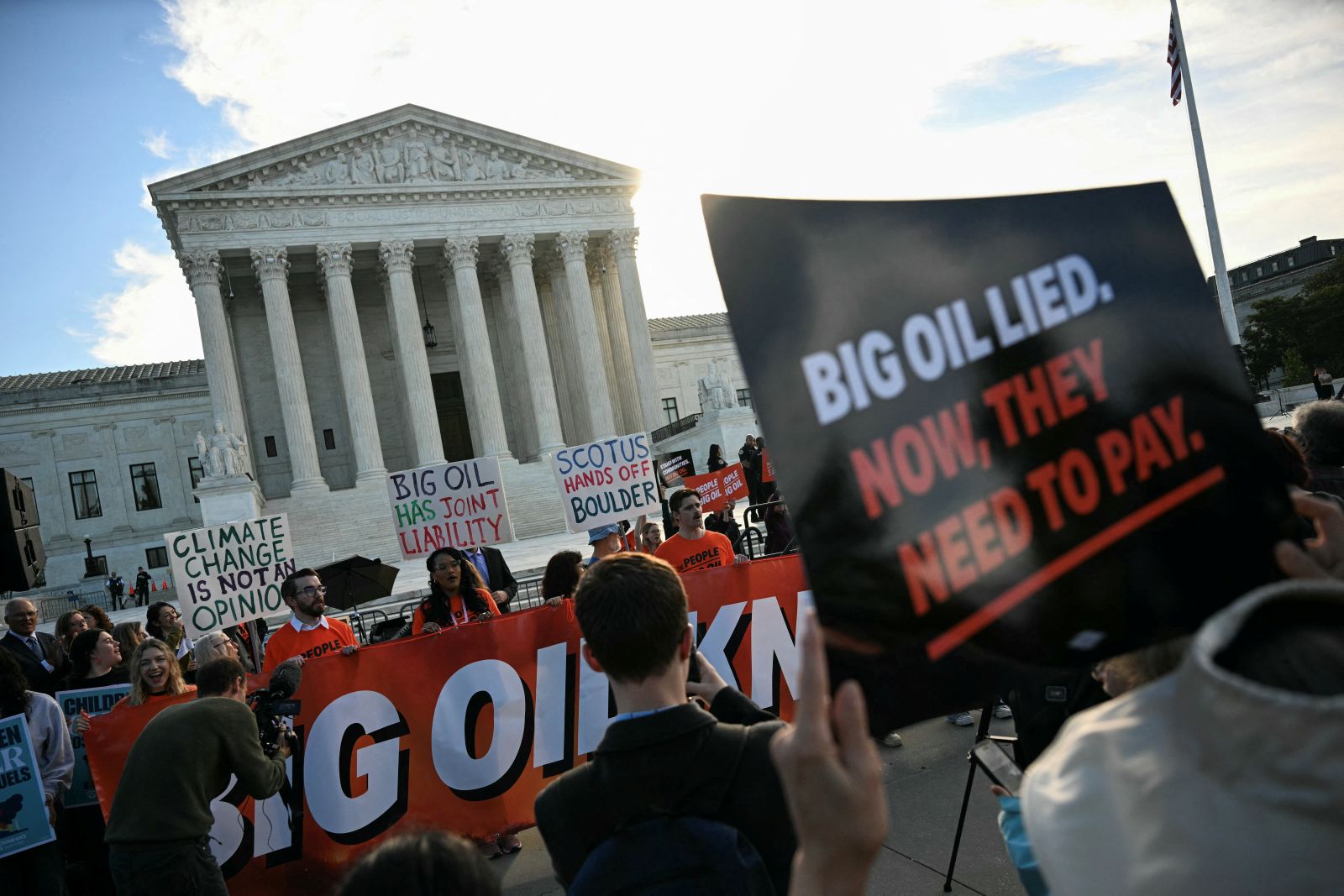
Conversely, the oil and gas industry, led by attorney Kannon Shanmugam, argues that the case is an unprecedented attempt to use state courts to regulate global conduct. The industry maintains that climate change is a national and international issue that must be addressed through federal policy and international treaties, not through a patchwork of state-level lawsuits. Shanmugam warned the justices that allowing these cases to move forward would lead to chaotic outcomes, noting that any consumer could theoretically sue a gas station for contributing to climate change, creating a legal environment that could bankrupt critical energy providers.
The Judicial Perspective and the "Complexity" Problem
Justice Samuel Alito recused himself from the proceedings, leaving eight justices to grapple with the case. Throughout the session, the bench displayed a shared frustration with the complexity of the arguments. Justices from across the ideological spectrum repeatedly asked why the case could not be distilled into a more legible, straightforward question.
However, beneath the search for simplicity, there was clear apprehension regarding the potential economic impact. Justice Brett Kavanaugh emerged as a vocal skeptic of the plaintiffs’ approach, expressing concern that state courts lack the constitutional authority to oversee global environmental impacts. He characterized the potential financial liability as potentially "bankrupting" to the firms involved, suggesting that the court viewed the financial stakes as far more consequential than the local damages cited by Boulder.
Supporting Data and Industry Context
The financial implications of this case are massive. According to recent filings with the Securities and Exchange Commission, companies like Suncor have identified the "litigation risk" associated with climate change as a material threat to their long-term balance sheets.
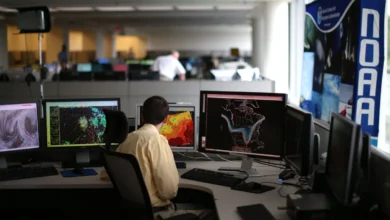
- The Scale of Costs: Recent studies from the National Oceanic and Atmospheric Administration (NOAA) suggest that the United States has seen a dramatic increase in "billion-dollar disasters" directly or indirectly linked to climate variability, with costs often falling on local taxpayers.
- Tobacco Parallels: The 1998 Tobacco Master Settlement Agreement resulted in an annual payment of over $200 billion from tobacco companies to states, a precedent that plaintiffs hope to emulate in the climate space.
- Industry Spending: Fossil fuel companies have historically invested billions in public relations and marketing, a primary focus of the "deception" theory central to Boulder’s argument.
Reactions and Broader Implications
Legal experts observing the case suggest that the court’s decision will hinge on how the justices define the scope of the "regulatory" nature of these suits. Erika Kranz, an attorney with Harvard Law School’s environmental and energy law program, noted that while the court may be inclined to shield major corporations from massive liability, the path to such a ruling is not clear-cut.
"The outcome depends on whether the justices view these suits as a legitimate tool for accountability or an overreach into the domain of the executive and legislative branches," Kranz said.
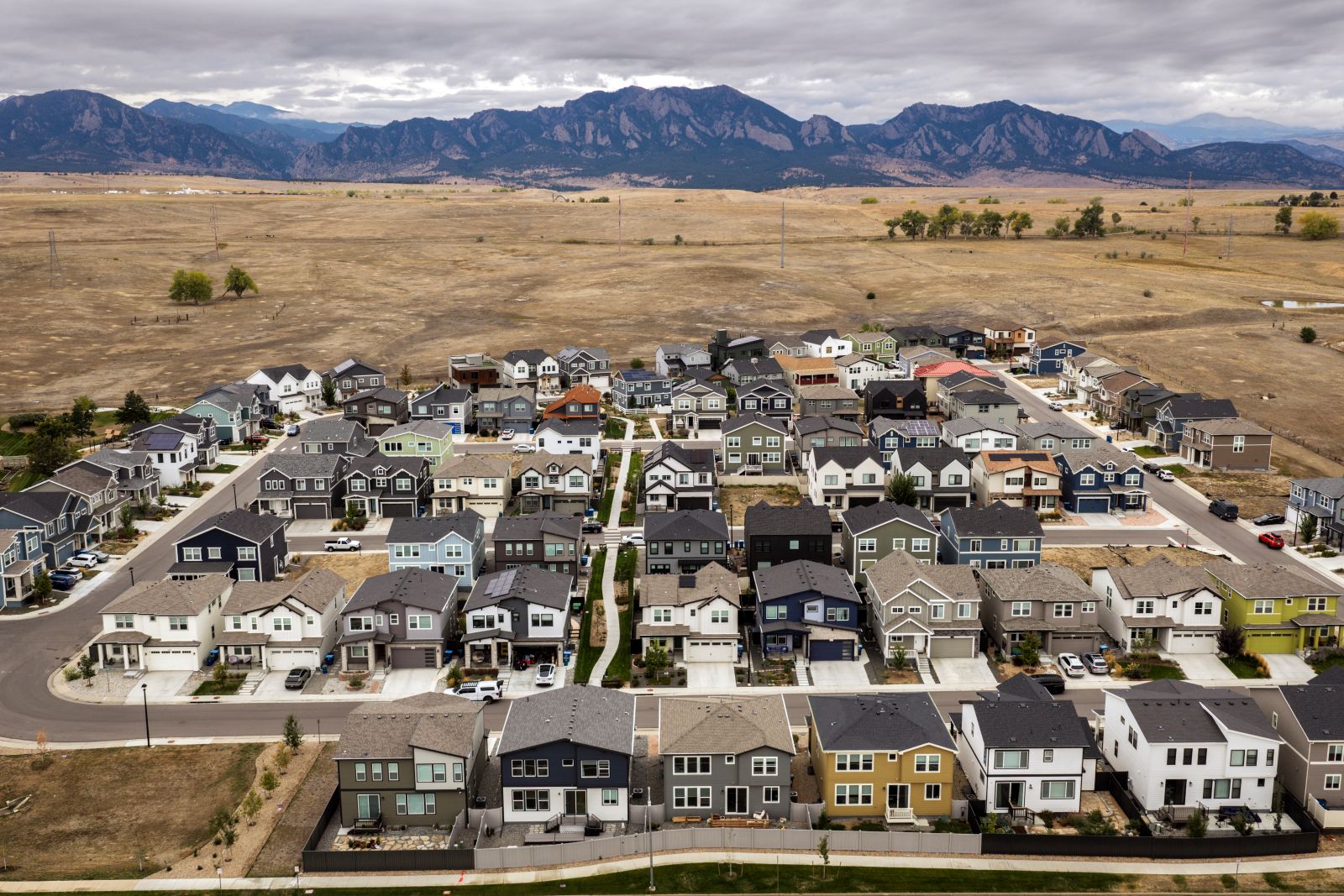
If the Supreme Court rules in favor of the oil companies, it could effectively end the current wave of climate litigation by establishing that state courts are not the proper venue for such claims. If, however, the court allows the case to proceed—perhaps by declining to intervene or issuing a narrow ruling—it would provide a massive legal victory for cities and states, likely prompting a surge in similar filings across the country.
The Path Forward
As the court deliberates, the atmosphere in the legal community remains one of intense anticipation. A ruling is not expected for several months. For the city of Boulder, the wait represents a fight for the resources needed to adapt to a changing environment. For the oil and gas industry, it represents a fight for the fundamental stability of their business model.
Whatever the final decision, the case has underscored a sobering reality: the American legal system is increasingly being tasked with resolving the most complex environmental, economic, and social issues of the modern era. Whether the judiciary is equipped to manage the fallout of a changing climate—or whether that burden belongs to Congress—remains the central, unanswered question of the 2026-2027 term.
The justices are currently weighing a variety of rationales, including the original intent of the Clean Air Act and the constitutional authority of states to apply their laws to conduct occurring outside their borders. With the world watching, the Supreme Court is poised to set a precedent that will resonate through the halls of government and corporate boardrooms alike, defining the legal boundaries of climate responsibility for decades to come.