The Great Gridlock: Why Congress is Racing to Overhaul America’s Energy Permitting Process

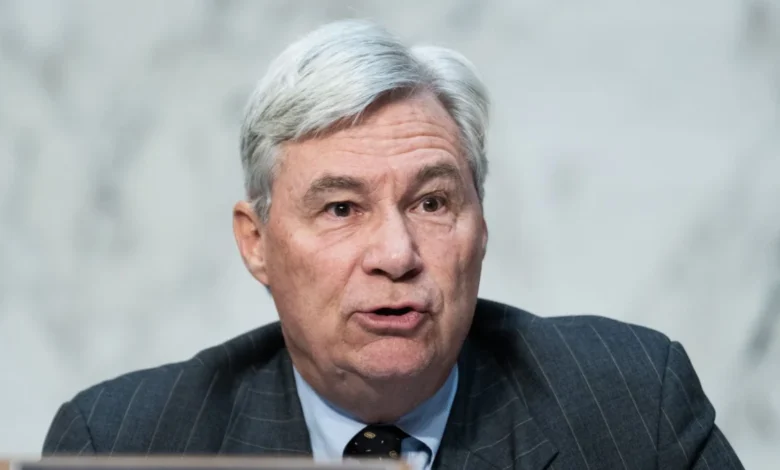
As the midterm election cycle nears its crescendo, the halls of the U.S. Capitol are abuzz with a frantic, bipartisan push to finalize a legislative overhaul of the nation’s energy permitting process. This effort, driven by an urgent need to modernize the power grid, aims to slice through the bureaucratic red tape that has long stifled the construction of energy infrastructure. While lawmakers from both sides of the aisle agree that the current system is fundamentally broken, the path toward a deal remains fraught with political landmines, particularly as the meteoric rise of energy-hungry data centers complicates the public narrative.
A Legislative Bottleneck
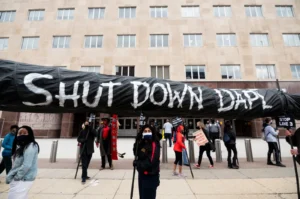
The current federal permitting landscape is a patchwork of complex environmental reviews, multi-agency hurdles, and endless litigation. For decades, the process has been characterized by what industry stakeholders describe as a "constipated" system. Whether it is a proposed wind farm in the Midwest, a natural gas pipeline in Appalachia, or a massive transmission line spanning state borders, the path from inception to "plug-in" can take over a decade.
Legislators have attempted to rectify these inefficiencies for years. The failed Energy Permitting Reform Act of 2024 served as a cautionary tale for those currently at the negotiating table. That bill managed to clear committee hurdles but ultimately withered before it could secure a floor vote in the Senate. The current iteration, however, carries significantly more momentum. With the highest-ranking members of the Senate’s energy-related committees actively drafting language, the urgency is palpable.
The Catalyst: An Electrified Economy
The sudden fervor for reform is not merely a matter of bureaucratic preference; it is a response to a looming energy crisis. The United States is currently experiencing an unprecedented surge in electricity demand. This demand is being driven by three primary vectors: the widespread electrification of residential and commercial heating, the rapid adoption of electric vehicles, and a massive, AI-driven expansion of the tech industry’s data center footprint.
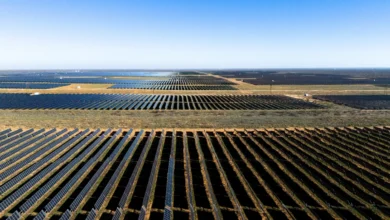
For years, energy efficiency gains—such as the transition to LED lighting and more efficient appliances—kept national electricity consumption relatively flat. That era has ended. According to the U.S. Energy Information Administration (EIA), solar power and battery storage are projected to account for nearly 80 percent of new utility-scale power capacity in 2026. However, these intermittent sources require robust transmission infrastructure to reach the hubs where power is needed most. Without a streamlined permitting process, the transition to a cleaner, electrified economy remains stalled.
The Data Center Dilemma
While policymakers view infrastructure investment as a national security imperative, they face a significant public relations challenge. Data centers—the physical backbone of the AI revolution—have become a "toxic" subject for voters. Public opinion research, including recent data from Redbud Consulting, indicates that opposition to large-scale data center projects is bipartisan and deeply entrenched.
This creates a "political bind" for lawmakers. They are desperate to facilitate the grid expansion necessary for AI and manufacturing growth, yet they fear being seen as the architects of a policy that prioritizes Silicon Valley over local communities. When reformers frame permitting reform as a tool to facilitate data center expansion, support for the legislation craters. Conversely, when framed as a means to lower energy costs or advance renewable energy, the policy enjoys broad public support.
The Geopolitical Dimension: Competing with China
Beyond domestic energy needs, there is a mounting fear among Washington policymakers that the U.S. is losing its edge in the global economic race. During mid-September’s Clean Energy Week, officials from both parties emphasized that "red tape" is effectively handicapping the American energy sector, allowing competitors like China to pull ahead.
Senator Rick Scott (R-FL) and other proponents of the bill have frequently cited the need for "energy dominance" as a core justification for reform. The argument is simple: if the United States cannot build infrastructure at the pace required by modern industry, its ability to maintain its technological and military lead will be severely compromised. However, pollster Alex Lundry warns that the "China threat" narrative is losing its efficacy with the average voter, who is more concerned with the sticker price of their monthly utility bill than with international power dynamics.
The Trump Administration’s Pivot
A significant variable in the ongoing negotiations is the stance of the White House. President Donald Trump has recently signaled a willingness to soften his opposition to renewable energy projects, provided that the deal includes broader concessions on permitting that benefit fossil fuel development. This "grand bargain"—trading renewable wind and solar acceleration for a simplified path for natural gas—is the cornerstone of the current negotiations.
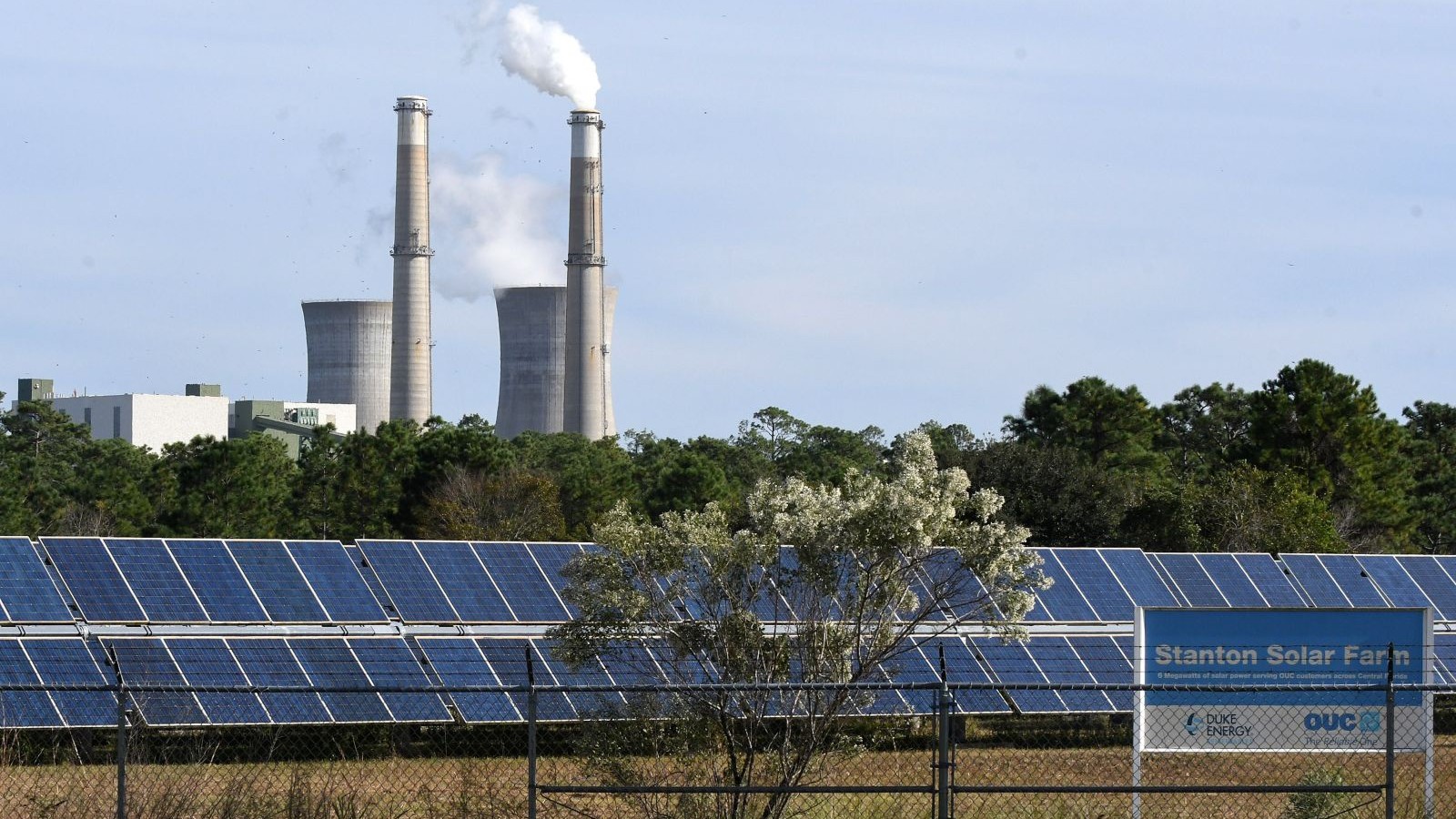
However, trust remains a commodity in short supply. Democratic lawmakers, including Senator Sheldon Whitehouse (D-RI), have expressed concerns that even if the law is changed to favor renewables, the executive branch could theoretically continue to obstruct projects through agency-level maneuvers. "We need just a bit more clarity on exactly what a return to regular order for wind and solar projects looks like," Whitehouse noted, highlighting the skepticism that persists despite the administration’s overtures.
Potential Scope of the Reform
While the draft bill remains under wraps, industry analysts expect it to tackle three main pillars:
- Environmental Review Streamlining: Reducing the scope of impact studies required by the National Environmental Policy Act (NEPA).
- Regulatory Thresholds: Loosening specific requirements under the Clean Water Act and the Endangered Species Act that currently serve as primary bottlenecks for transmission lines.
- Litigation Protection: Shortening the window for judicial challenges once a permit has been issued, preventing projects from being tied up in court for years after approval.
Broader Implications and Future Outlook
The House of Representatives has already attempted to address the public’s frustration with data centers by passing legislation—currently stalled in the Senate—that would encourage states to require tech companies to fund their own dedicated power generation. This reflects a growing desire in Washington to insulate the average ratepayer from the costs associated with the tech industry’s massive power footprint.
The fate of the broader permitting bill remains in flux as Congress heads toward the midterm elections. While some analysts believe the legislation is "must-pass" for the sake of the grid, others suggest that the political environment will only grow more hostile to major legislative efforts as the electoral cycle reaches its peak.
If the Senate fails to pass a bill before the end of the year, the legislative landscape will likely reset in 2027. Should the balance of power in Congress shift, the current bipartisan consensus on permitting—which relies on a fragile alliance between climate-conscious Democrats and growth-focused Republicans—could fracture.
In the meantime, the U.S. remains at a crossroads. The transition toward a 21st-century energy grid requires more than just new technology; it requires a new way of doing business with the federal government. Whether the current cadre of lawmakers can overcome their ideological divides, the public’s skepticism, and the complexities of the regulatory state remains the defining question of the current legislative session. The stakes are high: a failure to act could mean continued grid instability, higher energy costs for families, and a significant setback in the race to maintain American industrial competitiveness.