Bipartisan Resistance Halts Ocean Research Dismantling as Climate Monitoring Programs Face Uncertain Funding Future

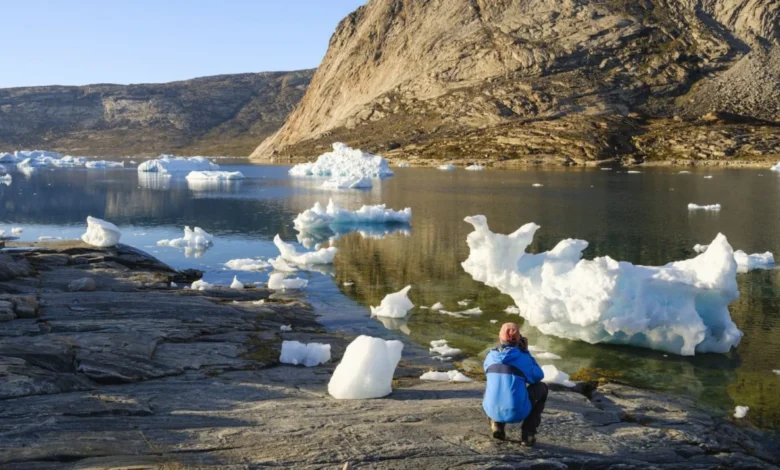
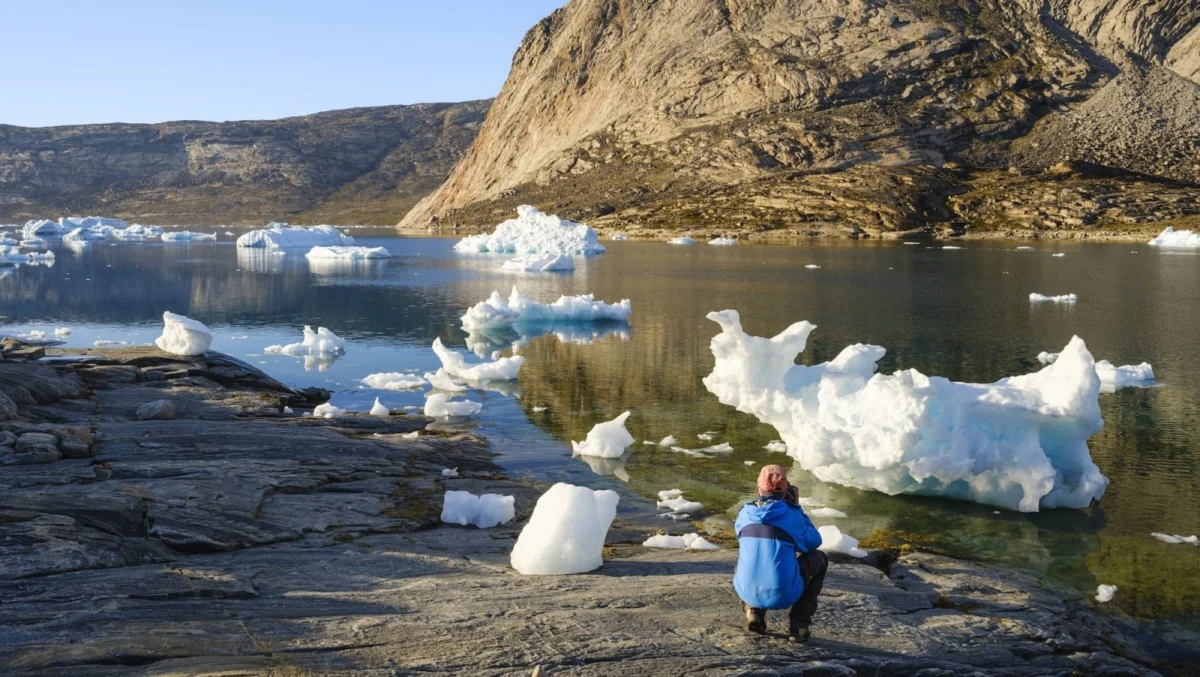
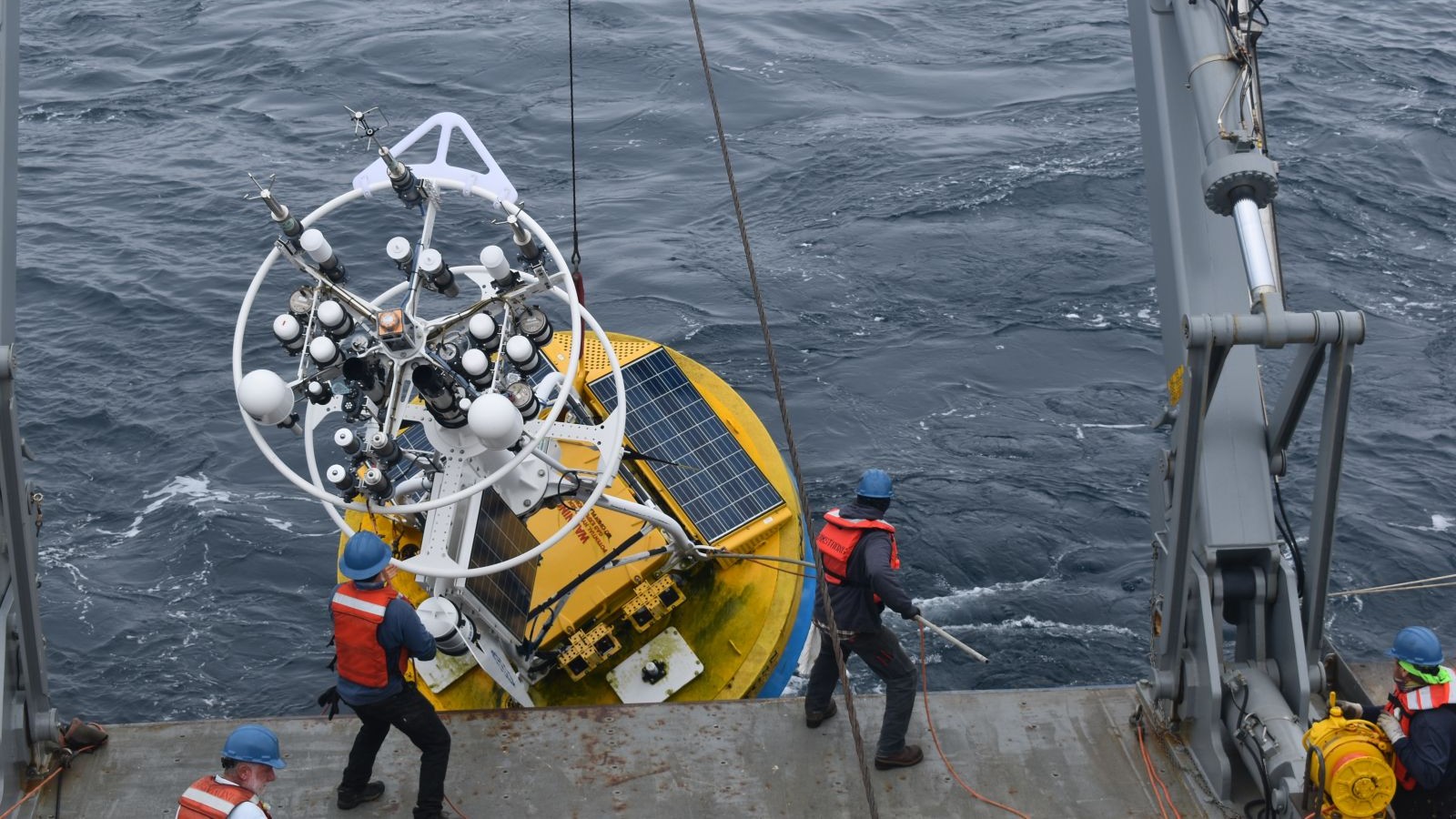
In a significant reversal of federal science policy, the National Science Foundation (NSF) has halted the dismantling of a massive network of ocean sensors following a wave of bipartisan pushback from the United States Senate. The decision to preserve the Ocean Observatories Initiative (OOI) comes after the Trump administration had initially moved to withdraw hundreds of sophisticated scientific instruments from critical maritime regions, including the Pacific Northwest, the North Carolina coast, and the Irminger Sea south of Greenland. The sudden shift underscores a growing tension between the executive branch’s efforts to scale back climate-related research and a legislative coalition determined to protect the data streams that support global climate modeling, commercial fishing, and coastal disaster preparedness.
The OOI, a multimillion-dollar project that began full operations in 2016, represents one of the most ambitious attempts to provide real-time, high-resolution data on planetary dynamics. Its sensors track everything from undersea volcanic activity and tectonic shifts to the gradual warming and acidification of the world’s oceans. While the administration had argued that pulling the sensors was a necessary budgetary measure to redirect funds, the scientific community and several high-ranking lawmakers characterized the move as a self-inflicted wound to American scientific leadership.
The Legislative Intervention and NSF Reversal
The attempt to decommission the OOI was met with immediate resistance in Washington. Senator Jeff Merkley, a Democrat from Oregon, and Senator Lisa Murkowski, a Republican from Alaska, spearheaded a legislative measure designed to block the NSF from using federal funds to dismantle the arrays. The bipartisan nature of the support was rooted not only in environmental concerns but in the practical economic value the OOI provides to coastal states.
In a public statement following the NSF’s announcement that it would stop the removal process and reinstall equipment already taken out of the water, Senator Merkley labeled the initial plan as "supreme stupidity." He emphasized that the data provided by the OOI is essential for fishermen who need to understand changing ocean conditions and for coastal communities preparing for the impacts of a warming climate. This intervention follows a pattern where Congress has acted as a stabilizer for scientific programs; in recent years, lawmakers have successfully moved to preserve funding for various agencies and environmental initiatives, such as the Energy Star program, which had also been targeted for elimination.
Despite this reprieve for the OOI, the broader landscape of American oceanography remains precarious. The NSF and the National Oceanic and Atmospheric Administration (NOAA) are navigating a period of fiscal volatility that has left several other "blue ribbon" research programs on the brink of collapse.
The Argo Program: A Global Network "Going Dark"
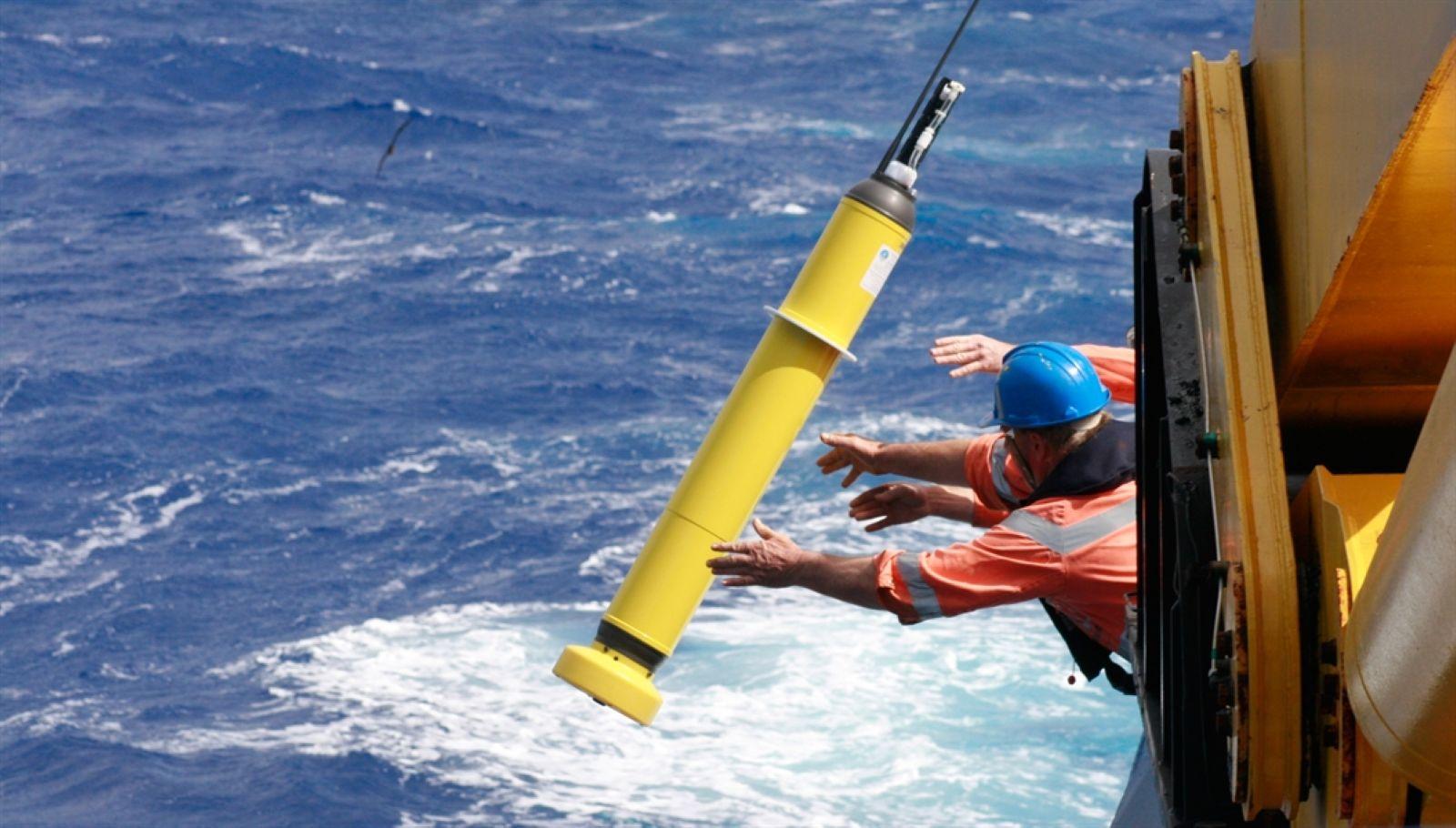
While the OOI has secured a temporary victory, the Argo program—often described as the backbone of global ocean monitoring—is facing what researchers describe as a "funding cliff." Since its inception over 25 years ago, the Argo program has deployed a fleet of nearly 4,000 robotic floats that drift throughout the global ocean. These floats perform a repetitive cycle: they descend to depths of 2,000 meters, drift for ten days, and then ascend to the surface, transmitting data on temperature and salinity to satellites before diving again.
Lynne Talley, a professor at the Scripps Institution of Oceanography and a leading figure in the Argo initiative, has warned that the program is at risk of "going dark." The primary issue is the replacement rate of the hardware. The floats are battery-powered and typically have a lifespan of about five years. To maintain the density of the network required for accurate climate forecasting, the U.S. must consistently deploy new units. However, stagnant funding at NOAA has caused the pace of deployment to fall behind the rate of instrument failure.
The situation is even more dire for the biogeochemical (BGC) portion of the Argo network. These specialized floats are equipped with sensors to measure ocean acidity, oxygen levels, and chlorophyll—data points that are vital for understanding the carbon cycle and the health of marine ecosystems. The BGC-Argo expansion, which was initially funded by the NSF, saw its financial support expire last year. Without a new funding plan, the final floats from the current inventory will be deployed this fall, after which the network will begin to contract.
The AMOC Threat: Monitoring the Atlantic’s "Conveyor Belt"
Beyond the OOI and Argo, the scientific community is deeply concerned about the future of two major initiatives focused on the Atlantic Meridional Overturning Circulation (AMOC). The AMOC is a massive system of deep-water currents that acts as a global conveyor belt, transporting warm water from the tropics to the North Atlantic. This process is responsible for the relatively mild climate of Western Europe and influences sea levels along the U.S. Eastern Seaboard.
Climate models have long suggested that the AMOC could slow down or even collapse due to the influx of freshwater from melting glaciers in Greenland. Such a collapse would be catastrophic, leading to rapid sea-level rise in cities like New York and Boston and a dramatic cooling of temperatures in Europe. To study this risk, two major research programs—OSNAP (Overturning in the Subpolar North Atlantic Program) and RAPID—have installed arrays of moorings across the Atlantic to monitor the current’s strength in real-time.
Susan Lozier, an oceanographer and dean at Georgia Tech University who co-leads OSNAP, noted that these programs are currently the world’s best hope for understanding the stability of the AMOC. However, U.S. participation in these international efforts depends on federal grants that are scheduled to expire at the end of next year. Lozier reported that a proposal for renewed funding has been sitting with the NSF for over a year without a definitive response.
The uncertainty surrounding AMOC research is particularly troubling because the system is known for its high natural variability. Scientists need decades of continuous data to distinguish between normal year-to-year fluctuations and a long-term, climate-driven decline. A gap in monitoring now would effectively "reset the clock" on our understanding of one of the planet’s most dangerous tipping points.
Economic and Strategic Implications of Data Loss
The debate over ocean research funding is often framed as a purely scientific or environmental issue, but the implications extend into the realms of national security and economic stability. The data produced by the OOI and Argo networks is used by the U.S. Navy for acoustic modeling and by the National Weather Service to improve hurricane intensity forecasts. In the private sector, the commercial fishing industry relies on oceanographic data to track the migration of stocks like salmon and crab, which are highly sensitive to temperature changes and hypoxia (low oxygen levels).
Furthermore, the U.S. has historically been the undisputed leader in ocean science, contributing roughly half of the global Argo fleet. As U.S. funding remains stagnant or declines—geoscience funding at the NSF has reportedly fallen by more than 50% compared to previous cycles—other nations and entities, such as the European Union, are being forced to decide whether to fill the gap or allow the global monitoring system to degrade.
"We have been the leaders in these ocean observations for many decades, and we are losing ground," Talley said. The concern among experts is that once the physical infrastructure of these programs is lost, it cannot be easily or cheaply replaced.
A Contrast in Methodology: 2018 vs. Present
This is not the first time the OOI has faced budget cuts. In 2018, during the first term of the Trump administration, the program underwent a downsizing. However, oceanographer Jaime Palter of the University of Rhode Island points out that the 2018 process was "fundamentally different" from the recent attempt. The earlier cuts were managed through a transparent, multi-year process involving consultations with the National Science Board and the broader scientific community. This allowed researchers to prioritize which sensors were most vital and ensured that the saved funds were redirected to other high-priority oceanographic work.
In contrast, the recent attempt to pull sensors was described as abrupt and lacking a strategic roadmap. Critics argue that the speed of the planned dismantling would have left no time for the scientific community to adapt, potentially resulting in the permanent loss of unique, long-term data sets.
Conclusion: The Work of a Generation
The reversal of the NSF’s decision regarding the OOI has provided a glimmer of hope for researchers, but it has not dissipated the overall sense of crisis. The "funding cliff" facing the Argo and AMOC programs remains a looming threat. As the climate continues to change at an accelerating pace, the demand for high-quality ocean data has never been higher, yet the stability of the platforms providing that data has rarely been more uncertain.
As Jaime Palter observed, the physical act of removing a sensor from the ocean can be done in a matter of days, but the institutional knowledge, international partnerships, and technical expertise required to maintain these networks take decades to build. "Destroying those capabilities can happen swiftly," she warned. "Rebuilding would be the work of a generation."
For now, the OOI is slated to continue for at least another decade, thanks to the intervention of a bipartisan group of senators who recognized that in the 21st century, ocean data is as much a part of national infrastructure as roads and bridges. Whether that same recognition will be extended to the Argo and AMOC programs before their funding expires remains the defining question for the future of American oceanography.