The Tragic Collapse of Matthew Mayich and the Growing Crisis of Exertional Heat Stroke in College Athletics

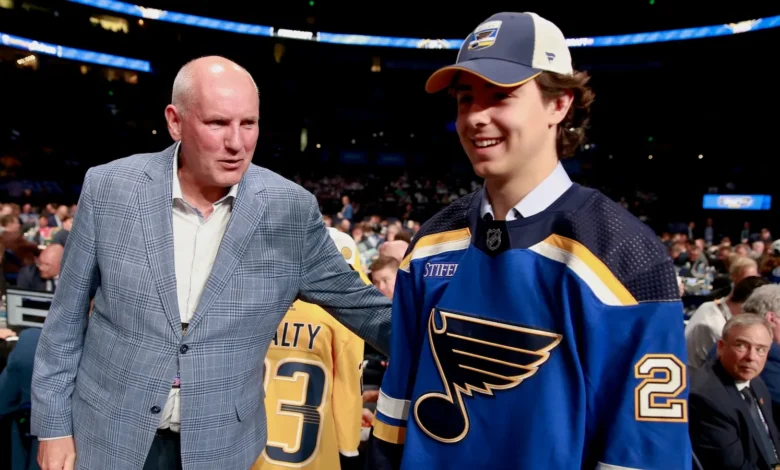
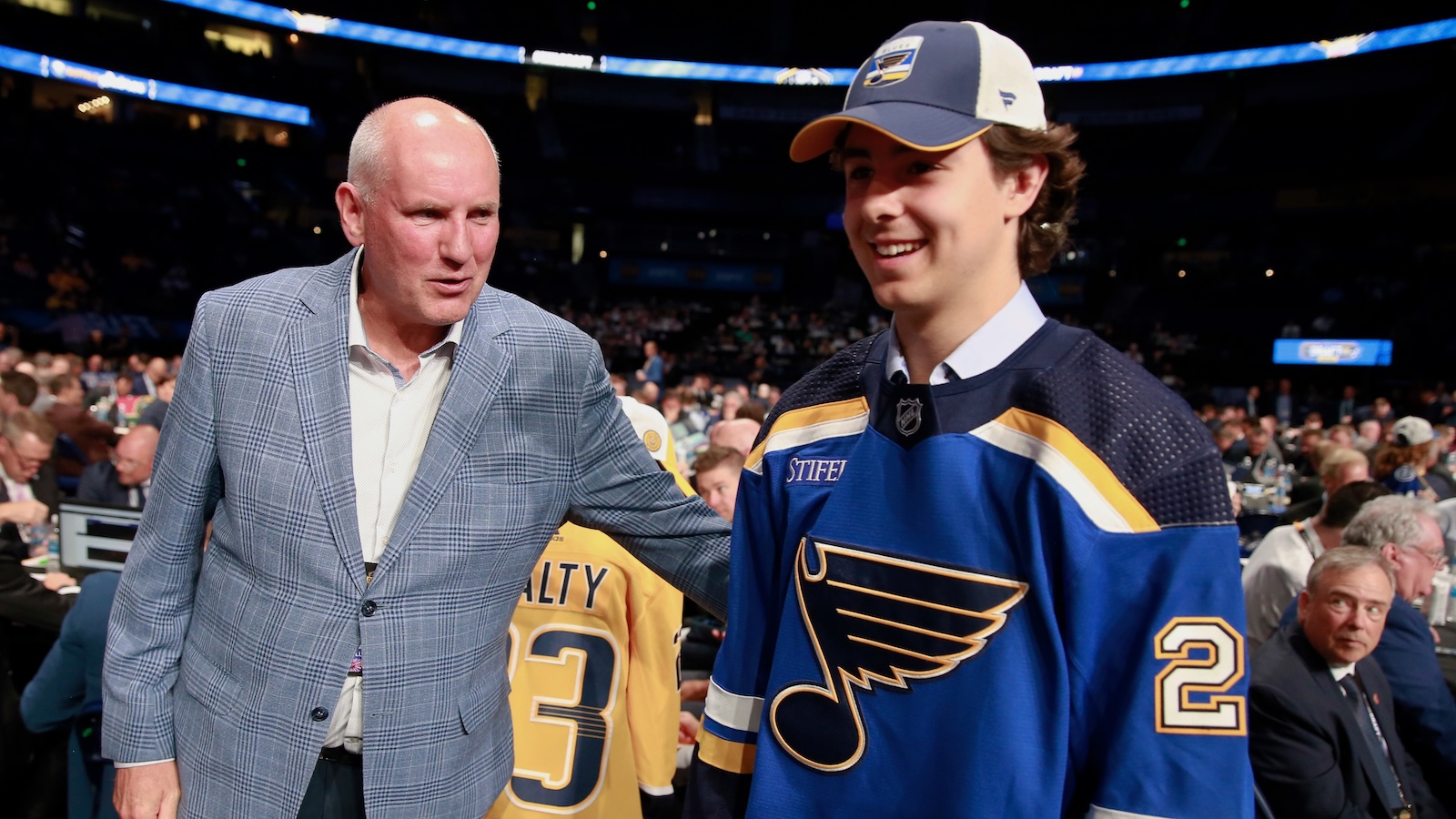
On the morning of August 20, the Arizona State University (ASU) Sun Angel Stadium in Tempe served as the backdrop for a catastrophic event that has ignited a national conversation regarding the safety protocols of student-athletes in an era of unprecedented global heat. Matthew Mayich, a 21-year-old hockey prospect with the St. Louis Blues and a recent transfer to the ASU program, collapsed during an early-morning training session conducted under the direction of an outside consultant. As of late October, Mayich remains in critical condition, hospitalized after what legal counsel for his family, Robert Carey, has described as a life-threatening episode of exertional heat stroke.
The incident has triggered widespread scrutiny of the university’s internal safety policies, the oversight of high-intensity training, and the broader institutional failures that experts argue are becoming increasingly common as climate change renders traditional athletic schedules inherently more dangerous.
A Chronology of the August 20 Training Session
The intensity of the morning began shortly after 7:00 a.m., when the temperature in Tempe was already climbing through the mid-80s. According to an internal timeline released by Arizona State University, the hockey team participated in a rigorous, 45-minute circuit of high-impact exercises. The session was led by guest trainer Tim Ziesel, a former Green Beret, and included a series of grueling physical demands: push-ups, planks, flutter kicks, bear crawls, squats, sprints, and buddy-carries.
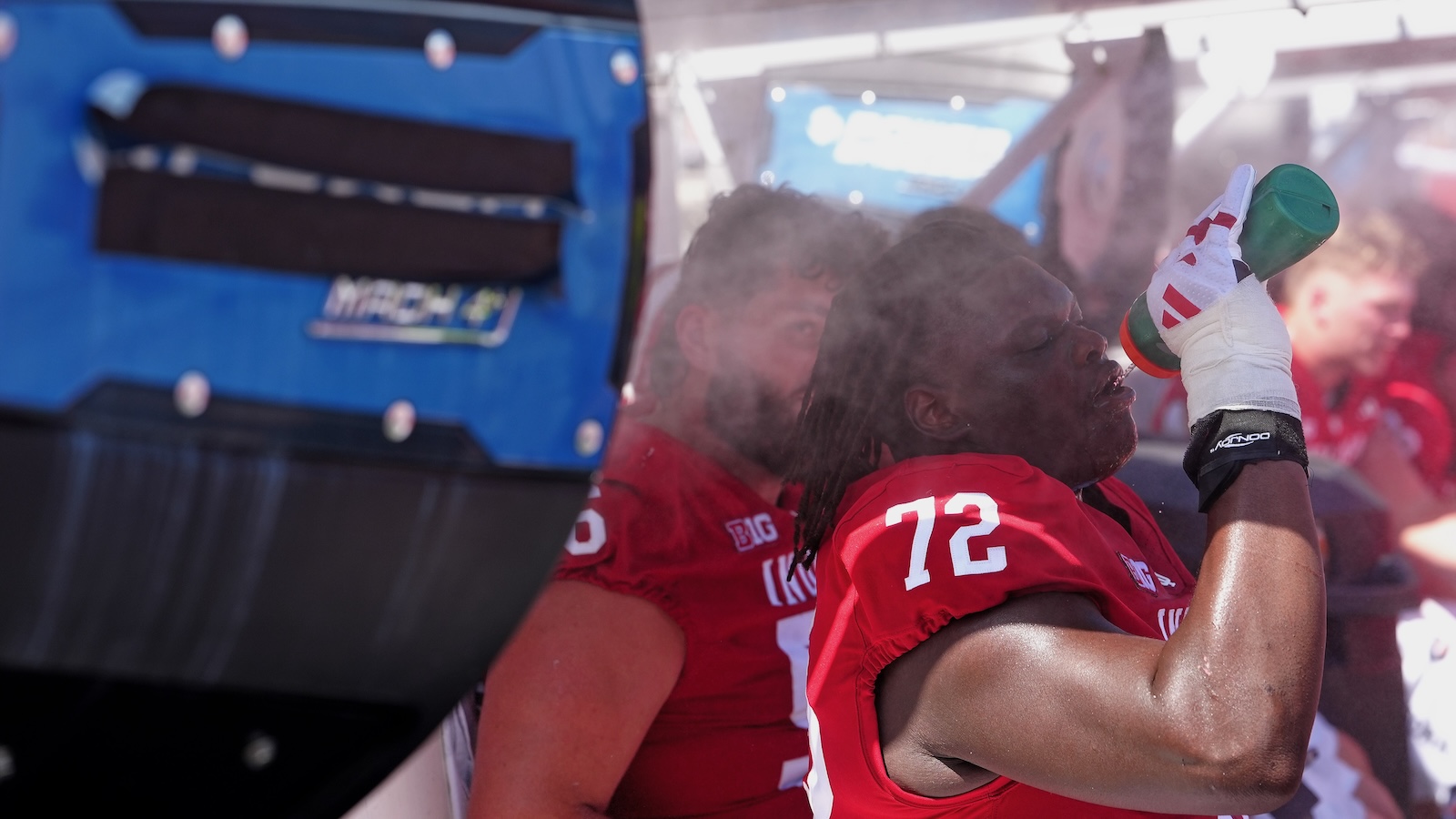
Witness accounts provided in a subsequent anonymous letter from seven of Mayich’s teammates challenge the university’s official narrative. The players assert that the session actually lasted 75 minutes, not 45, and that the intensity was maintained even as athletes began to show visible signs of physical distress.
The tipping point occurred during the final exercise: a medicine ball run. As temperatures neared 90 degrees Fahrenheit, Mayich began to display clear symptoms of physiological failure. He stumbled, dropped the heavy ball, and fell to the turf. When he attempted to regain his footing, he fell again, showing signs of severe disorientation. Teammates reported that his speech was unintelligible and his lips had turned gray—classic clinical indicators of a core body temperature reaching a critical, life-threatening threshold.
Despite these warning signs, the response on the field was fragmented. For 17 minutes, Mayich remained on the hot turf while staff attempted to cool him with ice towels, water bottles, and a garden hose. These measures proved insufficient. By the time emergency responders arrived and transported him to the hospital, the window for rapid, effective cooling—essential for survival in heat stroke cases—had significantly narrowed.
The Science of Heat Stroke and the Failure of Prevention
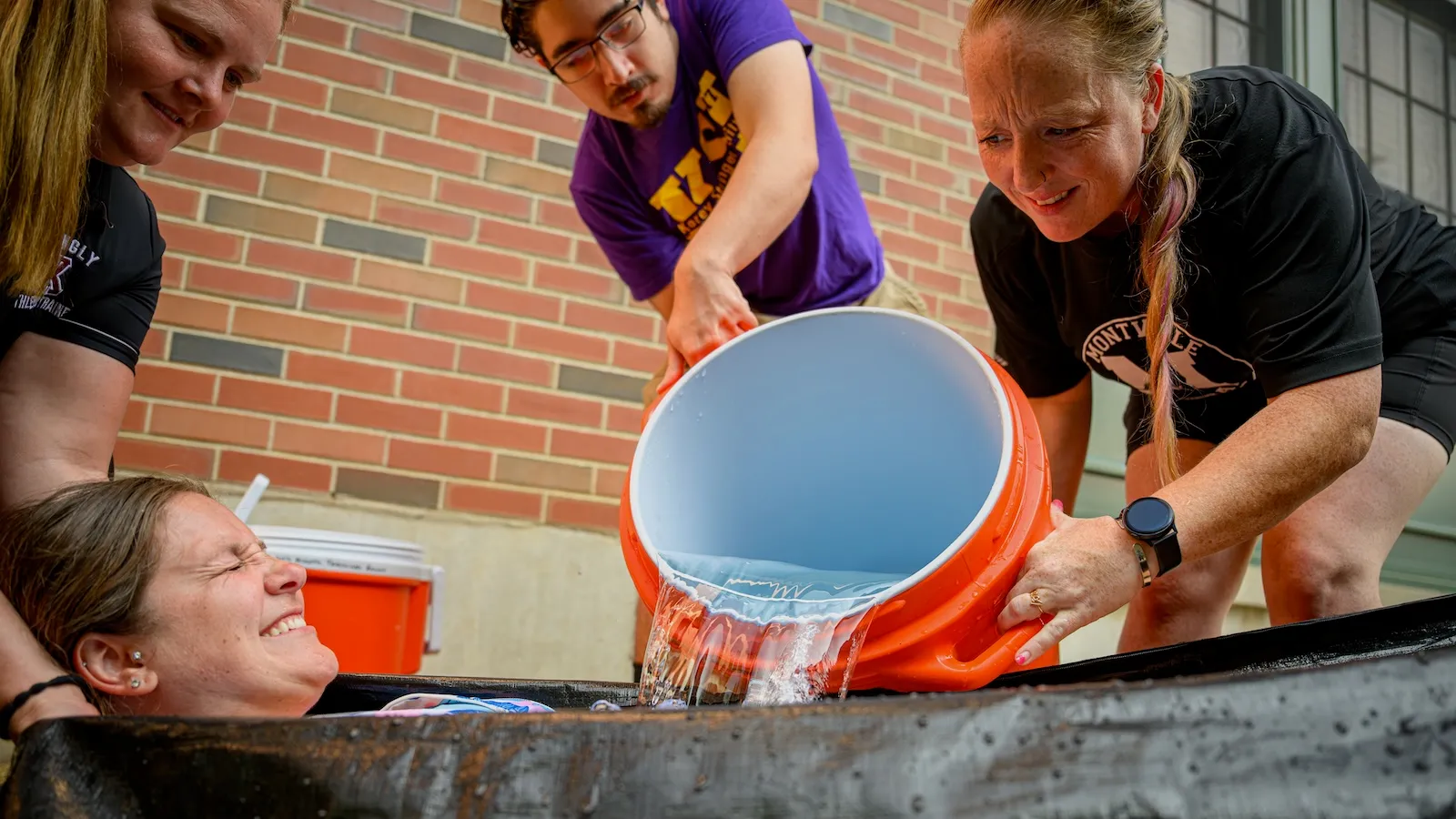
Exertional heat stroke (EHS) is a medical emergency defined by a core body temperature exceeding 104 degrees Fahrenheit, accompanied by central nervous system dysfunction. According to Doug Casa, CEO of the Korey Stringer Institute at the University of Connecticut, the gold standard for treatment is cold-water immersion.
"The cooling rates are astronomical when using an immersion tub," Casa explained. "We can get their temperatures down so fast that the potential for permanent organ damage or death is drastically reduced."
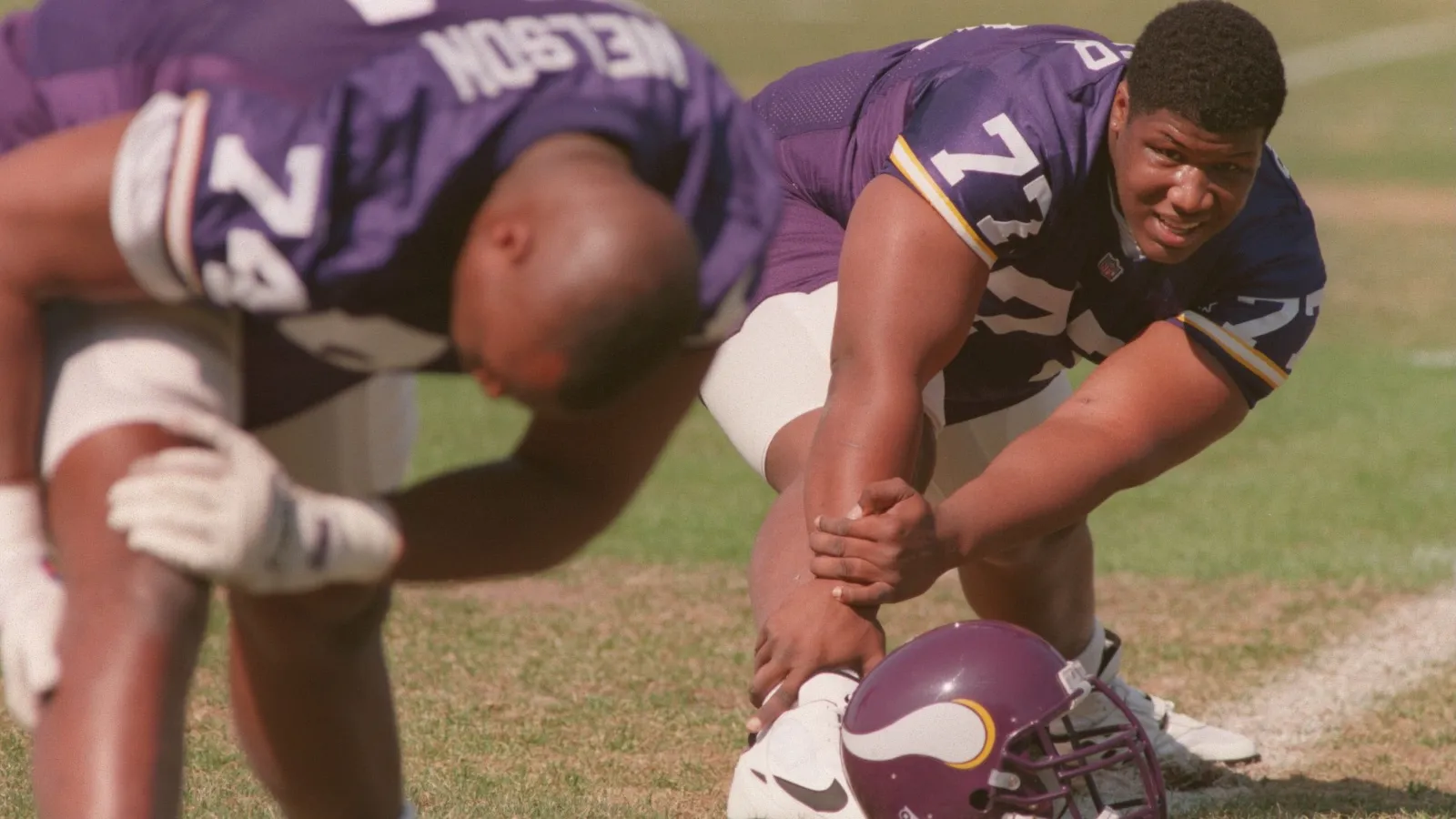
The Korey Stringer Institute, named after the Minnesota Vikings lineman who died of heat stroke in 2001, has spent decades advocating for the presence of immersion tubs on every practice field. The fact that an ASU hockey practice—in the desert climate of Arizona—proceeded without such a tub on the field is, according to many safety experts, a fundamental failure of duty.
The university’s own policy, while complex and layered with "shoulds" and "mays," purportedly contained provisions for heat safety that were not met. Teammates noted that no Wet Bulb Globe Temperature (WBGT) instrument was on-field to measure the actual heat stress index, which accounts for humidity, solar radiation, and wind. Instead, the university relied on data from a weather station a mile away, which researchers at the same institution have previously warned is an inaccurate way to gauge conditions on a synthetic turf field, which can reach temperatures far exceeding ambient air temperature.
Institutional Response and Accountability
The fallout from the event has been slow but significant. Following public pressure and the damning letter from Mayich’s teammates, Arizona State University placed head coach Greg Powers on paid leave on September 23, more than a month after the incident.
In a statement released shortly after the collapse, John and Christina Mayich, Matthew’s parents, demanded transparency: "We want accountability for what happened to our son. We want the truth."
ASU has since appointed former Arizona Supreme Court Chief Justice Scott Bales to lead an independent review of the university’s athletic policies and response protocols. While the family has welcomed the appointment, their attorney, Robert Carey, has urged the university to expand the mandate of the investigation to specifically address why established safety policies were bypassed during the August 20 session.
The university’s position remains guarded. While officials declined interviews, they have highlighted their commitment to heat safety, even as the irony persists: just days after Mayich’s collapse, the university hosted a symposium to launch its new Center for Heat Preparedness. During the event, officials spoke about the dangers of extreme heat, yet the university’s own internal practices regarding its athletes remain under a cloud of legal and ethical doubt.
The Broader Landscape: A National Pattern
The tragedy of Matthew Mayich is not an isolated event. It is part of a recurring pattern of preventable athletic deaths. In early September 2026, just a week after Mayich was hospitalized, a University of Iowa band member named Derek Phillips collapsed during a football game played in 90-degree heat and subsequently passed away.
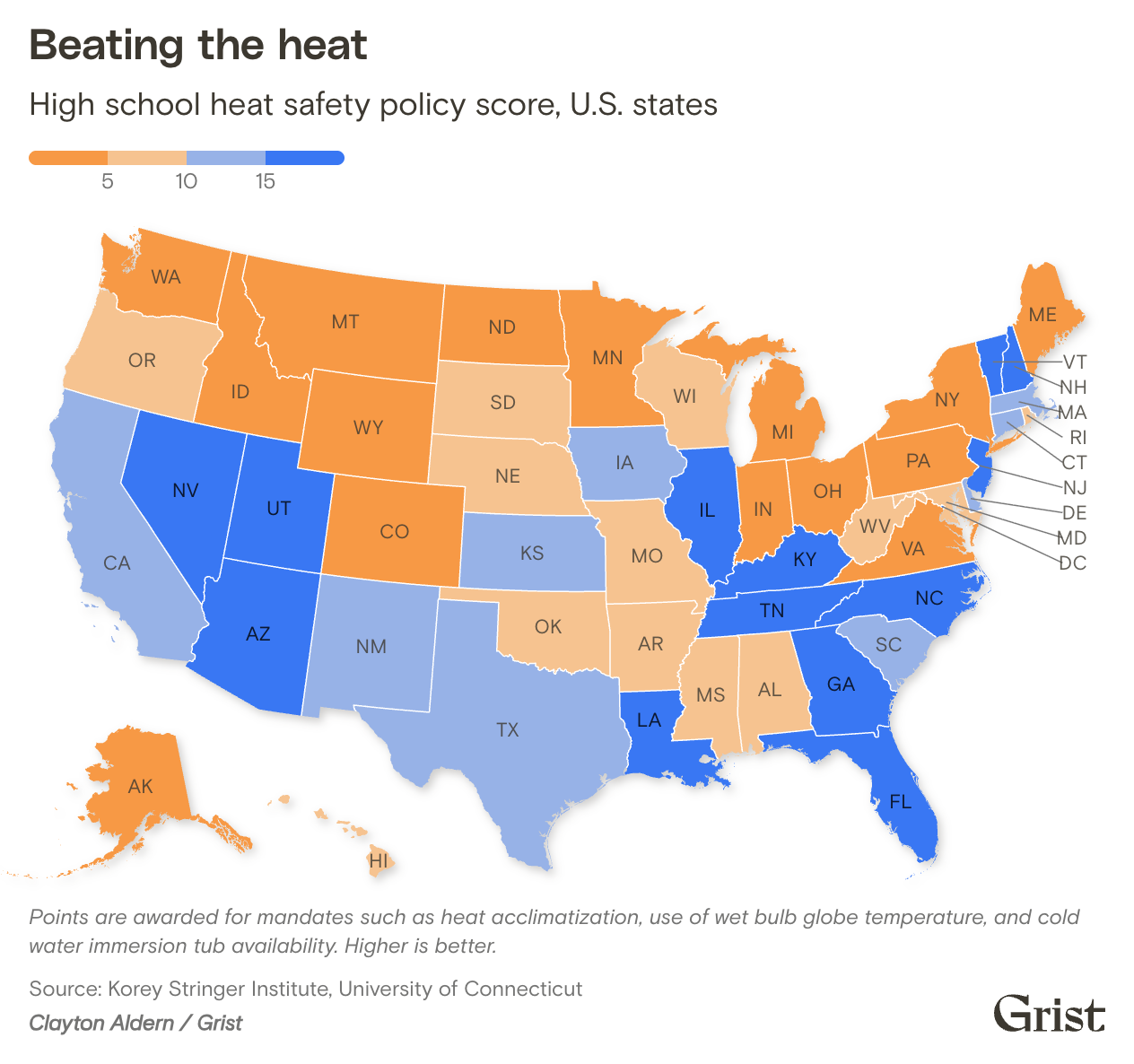
Data from the Korey Stringer Institute shows a stark disparity in how states and institutions handle heat safety. While states like Georgia have successfully reduced heat-related fatalities by implementing mandatory WBGT monitoring and strict acclimatization schedules, other regions rely on voluntary guidelines that are frequently ignored in the pursuit of "competitive edge."
The lack of federal regulation exacerbates this issue. Because there is no overarching mandate for heat safety in sports, the implementation of best practices is left to the discretion of individual coaches, trainers, and athletic departments. This "Wild West" environment, as described by pediatrician Dr. Michele LaBotz, leaves athletes at the mercy of institutional culture.
Implications for the Future of College Sports
As climate change continues to increase the frequency and duration of extreme heat waves, the traditional "fall camp" or "pre-season" model of college athletics is becoming increasingly untenable. Synthetic turf, which is now ubiquitous in modern stadiums, serves as a heat sink, creating microclimates on the field that are far more dangerous than the official weather reports would suggest.
For the NCAA, the challenge is to move beyond "recommendations" and toward enforceable mandates. Experts argue that until institutions are held financially and professionally accountable for failing to follow heat safety protocols—such as the mandatory presence of cold-water immersion tubs and on-field WBGT monitoring—young athletes will continue to be at risk.
The case of Matthew Mayich serves as a harrowing reminder that the physiological limits of the human body have not evolved, even as the intensity of athletic training and the severity of the climate have shifted. As the independent review by Scott Bales proceeds, the sports world awaits a definitive answer: will this tragedy serve as the final catalyst for mandatory, universal heat safety standards, or will the culture of athletic endurance continue to override the necessity of survival?
For the Mayich family, and for the teammates who witnessed the collapse, the answer cannot come soon enough. Their fight for the truth is not merely about one specific incident; it is a plea to ensure that no other family has to watch a young athlete’s future be extinguished on a practice field.