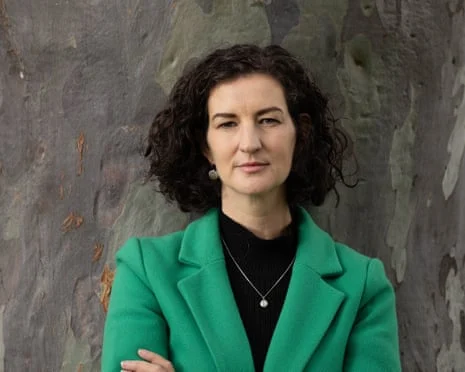
Newly released electoral returns from the Australian Electoral Commission (AEC) have revealed that independent candidate Michelle Milthorpe poured nearly $1.7 million into her high-profile byelection campaign against One Nation in the regional New South Wales seat of Farrer earlier this year. The financial disclosures provide an illuminating glimpse into the surging financial muscle of independent political movements outside of metropolitan capitals, highlighting how heavily contested regional electorates have become as grassroots organizations challenge traditional party lines.

Despite securing financial backing from more than 5,000 individual donors and the explicit support of high-profile regional independents like Helen Haines, Milthorpe ultimately fell short in her bid to claim the seat formerly held by senior Liberal figure Sussan Ley. In the final two-party preferred count, Milthorpe secured 42.45% of the vote, compared to 57.55% for One Nation’s David Farley. Nevertheless, the scale of her campaign expenditure underscores the transformative nature of modern Australian electoral politics, where well-funded independent challengers can mobilize millions of dollars to mount serious threats to established political entities.
Financial Breakdown and Major Donors
According to the data published by the AEC, Milthorpe’s total campaign expenditure reached $1,708,845, while her total income from donations and gifts amounted to $1,680,439. Crucially, the disclosures indicate that approximately 40% of the total funds raised—representing $670,653—surpassed the federal declaration threshold of $17,300, triggering mandatory detailed disclosures regarding her biggest financial backers.

The candidate’s top contributors reflect a broad coalition of progressive, regional, and climate-focused funding networks. The single largest donation came from the Regional Voices Fund Pty Ltd, which contributed $215,000 to bolster her campaign. This was followed by Keldoulis Investments Pty Limited, owned by Robert Keldoulis, which injected $117,000. Keldoulis is widely recognized as a major benefactor of Climate 200, the political funding vehicle instrumental in helping "teal" independents secure parliamentary representation across Australia. Other notable institutional contributions included $75,000 from Keep Them Honest Pty Ltd and $61,653 directly from Climate 200 Pty Limited.
In contrast, the returns filed for One Nation’s David Farley presented a starkly different financial footprint at this early stage. Because candidates endorsed by registered political parties are permitted to defer their detailed campaign spending reports until February of the following year—when annual party returns are officially published—Farley’s initial AEC filings recorded a modest expenditure of just $5,119 and zero recorded donations. Electoral analysts note that this figure is standard procedure for major and minor party candidates under current disclosure timelines and is widely expected to be revised significantly when comprehensive party returns are made public.

The Broader Context of Campaign Transparency and Political Discourse
The release of the Farrer byelection returns coincides with a broader, increasingly tense national conversation regarding campaign finance reform, political donations, and the deteriorating tone of public discourse in Australia. The high cost of modern campaigning—exemplified by Milthorpe’s $1.7 million war chest—has reignited long-running debates among minor parties and crossbenchers regarding the need for stricter caps on electoral spending and more rigorous transparency measures for donations originating from corporate entities and political funding syndicates.
This financial scrutiny runs parallel to rising anxieties over political safety and civility, which hit a fever pitch following an alleged attack on independent MP Helen Haines in her electorate. The incident prompted a rare moment of parliamentary unity, with Prime Minister Anthony Albanese leading bipartisan tributes and calls from across the political spectrum to lower the political temperature.

Senior government figures, including Defence Minister Richard Marles and Liberal Senator Anne Ruston, have publicly emphasized the necessity of maintaining robust yet respectful democratic debate. Speaking to media outlets, Senator Ruston noted that the behavior of federal parliamentarians inevitably sets the national benchmark for civic acceptable conduct, arguing that while holding governments accountable must remain fierce and unyielding, personal vitriol and abuse have no place in a healthy democracy.
The Digital Frontier: Rising Abuse and Regulatory Pressures
Compounding concerns over political stability, recent revelations regarding online harassment have placed social media giants and digital governance at the forefront of policy debates. A recent Australian Broadcasting Corporation (ABC) investigation utilized artificial intelligence tools to flag nearly 5,000 threats and violent comments directed at the social media accounts of just 22 Labor politicians over a three-month period.
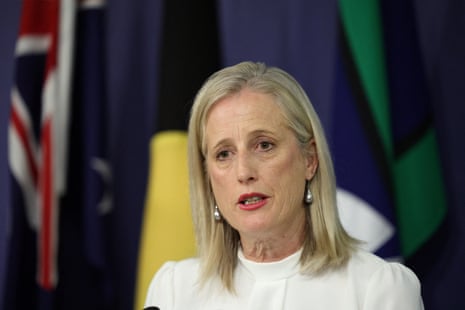
Minister for Women Katy Gallagher addressed the alarming escalation during a media appearance, declaring that the sheer volume and ferocity of online abuse directed at elected representatives has rendered digital platforms "out of control." Gallagher singled out Facebook as particularly deficient in content moderation compared to platforms like Instagram and TikTok, asserting that technology companies must face legal accountability if they fail to stem the tide of digital hostility.
This sentiment was echoed in parliamentary hearings by Department of the Prime Minister and Cabinet Secretary Steven Kennedy, who cautioned that female parliamentarians and public servants from First Nations backgrounds disproportionately bear the brunt of the most egregious forms of online vitriol. The disclosures underscore a growing institutional consensus that digital harassment is actively deterring diverse candidates and dedicated public servants from participating fully in public life.

Cyber Security and Strategic Preparedness
Beyond the domestic political arena, federal authorities have also had to grapple with intensifying external threats. Defence Minister Richard Marles used the release of the Australian Signals Directorate’s (ASD) annual cyber threat report to issue a stark warning to Australian businesses and critical infrastructure providers. The report advises organizations to prepare for unexpected disruptions to fundamental online services as hostile state and non-state actors increasingly leverage advanced artificial intelligence to rapidly identify and exploit digital vulnerabilities.
Marles stressed that legacy systems connected to the internet represent critical security liabilities, urging corporate entities to prioritize system "hardening" over immediate accessibility. The warning highlights the multifaceted challenges confronting the Albanese government, which must simultaneously navigate complex geopolitical tensions, domestic electoral reform, rising cybersecurity demands, and the immediate fallout of a polarized and increasingly volatile local political landscape.