The Long Road to Electrification: How One Neighborhood’s Advocacy Transformed Boston’s Fairmount Line

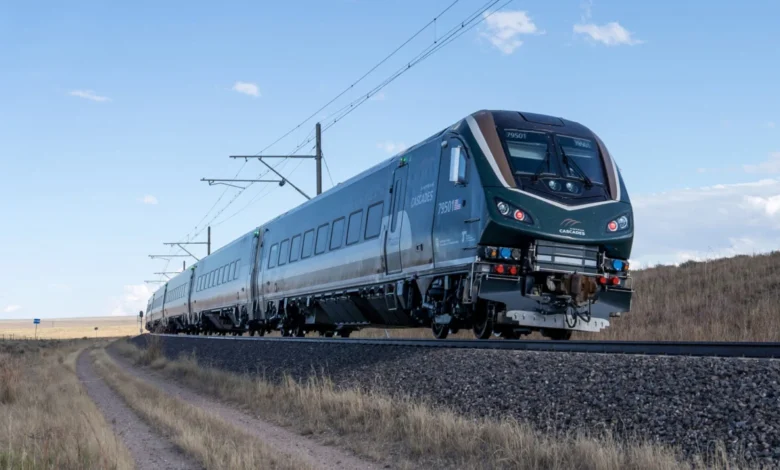
Decades of grassroots activism in Boston’s Dorchester neighborhood are finally culminating in a technological shift that promises to redefine urban transit. For Marvin Martin, a longtime resident and former head of the transit advocacy group Action For Equity, the sight of commuter trains bypassing his community for years served as a visceral reminder of systemic inequality. When those trains did pass through, they were often filled with commuters from outside the neighborhood, leaving local residents to rely on crowded, diesel-dependent buses. Today, the Massachusetts Bay Transportation Authority (MBTA) is finalizing plans to electrify the Fairmount Line, a 10-mile corridor that serves some of the city’s most diverse communities. The project, which involves a $765 million investment in battery-powered trainsets, marks a significant departure from the agency’s historical reliance on diesel and offers a blueprint for how transit systems can simultaneously address environmental justice and operational efficiency.
A Chronology of Advocacy and Infrastructure
The campaign for equitable rail access on the Fairmount Line did not begin overnight. It is a story of persistent civic pressure spanning three decades.
- 1995: Marvin Martin and community organizers begin a sustained campaign demanding that the MBTA improve service for the Dorchester and Mattapan neighborhoods, which had long been marginalized by the commuter rail system.
- 2012–2013: Following years of lobbying, the MBTA finally adds three new stops along the Fairmount Line in Dorchester, significantly improving accessibility for local residents.
- 2019: The momentum continues with the opening of a fourth new station in Mattapan, further integrating the neighborhood into the regional rail network.
- 2024: The MBTA formalizes its commitment to full electrification of the line, opting for a battery-powered fleet rather than traditional overhead catenary wires.
- 2030 (Projected): The new fleet of seven, four-car battery-powered trains built by Swiss manufacturer Stadler is scheduled to enter active service, reducing headway from 30 minutes to 20 minutes.
The Technological Leap: Battery Power vs. Overhead Lines
The transition to battery-powered rail represents a pragmatic middle ground for transit agencies. Historically, electrifying a rail line requires the installation of catenary wires—an expensive, invasive, and time-consuming process that involves significant land-use negotiations and structural engineering. By choosing battery technology, the MBTA avoids the "catenary quagmire" while still achieving zero-emission goals.
However, the choice has drawn scrutiny from transit experts. Chris Friend, interim executive director of the advocacy group TransitMatters, points out that while the Fairmount Line’s status as the shortest commuter route in the system makes it an ideal testing ground, the technology remains in its infancy regarding high-frequency, high-ridership corridors. "Is this the solution, or are we going to end up in another quagmire of an unproven technology?" Friend asked. Despite these concerns, similar pilot programs are underway globally. In Germany, Alstom-built battery trains are currently operating on a 50-mile route with an annual ridership of 2 million passengers, proving that the technology is capable of more than just short-haul shuttle service.
Environmental and Public Health Implications
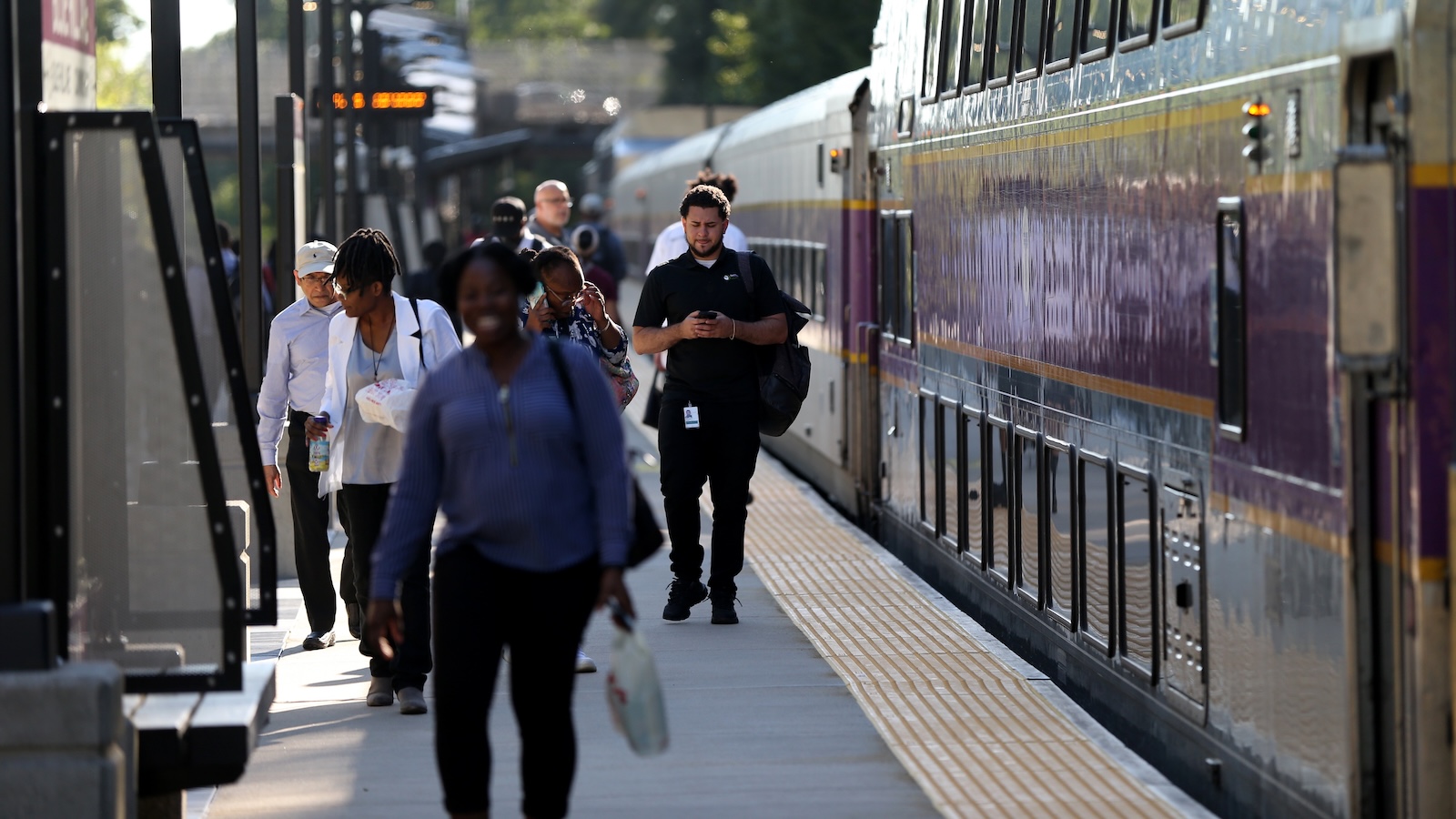
The shift to electric power is as much about public health as it is about transportation. Diesel-powered locomotives are significant contributors to particulate matter (PM2.5) and nitrogen oxides, which are linked to respiratory issues and cardiovascular disease. Residents living near transit corridors in dense urban areas like Dorchester are disproportionately exposed to these pollutants.
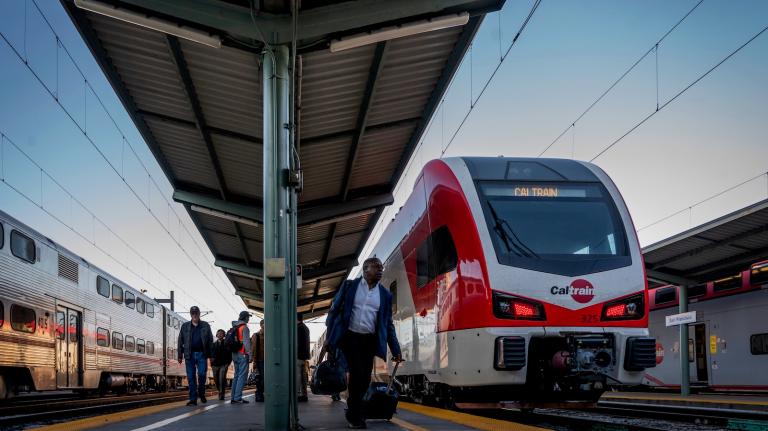
The environmental data supporting the transition is compelling. The MBTA estimates that the new fleet will eliminate 17,700 tons of carbon dioxide emissions annually. Furthermore, research from the University of California, Berkeley, provides a localized look at the benefits of electrification. After the Caltrain system in the Bay Area transitioned to electric trains, environmental engineer Joshua Apte observed an 89 percent drop in riders’ exposure to black carbon. Such findings suggest that the Fairmount Line electrification could offer immediate, tangible health improvements for thousands of daily commuters and nearby residents.
Historical Context: Returning to an Electric Legacy
The push for electrification is, in many ways, a return to Boston’s roots. As historian Albert Churella notes, Boston was a pioneer in electric transit; the Tremont Street Subway, which opened in 1897, was the first electric subway in North America. During the late 19th and early 20th centuries, electric streetcars and subways were the standard for urban mobility because they eliminated the life-threatening smoke and soot associated with steam engines in tunnels.
The transition to diesel mid-century was largely an economic decision. As passenger rail ownership shifted from private companies to public entities, and as oil prices remained relatively stable, diesel became the default choice. Diesel locomotives offered flexibility; they could run on any track without the need for fixed infrastructure like wires or third rails. However, as Nicholas Dagen Bloom, author of The Great American Transit Disaster, explains, the legacy of diesel dependence has left many modern systems with high operating costs and aging, polluting fleets. The current surge in global diesel prices—which have seen extreme volatility in recent years—has forced a re-evaluation of this model, making the long-term investment in electricity more fiscally attractive than it was a decade ago.
Challenges and Future Outlook
Despite the optimism surrounding the 2030 rollout, the project faces clear hurdles. The $765 million price tag for the 15-year lease of the Stadler trainsets represents a major capital commitment. Furthermore, the MBTA must ensure that the charging infrastructure is robust enough to handle consistent, high-frequency service. Unlike overhead lines that provide a constant stream of power, battery-powered trains require strategic charging windows, which could complicate scheduling if the system encounters unforeseen operational delays.
Dani Simons, vice president of communications for Alstom in the Americas, emphasizes that transit agencies should not view electrification as a "one-size-fits-all" solution. She advocates for a diversified approach where battery-electric, hybrid, and catenary systems are deployed based on the specific needs of a route. "Transit agencies should be pursuing electrification in all its forms," Simons noted, highlighting that the primary goal is the mitigation of fuel price volatility and the improvement of air quality.
A Legacy of Persistence
For Marvin Martin, the technical debates surrounding battery longevity and charging infrastructure are secondary to the primary victory: the recognition that his community deserves the same quality of service and the same standard of air quality as the rest of the region. Though he has retired from his role at Action For Equity, he remains a vocal observer of the project’s progress.
"We want a train that would not be spewing a bunch of toxic particulates into the air," Martin said, reflecting on the decades-long fight. While he acknowledges that the transition will take time and that residents will continue to deal with diesel exhaust until the 2030 deadline, the project represents a rare alignment of environmental policy and social equity. For the residents of Dorchester and the broader Boston metropolitan area, the Fairmount Line is poised to become a case study in how transit modernization can bridge the gap between historical neglect and a cleaner, more connected future. The project stands as a testament to the fact that when communities refuse to accept the status quo, the trajectory of public infrastructure can be permanently altered.