The Trump Administration’s Proposed Pivot to Open-Access Policies for National Forests Represents a Fundamental Shift in Public Land Management

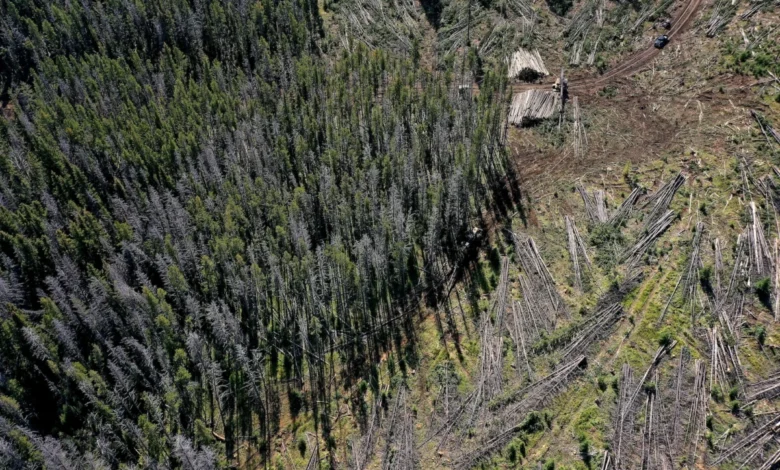
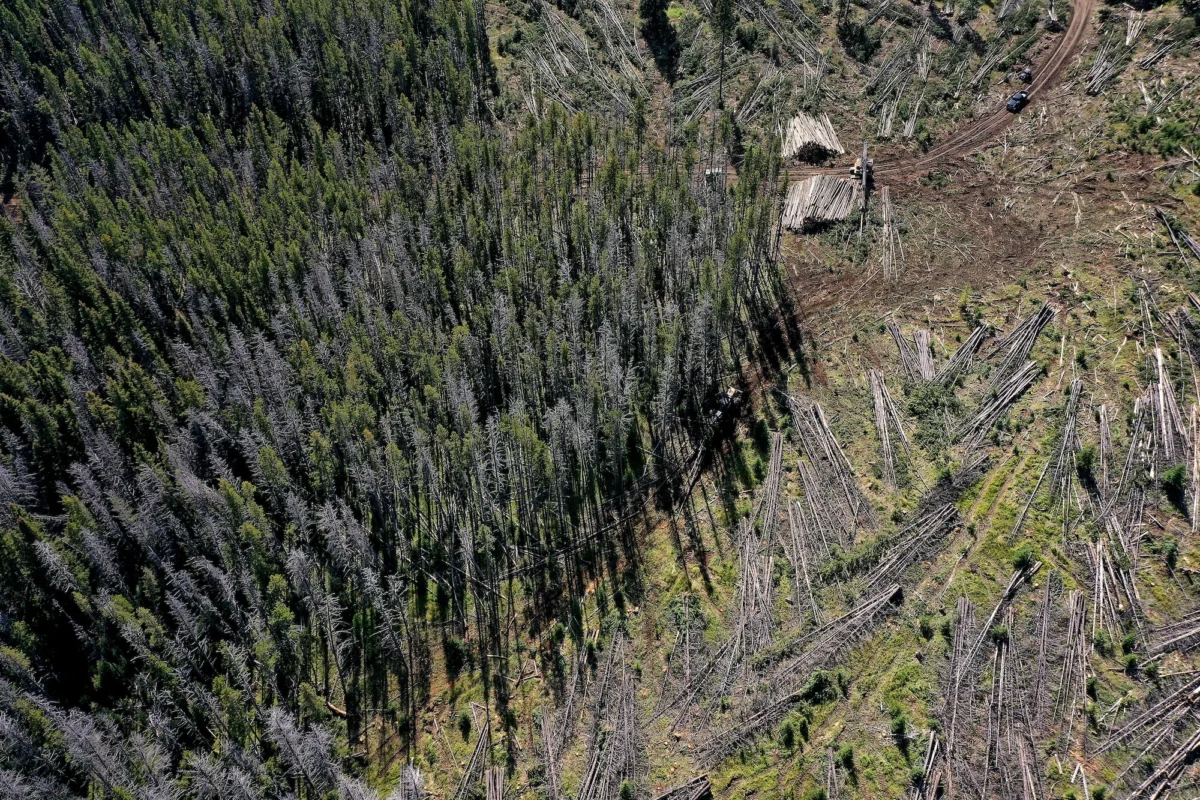
The United States Forest Service is currently weighing a policy shift that would dismantle the long-standing "closed unless designated open" framework governing recreational access to the nation’s 193 million acres of national forest land. Under the proposed revision, the agency would shift to an "open unless designated closed" model, a fundamental reversal that critics argue would prioritize motorized recreational access over ecosystem stability, wildlife protection, and the preservation of quiet, nonmotorized backcountry experiences.
This move, announced in late August, is part of a broader, aggressive push by the current administration to reshape the management of federal public lands. The proposed change would effectively place the burden of proof on the government to justify closures, rather than requiring the public to find trails explicitly marked as open. While federal officials characterize the proposal as a move to "increase recreation access and simplify regulatory requirements," the announcement has triggered a wave of concern from conservationists, sportsmen, and land management experts who fear that the administrative cost of signage and the resulting ecological damage could be irreversible.
A Historical Context of Travel Management
To understand the significance of this potential pivot, one must look at the evolution of the Forest Service’s travel management rule. For decades, the agency struggled with the proliferation of unauthorized "social trails" created by off-highway vehicles (OHVs), side-by-sides, and dirt bikes. These user-created paths often cut through sensitive riparian zones, nesting habitats, and alpine meadows, causing significant erosion and habitat fragmentation.
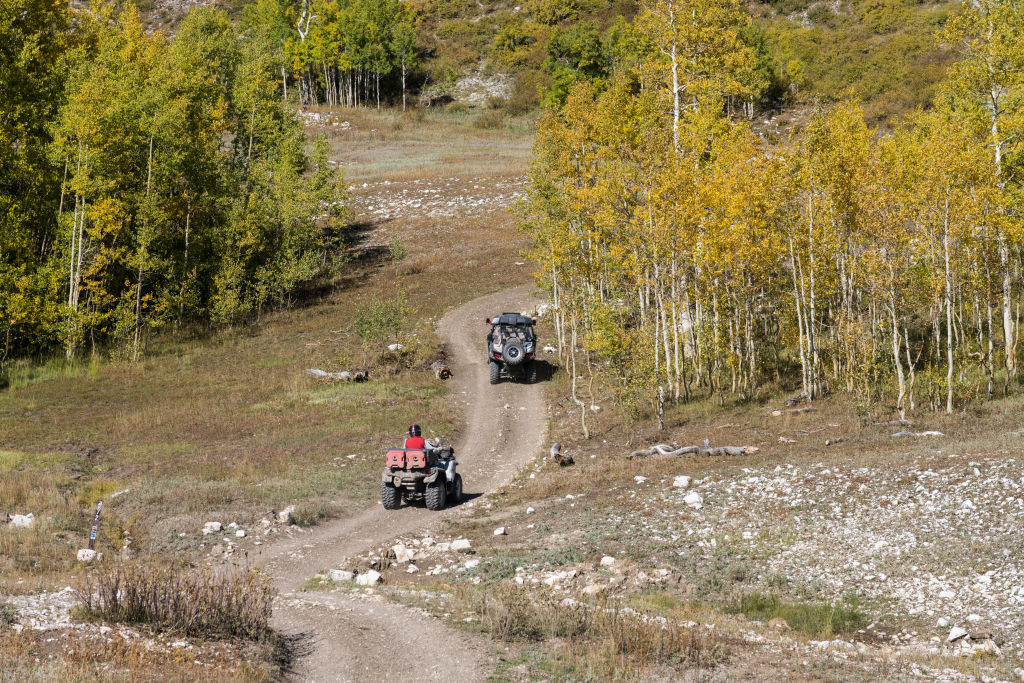
In 2005, the Forest Service finalized the Travel Management Rule, which required each national forest to establish a system of roads, trails, and areas designated for motorized use. The cornerstone of this rule was the prohibition of motor vehicle use off designated routes. This approach provided a clear, enforceable standard: if a trail was not on the official motorized map, it was closed to motor vehicles. This system brought a degree of order to the chaos of motorized recreation, allowing forest managers to concentrate enforcement and maintenance on sustainable trails while protecting fragile ecosystems.
The administration’s proposal to invert this rule would fundamentally alter the "managed use" philosophy that has defined Forest Service policy for nearly twenty years. By moving toward an "open unless closed" system, the agency is signaling a move toward maximum permissive access, which experts warn could lead to a "tragedy of the commons" across millions of acres of sensitive backcountry.
Ecological Implications and the Case of the Middle Fork
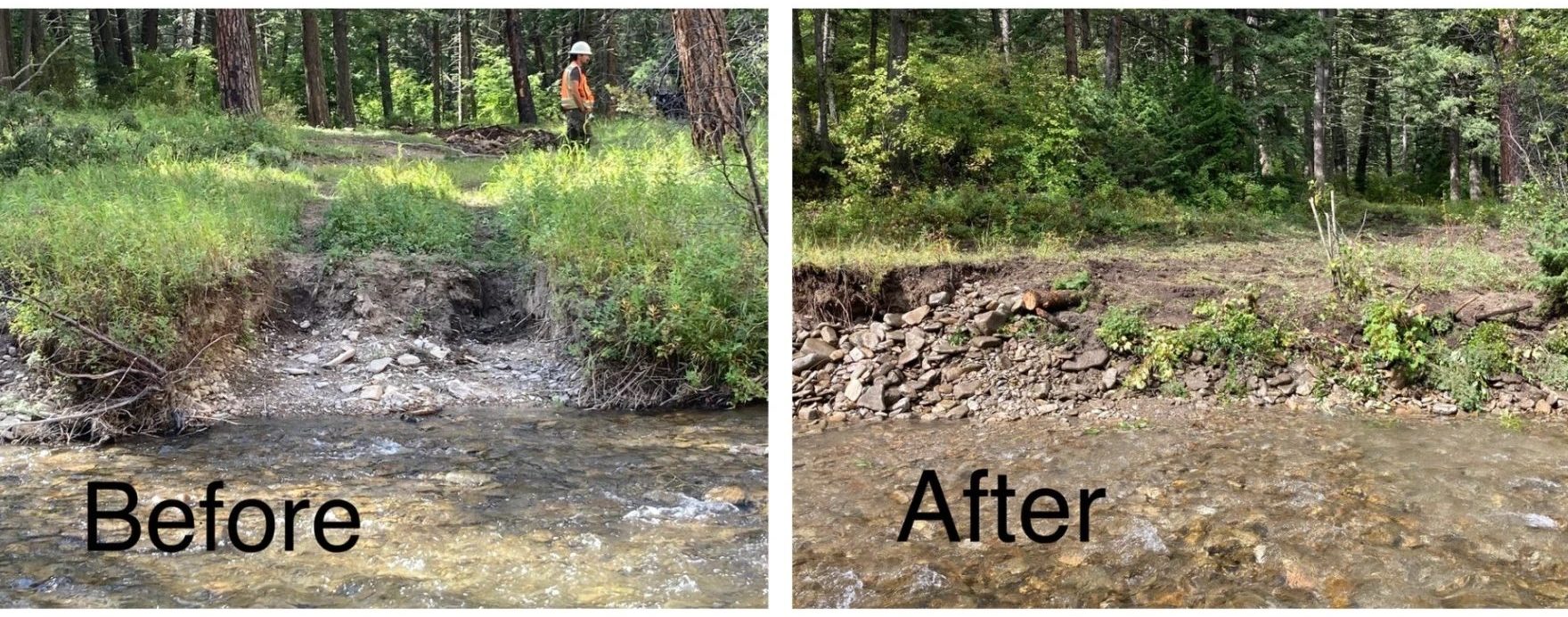
The environmental stakes of this policy are perhaps best illustrated by the ongoing restoration of the Middle Fork of the Judith River in Montana. Before 2023, the river was subjected to decades of unregulated or poorly managed motorized crossings. With more than 80 unauthorized entrances and 27 shallow points along a mere six-mile stretch, the riverbed had become a corridor for sediment pollution.
Chris Edgington, a watershed project manager with Montana Trout Unlimited, observed that the physical toll on the river was catastrophic. "The river had become over-widened and shallow, creating unusual riffles, and the river couldn’t manage its sediment load," Edgington explained. The impact on local species, particularly the cutthroat trout, was measurable, with fish populations plummeting to less than 10 percent of their expected capacity.
The recovery of the Middle Fork was only possible because the existing travel management plans allowed for the definitive closure of illegal crossings and the targeted rerouting of trails. A coalition of stakeholders, including OHV groups and conservationists, invested heavily in a restoration project that reduced crossings by 80 percent and rebuilt 1,000 feet of riverbank. The success of this project—which has seen fish numbers rebound—serves as a case study for why clear, enforceable designations are essential. Critics of the new proposal fear that if "open unless closed" becomes the default, the legal and physical barriers necessary to prevent similar degradation in other sensitive watersheds will be stripped away.
The Broader Regulatory Rollback
The travel management revision does not exist in a vacuum. It follows a series of policy maneuvers by the Department of Agriculture, including the controversial decision to rescind the 2001 Roadless Area Conservation Rule. That rule, which protected approximately 45 million acres of forest from commercial logging and road construction, is now under threat.
The cumulative effect of these changes is a systematic deregulation of federal land management. According to Hillary Eisen, federal policy director for Wild Montana, these policies are inextricably linked to the core purpose of the public land system. "The intent in Congress is that they support current generations, that they are also available for future generations," Eisen said. "That’s the sustained yield, conservation piece of it."
The administration’s argument for these changes centers on equity and access. Kerry White, who runs the Bozeman-based nonprofit Citizens for Balanced Use, argues that the current, more restrictive system unfairly limits access for the elderly and those with physical disabilities who rely on motorized vehicles to experience the outdoors. For supporters of the change, the responsibility for closing trails should rest with the government, not the public. "By making everything open unless posted closed, it puts a bit more onus on the Forest Service to do due diligence," White stated.
Economic and Administrative Challenges
While proponents emphasize access, critics point to the massive, unfunded mandate the new rule would impose on the Forest Service. If the agency is required to sign every closure, it would need a vast increase in funding to survey, map, and physically mark thousands of miles of trail across 193 million acres. Without such funding—which has not been proposed—the result would likely be a state of "de facto" open access across the entire system, as the agency would be unable to keep up with the required signage.
Furthermore, there is the issue of fire and climate resilience. Research consistently demonstrates that roads and heavy trail use facilitate the spread of invasive species, which can exacerbate wildfire risk, and fragment habitat in ways that prevent wildlife migration during changing climate conditions. The potential for an increase in motorized traffic in currently quiet, roadless areas could undermine decades of work aimed at sequestering carbon and maintaining resilient forest biomes.
The Path Forward: Public Scrutiny and Future Impacts
The public comment period for the travel management revision, which concludes on September 23, has become a focal point for a broader national debate about the role of the federal government in managing natural resources. The intense public backlash to the administration’s roadless rule repeal—where over 99 percent of initial commenters opposed the change—suggests that there is significant public appetite for maintaining existing environmental safeguards.
The Forest Service’s recent 15-day extension for the roadless rule comment period, moving the deadline to October 6, may indicate that the agency is feeling the pressure from both the scientific community and the general public. However, the trajectory remains clear: the administration is moving to prioritize motorized, extractive, and permissive uses over the conservation-oriented, strictly regulated model that has governed these lands since the early 2000s.
As the debate continues, the fundamental question remains: are the nation’s forests primarily a resource for immediate, varied recreational and commercial use, or are they a long-term asset whose value depends on the integrity of their ecosystems? For those like Edgington, the answer is found in the clean, cold water of the Judith River. "Many of these rules were created with a thoughtful balance of forest use," he said. "A full repeal would be devastating to fish and wildlife resources beyond our comprehension."
The final decision on these rules will define the American wilderness for the next half-century, determining whether the backcountry remains a bastion of biodiversity and solitude or becomes a network of corridors for motorized, high-impact recreation. Whether these changes are finalized or stalled by legal challenges remains the most significant unresolved question in federal land policy today.