Democratic Majority Takes Control of Georgia Public Service Commission for First Time in Three Decades


Beginning in January, a historic shift in the landscape of Georgia’s energy regulation will take hold as Democrats secure a three-to-two majority on the Georgia Public Service Commission (PSC). This transition marks the first time in 30 years that the Democratic Party has held a controlling interest in the influential body, which wields significant authority over the state’s utility infrastructure, including the massive operations of Georgia Power. The change follows two cycles of intense electoral campaigning, during which the rising costs of electricity and the unprecedented energy demands of the state’s burgeoning data center sector emerged as defining issues for voters.
The PSC is tasked with balancing the competing interests of utility companies, environmental advocates, and the millions of residential and commercial customers who rely on the state’s energy grid. As the new majority prepares to take office, the focus is squarely on reforming how the commission evaluates affordability, manages the integration of clean energy, and provides oversight to the utilities it regulates.
A Turning Point in Regulatory History
The Georgia Public Service Commission has long been considered a low-profile agency, yet its decisions have profound, direct impacts on the household budgets of Georgians. For three decades, the commission was under Republican control, often characterized by a cooperative relationship with Georgia Power. However, the recent election results reflect a growing public sentiment that the status quo regarding energy costs is no longer sustainable.
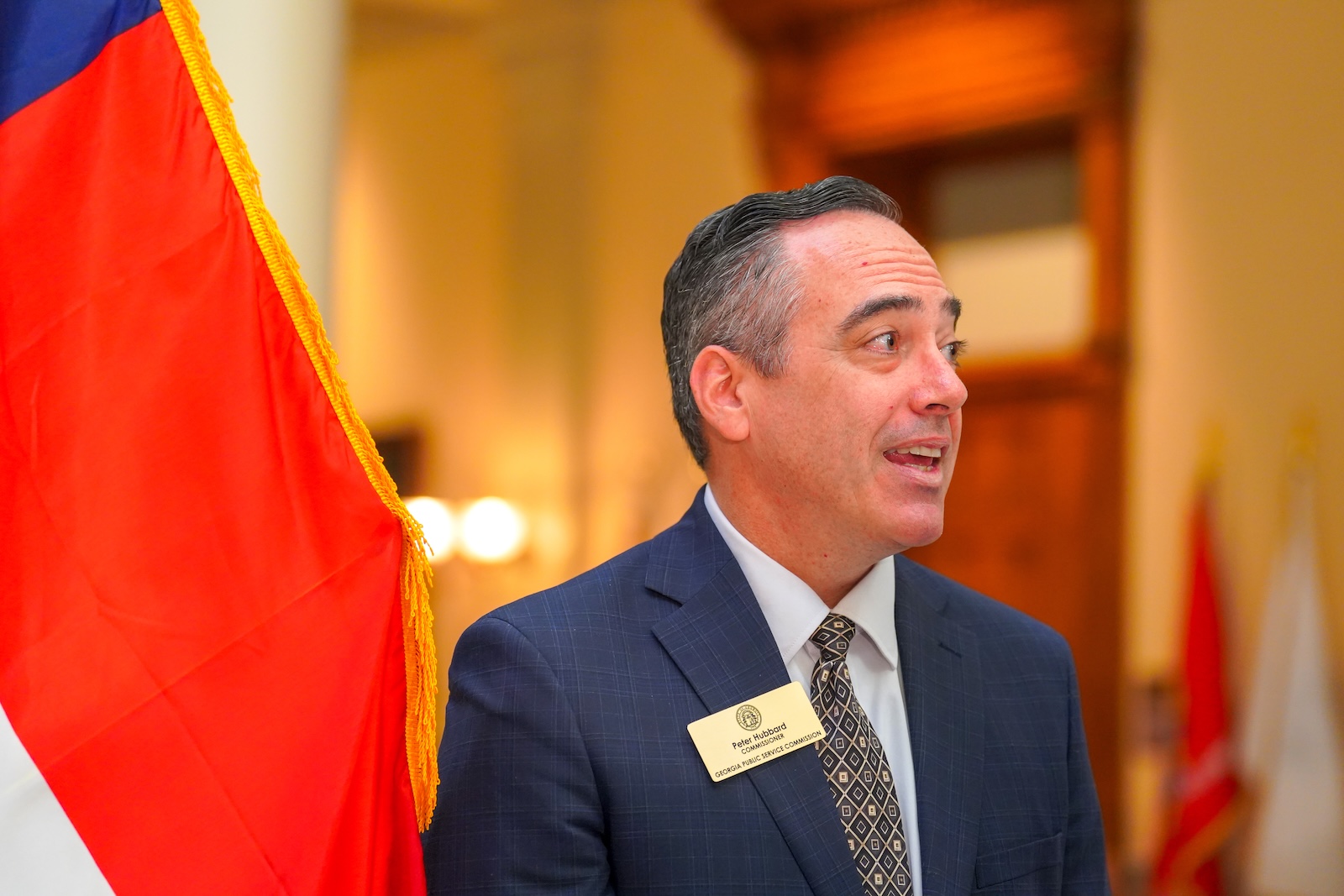
Democratic Commissioner Peter Hubbard, who successfully secured a reelection bid this week, described the incoming majority’s agenda as a "laundry list" of necessary reforms. "We’ll have to triage, in fact, and decide how best to move forward," Hubbard noted, acknowledging the weight of the mandate. Among the primary goals for the new commission is the establishment of an "affordability docket." This series of public hearings would serve as a formal inquiry into the drivers of high electricity bills, seeking to identify concrete ways to alleviate the financial burden on ratepayers.
Joining Hubbard on the board will be commissioners Shelia Edwards and Alicia Johnson. Together, the trio plans to shift the commission’s posture from one of largely rubber-stamping utility requests to one of active, rigorous interrogation.
Chronology of the Energy Debate
The path to this political shift was paved by years of mounting tension between utility providers and consumer advocacy groups.
- 2022–2023: As Georgia experienced a rapid influx of massive data center projects—driven by the growth of artificial intelligence and cloud computing—energy demand forecasts were revised upward. Georgia Power, in its Integrated Resource Plan (IRP), argued that these massive industrial clients would subsidize the grid.
- Late 2023: Georgia Power announced a temporary rate freeze, a move intended to stabilize bills. However, consumer advocates criticized the lack of transparency, noting that the freeze was announced without the typical adversarial public hearings required to verify the company’s financial claims.
- 2024 Election Cycle: Energy affordability became a central pillar of campaigns across the state. Grassroots organizations, such as the Georgia Conservation Voters, pivoted from traditional environmental messaging to a broader economic appeal, arguing that energy policy is fundamentally an issue of economic justice.
- November 2026: The conclusion of the electoral cycle finalized the Democratic majority, signaling a mandate for change.
Data Centers and the Economics of "Downward Pressure"
The centerpiece of recent energy debates in Georgia is the relationship between utility rates and the rise of data centers. Georgia Power has consistently argued that these industrial hubs are a net positive for the average customer. The utility asserts that the massive electricity usage of data centers generates sufficient revenue to cover the costs of building new power plants and transmission lines, thereby exerting "downward pressure" on rates for everyone else.
In a recent deal involving a major OpenAI data center project, the utility claimed this arrangement would effectively provide $15 in monthly "downward pressure" for the typical residential customer. However, this claim remains a point of contention. Critics, including academics and independent energy analysts, point out that "downward pressure" is not the same as a rate decrease. It is an abstract accounting concept that suggests future rate hikes might be smaller than they would have been otherwise, rather than a promise of immediate relief for a family struggling to pay their monthly bill.
Kristin Phillips, an associate professor at Emory University who specializes in energy burden, notes that while the new commission will not be able to instantly lower electricity prices, the fundamental philosophy of governance will shift. "We may not be able to expect immediate effects on our wallets," Phillips said. "But I think we can expect immediate change in the types of decisions that are made."
Transparency and the Scrutiny Gap
One of the most persistent criticisms of the PSC under previous leadership has been the lack of transparency surrounding major contracts. The public has often been left to rely on redacted summaries of multi-billion-dollar deals, with the utility citing trade secrets and competitive advantages to keep details hidden from the public eye.
The OpenAI contract, for instance, was largely shielded from public view, with only a summarized version released after the agreement had already been approved. This lack of visibility has hindered the ability of watchdog groups to confirm whether Georgia Power is meeting its obligations or whether it is passing the costs of infrastructure expansion onto residential ratepayers.
The incoming Democratic commissioners have signaled that this era of limited disclosure may be coming to an end. By asserting more authority during the next rate-setting process—scheduled for 2028—the commission aims to force greater clarity regarding the utility’s forecasts and the true cost of its long-term energy plans.
Official Responses and Industry Outlook
Despite the political shift, leadership at Southern Company, the parent company of Georgia Power, remains outwardly confident. During the company’s third-quarter earnings call, CEO Chris Womack emphasized the utility’s commitment to balancing growth with customer needs.
"If you look at what we have been doing with rate freezes, with benefits, with how we are providing benefits from growth to customers—existing customers—as well as to the communities, we think that’s a strong platform to stand on," Womack said. He expressed a willingness to collaborate with the new commissioners, framing the utility’s recent actions as a proactive effort to address affordability concerns before they were forced to do so by regulation.
Broader Implications for Georgia’s Energy Future
The implications of this shift extend beyond simple rate-setting. The PSC’s new majority is expected to look more critically at the state’s reliance on specific energy sources, including the future of natural gas and the integration of renewable energy projects. Commissioner Hubbard has already indicated an interest in reviewing natural gas utilities, a segment of the industry that has not faced a formal rate case in over a decade.
For activists and advocacy groups, the election represents a victory in framing energy as a public good rather than just a utility service. "We knew that we had to connect the dots between energy and affordability," said Brionté McCorkle of Georgia Conservation Voters. "It’s not just this obscure regulatory body like it used to be treated. Its decisions directly affect household budgets, communities, health, and our energy future."
As the state enters 2027, the eyes of both the business community and consumer advocates will be on the commission’s first sessions. The success of this new majority will likely be measured by its ability to navigate the complex, capital-intensive needs of a modern, data-driven economy while simultaneously ensuring that the energy transition does not disproportionately fall on the shoulders of the most vulnerable Georgians. The next four years, as Hubbard noted, will be a period of "long-lasting reforms and shifting the direction of the state." Whether this results in tangible bill relief or merely a more robust public debate remains to be seen, but the era of the PSC as a silent regulator appears to be effectively over.