The High-Stakes Race to Overhaul American Energy Permitting Amidst a National Power Crisis

As the midterm election cycle intensifies, senators are preparing to depart Washington, D.C., for the campaign trail, leaving behind a legislative puzzle that many policymakers and industry analysts consider the most critical hurdle to American economic stability: comprehensive energy permitting reform. A bipartisan coalition of lawmakers is currently navigating a precarious path to finalize a bill designed to streamline the approval process for vital infrastructure. The urgency behind this effort is fueled by an unprecedented surge in national electricity demand, driven by the rapid expansion of industrial manufacturing and a massive, AI-powered build-out of data centers.
The legislative goal is to dismantle the regulatory gridlock that has long hampered the energy sector. Whether the project involves high-voltage transmission lines for wind farms, natural gas pipelines, or mining for critical minerals, the current federal permitting framework is characterized by overlapping agency jurisdictions, exhaustive environmental impact reviews, and a legal landscape that leaves completed permits vulnerable to years of litigation.
The Legislative Chronology: A History of Stalled Ambition
The quest for permitting reform is not a new endeavor, but the current political climate has created a unique convergence of necessity and desperation. In 2024, the Energy Permitting Reform Act represented the most significant attempt to address these structural issues. While the bill successfully navigated the committee process, it ultimately faltered before reaching a full floor vote in the Senate, leaving the core issues of federal oversight and project approval timelines unaddressed.
By the summer of 2026, the urgency reached a fever pitch. In August, Senator Marsha Blackburn (R-TN) highlighted the competitive risks, noting that federal red tape acts as a barrier to the infrastructure needed to maintain the country’s global standing. Throughout September, the highest-ranking members of the Senate’s energy-related committees began intensive, closed-door negotiations to draft language that could survive the partisan divide. However, by late September, reports confirmed that a final deal would not be reached before the midterm recess, pushing the timeline into a post-election "lame duck" session or the next Congress.
The Data Center Paradox and Public Sentiment
The political challenge is compounded by a profound PR dilemma. While legislators view data centers as essential components of the digital economy and national security, the public perception of these facilities is overwhelmingly negative. According to data from Redbud Consulting, voters across the political spectrum—Democrats, Republicans, and independents alike—harbor deep skepticism toward the construction of data centers in their local communities.
Alex Lundry, president of Redbud Consulting, suggests that "toxic" is the most accurate descriptor for the subject in the eyes of the electorate. The political bind is evident: legislators recognize that the current grid cannot sustain the energy-intensive future of AI and advanced manufacturing without new infrastructure, yet they are acutely aware that linking permitting reform to the data center boom could be a liability at the ballot box.
The Energy Landscape: Demand vs. Supply
The United States is currently experiencing a "perfect storm" of rising electricity demand. For years, energy consumption remained relatively flat due to efficiency gains from LED lighting and building insulation. That trend has reversed. The nation is now in the midst of a widespread electrification movement, characterized by the adoption of heat pumps, the transition to electric vehicle charging infrastructure, and a renewed push to bring manufacturing output back to American soil.
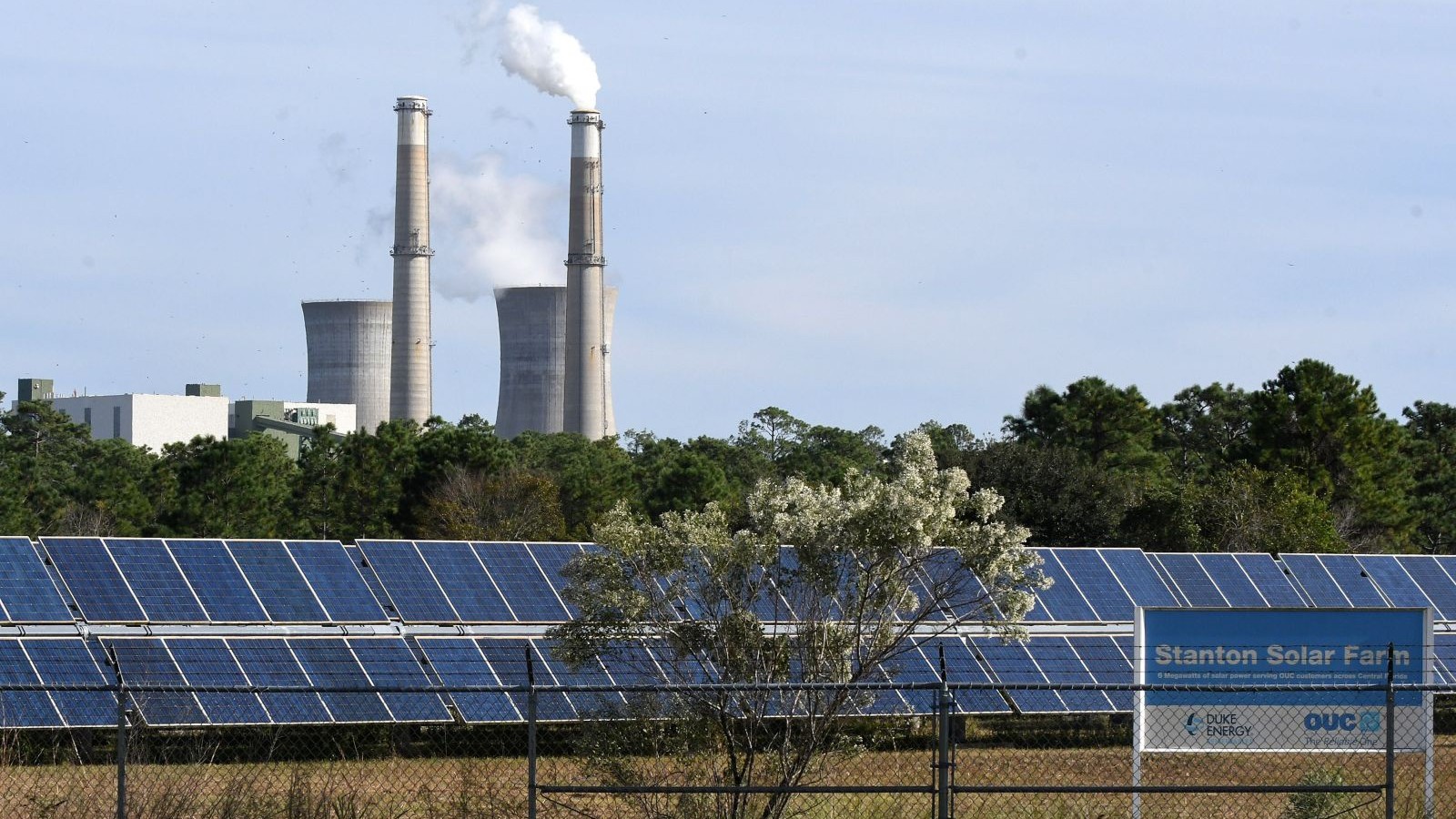
Data centers have served as an accelerant to this demand spike. According to the U.S. Energy Information Administration (EIA), solar power and battery storage are slated to account for nearly 80 percent of new power generation in 2026. Simultaneously, natural gas remains the backbone of the grid, serving as the largest single source of electricity in 2025 and projected to grow as the primary fuel source for the power-hungry data centers currently being commissioned by tech giants.
Industry and Environmental Stakeholders
The push for reform has created strange bedfellows. The solar and natural gas industries, typically on opposite sides of the climate debate, are both vocal proponents of streamlining federal approvals. Tim Pawlenty, president of the Solar Energy Industry Association, has famously described the current state of permitting as "constipated," suggesting that without intervention, the country’s renewable energy targets will remain unreachable.
Environmental groups, such as the Natural Resources Defense Council (NRDC), occupy a more nuanced position. They advocate for faster deployment of clean energy but emphasize the need to maintain the integrity of bedrock statutes like the Clean Water Act and the Endangered Species Act. The tension lies in whether the forthcoming bill will maintain these safeguards or whether it will sacrifice long-term ecological protection for short-term construction speed.
National Security and the "China Factor"
A primary driver for the urgency among lawmakers is the specter of international competition. Many in Congress argue that the United States is losing the "energy war" to China, which has a faster, less encumbered process for building industrial and energy infrastructure. The narrative being pushed by members like Senator Rick Scott (R-FL) is that America is effectively "fighting with one hand tied behind its back" due to regulatory overreach.
However, pollsters suggest this "national security" framing may be losing its efficacy with the general public. Instead, researchers advise that framing permitting reform around the reduction of energy costs—which have risen for 70 percent of households over the last year—and the acceleration of clean energy deployment yields significantly higher approval ratings.
The Path Forward: Clarity and Constraints
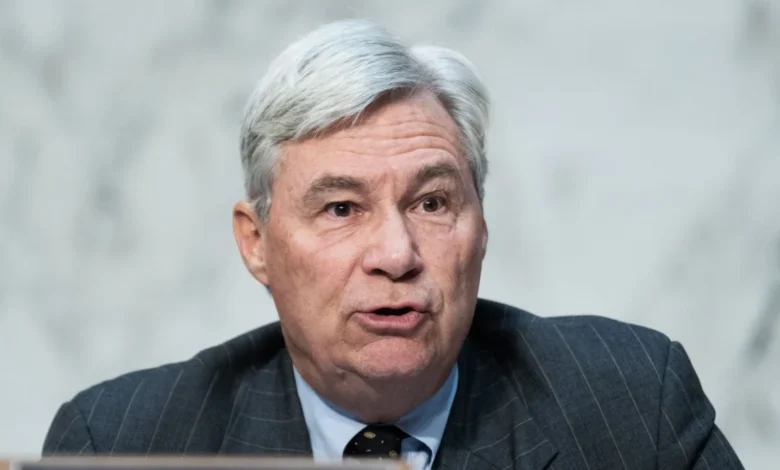
A major hurdle in the negotiation process involves the role of the Executive Branch. President Donald Trump has signaled a willingness to expedite renewable energy projects as a bargaining chip to secure a broader permitting deal. However, some Democratic senators, including Sheldon Whitehouse (D-RI), have expressed concerns about the consistency of these promises. The fear is that even if a bill passes, the White House could retain the ability to functionally block projects through administrative delays. Senator Whitehouse has publicly called for "clarity" on what a return to "regular order" for wind and solar projects would entail under the current administration.
Meanwhile, the House of Representatives has attempted its own approach. A recent bill aimed at forcing data centers to pay for their own electricity generation—thereby insulating residential ratepayers from rising costs—was passed by the House but subsequently stalled in the Senate. Critics in the Senate argued the bill was too soft-handed, while others viewed it as a necessary step to address public frustration with the industry.
Implications and Future Outlook
The failure to reach a consensus before the midterms suggests that the issue will be heavily contested in the coming months. If the Republican party gains control of Congress, the dynamic of the negotiations will shift, potentially favoring a more aggressive, industry-friendly approach to deregulation. If Democrats retain power, the focus will likely remain on maintaining environmental guardrails while addressing the grid’s capacity issues.
Regardless of the election outcome, the fundamental challenge remains: the United States is attempting to build the energy infrastructure of the 21st century using a 20th-century regulatory apparatus. The outcome of the next legislative attempt will determine not only the speed of the energy transition but also the nation’s ability to remain an attractive environment for the next generation of industrial and technological investment. For now, the Capitol doors remain open, but the most difficult decisions are being deferred to a future that, according to current energy projections, is arriving faster than the legislative process can manage.