The Climate Reserve Initiative: A Private Sector Lifeline for Displaced Federal Environmental Science

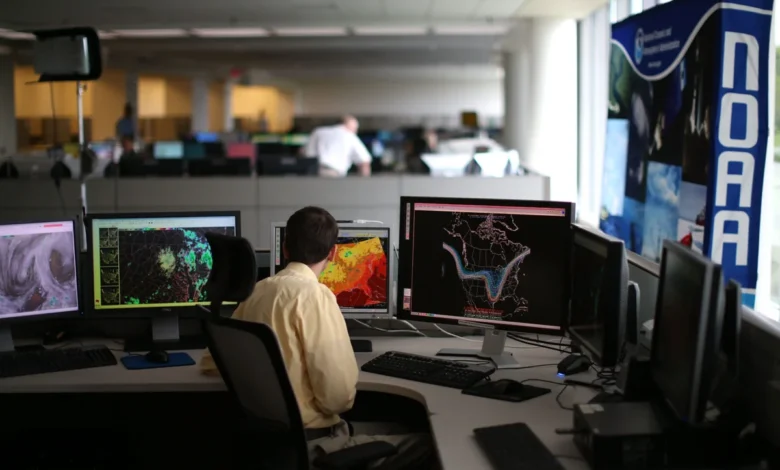
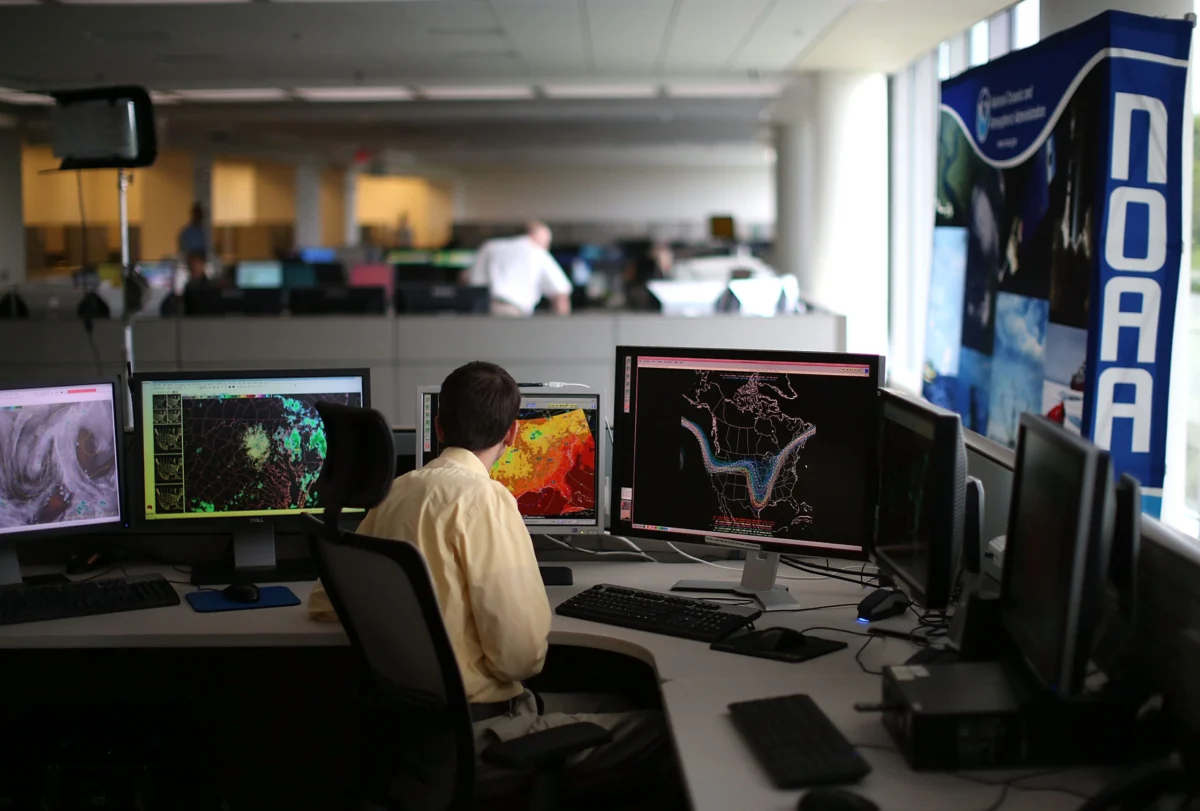
The landscape of American scientific research underwent a profound transformation last year, marked by a seismic shift in federal priorities that left the nation’s climate intelligence infrastructure in a state of unprecedented volatility. Following the inauguration of President Donald Trump for his second term, the administration initiated a sweeping retrenchment of federal environmental oversight. This policy pivot resulted in the systematic defunding of research grants, the shuttering of key climate initiatives, and the displacement of thousands of specialized federal employees across the Environmental Protection Agency (EPA), the National Oceanic and Atmospheric Administration (NOAA), and various departments of the interior.
As federal resources evaporated, the scientific community faced a sudden, existential crisis. What began as a series of urgent, private conversations among displaced experts quickly coalesced into a strategic, organized response. The result is the Climate Reserve, a burgeoning initiative designed to serve as a bridge for displaced expertise, ensuring that critical environmental data collection and analysis continue despite the absence of federal backing.
A Chronology of the Scientific Retrenchment
The dismantling of federal climate programs was not an overnight occurrence but rather a swift, calculated process that began in the early months of the current administration. By the end of the first 100 days of the new term, the administration had successfully rescinded billions of dollars in allocated research funding.
The timeline of this disruption is stark:
- January–March: The administration issued executive directives targeting "non-essential" climate research, leading to an immediate freeze on grant disbursements.
- April: Federal agencies reported the mass departure of career scientists, many of whom were incentivized to leave or saw their positions eliminated through departmental restructuring.
- July: Recognizing the impending loss of institutional knowledge, over 30 climate experts convened at a workshop held by the Aspen Global Change Institute in Colorado. It was here that the blueprint for the Climate Reserve was finalized.
- Late Summer to Present: The Climate Reserve transitioned from an informal network to a formalized, donor-backed entity capable of underwriting professional salaries and sustaining independent research projects.
The Mechanism of the Climate Reserve
The Climate Reserve operates on a model of "movement generosity"—a philosophy that prioritizes collaboration over the traditional, often siloed, competitive grant-funding environment. Unlike traditional academic or private sector hiring, the initiative focuses on the strategic placement of fellows into existing nonprofit and university structures.
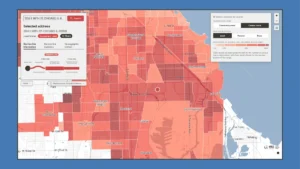
The organization acts as a matchmaker and a funding intermediary. When a federal project is abandoned—such as the vital EJScreen, a digital mapping tool that provides granular data on pollution exposure in vulnerable communities—the Climate Reserve identifies the necessary human capital to maintain it. It then secures private funding to support those specific experts, effectively "parachuting" them into a safe, sustainable home where their work can continue.
To date, the initiative has placed more than 50 fellows across a range of institutions, including the University of Minnesota and the Environmental Protection Network. The goal is to prevent the "brain drain" that occurs when specialized government researchers are forced into unrelated industries due to financial necessity. The irony of the current situation is best exemplified by the anecdotal reports of former federal climate advisors working in the gig economy—including as ride-share drivers—in the streets of Washington, D.C., while the data they once managed continues to be critical to global climate policy.
Data Integrity and the "Unsexy" Work of Science
While public attention often focuses on the high-profile results of climate research, much of the work being saved by the Climate Reserve involves the foundational, behind-the-scenes data processing that allows for scientific accuracy.

Sonia Wang, who leads the Center for Climate and Environmental Data at the Data Foundation, emphasizes that the most significant risks currently facing climate science involve data discrepancies. For instance, satellite-based detection of methane emissions is highly sensitive to external variables such as wind speed models. If different researchers use different, uncalibrated models, their findings can vary wildly, leading to policy confusion. By funding experts to standardize these models and reconcile datasets, the Climate Reserve is protecting the credibility of climate science against potential political attempts to highlight "inconsistent" data as a reason to ignore climate risks.
Furthermore, the initiative is facilitating international cooperation. Projects currently being sustained include the mapping of sea-level rise in Panama and the tracking of greenhouse gas emissions across five African nations. These projects are essential for global climate targets, as ecosystems—particularly wetlands—serve as massive carbon sinks. As global temperatures rise, these ecosystems are at risk of transitioning from carbon sinks to carbon sources; monitoring this feedback loop is a global imperative that cannot be paused simply because of a change in U.S. administration.
Implications for the Future of Federal Science
The existence of the Climate Reserve highlights a troubling trend: the privatization of what was once considered a core public good. While the organization provides a vital safety net, its leaders, including director Aparna Shrivastava, are quick to clarify that they do not intend to replace the federal government.
"We are not at all looking to replace the government," Shrivastava stated during a recent briefing. "We’re just stepping up to try and meet some of the needs here."
The implications of this shift are multi-layered:
- Resilience through Decentralization: By moving critical climate data and research into the nonprofit and academic sectors, the scientific community is building a decentralized network that is more resilient to future political oscillations.
- Maintaining Institutional Memory: The loss of federal experts typically represents the loss of years, or even decades, of "institutional knowledge"—the nuanced understanding of how to interpret data, maintain complex systems, and navigate the bureaucratic requirements of international climate agreements. By keeping these individuals in the field, the Climate Reserve preserves this invaluable human capital.
- Fiscal Independence: By relying on private donors and philanthropic organizations rather than congressional appropriations, the projects supported by the Climate Reserve are effectively shielded from political "punitive" measures, allowing for a degree of academic freedom that is currently under threat within the federal civil service.
Expert Perspectives and Official Reactions
The sentiment among the fellowship is one of professional duty. John Balbus, a former senior official at the Department of Health and Human Services (HHS) who now works with the Federation of American Scientists, notes that the demand for climate-health expertise is only increasing. Projects involving seasonal heat-wave forecasting and wildfire smoke monitoring remain life-saving endeavors, regardless of which political party occupies the White House.
"The climate and health experts I worked with would do anything in their human power to continue living a life of public service," Balbus remarked. "The need is only going to get stronger every year."
From an analytical perspective, the Climate Reserve represents a necessary evolution in how science interacts with the state. Historically, the "social contract" for science in America assumed that the government would be the primary benefactor. The collapse of that contract has forced the scientific community to innovate its own funding and operational models.
While the initiative plans to triple its funding by the end of next year, the broader challenge remains: how to maintain a global, interconnected climate research effort when the world’s largest economy is actively retracting its participation. For now, the Climate Reserve provides a temporary, yet robust, solution—a parachute for a community that refuses to stop working, even as the ground shifts beneath them. Whether this model can scale to meet the long-term, multi-decade requirements of climate action remains the defining question for the next generation of environmental science in the United States.
Related posts: