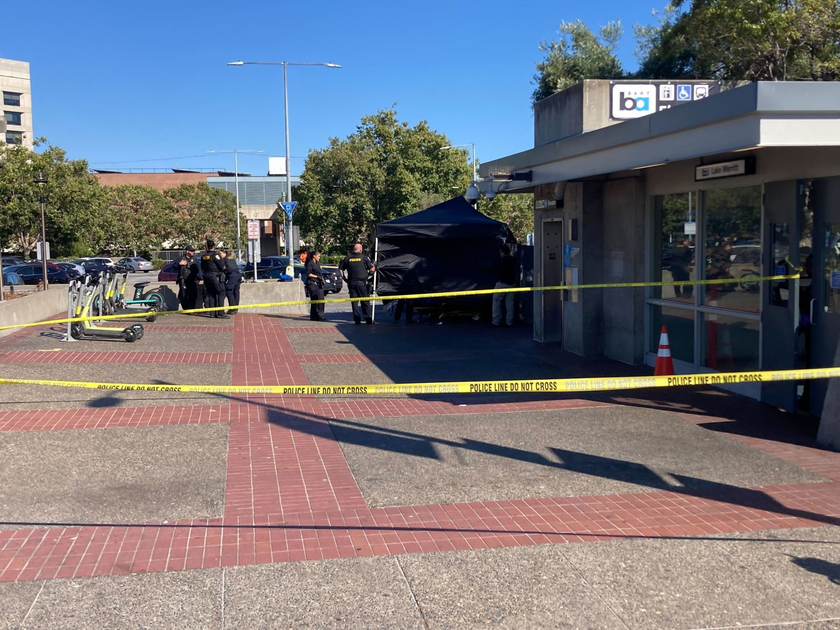
Armed Man Who Hallucinated He Was In A Gunfight On A Rialto Street Is Arrested Police Say


Armed Man Hallucinates Gunfight on Rialto Street, Arrested by Police
A man experiencing a severe hallucinatory episode, believing he was engaged in a violent gunfight, was taken into custody by Rialto police officers on a busy downtown street. The incident, which unfolded on a seemingly ordinary afternoon, saw the armed individual exhibiting erratic and dangerous behavior, prompting a swift and decisive response from law enforcement. According to official statements, the man, whose identity has not yet been released, was reportedly shouting and making gestures consistent with firing a weapon, despite no actual gunfire occurring. The alleged hallucination brought traffic to a standstill and caused significant alarm among pedestrians and motorists who witnessed the unfolding events. Police were alerted to the situation by concerned citizens who observed the man’s agitated state and the presence of a firearm. Upon arrival, officers established a perimeter and attempted to de-escalate the situation, recognizing the potential mental health component of the individual’s actions. The swift apprehension prevented any potential harm to the public and allowed for the individual to receive necessary medical and psychological evaluation. This incident highlights the complex challenges faced by law enforcement when confronting individuals experiencing severe mental health crises, particularly when firearms are involved.
The initial call to the Rialto Police Department came in shortly after 2:30 PM, reporting a disturbance involving an armed individual on the 1000 block of Rialto Avenue. Witnesses described the man as being in a state of extreme distress, waving a handgun and seemingly firing it at unseen adversaries. The audible shouts and aggressive posturing created a credible threat, prompting immediate deployment of multiple patrol units. Officers arriving on scene observed the man moving erratically, his focus seemingly fixed on an imaginary threat. The presence of the real firearm, confirmed by eyewitness accounts and later by police bodycam footage, escalated the situation from a potential public nuisance to a high-priority incident requiring immediate intervention. Negotiators were en route, but given the immediate perceived danger, patrol officers, trained in de-escalation techniques for armed subjects, initiated a strategic approach. Their primary objective was to secure the firearm and apprehend the individual without causing further harm to him or any bystanders. The street, a hub of commercial activity and pedestrian traffic, was evacuated and secured as a precautionary measure. The psychological state of the suspect, as described by those who saw him, was clearly altered, suggesting an internal battle rather than a direct confrontation with any tangible threat. This distinction, however, is often difficult for responding officers to immediately ascertain, necessitating a cautious and controlled response.
The suspect, reportedly in his late 30s, was eventually apprehended without further incident after a tense standoff that lasted approximately fifteen minutes. Officers employed verbal commands and tactical positioning to safely disarm and detain him. It was during this interaction that it became apparent the man was suffering from a severe delusion, expressing confusion and surprise when confronted with the reality of his surroundings. Medical personnel were immediately called to the scene to assess the suspect’s physical and mental condition. He was subsequently transported to a local hospital for evaluation and treatment, where it is believed he is receiving care for his mental health episode. Preliminary investigations by Rialto PD suggest the firearm, a semi-automatic pistol, was legally registered to the suspect. However, the circumstances surrounding its presence and his actions clearly violated several statutes related to public endangerment and brandishing a weapon. The investigation will further explore the exact nature of his hallucinations and any underlying factors that may have contributed to this event. The focus of the department now shifts not only to the legal ramifications but also to ensuring the well-being of the individual and preventing future occurrences.
The aftermath of the incident saw a significant police presence on Rialto Avenue as investigators processed the scene and gathered witness statements. The area remained cordoned off for several hours, causing traffic disruptions and inconvenience to local businesses. However, the priority for the Rialto Police Department remained the safety of the community. Detectives are working to compile a comprehensive report that will detail the sequence of events, the suspect’s mental state, and the actions taken by responding officers. This report will be crucial in determining the appropriate charges, if any, to be filed against the individual once he is medically cleared. The department is also collaborating with mental health professionals to understand the root causes of such episodes and to explore potential avenues for intervention and support within the community. The incident serves as a stark reminder of the increasing overlap between law enforcement responsibilities and mental health crises. Many individuals experiencing severe psychosis or other mental health disorders may engage in behaviors that bring them into contact with the criminal justice system, even when their actions are driven by delusion rather than malice. This case underscores the need for greater resources and training for law enforcement in handling these complex situations with both safety and compassion.
Rialto Avenue, typically a bustling thoroughfare, became the epicenter of a localized crisis. The visual of an armed individual acting out a violent fantasy against an invisible enemy sent ripples of fear through those who witnessed it. Online discussions and social media posts quickly emerged, speculating about the incident and sharing grainy mobile phone footage. Law enforcement officials were quick to release information, aiming to quell rumors and provide accurate details. They emphasized that at no point was there an actual exchange of gunfire, and no other individuals were physically harmed. This distinction is critical in managing public perception and ensuring the narrative reflects the reality of the situation. The arrest was made under the assumption of criminal behavior, but the subsequent medical evaluation has introduced the complexity of mental illness into the equation. This dual nature of the case will likely influence the legal proceedings. The role of hallucination in criminal culpability is a complex legal and ethical consideration, often requiring expert psychiatric testimony. The Rialto Police Department’s prompt and professional response prevented a potentially tragic outcome, showcasing their dedication to public safety. Their ability to assess the situation, de-escalate, and apprehend the suspect safely is a testament to their training and commitment.
The investigation into the armed man’s actions will likely delve into his recent history, seeking to identify any prior incidents or indications of mental health struggles. This may involve interviews with family members, friends, and healthcare providers, if available and permissible. The goal is to understand the trajectory that led to this critical episode. Furthermore, the department will examine the procedures followed during the arrest and whether any improvements can be made to their protocols for handling similar situations in the future. Community outreach programs focused on mental health awareness and support services are also likely to be reviewed and potentially enhanced in light of such incidents. The Rialto Police Department has a responsibility not only to enforce the law but also to contribute to the overall well-being of its residents. This includes addressing issues that may lead individuals to exhibit dangerous behaviors, even if those behaviors stem from internal psychological distress. The effective integration of law enforcement and mental health resources is a growing imperative for communities nationwide, and this Rialto incident serves as another compelling case study in this evolving landscape. The armed man’s hallucination, while terrifying for those who witnessed it, ultimately served as a catalyst for a necessary intervention, hopefully leading to the individual’s recovery and preventing future harm. The swift action taken by Rialto police officers ensured that a potentially devastating event was contained and resolved with minimal consequences to the public, demonstrating the critical importance of preparedness and expert response in scenarios involving individuals experiencing severe mental health crises.