Oregon House Cat Died After Eating Pet Food That Tested Positive For Bird Flu

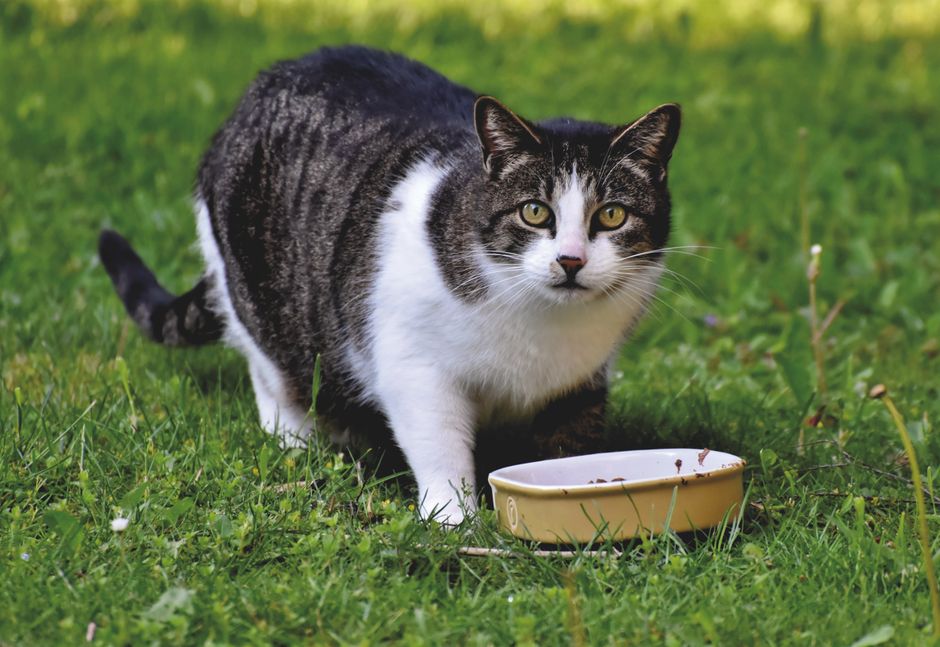
Oregon Cat Dies After Ingesting Pet Food Contaminated with Bird Flu: A Public Health Alert and Pet Owner’s Guide
The alarming news of a domestic cat in Oregon succumbing to H5N1 avian influenza (bird flu) after consuming contaminated pet food has sent ripples of concern through the pet owner community. This tragic event, the first confirmed case of H5N1 in a domestic cat linked to commercially produced pet food, serves as a stark reminder of the interconnectedness of animal and human health and the critical importance of food safety protocols within the pet food industry. The Oregon Department of Agriculture (ODA) and the U.S. Department of Agriculture (USDA) have launched investigations into the incident, focusing on the source of the contamination and the specific pet food product involved. While the risk to the general pet population remains under evaluation, this incident necessitates a comprehensive understanding of avian influenza, its transmission routes, potential risks to pets, and crucial preventative measures for pet owners.
The H5N1 strain of avian influenza, commonly referred to as bird flu, is a highly pathogenic virus that primarily affects birds, both wild and domestic poultry. Historically, its transmission to mammals has been rare, typically occurring through direct contact with infected birds or contaminated environments. However, the recent outbreak of H5N1 in wild birds across North America has led to an increased prevalence and wider geographic distribution of the virus. This broader circulation has, in turn, elevated the potential for spillover events into other animal populations, including mammals. The Oregon case highlights a previously less understood transmission pathway: the consumption of contaminated food products. While the exact mechanism of contamination in this specific instance is still under investigation, it is theorized that ingredients used in the pet food, potentially raw meat or by-products sourced from poultry or other animals that had come into contact with infected wild birds, may have been the conduit for the virus.
Understanding the pathogenesis of H5N1 in mammals is crucial. When ingested, the virus can infect cells in the respiratory and gastrointestinal tracts. Symptoms in mammals can vary widely, but in the context of H5N1, they can range from mild, flu-like signs to severe respiratory distress, neurological issues, and, in the most severe cases, death. The Oregon cat exhibited symptoms consistent with a severe systemic infection, ultimately leading to its demise. This case underscores that while domestic cats are not considered a primary host for H5N1, they can be susceptible to infection and can potentially develop severe illness. The implications extend beyond cats, raising questions about the potential risks to other companion animals, such as dogs, which may also consume commercially produced pet food containing similar ingredients.
The investigation by the ODA and USDA is multifaceted, aiming to identify the specific manufacturing facility, the implicated batch of pet food, and the precise point of contamination. This rigorous scientific inquiry is vital for preventing future occurrences. Key areas of focus will include tracing the supply chain of raw ingredients, reviewing manufacturing processes and sanitation protocols, and conducting extensive testing of food products and raw materials. Public health agencies are collaborating to ensure that any identified contaminated products are removed from the market swiftly and effectively. Pet owners are urged to remain vigilant and report any concerns about their pet’s health or their pet food to their veterinarian and relevant animal health authorities.
For pet owners, the Oregon incident triggers an immediate need for heightened awareness and proactive measures. The most direct advice, pending further information from ongoing investigations, is to scrutinize the pet food products they are purchasing. While mass recalls are a possibility, proactive measures are essential. Pet owners should prioritize pet foods that are manufactured by reputable companies with strong quality control and food safety records. Information about these companies’ sourcing practices and safety certifications can often be found on their websites or by contacting their customer service departments. The ODA and USDA have issued advisories recommending that pet owners avoid feeding their pets raw or undercooked animal products, especially those that may have come from wild birds or animals with unknown health statuses. This recommendation, while always a good practice for general food safety, takes on increased importance in light of the H5N1 spread.
Furthermore, responsible pet ownership also extends to environmental awareness. Pet owners should minimize their pets’ exposure to wild birds, particularly those that appear sick or deceased. This includes preventing cats from hunting wild birds and supervising dogs when they are outdoors to prevent them from scavenging. Areas where wild birds congregate, such as parks and bodies of water, should be approached with caution. Prompt and appropriate disposal of dead wild birds is also crucial. If a pet owner discovers a dead wild bird, they should avoid direct contact and report it to their local wildlife agency or animal control. This reporting helps in tracking the spread of avian influenza and implementing necessary public health interventions.
The scientific community and regulatory bodies are actively working to assess the broader risk of H5N1 transmission through pet food. This involves ongoing surveillance of both wild bird populations and domestic animals, as well as epidemiological investigations into any suspected cases. The ODA and USDA will undoubtedly provide further guidance and updates as more information becomes available. Pet owners are encouraged to stay informed by monitoring official channels, including the websites of the ODA, USDA’s Animal and Plant Health Inspection Service (APHIS), and the Centers for Disease Control and Prevention (CDC). These agencies are the most reliable sources of information regarding the evolving H5N1 situation and its implications for pet health.
The implications of this Oregon cat’s death extend to the broader discussion of pet food safety and the regulatory framework surrounding its production. The pet food industry relies on a complex supply chain, and ensuring the safety of all ingredients, from their source to the final product, is a significant challenge. This incident is likely to prompt a re-evaluation of current testing protocols and regulatory oversight within the pet food sector. Increased testing for zoonotic diseases like H5N1 in raw ingredients and finished products may become more widespread. The industry itself will likely face increased pressure to enhance its traceability and transparency regarding ingredient sourcing.
For veterinarians, this case presents a new diagnostic challenge and an opportunity to educate pet owners. They are on the front lines of animal health and play a critical role in identifying potential cases, advising on preventative measures, and reassuring concerned pet owners. Veterinarians are likely to see an increase in inquiries about avian influenza and pet food safety. Providing accurate, evidence-based information and guidance will be paramount. The veterinary community will also be crucial in reporting suspected cases of H5N1 in pets, contributing to the ongoing surveillance and understanding of the virus’s spread.
The economic implications for the pet food industry are also significant. A widespread contamination event could lead to substantial financial losses due to product recalls, reputational damage, and decreased consumer confidence. Companies that prioritize rigorous quality control and robust food safety measures will likely emerge from this situation with greater trust and resilience. The incident serves as a potent reminder that the health and safety of pets are intrinsically linked to the integrity of the pet food supply chain.
The Oregon H5N1 avian influenza case in a domestic cat, while deeply unfortunate, serves as a critical catalyst for enhanced vigilance and proactive measures within the pet owner community and the pet food industry. It underscores the dynamic nature of zoonotic diseases and the importance of a One Health approach, recognizing the interconnectedness of human, animal, and environmental health. By staying informed, implementing preventative measures, and supporting robust regulatory oversight, pet owners can play a vital role in safeguarding the health and well-being of their beloved companions in the face of evolving public health challenges. The ongoing investigations will undoubtedly shed more light on the specifics of this incident, and continuous adaptation of best practices will be essential for mitigating future risks. The focus remains on protecting animal health and, by extension, contributing to broader public health security.


