Tributes Pour In for Kaylee Hottle, Young Star of Godzilla Franchise, Following Tragic Passing

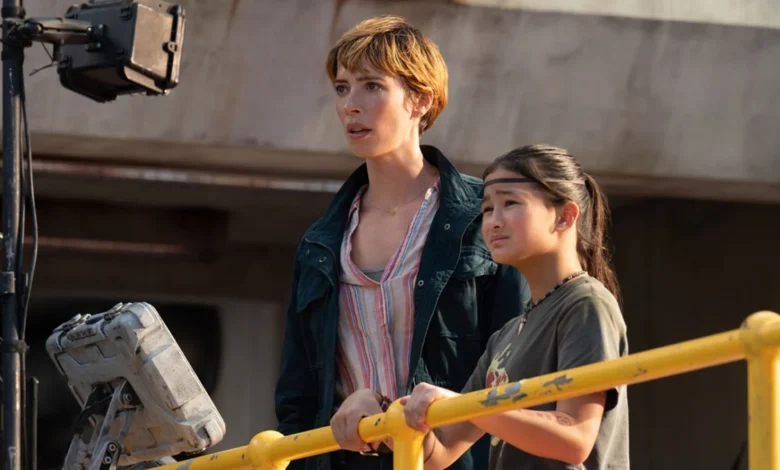
The entertainment industry is in mourning following the sudden and tragic death of Kaylee Hottle, the gifted young actress who captivated audiences as Jia in Legendary’s Monsterverse franchise, including Godzilla vs. Kong and Godzilla x Kong: The New Empire. Hottle, who was just 18 years old, passed away on Tuesday as a result of a car crash, a devastating loss that has sent shockwaves through her professional circle and beyond. Her father confirmed the heartbreaking news via an American Sign Language video shared on Facebook, marking a somber moment for all who were touched by her talent and spirit.
Hottle’s journey in the Monsterverse began at the tender age of nine, with her feature film debut in the 2021 blockbuster Godzilla vs. Kong. In this monumental film, she portrayed Jia, a deaf, orphaned indigenous Iwi girl who formed a profound bond with the mighty Kong. Her portrayal was not only a significant moment for representation within the deaf community and for indigenous actors but also a testament to her natural ability to convey deep emotion and connection, even amidst the colossal battles between titans.
Her presence in the franchise continued with the 2024 sequel, Godzilla x Kong: The New Empire. In this installment, Hottle’s character, Jia, played an even more integral role, with her relationship with Dr. Ilene Andrews, portrayed by acclaimed actress Rebecca Hall, taking center stage. Dr. Andrews, an anthropological linguist specializing in government monster research, served as Jia’s guardian and mentor, and their evolving dynamic provided a crucial human element to the epic narrative of monster warfare and discovery. Hottle’s ability to hold her own alongside seasoned actors and CGI titans underscored her exceptional talent and remarkable presence on screen.
The news of Hottle’s passing has prompted an outpouring of heartfelt tributes from her co-stars, directors, and the production company behind the films. Rebecca Hall, who shared significant screen time and a deep on-screen connection with Hottle, expressed her profound grief on Instagram. Sharing a series of poignant photos of herself with Hottle, Hall wrote, "Devastated to hear this news. My heart goes out to your family. You will be missed Kaylee." Her words reflect the genuine bond formed during their collaboration, highlighting Hottle’s impact not just as a performer but as a person.
Millie Bobby Brown, a prominent figure in the broader Godzilla cinematic universe, having starred in Godzilla: King of the Monsters (2019) and Godzilla vs. Kong, also took to her Instagram Story to honor the young actress. "I’m so devastated to hear this. You will be deeply missed Kaylee," Brown posted alongside a memorable photo of Hottle from Godzilla vs. Kong. This sentiment from Brown further emphasizes the familial atmosphere that developed within the Monsterverse production, where actors, despite potentially not sharing scenes, recognized and valued each other’s contributions.
Dan Stevens, who also appeared in Godzilla x Kong: The New Empire, shared his sorrow via his Instagram Story, accompanying a tribute photo of Hottle with a broken heart emoji, a simple yet powerful expression of his grief and respect.
Legendary Pictures, the studio responsible for bringing these colossal creatures to life, issued a formal statement on X (formerly Twitter) that underscored Hottle’s significant contribution to the franchise. "We are devastated by the tragic passing of Kaylee Hottle," the statement read. "Through her unforgettable portrayal of Jia, Kaylee brought extraordinary heart, humanity, and light to Godzilla, Kong, and the Monsterverse. She was a cherished member of our film family, and her kindness, warmth, and remarkable talent touched everyone fortunate enough to work alongside her. Our hearts are with her family, friends, and all who knew and loved her during this unimaginably difficult time." This official acknowledgment from Legendary speaks volumes about Hottle’s impact on the creative and professional environment of the film’s production.
The broader deaf community and its allies have also expressed their deep sorrow. Marlee Matlin, a trailblazing deaf actress and Oscar winner, shared her profound sadness on Facebook. "I am absolutely gutted about the passing of sweet Kaylee Hottle. May her beauty and talent be a memory for eternity," Matlin wrote, her words resonating with the significance of Hottle’s presence as a role model and a symbol of burgeoning opportunities for deaf actors in Hollywood.
A Promising Career Cut Short
Kaylee Hottle’s acting career, though brief, was marked by impactful performances that transcended age and experience. Her debut in Godzilla vs. Kong was a pivotal moment, not just for the film’s narrative but for its potential to inspire. As Jia, she navigated complex emotional arcs and physical demands, showcasing a maturity and depth that belied her young age. Her character’s unique perspective as a deaf child, who communicated through sign language and found a profound connection with the primal force of Kong, offered a fresh and inclusive dimension to the typically action-heavy franchise.
The decision to cast a deaf actress in a role that intrinsically incorporated deafness was a deliberate and commendable choice by the filmmakers. This approach not only provided authenticity but also ensured that the character’s experiences were portrayed with genuine understanding and respect. Hottle’s performance validated this decision, demonstrating that representation in storytelling enriches the narrative and broadens its appeal.
Her return in Godzilla x Kong: The New Empire solidified her importance to the Monsterverse. Jia’s growth and her deepening relationship with Dr. Andrews allowed Hottle to explore more nuanced emotional territory. The film’s narrative arc, which saw Jia playing a crucial role in understanding and interacting with the Hollow Earth creatures, further highlighted her significance as a bridge between the human world and the monstrous realm. This progression in her character’s journey made her loss even more poignant, as audiences were anticipating further development of her talent and her character’s arc.
A Life Dedicated to Performance and Advocacy
While specific details about Hottle’s personal life and her early aspirations are not widely publicized, her immersion into a high-profile franchise at such a young age suggests a profound dedication to the craft of acting. Her father’s confirmation of her death via American Sign Language underscores the importance of accessibility and communication within her family and her broader community. This personal detail also serves as a reminder of the intersecting identities Hottle embodied – as a young woman, an actress, and a member of the deaf community.
The impact of her role as Jia extends beyond entertainment. For many young deaf individuals, Hottle represented a visible and successful presence in mainstream media. Her ability to connect with audiences and contribute to a global blockbuster franchise offered a powerful message of possibility and inclusion. The positive reception to her performance and the character’s storyline indicated a growing appetite for diverse representation in Hollywood, a trend that Hottle’s career helped to champion.
The Monsterverse Family Mourns
The collective grief expressed by her co-stars and the production company paints a picture of a close-knit professional environment. The tributes highlight not only her talent but also her personality – her kindness, warmth, and the light she brought to the set. These personal anecdotes are invaluable, offering a glimpse into the human side of the larger-than-life Monsterverse.
Rebecca Hall’s heartfelt message speaks to the personal connections formed on set, suggesting that Hottle was more than just a colleague; she was a valued member of the extended film family. Similarly, Millie Bobby Brown’s tribute, though brief, carries significant weight, coming from an actress who has herself navigated the pressures and triumphs of stardom from a young age.
Legendary Pictures’ statement is particularly significant, as it formally acknowledges Hottle’s contribution to the overarching narrative and thematic core of the Monsterverse. By stating that she brought "extraordinary heart, humanity, and light," the studio recognizes that her role was instrumental in grounding the fantastical elements of the films with relatable human emotion.
Broader Implications and Legacy
The tragic passing of Kaylee Hottle raises important conversations about road safety, particularly for young drivers. While the specifics of the car crash remain undisclosed, any loss of a young life is a stark reminder of the vulnerabilities inherent in everyday life. The fact that she was only 18 underscores the potential that was tragically cut short.
In the context of Hollywood, Hottle’s legacy is multifaceted. She leaves behind a body of work that will continue to be celebrated and appreciated by fans of the Monsterverse. More importantly, she serves as an inspiration for aspiring actors, particularly those from underrepresented communities. Her success in a major franchise demonstrates that talent and dedication can break barriers and open doors.
The increased visibility of deaf actors in leading roles, a trend partly fueled by successes like Hottle’s and films like CODA (which earned Marlee Matlin and the cast significant accolades), signals a positive shift in Hollywood’s approach to inclusivity. Hottle’s presence in the Monsterverse was a significant step in this direction, showcasing that diversity can enhance, rather than detract from, a film’s commercial and critical appeal.
Her performance as Jia will likely be remembered for its emotional depth and its contribution to a more inclusive and representative cinematic landscape. The tributes from her colleagues and the studio suggest that Kaylee Hottle was not only a talented actress but also a beloved individual whose memory will continue to inspire. As the Monsterverse continues, the absence of her unique light will undoubtedly be felt by all who were fortunate enough to witness her burgeoning talent. The enduring impact of her brief but brilliant career is a testament to her remarkable spirit and her profound contribution to the world of cinema.