Tag San Diego Zoo
San Diego Zoo: A Global Sanctuary of Biodiversity and Conservation
The San Diego Zoo, a globally recognized zoological institution, stands as a titan in the realm of wildlife conservation, research, and public education. Nestled within Balboa Park, this expansive 100-acre sanctuary is not merely a collection of animals; it is a meticulously designed ecosystem that replicates natural habitats, offering visitors an unparalleled immersive experience. Its mission extends far beyond exhibition, actively participating in breeding programs for endangered species, conducting vital scientific research, and fostering a deep connection between humans and the natural world. The zoo’s commitment to conservation is woven into its very fabric, with a significant portion of its resources dedicated to field conservation projects worldwide. From the iconic giant pandas (though no longer present, their legacy of conservation impact is indelible) to the elusive snow leopards and the vibrant array of birds, the San Diego Zoo provides a vital platform for understanding and protecting the planet’s diverse fauna.
A Legacy of Innovation and Conservation:
Founded in 1916 by Dr. Harry M. Wegeforth, the San Diego Zoo has a storied history marked by innovation and a pioneering spirit in zoological practices. Dr. Wegeforth envisioned a zoo that would be more than just a menagerie, but a place for animal welfare, scientific study, and public engagement. Early on, the zoo distinguished itself by moving away from traditional cage enclosures towards more naturalistic, open-air habitats. This revolutionary approach, which began with the construction of the Elephant Odyssey habitat and continued with the creation of the San Diego Zoo Safari Park (originally the San Diego Wild Animal Park), set a new standard for zoos worldwide. The focus shifted to providing animals with spacious environments that mimicked their native landscapes, promoting natural behaviors and enhancing their overall well-being. This commitment to an enriched environment has been a hallmark of the San Diego Zoo’s philosophy, influencing countless other institutions. The zoo’s early success in breeding rare and exotic species, such as the California condor, further cemented its reputation as a leader in conservation efforts. These early successes laid the groundwork for the zoo’s ongoing dedication to saving species from extinction.
Exploring the Diverse Habitats and Iconic Residents:
The San Diego Zoo is organized into distinct ecological zones, each meticulously crafted to replicate the natural environments of its inhabitants. This deliberate design allows for a more authentic and engaging visitor experience, providing a glimpse into the diverse ecosystems of our planet.
-
Africa Rocks: This sprawling exhibit transports visitors to the diverse landscapes of Africa, from the coastal waters of South Africa to the Ethiopian Highlands. Here, one can observe African penguins, baboons, gazelles, and the majestic African lions. The exhibit’s clever layout allows for viewing of the animals from multiple perspectives, enhancing the sense of immersion. The underwater viewing area for penguins is particularly noteworthy, offering a fascinating look at their aquatic agility.
-
Lost Forest: This lush, tropical rainforest biome is home to a dazzling array of primates, including gorillas, orangutans, and lemurs. Visitors can also encounter hippos, jaguars, and a vibrant collection of exotic birds. The dense foliage and cascading waterfalls create an authentic rainforest atmosphere, making it easy to forget you are in Southern California. The primate exhibits are particularly engaging, showcasing the complex social structures and behaviors of these intelligent creatures.
-
Asian Passage: This section of the zoo focuses on the rich biodiversity of Asia, featuring iconic species like the red panda, snow leopard, and Malayan tiger. The meticulously designed enclosures evoke the mountainous terrains and dense forests of the continent. The recent addition of the Sumatran tiger habitat further enhances the visitor experience, offering a closer look at these critically endangered big cats.
-
Elephant Odyssey: This groundbreaking exhibit is one of the largest in the zoo, spanning 7.5 acres. It provides ample space for the zoo’s Asian elephants to roam, socialize, and engage in natural behaviors. The exhibit also features a diverse collection of animals that would have coexisted with elephants in prehistoric California, including California condors, jaguars, and lions. The interactive elements and educational displays within Elephant Odyssey offer valuable insights into elephant conservation and the importance of preserving large, wild landscapes.
-
Northern Frontier: This exhibit captures the essence of the Arctic and sub-Arctic regions. Visitors can observe polar bears, arctic foxes, and reindeer in habitats designed to simulate their icy domains. The cooler climate created within this section of the zoo allows these animals to thrive. The underwater viewing tunnel for the polar bears is a highlight, providing a unique perspective on their swimming prowess.
-
Outback: This area celebrates the unique wildlife of Australia, featuring kangaroos, koalas, and wallabies. The arid landscapes and eucalyptus trees create an authentic Australian bushland atmosphere. Visitors can often see kangaroos hopping freely within their enclosure, offering a close encounter with these marsupial icons.
Conservation at the Forefront: Beyond the Exhibits:
The San Diego Zoo’s impact on global conservation is profound and far-reaching. Its commitment extends far beyond the confines of its enclosures, with extensive field programs dedicated to protecting endangered species in their natural habitats. The zoo is a leading participant in species survival plans (SSPs), collaborative efforts among accredited zoos and aquariums to manage and breed populations of threatened and endangered species.
-
Breeding Programs: The zoo plays a critical role in breeding programs for a multitude of endangered animals. Their success in breeding species like the giant panda, though the pandas are no longer at the San Diego Zoo, has been instrumental in understanding their reproductive biology and ensuring their long-term survival. More recently, their efforts with species like the rusty patched bumble bee, California condor, and various primates have yielded significant results. These programs aim to maintain genetically diverse and healthy populations that can potentially be reintroduced into the wild.
-
Field Conservation: The San Diego Zoo Wildlife Alliance (SDZWA), the parent organization of the zoo and Safari Park, actively supports and conducts conservation projects in over 60 countries. These initiatives focus on a wide range of threats, including habitat loss, poaching, and climate change. Examples include efforts to protect rhinos in Africa, orangutans in Borneo, and jaguars in Central America. The research conducted by SDZWA scientists in the field provides crucial data that informs conservation strategies and policy decisions.
-
Research and Education: The zoo is a hub for scientific research, with dedicated staff and facilities focused on animal behavior, genetics, reproduction, and veterinary care. This research directly contributes to our understanding of animal biology and informs conservation efforts. Furthermore, the San Diego Zoo is a vital educational institution, offering a wide array of programs for all ages, from school field trips and summer camps to adult lectures and workshops. These programs aim to foster a deeper appreciation for wildlife and inspire the next generation of conservationists.
The San Diego Zoo Safari Park: An Extension of the Mission:
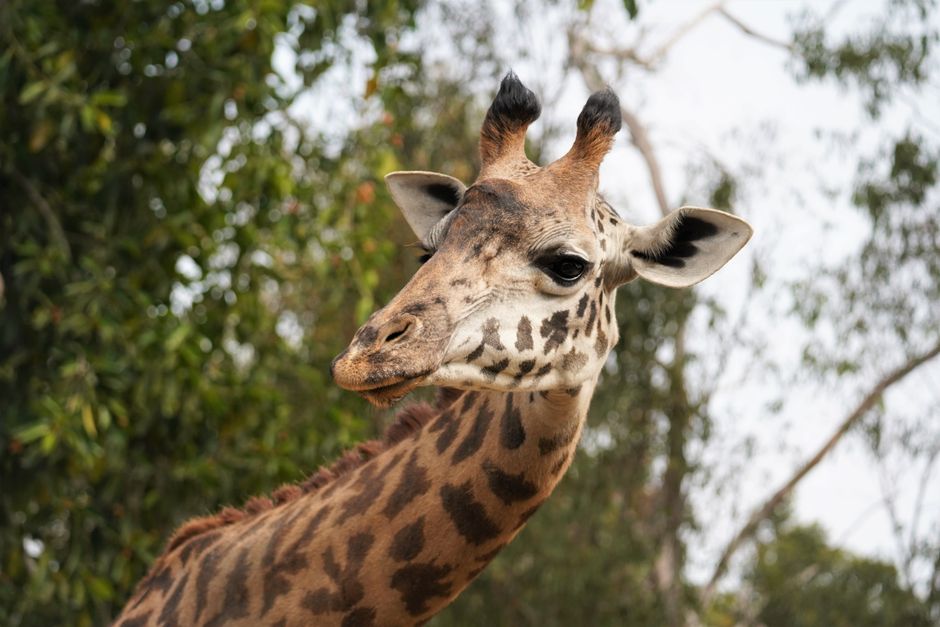
While this article focuses on the San Diego Zoo within Balboa Park, it is crucial to acknowledge the complementary role of the San Diego Zoo Safari Park, located 30 miles north in Escondido. The Safari Park offers a different, yet equally impactful, conservation experience. Its vast open-range enclosures allow for the observation of large herds of animals roaming in expansive, savanna-like habitats, mimicking their natural environments on a grand scale. Species like giraffes, rhinos, zebras, and antelopes are the stars of this sanctuary, offering visitors a unique perspective on their social behaviors and ecological roles. The Safari Park’s focus on creating expansive, naturalistic habitats further reinforces the San Diego Zoo Wildlife Alliance’s commitment to species conservation and habitat preservation.
Visitor Experience and Accessibility:
The San Diego Zoo is renowned for its exceptional visitor experience. The park’s layout is designed to be easily navigable, with well-maintained pathways and ample signage. The Kangaroo Express Bus and the guided tram tour offer convenient ways to explore the vast grounds and learn more about the animals and conservation efforts from knowledgeable guides. The zoo also provides a range of amenities, including dining options, gift shops, and accessibility services for visitors with disabilities, ensuring a comfortable and enriching visit for everyone. Interactive exhibits, keeper talks, and animal encounters further enhance the educational and engaging nature of the zoo.
Technological Advancements and Future Directions:
The San Diego Zoo continually embraces technological advancements to enhance animal welfare, conservation efforts, and visitor engagement. This includes the use of sophisticated monitoring systems for animal health, advanced genetic analysis for breeding programs, and innovative educational tools for public outreach. Looking forward, the zoo remains committed to expanding its conservation reach, developing new breeding strategies for critically endangered species, and continuing its pioneering research in wildlife biology. The integration of virtual reality and augmented reality technologies is also being explored to create even more immersive and educational experiences for visitors, bringing the wonders of wildlife to a global audience. The ongoing commitment to innovation ensures that the San Diego Zoo will remain at the forefront of zoological science and conservation for generations to come.
Conclusion:
The San Diego Zoo is more than just a tourist attraction; it is a vital global force for wildlife conservation. Through its innovative exhibits, dedicated breeding programs, extensive field research, and unwavering commitment to education, the zoo plays an indispensable role in protecting the planet’s biodiversity. Its legacy of pioneering practices and its forward-thinking approach to conservation make it a beacon of hope for endangered species worldwide. A visit to the San Diego Zoo is an opportunity to connect with the natural world, gain a deeper understanding of conservation challenges, and contribute to the vital mission of saving species from extinction.