Republican Midterm Devastation Met With Defiance As Florida Congressman Randy Fine Warns GOP Misread Electorate And Faces An Uphill Battle In Congress

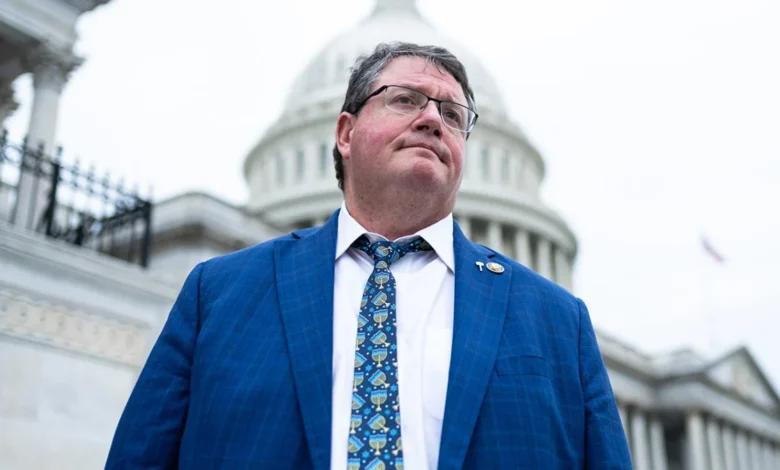
In the wake of a bruising nationwide midterm election cycle that handed Democrats commanding majorities in both chambers of Congress, the Republican Party is grappling with a severe post-mortem. While a broad "blue tsunami" swept across large swathes of the United States, shifting the balance of legislative power away from the GOP, certain regional strongholds managed to buck the prevailing political current. Among those who not only survived but expanded their electoral margins is Florida Congressman Randy Fine. In an exclusive interview, Fine offered a stark assessment of his party’s national shortcomings, asserting that the GOP fundamentally misread the contemporary American electorate and must now prepare for a contentious, defensive legislative landscape over the next two years.
The 2026 midterm elections delivered a stinging blow to Republican national aspirations. While the party successfully maintained its foothold in key southern states—securing the Florida governor’s mansion under candidate Byron Donalds, retaining the state Senate race, and keeping a steady 20-8 edge in the U.S. House of Representatives—the broader national picture told a vastly different story. Across the country, Republican candidates faced significant voter backlash, losing critical swing districts and forfeiting their previous majorities in Washington. Political analysts have pointed to a combination of voter fatigue, economic anxieties, and mismanaged national messaging as primary catalysts for the shift.
Amid this nationwide red wave’s reverse, Congressman Fine’s performance stood out as an anomaly. Having previously won a hard-fought special election in which opponents poured approximately $14 million into defeating him—a race he secured by a 14-point margin—Fine expanded his advantage even further, winning his reelection bid by 19 points. When asked to account for the stark divergence between his district’s success and the national party’s losses, Fine pointed directly to authenticity, relentless constituent service, and a willingness to confront contentious issues head-on rather than relying strictly on political polling.
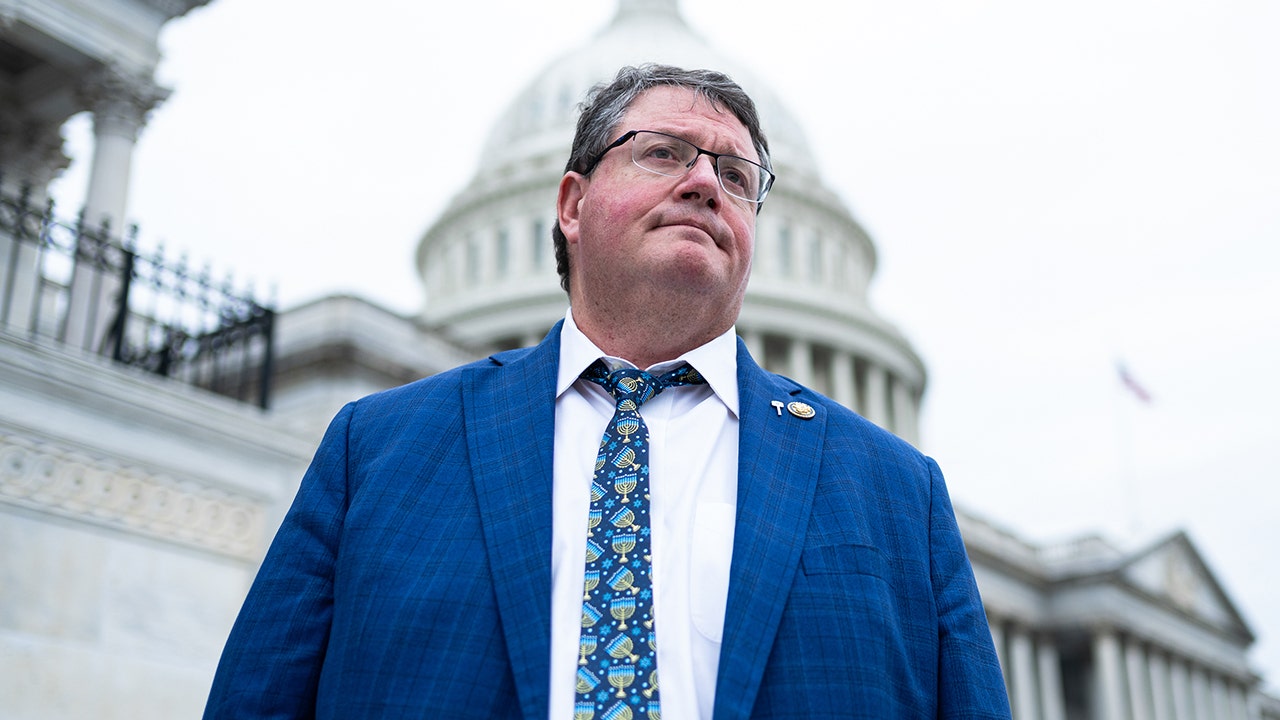
Analyzing the Florida Exception Versus National Defeat
According to Fine, the success of the Florida Republican ticket stemmed from a combination of strong leadership at the top and a proactive, unyielding defense of conservative governance. He praised state leaders such as Byron Donalds, whom he described as an exceptional spokesman for the conservative movement, and seasoned statewide official Ashley Moody, noting that Florida voters recognize the stability and economic prosperity of their state and were unwilling to risk it on shifting national political tides.
Conversely, Fine argued that the national Republican apparatus failed to convince everyday Americans that the party genuinely cared about their daily struggles. While he emphasized that the intent to serve the public was present, the communication of those values fell woefully short. Eschewing the urge to point fingers at specific national leaders, Fine instead adopted a team-oriented perspective, stating that because the collective party lost, every member shares in that responsibility—including himself. However, he maintained that his personal electoral success proves that voters respond positively to candidates who project strength, conviction, and an unshakeable commitment to local and national security.
Preparing for a Two-Year Legislative Defense
With Democrats firmly entrenched in the leadership of both the House and the Senate, the upcoming legislative session promises profound ideological gridlock. Fine anticipates that the next two years will be defined by a defensive posture, requiring Republicans to vigorously push back against progressive policies and systematically articulate the potential harms of Democratic legislative priorities to the American public.
Drawing on advice from his father—who reminded him that he was built for political combat—Fine signaled that congressional Republicans will not surrender the policy debate, even from a minority position. The primary focus, he suggested, will be countering what he characterizes as detrimental overreach and explaining to voters why specific platform proposals advanced during the campaign trail threaten the country’s economic and social stability.

The Central Battleground: Immigration and National Sovereignty
At the forefront of Fine’s concerns for the coming congressional term is immigration policy. He warned that the newly empowered Democratic majority will likely seek to reverse stringent border enforcement measures, reopen entry points, and pursue comprehensive amnesty programs for undocumented individuals currently residing in the United States. Furthermore, Fine expressed deep apprehension regarding the cultural and structural implications of these anticipated shifts, arguing that the political opposition intends to deprioritize assimilation requirements in favor of policies that he contends degrade traditional American civic identity. For the GOP minority, standing firm against these initiatives will serve as the core legislative rallying cry.
Demographic Shifts and Regional Contrasts
Expanding his critique beyond Florida, Fine examined the contrasting fortunes of other traditionally red states, specifically highlighting Texas. He suggested that Texas suffered electoral setbacks due to a failure to manage the compounding pressures of high volumes of unlawful border crossings alongside a perceived complacency regarding demographic and cultural shifts. By contrast, Fine argued that Florida’s aggressive posture on state security and cultural preservation insulated it from the political contagion that affected other parts of the Sun Belt.
The conversation also turned toward individual high-profile races across the country, with Fine voicing severe concern over the electoral victory of Michigan Senator-elect Abdul El-Sayed. Characterizing the outcome as a historically troubling development, Fine expressed deep dismay over El-Sayed’s rise to the federal legislature, warning that the incoming senator’s policy positions and background represent a fundamental danger to national security and constitutional governance. For Fine, watching the broader electoral map collapse on election night provided a sobering counterweight to his own local victory, underscoring the gravity of the ideological battles ahead.
Leadership Transitions in the House Minority
As the Republican caucus in the House of Representatives prepares to reorganize following the election losses, questions loom regarding future minority leadership. With current leadership configurations shifting—and with former Speaker Mike Johnson having formally removed himself from consideration for the minority leader post—speculation has centered on high-profile figures such as Jim Jordan and Steve Scalise. When pressed on potential leadership dynamics, Fine adopted a measured approach, indicating that he had not yet engaged in direct discussions with potential contenders as they navigate the immediate aftermath of the disappointing cycle.

Implications for the 119th Congress and Beyond
The 2026 midterm results mark a significant pivot point in contemporary American politics, effectively resetting the balance of power in Washington and setting the stage for high-stakes legislative brinkmanship. As Democrats prepare to wield unified control of the legislative branch, the Republican minority faces an existential crisis of messaging and strategy. Lawmakers like Randy Fine advocate for a return to combative, populist retail politics centered on localized accountability and aggressive defense of borders and cultural norms. Whether the broader GOP adopts this blueprint or attempts a different course of rehabilitation will determine the trajectory of the party heading into the next presidential election cycle. For now, Capitol Hill braces for an intensely polarized two-year term defined by trench warfare over immigration, national security, and the fundamental identity of the nation.
Related posts: