Democratic State Senator Cindy Holscher Secures Historic Victory in Kansas Gubernatorial Race to Succeed Term-Limited Governor Laura Kelly

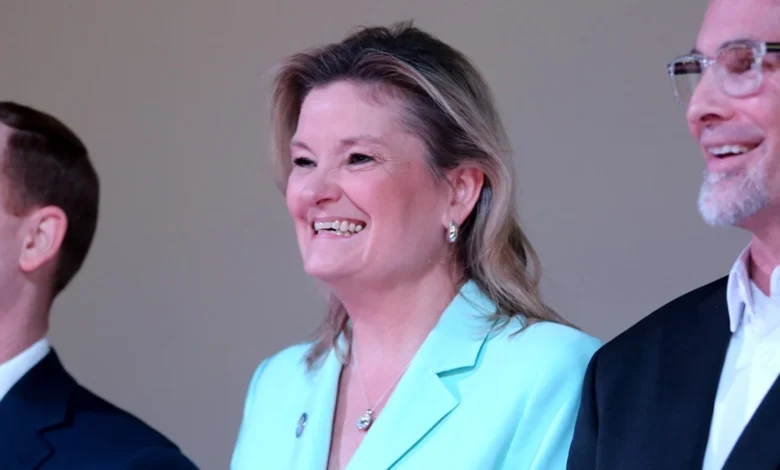
Democratic state Sen. Cindy Holscher has won the high-stakes Kansas gubernatorial election, defeating Republican Kansas Senate President Ty Masterson in a closely watched contest. The Associated Press officially projected Holscher’s victory following the November 3 election, cementing a significant political triumph for the Kansas Democratic Party.
The outcome of the race preserves Democratic control of the governor’s office in a traditionally conservative-leaning Midwestern state. Holscher succeeds outgoing Democratic Gov. Laura Kelly, who was term-limited and ineligible to seek a third consecutive term. With this win, Democrats have successfully retained the Kansas executive mansion for the third consecutive gubernatorial election cycle, a streak that began when Kelly first won the office in 2018 and subsequently secured her re-election in 2022.
The fiercely contested open race drew intense national and statewide attention, reflecting broader political battlegrounds over state-level executive leadership, legislative majorities, and hot-button cultural and social issues. Holscher’s victory over Masterson—one of the most powerful Republican figures in the state legislature—underscores the unique dynamics of Kansas politics, where voters have frequently demonstrated a willingness to split tickets and elect moderate-leaning or pragmatic executives even as the legislature remains heavily conservative.
A Hard-Fought Primary and Path to the General Election
Holscher’s journey to the governor’s mansion was marked by early challenges, notably within her own party during the primary election season. A seasoned state lawmaker, Holscher has represented her district in the Kansas Senate since 2021, prior to which she served a four-year tenure in the Kansas House of Representatives, building a reputation as an active and vocal legislator on fiscal, educational, and social policy.
In the August Democratic primary, Holscher faced a formidable intra-party challenge from fellow state Sen. Ethan Corson. Corson entered the primary contest backed by prominent Democratic heavyweights, including outgoing Gov. Laura Kelly and former Kansas Gov. Kathleen Sebelius. Despite the establishment backing of her opponent, Holscher mounted a vigorous grassroots campaign that resonated with the party’s primary electorate, ultimately securing the Democratic nomination and positioning herself for the general election showdown against the Republican legislative leadership.
On the Republican side, Ty Masterson emerged from a crowded and competitive GOP primary field. Masterson, who has served as the president of the Kansas Senate since 2021, consolidated significant conservative support during his primary campaign, ultimately earning a high-profile endorsement from former President Donald Trump. Masterson’s legislative record and his leadership position in the statehouse made him a standard-bearer for the Kansas Republican Party’s legislative agenda, setting up a classic ideological matchup between a legislative leader representing the conservative status quo and a Democratic senator running on a platform of continued executive stewardship.
Campaign Controversies and Flashpoints
The gubernatorial campaign was not without controversy, particularly as both candidates sought to mobilize their respective bases while appealing to independent voters in the suburban corridors of Johnson County and other key voting blocs.
Earlier in the campaign cycle, Holscher faced intense scrutiny and national media attention following the resurfacing of social media posts from 2023. In those posts, Holscher suggested that Jesus Christ could have been transgender. The remarks had originally been made during a heated legislative debate over proposed Kansas legislation aimed at restricting drag performances in front of children.
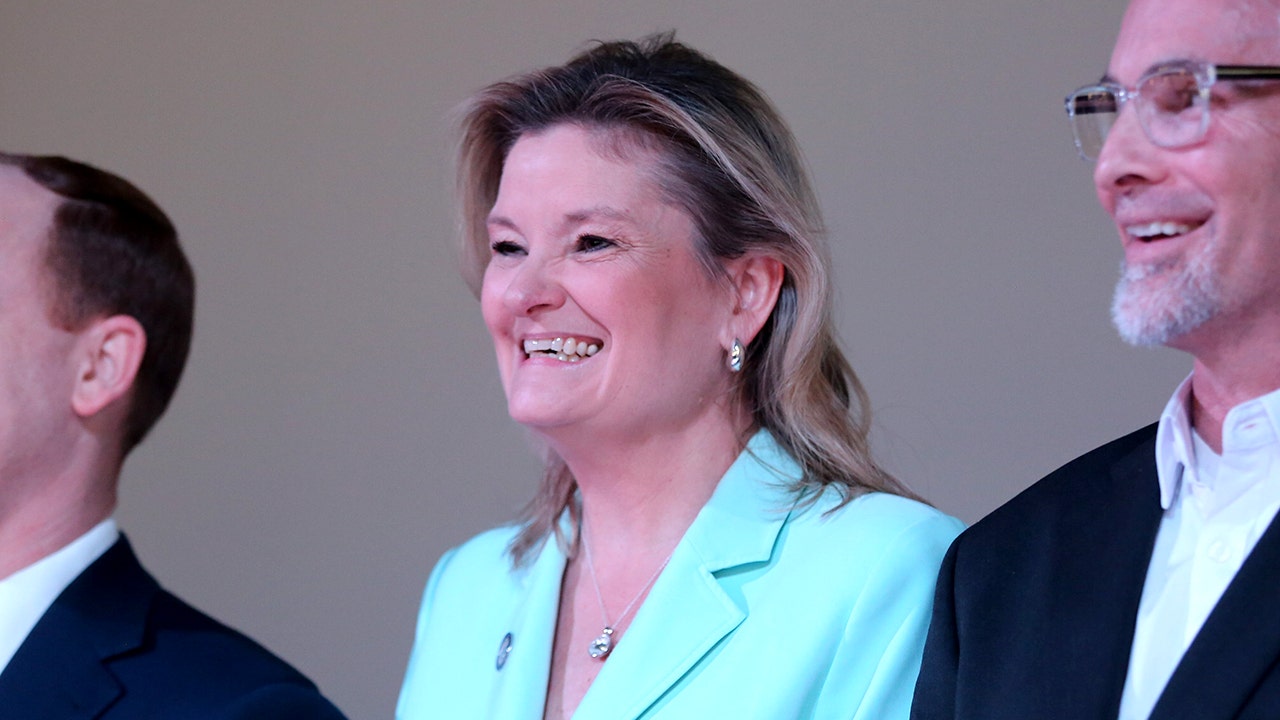
The unearthed commentary drew sharp rebukes from conservative organizations, religious groups, and her political opponents, who sought to frame the remarks as outside the mainstream values of Kansas voters. Masterson and allied political action committees highlighted the statements in campaign advertisements, attempting to paint Holscher as out of touch with the state’s cultural sensibilities.
Holscher and her supporters defended her statements as a commentary on compassion, inclusivity, and the historic context of marginalization, while maintaining that her primary focus as governor would be on core economic issues, fully funding public education, expanding healthcare access, and fostering economic growth across both rural and urban communities in Kansas. Despite the intense scrutiny surrounding the social media controversy, Holscher’s campaign maintained its momentum, focusing heavily on reproductive rights, healthcare access, and the protection of public education funding—issues that have consistently proven to be potent motivators for Democratic and moderate voters in Kansas elections.
Historical Context and Political Dynamics in Kansas
The retention of the governorship by the Democratic Party continues a fascinating political trend in Kansas, a state that has long maintained a reliable Republican majority in federal elections and state legislative chambers. While Kansas is heavily conservative in presidential and congressional voting patterns, the state has periodically elected Democratic governors who campaign on pragmatic governance, fiscal responsibility, and independence from partisan extremes.
Gov. Laura Kelly’s tenure was defined by bipartisan cooperation with a Republican-controlled legislature, regular vetoes of socially conservative legislation, and a focus on economic development, including attracting major corporate investments to the state. Holscher campaigned heavily on building upon Kelly’s economic legacy, emphasizing job creation, workforce development, and maintaining fiscal stability.
With Masterson leading the Kansas Senate, the dynamic between the executive branch and the legislative branch will remain a focal point of state politics. Masterson’s defeat in the gubernatorial race leaves him in his position as Senate President, ensuring that the legislative leadership that sparred with Gov. Kelly will remain a formidable counterweight to the incoming Governor Holscher. Observers anticipate that Kansas politics will continue to feature high-stakes legislative battles, particularly regarding tax policy, public education, healthcare expansion, and reproductive rights.
Implications for the Future of Kansas Governance
Holscher’s victory carries significant implications for the policy landscape of Kansas over the next four years. As governor, she will wield the constitutional power of the executive veto, a tool that Gov. Kelly used frequently to check conservative legislative priorities.
Key policy areas expected to define the early days of the Holscher administration include:
- State Budget and Taxation: Balancing state revenues with demands for tax relief, including ongoing debates over food sales tax exemptions and income tax adjustments.
- Education Funding: Ensuring continued compliance with judicial mandates regarding public school funding and addressing teacher retention and educational outcomes.
- Healthcare Policy: Navigating the ongoing legislative debate surrounding Medicaid expansion, a policy supported by the executive branch but historically resisted by conservative leadership in the statehouse.
- Energy and Infrastructure: Capitalizing on recent economic development successes and positioning Kansas to benefit from federal infrastructure investments in clean energy, broadband expansion, and transportation networks.
As the smoke clears from a grueling and expensive election cycle, state officials and political analysts will turn their attention toward the transition process. Cindy Holscher will prepare to take the oath of office, stepping out of the legislative arena and into the state’s highest executive office, where she will face the complex challenge of governing a politically diverse state with a divided government structure.
Related posts: