Senate Democratic Leadership Faces Internal Upheaval as Progressive Insurgents Challenge Chuck Schumer Following Midterm Gains

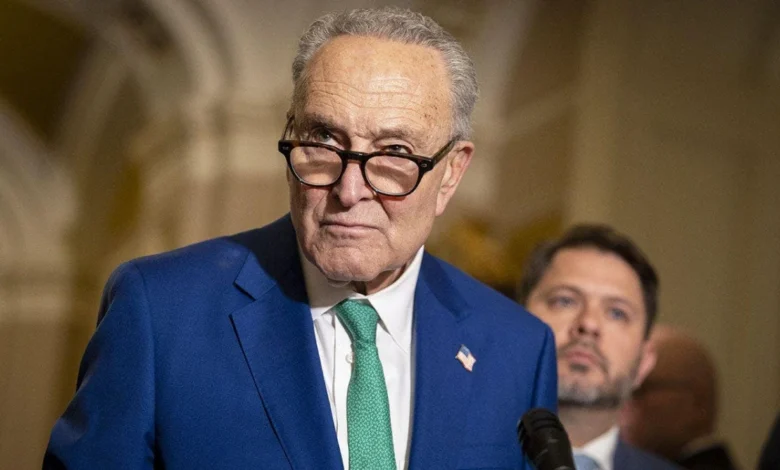
The seismic political shifts that allowed the Democratic Party to flip the United States Senate on Election Night have swiftly rebounded into the chamber’s internal power structures, igniting a fierce leadership struggle. Senate Minority Leader Chuck Schumer of New York, who intends to seek another term as the party’s top official as Democrats prepare to assume the majority next year, is confronting an unprecedented intraparty revolt. Energized by a series of surprising "blue-wave" victories in traditionally deep-red territory, progressive lawmakers and newly elected senators are openly rejecting his bid for a coronation, seeking a fundamental transformation in how the Senate Democratic caucus is run.
The fracturing of the caucus reflects deep-seated ideological tensions that have simmered beneath the surface of the Democratic Party for years. Longtime progressive allies, most notably independent Senator Bernie Sanders of Vermont, alongside newly elected members like Senator-elect Elissa Slotkin of Michigan, have publicly declared that they will withhold their support for Schumer. Meanwhile, detractors within the caucus are actively rallying behind Senator Chris Van Hollen of Maryland—who has openly acknowledged "kicking the tires" on a potential 2028 presidential bid—to mount a serious challenge for the leadership post.
The Roots of the Insurgency and Progressive Grievances
The rebellion against Schumer is not merely personal; it is rooted in longstanding policy and procedural disagreements concerning campaign finance, primary elections, and foreign policy. Critics within the progressive wing argue that the current leadership has routinely tilted the scales against grassroots candidates by aligning too closely with corporate interests and powerful external political action committees.
During a speech at the recent Popular Mandate conference, Senator Van Hollen sharply criticized Schumer’s approach to party management and electoral strategy. "We just saw democracy in America in action. We should bring a little more democracy to the United States Senate," Van Hollen told attendees. He explicitly pointed to the recent election cycle, noting, "We have two newly-elected senators who would not be there if Schumer and the DSCC had their way."
Detractors have taken direct aim at Schumer’s alignment with the cryptocurrency industry and the American Israel Public Affairs Committee (AIPAC), arguing that these entities have worked actively to defeat progressive candidates in primary races across the country. Outside the Capitol, the populist pushback has taken varied forms. Activists from progressive organizations such as Indivisible launched a concerted "Tell Democrats: NO Schumer Coronation" campaign, urging constituents to pressure their senators to block an automatic renewal of Schumer’s leadership. Demonstrators outside Schumer’s personal office echoed these sentiments, chanting slogans demanding a change in leadership. In the adjacent Senate office buildings, visible displays of support for Van Hollen appeared on office plaques, signaling a widening rift among Capitol Hill staffers and lawmakers alike.
A Divided Caucus: Allies Rally to Schumer’s Defense
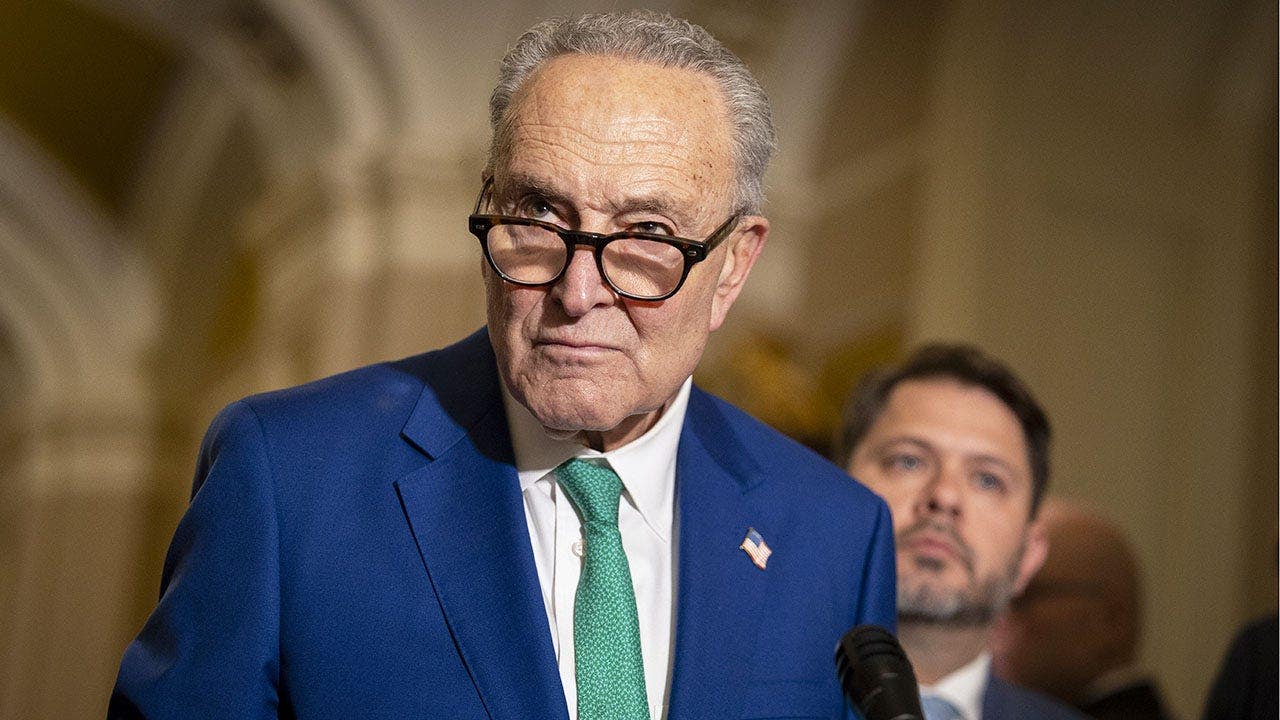
Despite the mounting pressure, Schumer retains a robust network of defenders within the caucus who credit his electoral strategy with delivering the new Senate majority. Senator John Fetterman of Pennsylvania emerged as one of Schumer’s most vocal defenders, sharply dismissing the viability of a challenge from Van Hollen and questioning his colleague’s legislative and political record.
"Well, what’s his record, other than yelling about anti-Israel stuff, or last year when he visited that wife-beating guy in prison," Fetterman said, referencing a controversial trip Van Hollen took to visit a constituent who had been mistakenly deported by the federal administration.
Furthermore, Democratic Senatorial Campaign Committee (DSCC) Chair Kirstin Gillibrand of New York fiercely defended Schumer’s leadership during a press briefing, crediting his strategic vision for the historic midterm gains. Gillibrand pointed to early, aggressive investments in competitive states, including Mississippi, as pivotal to the party’s success.
"And that is why you will see, despite all the grumblings, enormous gratitude for the hard work he has done to get us to this position," Gillibrand stated. "We are about to win nine Senate seats. That has never happened in my political history."
When questioned directly regarding a potential leadership challenge from Maryland’s senator, Schumer maintained a diplomatic posture, emphasizing unity on core legislative priorities. "Chris Van Hollen and I are friends," Schumer remarked. "We talk frequently, and we’re united, united in lowering costs and united in ending this damn war," he added, alluding to ongoing foreign policy crises in the Middle East.
The Impact of Newly Elected Lawmakers
The dynamics of the leadership race are further complicated by a fresh class of senators-elect who arrived in Washington following unexpected triumphs in conservative strongholds. Several incoming members—including Adam Hamilton, Peggy Flanagan, Scott Colom, and Abdul El-Sayed—have publicly stated they will not support Schumer, noting that many of them won their seats despite a lack of institutional backing from the DSCC during their primary campaigns.

Speaking with reporters, El-Sayed noted that the ultimate outcome of the leadership contest remains fluid. "I think we’ll see how things play out," El-Sayed said. "This is a unique moment, and it’s our job to make sure we honor our mandate."
The inclusion of these fresh voices complicates traditional whip counts, as the incoming freshman class holds substantial leverage in a tightly divided chamber where every vote carries immense weight.
Chronology of Events
The timeline leading up to this leadership showdown underscores the rapid acceleration of intraparty friction following the midterm elections:
- Election Night: A broad blue wave sweeps across numerous battleground states and traditional Republican strongholds, resulting in Democrats capturing the Senate majority with a net pick-up of nine seats.
- Post-Election Week: Senate Minority Leader Chuck Schumer announces his intention to seek another term leading the Democratic caucus.
- Mid-November: Progressive leaders, including Senator Bernie Sanders and Senator Elissa Slotkin, announce they will not back Schumer for leadership, calling for structural reforms to primary funding and party governance.
- Popular Mandate Conference: Senator Chris Van Hollen openly criticizes leadership’s interference in primary elections and acknowledges discussions regarding a potential leadership bid.
- Present Day: Activist campaigns mobilize against a "Schumer coronation," while defenders like Senator John Fetterman and DSCC Chair Kirstin Gillibrand push back against the insurgency, setting the stage for a high-stakes internal caucus vote.
Broader Implications for the U.S. Senate
The leadership battle within the Senate Democratic caucus carries profound implications for the legislative agenda of the incoming Congress. As Democrats prepare to take control of the chamber, the outcome of the dispute will signal the ideological direction of the party’s policy priorities, ranging from economic regulation and campaign finance reform to foreign policy and judicial appointments.
If the progressive wing successfully forces a leadership contest or extracts substantial procedural concessions, it could fundamentally alter the relationship between Senate leadership and grassroots political organizations. Conversely, a decisive defense by Schumer and his allies would reaffirm the influence of the party’s established leadership structure, even amidst shifting electoral coalitions. As the caucus prepares for formal leadership votes, the internal debate highlights a party grappling simultaneously with the spoils of electoral victory and deep ideological growing pains.
Related posts: