The North Face Strategic Market Expansion and Consumer Loyalty Initiatives in the Premium Outdoor Apparel Sector

The North Face, a subsidiary of VF Corporation, continues to solidify its position as a dominant force in the global outdoor apparel market by balancing technical innovation with accessible consumer entry points through sophisticated loyalty programs and sustainability-driven resale platforms. As the demand for high-performance gear intersects with the "Gorpcore" fashion trend—where functional outdoor wear is adopted for urban use—the brand has implemented a multi-tiered strategy to maintain its premium status while offering significant value to a diverse demographic. This approach is particularly relevant for consumers in high-latitude regions such as Canada and the Northern United States, where extreme temperatures necessitate reliable insulation. By examining the brand’s current discount structures, its XPLR Pass loyalty program, and its pioneering "Renewed" circular economy model, one can observe a comprehensive blueprint for brand longevity in an increasingly competitive and environmentally conscious retail landscape.
The Evolution of Technical Apparel: From Mountaineering to Urban Staple
Founded in 1966 by Douglas Tompkins and Susie Tompkins as a small mountaineering retail store in San Francisco’s North Beach neighborhood, The North Face has undergone a profound transformation over nearly six decades. The brand’s name was inspired by the coldest, most unforgiving side of a mountain in the Northern Hemisphere, signaling its commitment to extreme performance. By the late 1960s, the company began designing and manufacturing its own brand of technical mountaineering apparel and equipment.
The brand’s expansion into the mainstream consciousness was accelerated by its acquisition by VF Corporation in 2000. Under this corporate umbrella, The North Face expanded its research and development budget, leading to the creation of proprietary technologies such as Thermoball insulation, DryVent waterproof fabrics, and more recently, the Futurelight breathable-waterproof membrane. These innovations have made the brand a staple for residents of cold-weather hubs like Toronto and Montreal, where sub-zero temperatures and heavy snowfall are seasonal certainties. Today, the brand serves two distinct but overlapping masters: the high-altitude adventurer requiring life-saving technical gear and the urban traveler seeking durable, stylish outerwear for everyday commuting and international exploration.
Strategic Consumer Incentivization: The XPLR Pass Loyalty Framework
In a move to increase customer lifetime value and gather deeper data on consumer behavior, The North Face overhauled its loyalty offerings with the introduction of the XPLR Pass. This program serves as a critical pillar of the brand’s direct-to-consumer (DTC) strategy. The mechanics of the XPLR Pass are designed to reward frequent engagement rather than just high-dollar transactions.
Members earn one point for every dollar spent, with a conversion rate that grants a $10 reward for every 100 points accumulated. Beyond simple transactional rewards, the XPLR Pass incentivizes brand-aligned behaviors. For example, members can accrue points by checking in at The North Face retail locations or at U.S. National Parks via the brand’s mobile application. This "gamification" of the outdoor experience encourages consumers to use their gear in the environments for which it was designed, fostering a deeper psychological connection between the product and the lifestyle.
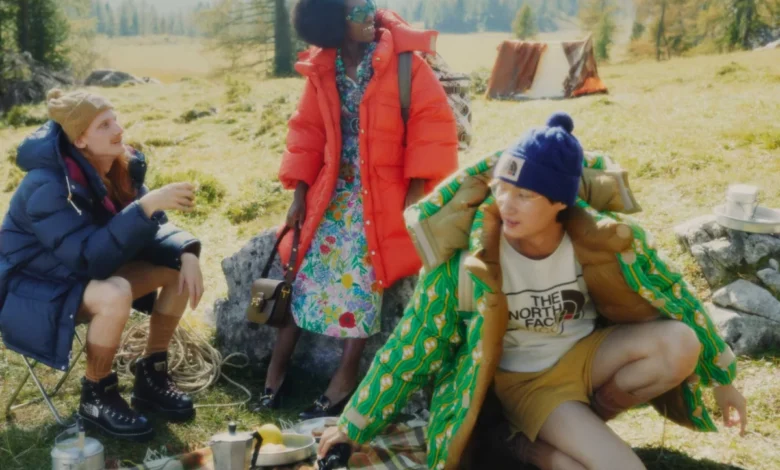
Furthermore, the program offers immediate tangible benefits that lower the barrier to entry for new customers. Upon registration, members typically receive a 10% discount on their first purchase and access to free shipping on all orders. This strategy is particularly effective in the digital age, where shipping costs are often a primary cause of cart abandonment. By offering exclusive access to limited-edition collaborations—such as the high-profile North Face x Skims or North Face x Gucci collections—the brand ensures that its loyalty members feel a sense of elite status, which in turn drives brand advocacy.
Targeted Demographic Discounts and Market Accessibility
Recognizing the economic pressures on specific professional and student demographics, The North Face has implemented a robust verification system through SheerID to provide a consistent 10% discount to students, teachers, and military personnel. This initiative serves a dual purpose: it acts as a corporate social responsibility measure by supporting public servants and the academic community, and it functions as a strategic customer acquisition tool.
By capturing the student market, The North Face builds brand loyalty early in the consumer lifecycle. Students who rely on the brand’s backpacks and rain jackets during their university years are statistically more likely to upgrade to premium parkas and technical hiking boots as their purchasing power increases post-graduation. Similarly, providing discounts to military personnel and educators—groups often characterized by high mobility and a need for durable gear—ensures that the brand remains visible in demanding professional environments.
The Circular Economy: Analysis of the Renewed and Remade Programs
Perhaps the most significant shift in The North Face’s business model is its aggressive pursuit of sustainability through the "Renewed" and "Remade" programs. As the apparel industry faces increasing scrutiny over its environmental footprint, The North Face has moved to decouple growth from the consumption of virgin resources.
The Renewed program is a circular commerce initiative that allows customers to trade in pre-owned gear in exchange for store credit, ranging from $10 to $50 depending on the item’s category and condition. These traded-in items are then professionally cleaned, repaired to the brand’s original standards, and resold at a significant discount—often up to $250 off the original retail price. This secondary market allows the brand to capture value from a single garment multiple times while providing a more affordable entry point for price-sensitive consumers.
The "Remade" program takes this a step further by upcycling garments that are beyond traditional repair. Designers at The North Face take salvaged materials from multiple damaged pieces to create one-of-a-kind, "frankensteined" items. This not only reduces textile waste but also appeals to the modern consumer’s desire for unique, limited-edition fashion. From a journalistic and economic perspective, this represents a transition from a linear "take-make-waste" model to a circular one that aligns with the global shift toward ESG (Environmental, Social, and Governance) excellence.
Seasonal Market Trends and Product Performance Data
While loyalty programs provide steady engagement, seasonal sales events remain the primary driver for clearing inventory and introducing new technical lines. The brand’s current sale cycles often feature discounts of up to 30% on best-selling items, reflecting a broader trend in the retail industry to manage stock levels amid fluctuating global supply chains.
Key products currently seeing high market traction include:
- The Aconcagua 3 Jacket: Utilizing a blend of 600-fill-power down and synthetic insulation, this jacket represents the brand’s mid-tier price point ($140 on sale). Its success is attributed to its high warmth-to-weight ratio and water-repellent finish, making it a versatile choice for both hiking and urban wear.
- The Extreme Pile 2 Full-Zip Jacket: This product caters to the high-pile fleece trend, providing heavy-duty warmth ($112 on sale) for transitional seasons.
- The Surge Luxe Backpack: A specialized version of the classic Surge model, this item features metallic accents and refined aesthetics, targeting the professional commuter market ($102 on sale).
The performance of these products indicates a consumer preference for "hybrid" gear—items that possess the technical specifications of mountain equipment but the aesthetic refinement of high-street fashion.
Broader Impact and Industry Implications
The North Face’s strategy reflects a broader evolution in the $300 billion global outdoor apparel industry. Competitors such as Patagonia and Arc’teryx have also leaned heavily into resale and sustainability, but The North Face’s scale—backed by the resources of VF Corporation—allows it to implement these programs on a much wider basis.
The move toward circularity and loyalty-based discounting is a response to two major macroeconomic factors: inflation and the climate crisis. In an inflationary environment, consumers are more discerning, seeking "investment pieces" that offer longevity and high resale value. By maintaining a high standard of quality and facilitating a formal resale market, The North Face protects the residual value of its products.
Furthermore, the brand’s ability to navigate the "hype cycle" through collaborations with fashion icons ensures it remains culturally relevant. This duality—being both a serious tool for an Everest expedition and a fashion statement on the streets of New York—is a rare achievement in retail.
Conclusion
The North Face has successfully synthesized heritage, technology, and modern retail strategy to maintain its market leadership. Through the XPLR Pass, the brand has built a data-rich ecosystem of loyalists. Through its targeted discounts for students and military members, it has secured future demographics. Most importantly, through its Renewed and Remade programs, it has addressed the urgent need for sustainable consumption models. For the traveler or the outdoor enthusiast, the brand represents more than just apparel; it is a manifestation of a lifestyle that values both performance and responsibility. As the retail landscape continues to shift, the brand’s commitment to "Never Stop Exploring" appears to apply as much to its business model as it does to the mountains its customers climb.