The Ultimate Guide to Barcelona’s Evolving Culinary Scene: Where Tradition Meets Global Innovation

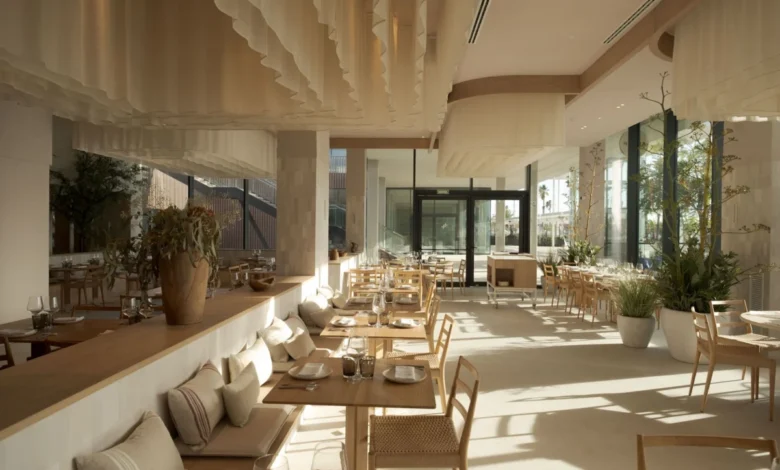
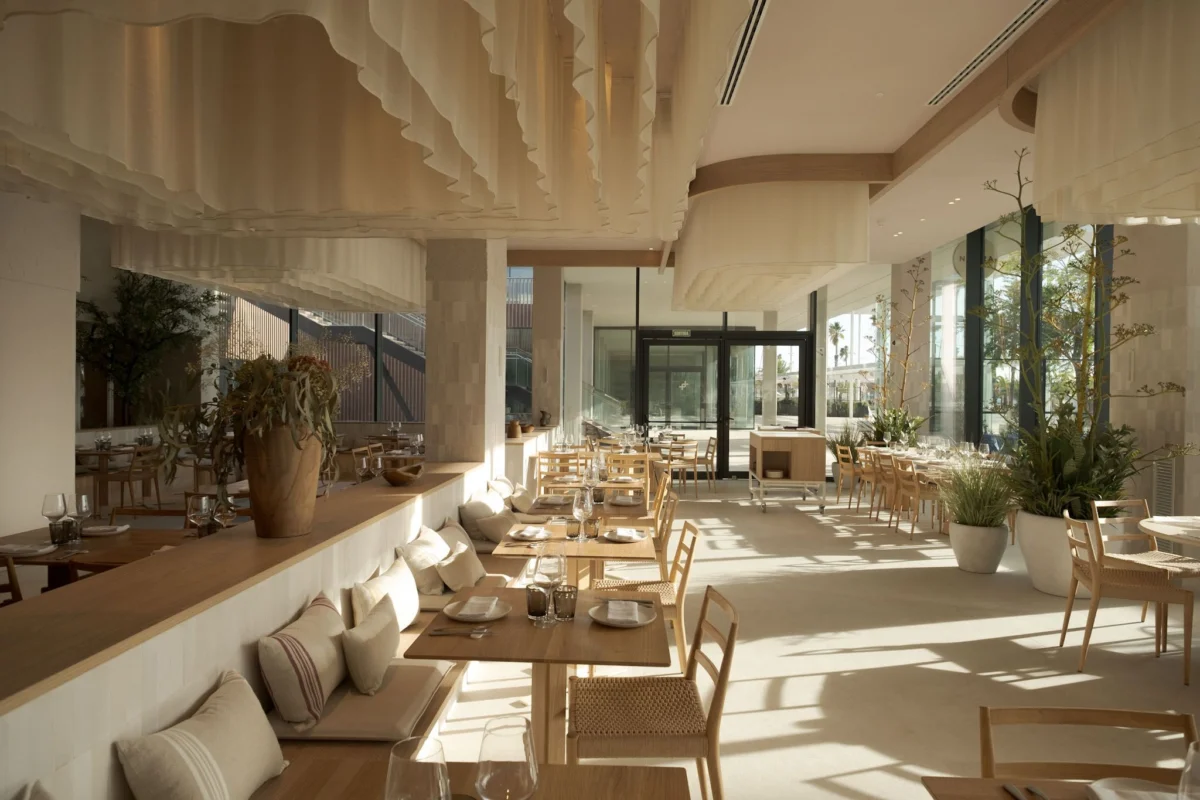
Barcelona continues to cement its status as a premier global gastronomic destination, drawing millions of international travelers annually. While Spain’s economic landscape has shifted and overall travel costs have risen compared to previous decades, the Catalan capital retains a remarkable culinary diversity capable of accommodating a wide array of palates and financial budgets. From traditional, marble-topped bars overflowing with classic tapas to neighborhood bistros championing hyper-local, farm-to-table produce, and world-renowned fine-dining establishments holding multiple Michelin stars, the city offers an eating and drinking culture that justifies a journey from anywhere in the world. Furthermore, the local food ecosystem is experiencing a profound multicultural renaissance. Exceptional Mexican, Peruvian, and Japanese dining concepts are thriving alongside time-honored Catalan institutions, while contemporary chefs continue to honor the region’s rich agricultural roots and winemaking heritage through modern interpretations of classic dishes.
In a metropolis where the dining culture routinely sees leisurely lunches bleed directly into dinner, and evening meals extend well into the early hours of the morning, visitors are routinely advised to adjust their schedules accordingly—incorporating the traditional afternoon siesta and opting for comfortable attire—to fully experience the breadth of Barcelona’s culinary offerings.
The Evolution of Barcelona’s Gastronomic Landscape
To understand Barcelona’s current culinary prominence, one must examine the historical trajectory that transformed the city into an international food capital. For decades, the foundational pillars of Catalan cuisine rested on mar i muntanya (sea and mountain) pairings, fresh seafood from the Mediterranean, and hearty inland produce. The late 20th century, however, marked a pivotal turning point for Spanish gastronomy as a whole, spearheaded by avant-garde chefs who revolutionized cooking techniques, texture, and presentation.
While the closure of legendary establishments like elBulli shifted the global spotlight, it also decentralized culinary innovation across Catalonia. Chefs trained in these rigorous environments fanned out across Barcelona, opening neighborhood bistros and experimental laboratories. By the early 2010s, the city had firmly established a dual identity: a fierce protector of traditional bodega culture and a daring incubator for avant-garde fine dining.
In recent years, this dichotomy has expanded into a rich multicultural tapestry. Immigration and global culinary cross-pollination have introduced sophisticated international flavors. Today, a diner in Barcelona can experience a meticulously executed traditional salt cod esqueixada for lunch, high-end Nikkei cuisine for an afternoon snack, and a modern, tasting-menu interpretation of Catalan viticulture and agriculture by nightfall.
Economic Realities and Pricing in Post-Pandemic Spain
The post-pandemic tourism boom has brought significant economic shifts to Spain, with Barcelona experiencing notable increases in the cost of living, hospitality operations, and travel expenses. According to data from the National Statistics Institute of Spain (INE), inflation and soaring demand have driven up restaurant menus across major urban centers by an average of 15% to 20% compared to pre-2020 levels.
Despite these inflationary pressures, the city’s food scene has maintained its accessibility through tiered dining options. While high-end establishments grapple with rising costs for premium imported and local ingredients—forcing adjustments to tasting menu prices—the neighborhood menu del día (menu of the day) remains a protected institution. Regulated heavily by local custom and consumer expectations, the traditional midday set menu continues to offer working professionals and budget-conscious travelers a multi-course meal, wine, and dessert at remarkably accessible price points, usually ranging from €15 to €25.
Hospitality economists note that this dual pricing structure is crucial for Barcelona’s social fabric. It ensures that while global gourmands fuel the high-end luxury dining sector, local residents and working-class diners can still afford to participate in the city’s vibrant restaurant culture.
Rigorous Evaluation: Methodology Behind Culinary Rankings
Navigating Barcelona’s vast culinary landscape requires a systematic approach to quality control. Major travel publications and gastronomic guides employ rigorous evaluation methodologies to separate exceptional establishments from tourist traps.
Typically, selection committees rely on independent reviews conducted by local contributors and culinary journalists who maintain anonymity during their visits. Unlike crowdsourced review platforms that can be vulnerable to manipulation, professional editorial evaluations assess a comprehensive set of criteria:
- Culinary Execution: Consistency in flavor, technique, and temperature, alongside the distinctiveness of signature dishes.
- Sourcing and Sustainability: A demonstrable commitment to local supply chains, seasonal ingredients, and environmentally conscious waste-management practices.
- Service and Hospitality: The attentiveness, knowledge, and professionalism of front-of-house staff, as well as the overall ambiance of the dining room.
- Inclusivity and Accessibility: Consideration of dietary accommodations, physical accessibility, and fair labor practices within the establishment.
These lists undergo continuous review, with editorial teams frequently updating their recommendations to reflect seasonal changes, new chef appointments, and the closure or evolution of existing venues.
Chronology of Modern Catalan Dining Trends
- 1990s–2010: The rise of molecular gastronomy and avant-garde cuisine places Catalonia at the absolute forefront of global culinary innovation, drawing international chefs and food critics to the region.
- 2011–2015: Following the closure of experimental pioneer elBulli, the culinary movement decentralizes. Chefs pivot toward high-end casual dining, artisanal markets, and the revival of neighborhood bodegas.
- 2016–2019: Global culinary influences flood Barcelona. Peruvian Nikkei restaurants, Oaxacan taquerias, and modern izakayas open alongside traditional Catalan eateries, reflecting a rapidly diversifying demographic.
- 2020–2022: The COVID-19 pandemic severely impacts the hospitality sector. Restaurants pivot toward delivery, outdoor terrace dining, and strict local sourcing to survive supply chain disruptions.
- 2023–Present: A robust post-pandemic recovery sees a surge in experiential fine dining and sustainability-focused establishments. Inflation drives adjustments in pricing, yet the traditional menu del día and neighborhood tapas culture remain resilient.
Official Responses and Industry Perspectives
Representatives from the Barcelona Restaurant Association (Gremi de Restauració de Barcelona) have frequently highlighted the resilience of the local hospitality sector in the face of regulatory changes and economic headwinds.
"Barcelona’s culinary strength lies not in a single style of cooking, but in the coexistence of our culinary heritage with global influences," a spokesperson for the association noted in a recent industry briefing. "Our chefs understand that maintaining high standards requires respecting local farmers and wine producers while remaining open to international techniques. This balance is what protects our identity even as tourism patterns evolve."
Meanwhile, tourism officials emphasize that gastronomy is no longer merely a secondary activity for visitors, but the primary driver of travel to the region. Data released by the Catalan Tourism Agency indicates that over 35% of international visitors cite food and wine as their primary motivation for choosing Barcelona over competing European destinations. This has prompted local government bodies to invest heavily in culinary promotion, food safety standards, and sustainable agricultural initiatives within the metropolitan ring.
Broader Socio-Economic Implications and the Future of Dining
The thriving state of Barcelona’s food scene carries profound implications for the local economy, agricultural sector, and urban planning.
On one hand, the international acclaim garnered by the city’s top chefs generates substantial foreign revenue, supports thousands of direct and indirect jobs, and elevates the global profile of Catalan products, such as Priorat and Penedès wines, olive oils, and artisanal cheeses.
On the other hand, the intense concentration of upscale dining and culinary tourism in central neighborhoods like El Born, the Gothic Quarter, and Eixample has contributed to rising commercial rents and gentrification. Local advocacy groups have raised concerns about the displacement of traditional neighborhood grocers and small businesses in favor of upscale gastro-bars tailored exclusively to foreign tourists.
To counter these pressures, municipal authorities and agricultural cooperatives are working to strengthen direct supply chains between rural Catalan producers and urban kitchens. By incentivizing restaurants to source ingredients from within a 50-kilometer radius, the city aims to reduce its carbon footprint, support regional farmers, and preserve the authentic flavors that define Catalan cooking.
As Barcelona looks to the future, its culinary identity remains anchored in a delicate equilibrium: honoring the unpretentious joy of a midday vermouth and tapas shared among friends, while continuing to push the boundaries of modern global gastronomy. For the traveler willing to explore beyond the heavily touristed avenues, the city offers an inexhaustible feast that rewards curiosity and honors a deep-seated passion for good food.
Related posts: