Israel Hamas War Gaza
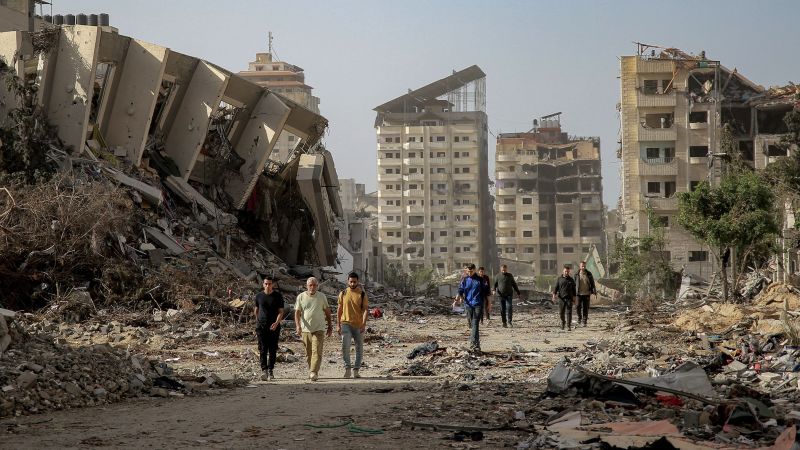

Israel-Hamas War: The Escalating Conflict in Gaza
The current iteration of the Israel-Hamas war, ignited by the unprecedented attacks launched by Hamas on October 7, 2023, represents a significant and devastating escalation of a conflict that has spanned decades. These attacks, characterized by mass killings, kidnappings, and rocket barrages targeting Israeli civilians, triggered a robust military response from Israel, plunging the Gaza Strip into a humanitarian crisis of immense proportions. Understanding this conflict requires delving into its historical roots, the immediate triggers, the military objectives of both sides, the devastating humanitarian consequences, and the complex geopolitical ramifications.
The roots of the Israeli-Palestinian conflict are deeply embedded in competing national aspirations over the same territory. The establishment of Israel in 1948 and the subsequent displacement of Palestinians, known as the Nakba (catastrophe), laid the groundwork for enduring animosity and ongoing struggle. The occupation of the West Bank and Gaza following the 1967 Six-Day War further solidified this division. Hamas, an Islamist militant organization that emerged in the late 1980s, advocates for the destruction of Israel and the establishment of an Islamic state in its place. Its strategy has largely involved armed resistance and terrorist attacks against Israeli targets, while the Palestinian Authority (PA), which governs parts of the West Bank, has pursued a diplomatic route, albeit with limited success. Gaza, under Hamas rule since 2007, has been subjected to an Israeli-Egyptian blockade, contributing to severe economic hardship and limited freedom of movement for its inhabitants. This blockade, Israel argues, is a necessary security measure to prevent Hamas from acquiring weapons and launching attacks.
The immediate catalyst for the current war was the meticulously planned and brutally executed assault by Hamas on southern Israel. On October 7th, thousands of Hamas militants infiltrated Israeli territory, overrunning border defenses, attacking civilian communities, and taking approximately 240 hostages, including women, children, and the elderly. The sheer scale and barbarity of these attacks shocked Israel and the international community, eliciting widespread condemnation and galvanizing Israel’s resolve for a decisive military response. Israel declared war on Hamas, vowing to dismantle its military capabilities and rescue the hostages.
Israel’s military objectives in this conflict are multifaceted. Primarily, it aims to degrade and destroy Hamas’s military infrastructure, including its rocket-launching capabilities, tunnels, and command centers. A secondary, yet crucial, objective is the recovery of all hostages. Israel has also stated its intention to ensure that Gaza will never again pose a threat to its security, a goal that implies a significant reshaping of the governance and security landscape of the Strip. The Israeli military has employed a strategy of aerial bombardment, followed by a ground invasion, targeting areas identified as Hamas strongholds. This approach has led to extensive destruction of infrastructure and a high civilian casualty count.
Hamas’s objectives, while less clearly articulated in a strategic sense, are rooted in its foundational ideology. The organization seeks to resist Israeli occupation and achieve Palestinian liberation through armed struggle. The October 7th attacks were intended to demonstrate Hamas’s continued capacity to inflict significant damage on Israel, disrupt its sense of security, and draw international attention to the Palestinian cause. Hamas has also leveraged the hostage situation as a bargaining chip, seeking the release of Palestinian prisoners held in Israeli jails in exchange for the hostages. Their continued rocket fire, though largely intercepted by Israel’s Iron Dome missile defense system, serves as a persistent symbol of defiance.
The humanitarian crisis in Gaza is the most tragic and urgent consequence of this war. The relentless Israeli bombardment and ground operations have resulted in tens of thousands of Palestinian casualties, with a disproportionately high number of women and children. The destruction of residential areas, hospitals, schools, and critical infrastructure has displaced over a million people, forcing them into overcrowded and unsanitary conditions. Food, water, fuel, and medical supplies are scarce, leading to widespread suffering and the collapse of essential services. The World Health Organization and other international bodies have repeatedly warned of the dire humanitarian situation, emphasizing the urgent need for unimpeded humanitarian access and protection of civilians. The scale of destruction and the blockade have created conditions ripe for disease outbreaks and famine.
The international community’s response has been deeply divided, reflecting the long-standing geopolitical complexities of the Israeli-Palestinian conflict. While many Western nations, particularly the United States, have expressed strong support for Israel’s right to self-defense, they have also called for de-escalation and the protection of civilian lives. Other countries, particularly in the Global South and the Arab world, have condemned Israel’s actions as disproportionate and constituting war crimes, demanding an immediate ceasefire and an end to the occupation. United Nations resolutions have called for humanitarian pauses and the protection of civilians, but have often faced vetoes or a lack of enforcement mechanisms. Regional powers, such as Iran, have provided support to Hamas and other militant groups, further complicating the conflict’s dynamics. The war has also ignited widespread protests and demonstrations globally, highlighting the deep divisions in public opinion on the issue.
The long-term implications of the Israel-Hamas war are significant and uncertain. The destruction of Hamas’s military capabilities, if achieved, would undoubtedly alter the security landscape for Israel, but the question of who or what will govern Gaza post-conflict remains a major challenge. A prolonged Israeli occupation or a power vacuum could lead to further instability. The potential for a wider regional conflict, drawing in other actors and escalating tensions, remains a serious concern. The humanitarian catastrophe in Gaza will require a massive and sustained international effort for reconstruction and recovery, but the underlying political issues that fuel the conflict must also be addressed for any lasting peace to be achieved. The path forward remains fraught with difficulty, demanding difficult diplomatic solutions and a commitment to international law and human rights from all parties involved. The current conflict has also heightened anxieties about the potential for radicalization and the perpetuation of cycles of violence for future generations.