Illinois Stalls on Landmark Climate Displacement Law as Global Migration Crisis Intensifies

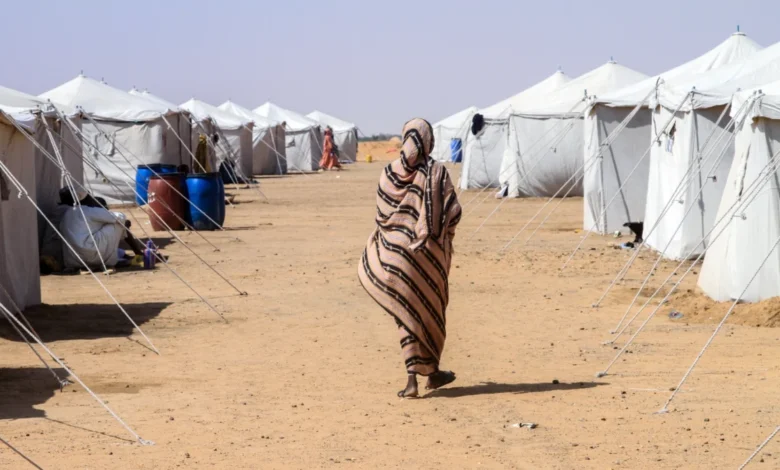
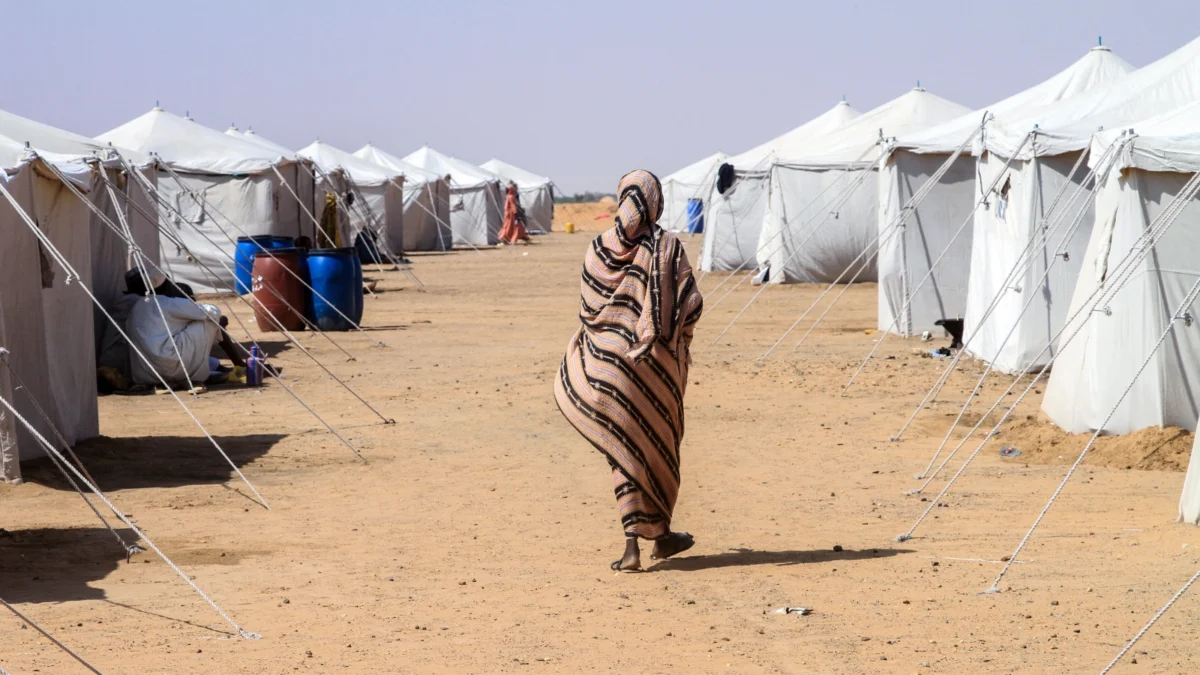
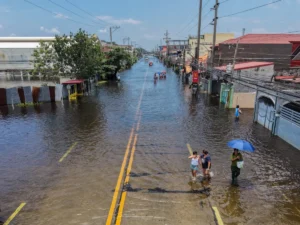
Every year, millions of individuals are forced from their homes by the compounding threats of floods, wildfires, and prolonged droughts, creating a burgeoning class of displaced people commonly referred to as climate migrants. Unlike refugees fleeing political persecution or war, these individuals often lack specific legal protections under international law, leaving them in a precarious state of transition. As the planet warms, these migration patterns are expected to accelerate significantly. According to the World Bank, internal climate-driven displacement could reach at least 44 million people globally by 2050—a massive demographic shift comparable to relocating the entire population of Argentina. Despite these projections, governmental planning remains largely reactive rather than proactive.
In a move that garnered national attention last fall, Illinois took the unprecedented step of attempting to formalize its approach to this reality by signing the Climate Displacement Act into law. The legislation was designed to position the state as a leader in climate adaptation, mandating a task force to study how the Midwest—frequently cited as a potential "climate haven"—might absorb future populations while maintaining the integrity of its own infrastructure and social resources. Yet, just one year after the law’s enactment, the ambitious initiative has stalled, leaving a 17-seat task force largely empty and critical reporting deadlines looming.
The Legislative Intent: A Blueprint for Resilience
The Climate Displacement Act was birthed from the intersection of environmental urgency and social policy. Introduced by state Senator Graciela Guzman, the bill sought to address the long-term demographic and economic shifts caused by a changing climate. The mandate was clear: the state needed to establish a task force to analyze data, assess the vulnerability of current infrastructure, and issue two comprehensive reports—one due by the end of 2025 and a follow-up by 2027—that would outline the state’s capacity to support a potential influx of residents through 2050.

The rationale for the bill was deeply personal for its proponents. Senator Guzman, born to Salvadoran refugees in Los Angeles, drafted the legislation in early 2025 following a string of record-breaking wildfires in Southern California. The goal was to provide a roadmap for a state that, due to its access to 20 percent of the world’s unfrozen freshwater and its temperate geography, is increasingly viewed as a primary destination for those fleeing more volatile regions.
A Chronology of Inaction
The timeline for the task force was intended to be swift, reflecting the urgency of the climate crisis. The law required Governor JB Pritzker, key members of the Illinois General Assembly, and the directors of seven major state agencies to appoint their representatives to the 17-member board within 90 days of the bill’s effective date.
However, the reality of the implementation has diverged sharply from the legislative timeline. As of late 2026, over a year since the law passed, only one appointment has been officially recorded. Legislative leaders have pushed back reporting deadlines, and the board has yet to convene for a single meeting. While the law provides a clear roadmap for the research required—focusing on scientific projections of migration and the necessary evolution of state agencies—it notably lacks "teeth." There are no legal penalties for failing to meet the administrative mandates, a legislative oversight that critics argue has allowed the urgency of the task to be sidelined by competing political priorities.
The "Climate Haven" Debate
The urgency of the task force is underscored by the complex debate surrounding the concept of the "climate haven." Because Illinois is far from rising sea levels and boasts a robust, established urban infrastructure in Chicago, it has been marketed by various entities as an ideal sanctuary from extreme weather. An analysis by the climate-risk modeling firm AlphaGeo recently labeled Chicago the most climate-resilient large city globally.
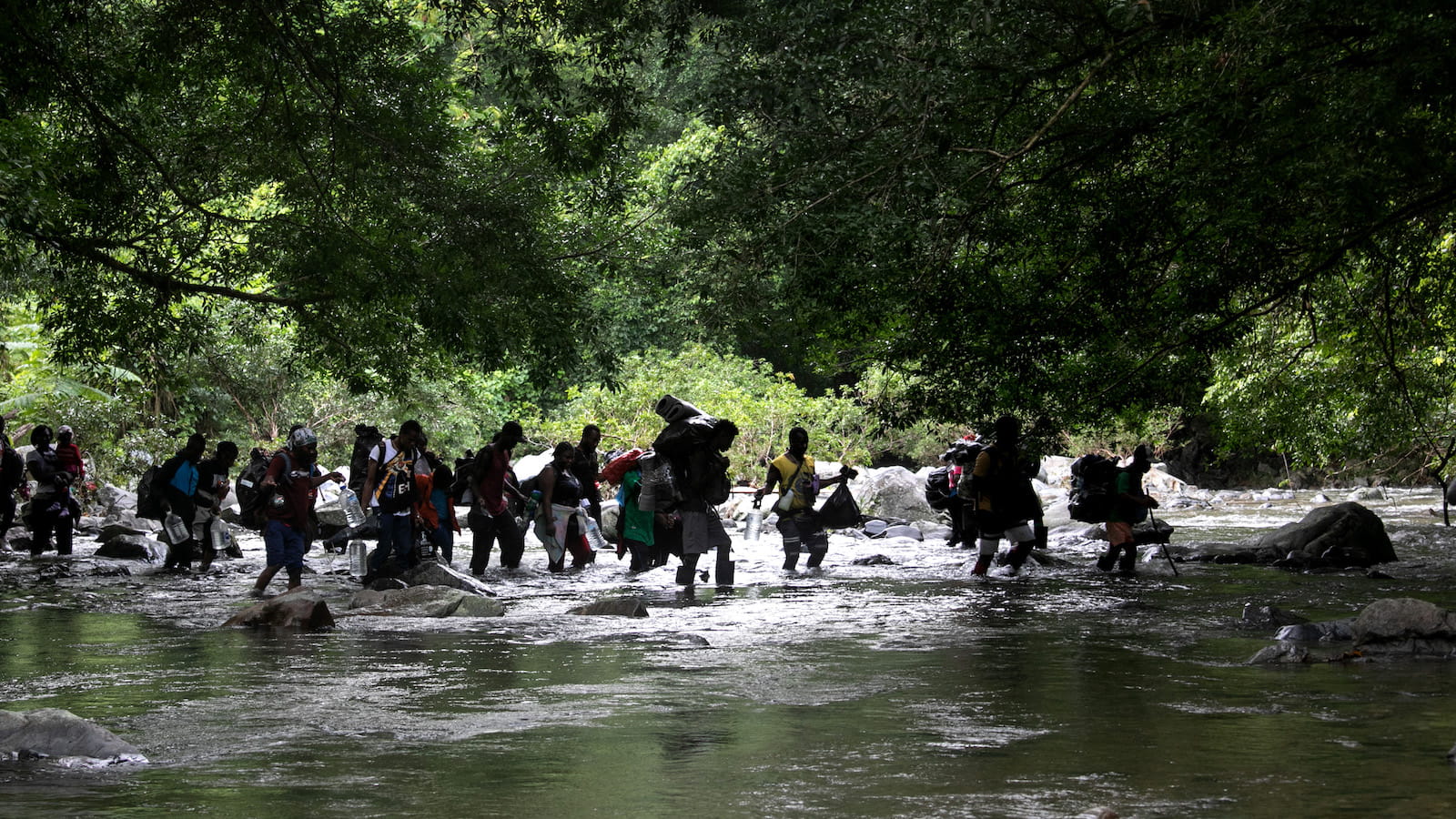
However, environmental scientists have consistently pushed back against the "haven" narrative, arguing that it creates a false sense of security. The climate crisis is inherently global, and the Midwest is not immune to its effects. The past 18 months have served as a case study in this vulnerability. Chicago has faced historic, near-capacity flooding of its deep-tunnel reservoir system, a record-setting surge in local tornado activity, and periods of hazardous air quality caused by wildfire smoke originating from Canada.
These events have transformed the abstract threat of climate change into a tangible local concern. As Senator Guzman noted, the weather patterns seen in the state over the last year have laid bare the necessity of the planning mandate, even if the state’s political apparatus has yet to catch up to the reality of the climate data.
Official Stances and Institutional Responses
When contacted for comment, the response from the state’s political leadership was mixed. While the governor’s office reaffirmed its dedication to climate adaptation, it offered no concrete timeline for when the remaining 16 seats on the task force would be filled or when the work would officially commence.
Andres Correa, a spokesperson for Governor Pritzker, stated that the administration remains "committed to fighting climate change and preparing Illinois for its impacts, including climate-related migration." He characterized the work as "important" and noted that the state would continue to collaborate with stakeholders to establish a functional timeline. However, the lack of a specific deadline for these appointments suggests that the Climate Displacement Act remains a low priority in the current legislative cycle.
For her part, Senator Guzman, who was finally appointed to the board last week, expressed frustration with the delay. "We haven’t received a clear answer," she said. "This has been two years in the making… I’m honored to serve on the Climate Displacement Task Force and ready to get to work."
Broader Implications and Future Outlook
The delay in Illinois carries broader implications for domestic policy. As other states—including Maine, Alaska, and New Jersey—begin to incorporate climate migration into their resilience and relocation planning, Illinois’ failure to move forward risks squandering the "first-mover advantage."
Academic experts, such as Bryan Jones, a geographer at Baruch College, emphasize that while the task is admittedly "daunting," it is essential. The primary obstacle is the lack of a legal definition for a "climate migrant." Because the 1951 Refugee Convention restricts refugee status to those fleeing persecution based on race, religion, nationality, or political opinion, individuals displaced by environmental collapse fall into a legal gray zone.
Furthermore, projecting migration patterns is inherently difficult. Unlike traditional migration, which is often driven by predictable economic or social factors, climate-induced movement is triggered by a chaotic combination of extreme weather, long-term resource scarcity, and agricultural decline. Jones suggests that Illinois has a unique opportunity to build on its agricultural and metropolitan data to create a replicable model. By identifying which industries and infrastructure systems are most susceptible to disruption, the state could proactively invest in the affordable housing, job training, and social safety nets that will be necessary to absorb new arrivals.

The city of Cincinnati, for example, has already published a blueprint to accommodate up to 500,000 new residents by 2050, focusing on public transit and affordable housing rather than marketing itself as a "climate-proof" destination. The Illinois legislation was intended to do the same on a statewide level.
As the window for effective climate planning narrows, the stall in Illinois serves as a cautionary tale of how political inertia can undermine long-term environmental strategy. Without the data-driven guidance of the proposed task force, the state remains in a reactive posture, vulnerable to the very demographic and environmental shocks it sought to preempt. The question remains whether the political will exists to move from legislative intent to tangible administrative action before the next wave of displacement begins.
Related posts: