House Republicans Block Impeachment Push Against Secretary of War Pete Hegseth in Late-Night Vote

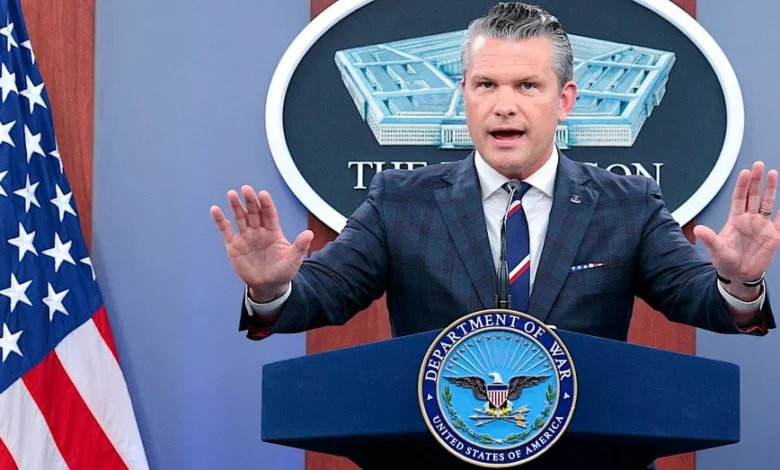
U.S. Secretary of War Pete Hegseth narrowly avoided a potential House floor vote on his impeachment late Tuesday evening, as Republican leadership successfully mobilized members to derail a legislative maneuver led by outgoing Representative Thomas Massie, R-Ky. The parliamentary defeat of Massie’s resolution marks a critical victory for the outgoing leadership team under Speaker Mike Johnson, R-La., who navigated significant attendance hurdles following the midterm elections to protect a high-ranking member of the executive branch.
The legislative confrontation centers on a wide-ranging, eight-article impeachment resolution introduced by Massie earlier in the week. The text accuses Hegseth of committing high crimes and misdemeanors through actions spanning multiple foreign and domestic policy flashpoints, including the ongoing military engagement involving Iran, controversial U.S. counter-narcotics strikes targeting suspected drug vessels in the Caribbean Sea, and retaliatory administrative measures directed at Senator Mark Kelly, D-Ariz., following a viral video message urging military personnel to disregard unlawful commands.
By utilizing a privileged resolution mechanism, Massie attempted to bypass standard committee review and force a floor vote within two legislative days. However, the House ultimately voted 211 to 204 to refer the resolution directly to the House Judiciary Committee, effectively neutralizing the impeachment effort and blocking a definitive vote on the articles.
Legislative Maneuvering and Floor Dynamics
The successful procedural vote averted what Republican whips privately feared could become an unpredictable showdown on the House floor. Following a grueling midterm election cycle that left congressional schedules volatile and numerous members absent from Capitol Hill, GOP leadership faced profound logistical anxiety regarding quorum counts and member availability.
Representative Jake Ellzey, R-Texas, expressed the prevailing caucus sentiment ahead of the vote, highlighting concerns over attendance disparities. While expressing clear opposition to the resolution—which he characterized as a waste of legislative time—Ellzey pointed to the inherent vulnerability of the majority party when attendance dips during late-session calendar periods.
Ultimately, party discipline held, with all participating Democrats voting in favor of advancing the resolution to keep the impeachment inquiry alive, while the Republican caucus largely unified behind the motion to refer the measure to committee, with Massie standing alone as the lone Republican dissenting vote.
Background and Core Allegations
The push to impeach Secretary Hegseth stems from a convergence of constitutional disputes regarding executive war powers and intra-governmental friction. Massie’s eight-article resolution outlines several distinct grievances:
- Unauthorized Military Action in Iran: The primary constitutional argument asserts that the administration initiated military operations against Iran without explicit authorization or a formal declaration of war from Congress, thereby violating Article I of the Constitution.
- Caribbean Anti-Drug Operations: The resolution challenges the legal justification and rules of engagement utilized during kinetic strikes against vessels suspected of drug trafficking in international waters.
- Retaliation Against Lawmakers: The articles cite administrative and professional retaliation against Senator Mark Kelly following Kelly’s public statements advising service members on the legal framework governing lawful versus unlawful military orders.
Legal and political scholars note that while these points touch on long-standing debates regarding the limits of executive authority under the War Powers Resolution, utilizing the mechanism of impeachment against a cabinet secretary for policy execution remains an extraordinarily rare and legally complex undertaking.
Defense and Administration Counter-Response
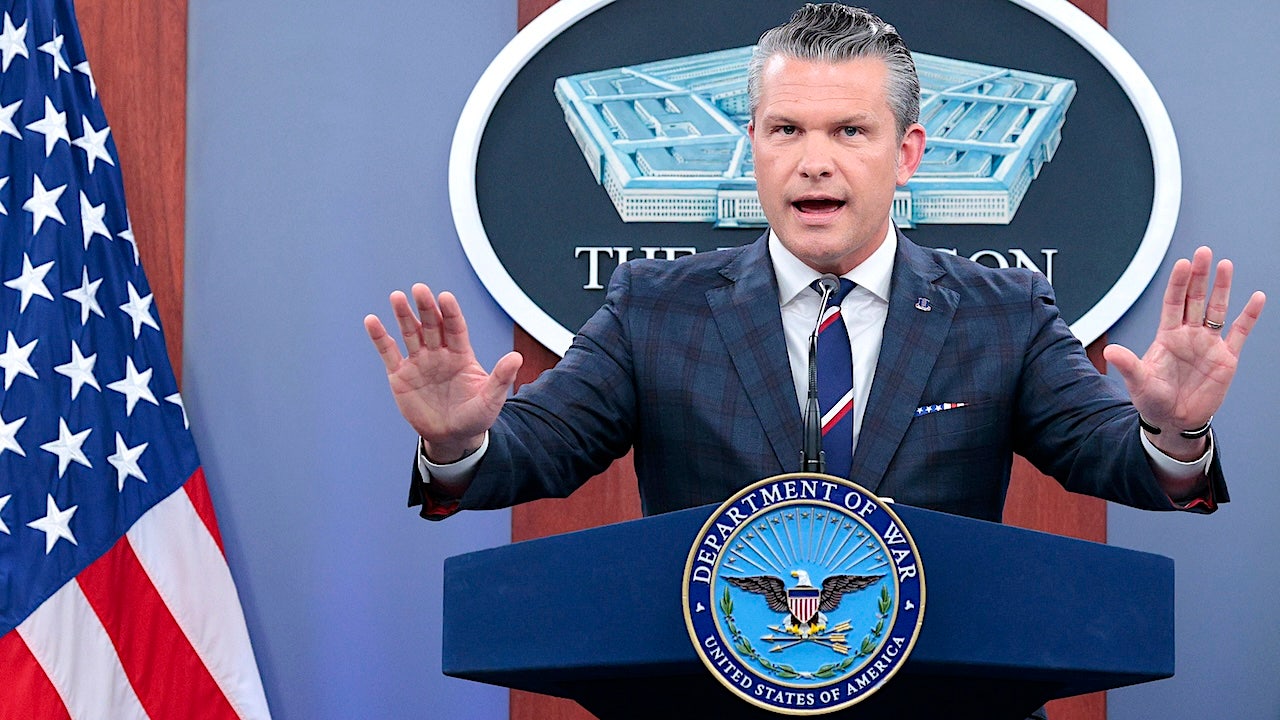
Secretary Hegseth launched a sharp defense ahead of Tuesday’s vote, using a Pentagon press conference to characterize the impeachment push not as a good-faith constitutional check, but as a politically motivated grievance.

"What one disgruntled and defeated congressman is attempting is not oversight, and it’s not accountability," Hegseth stated during the briefing. "It’s a political spectacle, a personal manifesto driven by ego and resentment."
Administration allies within the legislative branch echoed these sentiments, arguing that holding a cabinet secretary personally liable for overarching executive foreign policy decisions sets a dangerous and unworkable precedent for the American separation of powers.
Even among Republican lawmakers who harbor reservations regarding the administration’s foreign policy choices in the Middle East, substantial reluctance existed regarding Massie’s approach. Representative Warren Davidson, R-Ohio, who has previously voiced opposition to unapproved military escalations in Iran, cautioned against misdirecting legislative frustration.
"I think it’s an effort to scapegoat Pete Hegseth for Congress shirking their own duty and, frankly, the president taking action that, in my view, is unconstitutional, but it’s also not unprecedented," Davidson said. He added that attempting to penalize a defense secretary for executing established executive branch operating procedures—which he noted date back decades through multiple administrations—would uproot the traditional chain of command.
Similarly, Representative Don Bacon, R-Neb., a prominent internal critic of Hegseth, acknowledged his policy disagreements with the secretary while firmly rejecting the merits of the impeachment articles. "I’m personally not a fan of the secretary. I don’t think he was the right guy in the job. But, also, when you read Massie’s impeachment, I don’t agree with it," Bacon remarked.

Broader Implications for Congress and the Executive Branch
The failed impeachment vote highlights the deep structural tensions between the legislative and executive branches, particularly concerning war-making powers and congressional oversight. For decades, constitutional purists on both sides of the aisle have argued that successive administrations have steadily eroded Congress’s exclusive authority to declare war. However, targeting a cabinet official with impeachment for implementing those directives has historically been viewed as an extraordinary remedy reserved for direct personal corruption, bribery, or explicit violations of statutory law.
The defeat of the resolution also serves as a final major floor management victory for Speaker Mike Johnson during a transitional period for House leadership. Navigating a narrow, fractious majority through a contentious post-election lame-duck session required precise vote-wrangling to prevent intra-party defections from handing the political opposition a major messaging win.
With the resolution safely referred to the Judiciary Committee—where it is expected to remain indefinitely—the immediate threat of Hegseth’s impeachment has been neutralized. Nevertheless, the underlying policy disputes regarding executive war powers, congressional inaction, and civil-military relations remain central flashpoints as Washington prepares for the upcoming legislative term and the changing composition of the 110th Congress.
Related posts: