Nonprofit Networks Target Elon Musk with Coordinated Austin Demonstration Amid Rising Political Tensions

Three prominent far-left nonprofit organizations, commanding a combined annual revenue of $56.1 million, escalated their ongoing campaign against SpaceX and Tesla Chief Executive Officer Elon Musk by organizing a high-profile demonstration outside his residence in the Austin, Texas, area. Billed by organizers as a post-election "People Over Billionaires Election After Party," the Saturday event featured chartered transportation, musical performances, speeches, and theatrical props, including Cybertruck-themed piñatas.
While organizers promoted the gathering as a peaceful and festive community event, the demonstration highlights a broader, highly structured trend of professionalized political activism targeting corporate leaders associated with the current administration. The convergence of national advocacy networks, coordinated messaging, and strategic logistics underscores the growing complexity of modern political demonstrations and the increasing intersection of corporate influence, philanthropy, and street-level activism.
Anatomy of the Austin Demonstration
The demonstration took place in West Lake Hills, an affluent municipality adjacent to Austin, where Musk maintains a sprawling residential property. Approximately 60 participants arrived at the scene via two chartered blue "Fly-Rides" party buses and additional private vehicles. Throughout the event, organizers utilized portable sound systems to broadcast music—most notably Queen’s anthem "We Will Rock You"—while attendees engaged in dancing, participated in a conga line, and distributed refreshments such as cider and party hats.
Demonstrators carried placards bearing slogans such as "Texas is not for sale" and "Alright Texas! Now let’s tax Musk," alongside star-shaped piñatas and replicas of Tesla’s Cybertruck, which were subsequently smashed during the proceedings. Eli Cortez, identified as a bus captain for the organizing group VOCAL-TX, addressed the crowd, framing the event as a celebration of voters rejecting the political influence of wealthy donors.
Despite the festive atmosphere, the presence of the demonstration directly outside a private residence has drawn scrutiny from security analysts and local observers regarding the boundaries of political protest and personal privacy.
The Organizing Coalition and Financial Infrastructure

The demonstration was spearheaded by three distinct tax-exempt entities operating within the national advocacy space:
- VOCAL-TX: Operating as a fiscally sponsored project of Voices of Community Activists and Leaders Inc. (VOCAL-NY), a New York-based 501(c)(3) nonprofit organization. VOCAL-NY reported $13.1 million in revenue in its most recent filings and describes its mission as building political power among low-income communities affected by issues such as mass incarceration, homelessness, and drug policy.
- The Center for Popular Democracy Inc. (CPD): Based in Brooklyn, New York, CPD is a 501(c)(3) nonprofit organization that reported $40.9 million in revenue for 2024. The organization functions as a national network connecting grassroots advocacy groups across multiple states to promote progressive public policy. Financial disclosures show that CPD’s co-executive directors received an average total compensation of $234,026 in 2024.
- People’s Action Institute: Headquartered in Chicago, Illinois, this 501(c)(4) political nonprofit reported $2.1 million in revenue. The organization coordinates regional and national advocacy campaigns focused on economic, racial, and social equity.
Together, these organizations represent a fraction of a vast, highly capitalized ecosystem of tax-exempt advocacy groups that critics and campaign finance watchdogs frequently describe as "astroturf"—operations designed to mimic organic, bottom-up grassroots movements while relying on substantial institutional funding, professional staff, and centralized logistical planning.
Chronology of the Anti-Musk Campaign
The protest at Musk’s Austin residence is the latest development in a sustained, multi-year campaign directed against the billionaire entrepreneur, his corporate enterprises, and his public policy advisory roles.
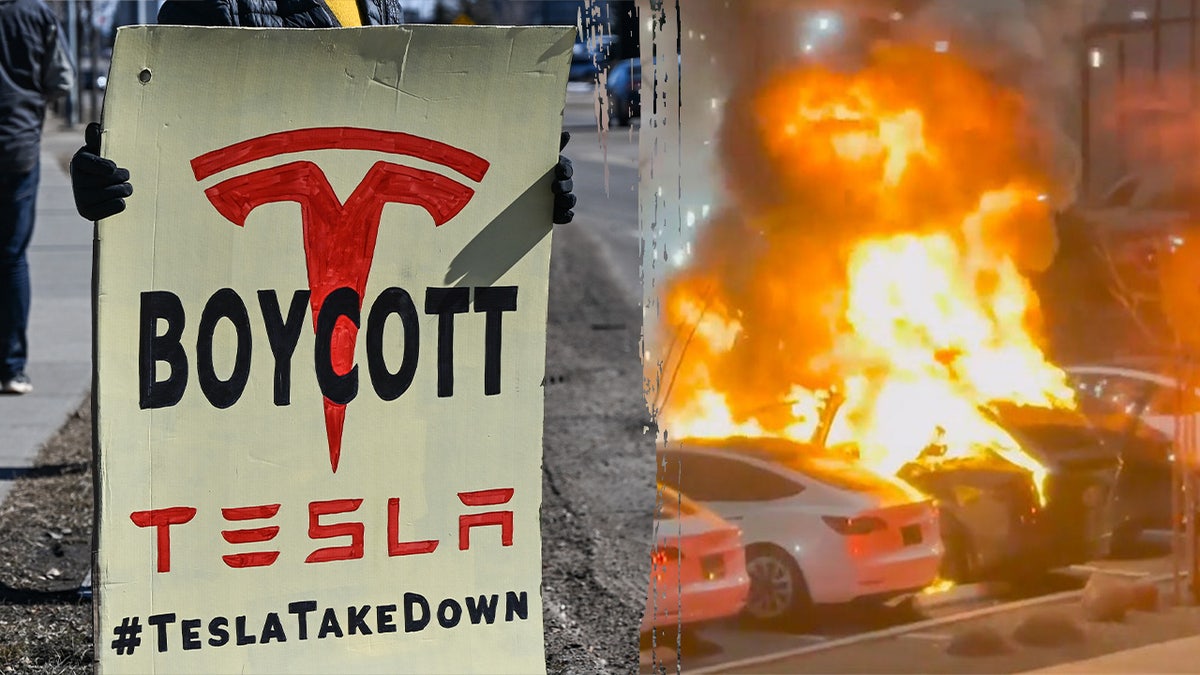
Early 2025: The "Tesla Takedown" Initiative
The coordinated opposition to Musk gained significant momentum in early 2025 with the launch of the "Tesla Takedown" campaign. Activist networks organized coordinated demonstrations at Tesla dealerships and showrooms across the United States. While many events remained peaceful, portions of the campaign escalated into vandalism targeting Tesla vehicles and retail locations. These actions were supported by a wide array of progressive, socialist, and communist coalitions, including the Freedom Road Socialist Organization, which distributed materials carrying explicit anti-capitalist messaging.
May 2025: National Mobilizations
On May 1, 2025, demonstrations in major metropolitan areas, including Washington, D.C., featured prominent anti-Musk messaging. Protest groups such as the Party for Socialism and Liberation and the ANSWER Coalition incorporated standardized visual propaganda into labor and economic rights rallies held blocks from the White House.
Late 2025 to 2026: Electoral Spending and Increased Scrutiny
As political cycles advanced into the 2026 midterms, Musk’s political expenditures drew intense scrutiny from both political opponents and independent analysts. According to analyses by major journalistic outlets, including The New York Times and Federal Election Commission data aggregates, Musk’s disclosed political contributions during the cycle reached approximately $445 million to $474 million. This included substantial financial backing for allied political committees supporting conservative candidates, such as Ken Paxton’s unsuccessful Senate primary campaign in Texas. In response, Democratic lawmakers and progressive organizations intensified calls for congressional investigations and public oversight hearings concerning corporate influence in federal governance.
The Origin and Distribution of Strategic Imagery

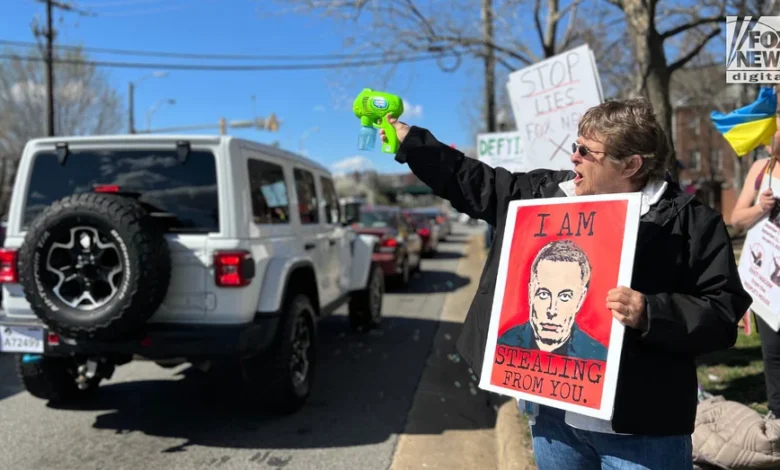
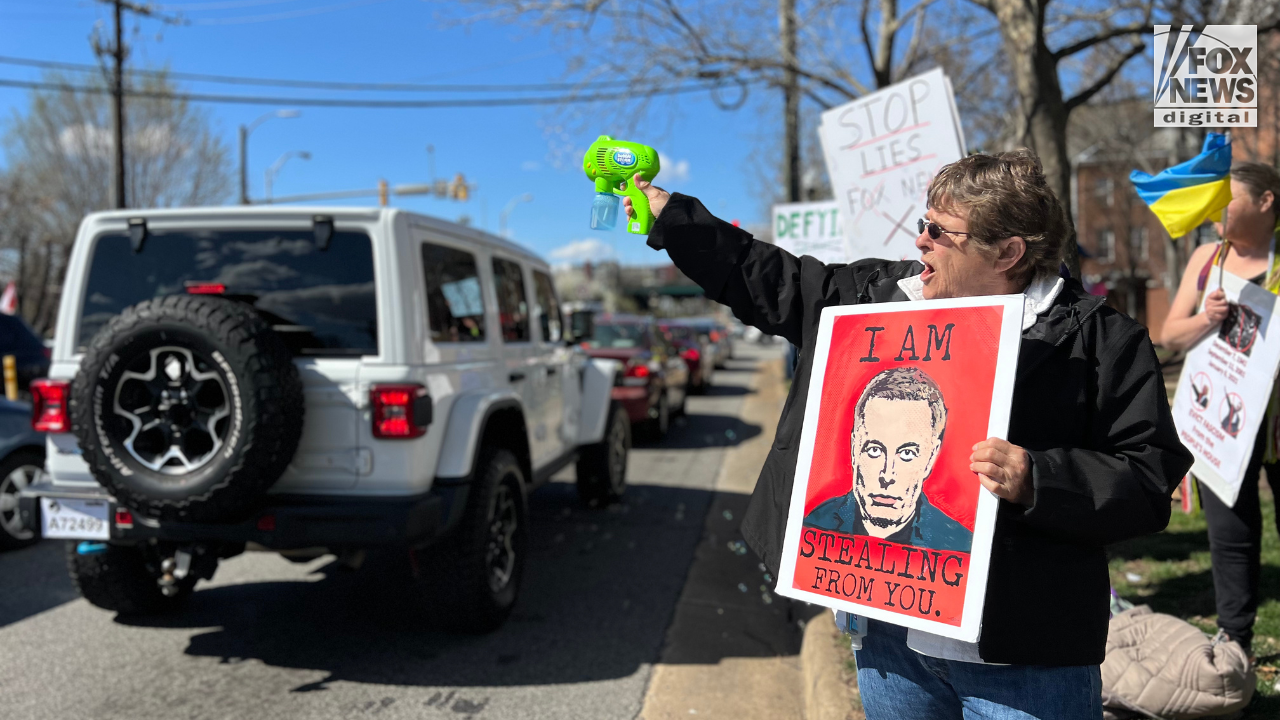
A notable element of the anti-Musk campaign is the widespread deployment of standardized visual branding across geographically disparate protests. A mass-produced poster featuring a stylized, critical portrait of Musk alongside the text "I AM STEALING FROM YOU" has appeared at demonstrations nationwide, including the recent Austin protest.
The artwork was originally commissioned by the Progressive Change Institute—the 501(c)(3) sister organization of the Progressive Change Campaign Committee (PCCC)—from Washington, D.C.–based street artist Absurdly Well. Rather than emerging organically from local communities, the posters were systematically distributed through national networks, including the "Hands Off" coalition.
Representatives for the PCCC have publicly acknowledged that the merchandise serves a dual purpose of fundraising and strategic messaging, with the explicit goal of establishing Musk as a prominent political liability. The organization utilizes online donation platforms to distribute bulk packs of the posters to supporters, pricing multi-packs between $135 and $250. Media outlets have frequently featured images of these placards in news coverage, amplifying the reach of the campaign’s visual messaging.
Broader Implications and Public Debate
The mobilization against Musk reflects a larger polarization surrounding the intersection of private wealth, technological innovation, and public policy in the United States. Supporters of Musk and his corporate ventures emphasize his contributions to American manufacturing, space exploration, sustainable energy, and government efficiency initiatives. They argue that coordinated campaigns led by well-funded progressive nonprofits are designed to intimidate entrepreneurs who participate in public discourse or support conservative political candidates.
Conversely, critics and progressive organizers contend that the concentration of wealth and political spending by billionaires undermines democratic institutions and warrants robust public pushback. They defend their demonstrations as a legitimate exercise of First Amendment rights aimed at holding corporate leadership accountable.
However, security researchers and political analysts have expressed growing concern regarding the rhetorical intensity of these campaigns. Organizations such as the Network Contagion Research Institute have warned that sustained campaigns of demonization and targeted demonstrations at private residences risk establishing a "permission structure" for political polarization and potential civil unrest.
As federal lawmakers and regulatory bodies weigh potential inquiries into corporate political spending and government advisory roles, the friction between high-profile industrial leaders and organized advocacy networks remains a prominent feature of the contemporary American political landscape.
Related posts: