Diesel Price Crisis Sparks Fierce Debate Over Export Ban as Inflation Hits Logistics and Agriculture Sectors

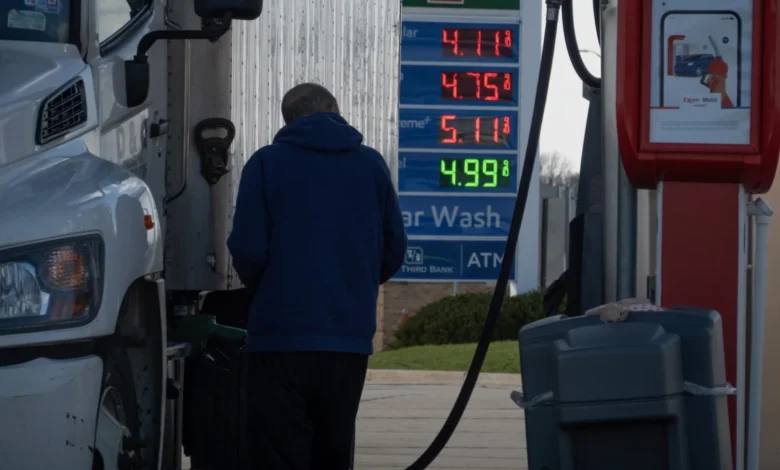
The American economy is currently navigating a period of acute logistical strain as diesel fuel prices shatter historical records, reaching a national average of $6.52 per gallon as of Tuesday, according to data from AAA. This surge, which has seen prices climb by nearly a dollar in September alone, has prompted President Donald Trump to signal support for a controversial measure: a federal ban on the export of U.S.-produced diesel. Speaking on the sidelines of the United Nations General Assembly in New York, the President stated, "I’ve said, let’s not send out the diesel," confirming he has engaged his advisors on the feasibility of such a restriction.
The proposal has ignited a firestorm of debate among lawmakers, energy analysts, and industry stakeholders, pitting the immediate need for domestic price relief against the complex, integrated realities of the global energy market.
A Chronology of the Crisis: The War in Iran
The current inflationary spike is largely tied to the escalation of geopolitical conflict in the Middle East. Following the initiation of military hostilities between the United States, Israel, and Iran earlier this year, global energy markets have faced extreme volatility. The Strait of Hormuz, a critical maritime chokepoint through which approximately 10 percent of the world’s seaborne diesel transits, has seen traffic come to a virtual standstill.
Compounding this regional instability, sustained strikes on Russian energy infrastructure have further constricted the global supply of distillates. As international buyers scramble to secure energy independence from sanctioned or war-torn regions, the United States has increasingly become a primary supplier for the global market. However, this export reliance has arrived at a moment of extreme domestic vulnerability. With U.S. crude oil reserves plummeting to levels not seen since 1982, the strain on the domestic supply chain has reached a breaking point.
The Economic Backbone Under Pressure
While passenger vehicles are predominantly gasoline-powered, diesel is the lifeblood of the U.S. economy. It is the primary fuel source for the nation’s trucking fleet, the rail network, and the maritime shipping industry, as well as a fundamental input for the agricultural sector.
According to an online dashboard tracking the economic impact of the conflict, the price surge has cost American households an estimated $51 billion, or roughly $400 per household. For farmers preparing for harvest and logistics companies managing supply chain demands, the 80 percent rise in fuel costs since the start of the Iran conflict represents an existential threat to thin profit margins. This economic squeeze has led to calls from Republican leadership for federal intervention.
Senator Chuck Grassley of Iowa took to social media to advocate for the restriction, stating, "If our government can embargo chips to China, it can embargo diesel to help American farmers and truckers." Representative Ashley Hinson, also of Iowa, echoed this sentiment, arguing that Iowans should not have to subsidize the costs of an overseas war at the checkout line. Senate Majority Leader John Thune of South Dakota has similarly expressed a willingness to explore the policy, provided it offers a genuine path toward price stabilization.
The Great Export Debate: Supply vs. Global Pricing
The policy mechanism of an export ban is not without precedent. In 1975, in response to the OPEC oil embargo, Congress enacted the Energy Policy and Conservation Act, which effectively prohibited the export of crude oil. That restriction remained in place for four decades until it was repealed under the Obama administration.
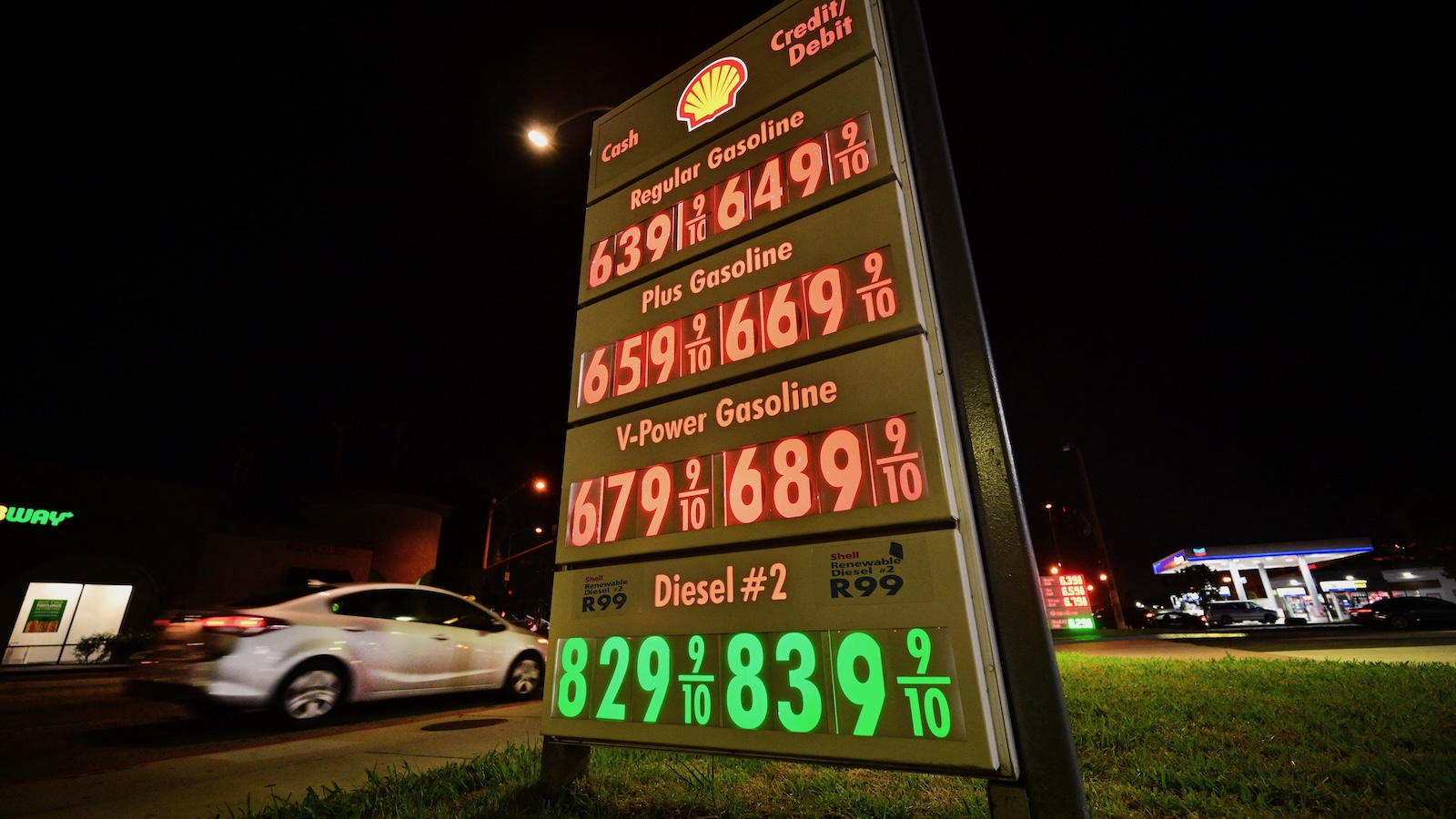
Proponents of a modern ban, such as Jeff Colgan, a political scientist at Brown University, argue that by keeping domestically refined fuel within the country, the U.S. could artificially boost supply and force a reduction in local prices. "It could make a huge difference," Colgan noted, suggesting that the current market conditions warrant an emergency departure from free-trade orthodoxy.
However, the industry consensus remains largely opposed to such measures. Patrick De Haan, head of petroleum analysis at GasBuddy, maintains that the U.S. energy sector is inextricably linked to global markets. "U.S. diesel prices are determined not by a U.S. supply and demand balance, but a global one," De Haan wrote. "Keeping distillates and diesel home does not change the world price."
The American Fuel & Petrochemical Manufacturers (AFPM) association has issued strong warnings against the proposal, asserting that an export ban would backfire. In a formal statement, the organization argued that such a move would reduce overall U.S. fuel production, weaken national energy security, and ultimately cede market share to foreign competitors, potentially worsening the supply shortage in the long term.
Political Divisions and Policy Uncertainty
Within the Republican party, the proposal has encountered significant friction. Senator John Cornyn of Texas, representing the nation’s largest oil-producing state, characterized the potential ban as a "gimmick" that ignores the nuances of energy refining. Interior Secretary Doug Burgum has also expressed skepticism, warning in media appearances that such a restriction could prove counterproductive for the American consumer.
The Democratic caucus has been notably reserved on the matter. While members of the party have historically advocated for export restrictions during previous price surges—such as in 2021—there has been little appetite for a renewed legislative battle on the issue. Senator Peter Welch of Vermont dismissed the President’s rhetoric as "smoke and mirrors," suggesting that the focus should remain on de-escalating the underlying conflict in the Middle East rather than on protectionist trade policies.
A Path Toward Nuance
Despite the binary nature of the public debate—often framed as either "total deregulation" or "complete bans"—experts like Tyson Slocum of the consumer advocacy group Public Citizen suggest that the government is ignoring a middle path. Slocum argues that the conversation is "absurdly simplistic" and that regulators could implement partial measures, such as adjusting export quotas, to strike a balance between maintaining international commitments and protecting domestic consumers.
"There are many options in between," Slocum explained, noting that even moderate, calibrated limitations on the volume of fuel shipped overseas could yield a significant short-term cooling effect on domestic prices.
As the administration weighs its next steps, the pressure remains high. Whether the White House will move from mere rhetorical support for a ban to formal executive action or legislative negotiation remains to be seen. For now, the American consumer remains caught between the volatile realities of a globalized energy market and the mounting domestic costs of international conflict. The situation serves as a stark reminder of the challenges inherent in balancing the competing demands of energy security, global trade, and the preservation of the domestic supply chain.
The trajectory of diesel prices in the coming weeks will likely depend not only on potential policy shifts in Washington but also on the stability of the Strait of Hormuz and the overall duration of the conflict in Iran. As of mid-September, the data suggests that without a significant change in global supply conditions or a strategic shift in trade policy, the current strain on the nation’s infrastructure is likely to persist, forcing further difficult decisions for policymakers in the months ahead.