Category Linux Open Source

Linux Open Source: A Comprehensive Exploration
Linux, an operating system kernel, stands as a cornerstone of the open-source movement, fundamentally altering the landscape of computing. Its journey from a personal project to powering a vast array of devices, from supercomputers to smartphones, is a testament to the collaborative, community-driven nature of open-source development. Unlike proprietary operating systems, the source code of Linux is freely available, allowing anyone to view, modify, and distribute it under the terms of the GNU General Public License (GPL). This transparency and accessibility foster rapid innovation, rigorous security audits, and unparalleled customization. The open-source model has democratized technology, enabling widespread adoption and driving advancements across diverse sectors. Understanding Linux’s open-source architecture is crucial for grasping its impact on modern technology.
The Genesis and Evolution of Linux as Open Source
Linus Torvalds initiated the development of the Linux kernel in 1991, inspired by MINIX, a Unix-like operating system. His initial announcement on the Usenet newsgroup comp.os.minix declared his intention to create a free operating system. The decision to release it under the GPL was pivotal, ensuring its open-source nature and inviting contributions from a global community of developers. This collaborative effort rapidly transformed Linux from a personal hobby into a robust and versatile operating system. Early adopters, academic institutions, and a growing community of enthusiasts contributed code, identified bugs, and suggested improvements. This iterative process, fueled by transparency and shared ownership, allowed Linux to mature quickly, overcoming limitations and rivaling proprietary operating systems in functionality and performance. The GNU Project, led by Richard Stallman, provided essential tools and utilities, such as the compiler (GCC) and shell utilities, which were integrated with the Linux kernel to form a complete, free operating system, often referred to as GNU/Linux. This symbiotic relationship between the Linux kernel and GNU tools solidified the open-source ecosystem.
Key Principles of Linux Open Source Development
The success of Linux is deeply rooted in several core open-source principles. Firstly, transparency is paramount; the entire source code is accessible, allowing for scrutiny by anyone. This fosters trust and enables the rapid identification and resolution of security vulnerabilities. Secondly, collaboration is the driving force. Developers from around the world, united by a common goal, contribute their expertise, leading to a diverse and robust codebase. This distributed development model prevents single points of failure and accelerates innovation. Thirdly, freedom is central. Users are free to use, study, modify, and distribute Linux, empowering them to tailor the operating system to their specific needs. This contrasts sharply with proprietary software, where user rights are often restricted. Fourthly, community is the backbone. A vibrant and active community provides support, documentation, and drives the project forward. This sense of shared ownership and purpose is a powerful motivator. Finally, meritocracy often prevails, where contributions are valued based on their quality and impact, regardless of the contributor’s background.
The Impact of Open Source on Linux’s Technical Prowess
The open-source model has directly contributed to Linux’s exceptional technical capabilities. The ability for a global community to inspect and modify the code means that bugs are often discovered and fixed with remarkable speed. Security vulnerabilities, when found, are typically patched much faster than in closed-source systems, making Linux inherently more secure. Furthermore, the collaborative nature allows for rapid adoption of new technologies and standards. Developers can experiment with bleeding-edge hardware support and integrate innovative software solutions without the bureaucratic hurdles often found in corporate development. This agility ensures that Linux remains at the forefront of technological advancement. The modularity inherent in open-source design also allows for extreme customization. Users and organizations can strip down Linux to its bare essentials for embedded systems or build highly specialized distributions for specific tasks, such as scientific computing, cybersecurity, or media production. This flexibility is a significant advantage over monolithic, proprietary systems.
Distributions (Distros): The Diverse Manifestations of Linux
Linux, as a kernel, is not a complete operating system in itself. It requires a collection of system utilities, libraries, and applications to function. This complete package is what we commonly refer to as a Linux distribution, or "distro." The open-source nature of Linux allows for the creation of hundreds of different distributions, each tailored to specific user needs and preferences. These distros vary in their package management systems, desktop environments, pre-installed software, and target audiences.
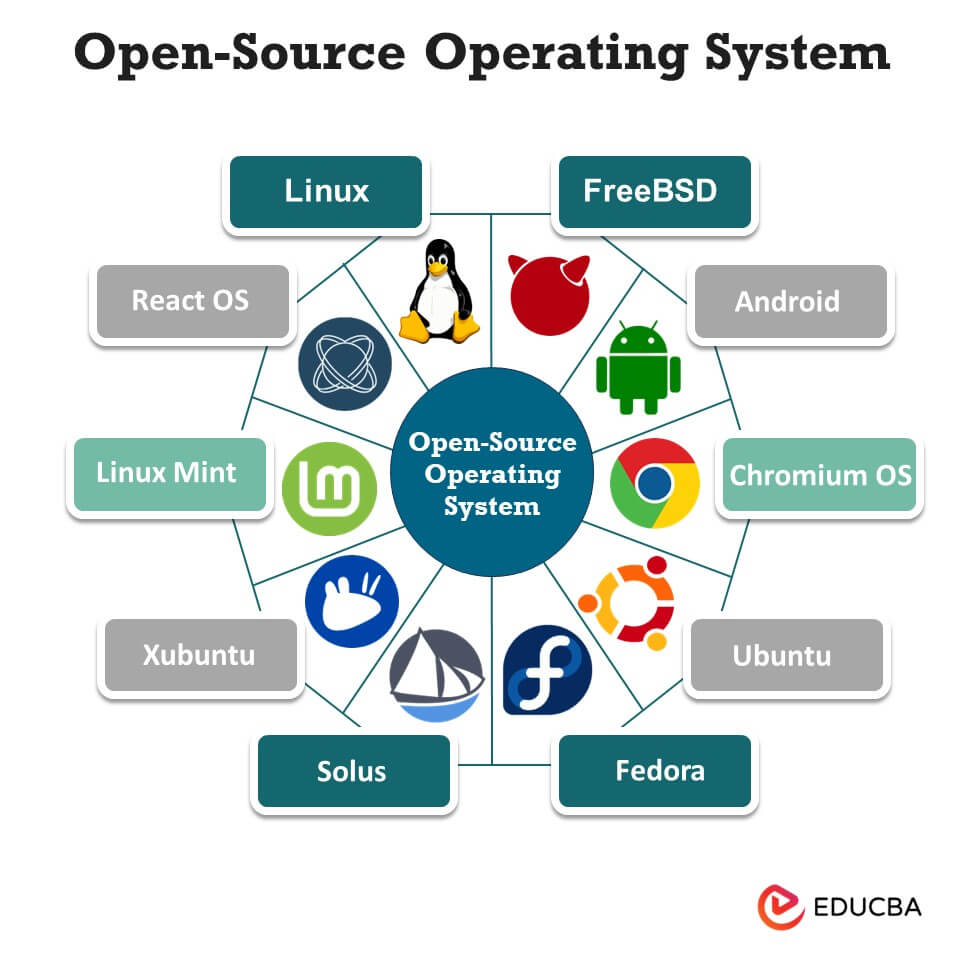
- Debian-based distributions (e.g., Ubuntu, Linux Mint): Known for their stability, robust package management (APT), and extensive software repositories. Ubuntu, in particular, has become a dominant force in desktop and server markets due to its user-friendliness and strong community support.
- Red Hat-based distributions (e.g., Fedora, CentOS Stream, Red Hat Enterprise Linux – RHEL): Often favored in enterprise environments, known for their stability, security, and commercial support options. Fedora serves as a testing ground for newer technologies that may eventually make their way into RHEL.
- Arch-based distributions (e.g., Arch Linux, Manjaro): Emphasize simplicity, minimalism, and user control. They often follow a rolling-release model, meaning users receive continuous updates.
- Independent distributions (e.g., Slackware, Gentoo): These distributions offer unique approaches to system management and package building, catering to users who desire a high degree of control and understanding of their system.
The existence of such a wide array of distros is a direct consequence of the open-source philosophy, enabling diverse approaches to operating system design and deployment.
Linux in the Server and Cloud Ecosystem
The open-source nature of Linux has made it the de facto standard for server infrastructure and cloud computing. Its stability, security, performance, and cost-effectiveness are highly attractive to organizations of all sizes.
- Web Servers: Apache HTTP Server and Nginx, both open-source projects, are the most widely used web servers globally, powering a vast portion of the internet.
- Databases: Open-source databases like MySQL, PostgreSQL, and MongoDB are cornerstones of modern data management, offering powerful features and flexibility.
- Cloud Platforms: Major cloud providers, including Amazon Web Services (AWS), Google Cloud Platform (GCP), and Microsoft Azure, heavily rely on Linux for their underlying infrastructure. They offer a wide range of Linux-based virtual machines and managed services.
- Containerization: Docker and Kubernetes, revolutionary open-source technologies for container orchestration, have fundamentally changed application deployment and management, with Linux being the primary host operating system.
The ability to customize, scale, and secure Linux deployments has made it an indispensable component of the digital infrastructure that underpins the modern internet and global economy.
Linux in Embedded Systems and IoT
The Linux kernel’s flexibility and small footprint make it ideal for embedded systems and the burgeoning Internet of Things (IoT) landscape.
- Mobile Devices: Android, the most popular mobile operating system worldwide, is built upon the Linux kernel. This demonstrates the kernel’s scalability and adaptability to consumer-facing devices.
- Routers and Network Devices: Many home and enterprise routers utilize Linux-based firmware for their networking capabilities.
- Automotive Infotainment: Linux is increasingly found in car infotainment systems, providing advanced features and a customizable user experience.
- Smart Appliances: From smart TVs to refrigerators and industrial control systems, Linux powers a growing number of connected devices due to its reliability and open development model.
The open-source nature allows manufacturers to tailor Linux to specific hardware constraints and add proprietary features while benefiting from the core stability and security of the kernel.
Security and the Open-Source Advantage
While no operating system is entirely immune to security threats, Linux’s open-source model offers distinct advantages in this regard.
- Auditable Codebase: The availability of source code allows security researchers worldwide to examine it for vulnerabilities. This collective scrutiny often leads to the discovery and patching of flaws far more rapidly than in closed-source systems.
- Rapid Patching: When vulnerabilities are identified, the open-source community can quickly develop and distribute patches, minimizing the window of exposure.
- Granular Permissions: Linux’s robust user and group permission system allows for strict control over file access and process execution, limiting the potential damage from malware or unauthorized access.
- Community-Driven Security: Security is a shared responsibility within the Linux community. Dedicated security teams and individual contributors actively work to identify and mitigate threats.
- Diverse Ecosystem: The vast number of Linux distributions means that attackers cannot rely on a single, uniform target. Different configurations and software choices create a more varied and challenging attack surface.
While sophisticated attacks are always a concern, the proactive and collaborative approach to security inherent in the open-source model of Linux provides a strong defense.
The Future of Linux and Open Source
The trajectory of Linux and open source continues to be one of expansion and innovation. The increasing complexity of computing challenges, from artificial intelligence and machine learning to quantum computing and advanced cybersecurity, demands flexible and adaptable solutions. Linux, with its open-source foundation, is perfectly positioned to meet these demands. The growing reliance on open-source software in critical infrastructure, government, and enterprise environments solidifies its importance. As more developers embrace the collaborative spirit of open source, we can expect even more rapid advancements in functionality, security, and usability. The principles of transparency, community, and shared ownership that propelled Linux to its current status will undoubtedly continue to drive its evolution and impact on the future of technology. The ongoing development of new kernel features, the emergence of innovative distributions, and the integration of Linux into novel technological domains all point towards a future where open-source principles remain central to technological progress.