Illinois Stalls on Pioneering Climate Displacement Act as Global Migration Crisis Intensifies

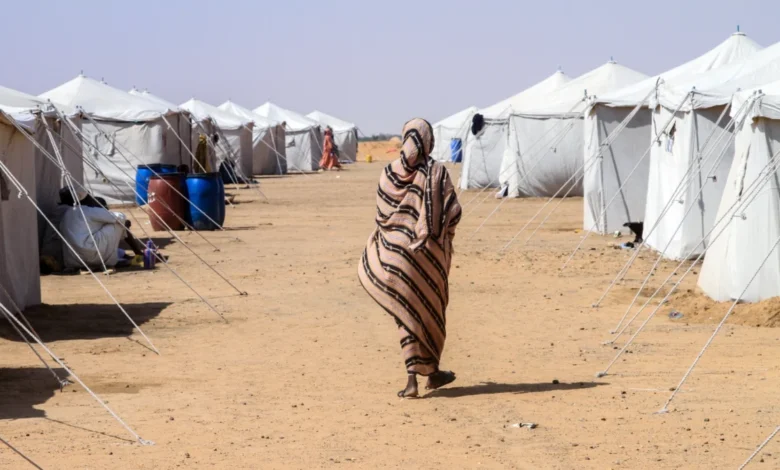
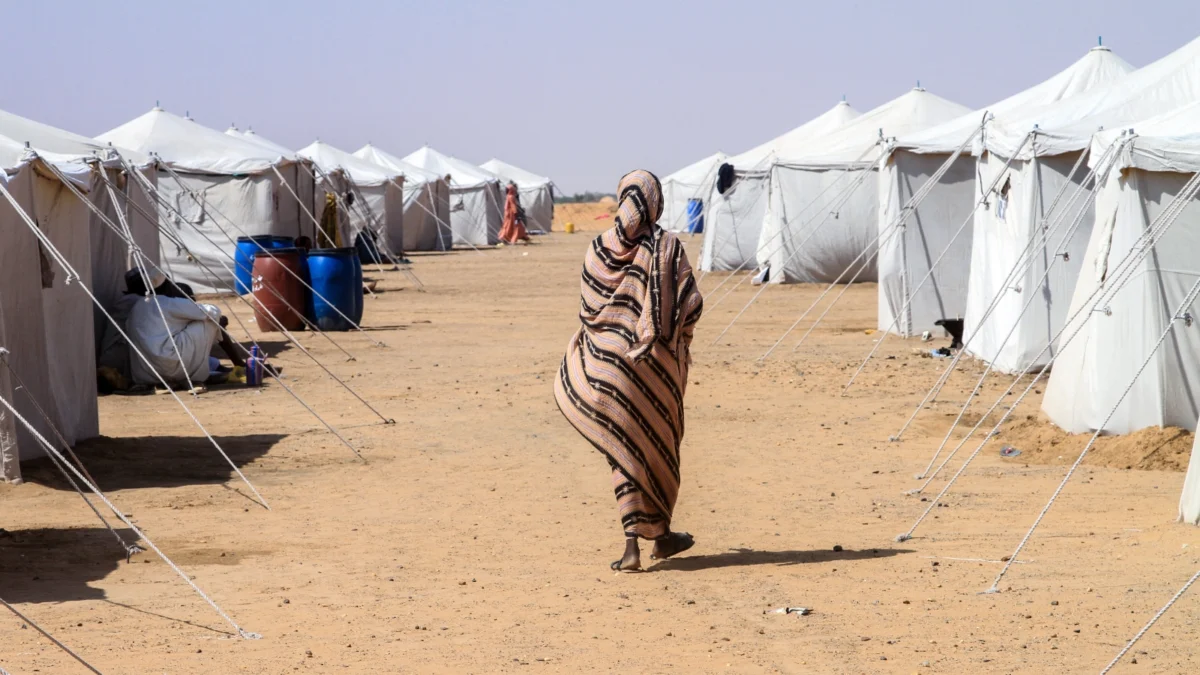
Every year, millions of people across the globe are uprooted by the accelerating forces of climate change. From the devastating floods in South Asia and prolonged droughts in the Horn of Africa to the catastrophic wildfires currently reshaping the American West, the environment is increasingly acting as a primary driver of human movement. These individuals, often termed "climate migrants," exist in a legal gray area, lacking the formal protections afforded to political refugees under the 1951 Refugee Convention. While most displacement occurs internally, the sheer scale of the phenomenon is poised to trigger a period of global demographic churn that rivals historic mass migrations. By 2050, the World Bank estimates that at least 44 million people will be displaced within their own borders due to environmental stressors—a figure roughly equivalent to the entire population of Argentina.
In a landmark legislative move last fall, the state of Illinois positioned itself as a potential leader in this arena by passing the Climate Displacement Act. The legislation was designed to be the first of its kind in the United States, creating a 17-seat task force charged with assessing how climate-driven migration could reshape the state’s infrastructure, public services, and economic landscape. The mandate required the task force to produce two comprehensive reports: the first, due by the end of this year, to define the scale of expected migration; and the second, due in 2027, to provide a blueprint for how state agencies should evolve to accommodate new populations. However, a year after the act was signed into law by Governor JB Pritzker, the initiative has largely stalled, with state officials failing to appoint the necessary board members or establish a concrete timeline for action.

A Chronology of Legislative Ambition and Administrative Stagnation
The genesis of the Climate Displacement Act was rooted in a sense of urgency. Introduced in February 2025 by state Senator Graciela Guzman, the bill followed a season of record-breaking wildfires in Southern California that prompted existential questions for millions of families about the long-term viability of their homes. For Guzman, the daughter of Salvadoran refugees, the legislation was a pragmatic response to a future where "home" is no longer a permanent concept.
The timeline for the implementation was intended to be swift. Under the statute, the governor, state legislative leaders, and the heads of key agencies were required to appoint members to the 17-seat task force within 90 days of the bill taking effect. Yet, as of late 2026, that mandate has been almost entirely ignored. To date, only one appointment—Senator Guzman herself—has been made to the board. Despite the looming December deadline for the first progress report, the task force has yet to hold an inaugural meeting, leaving the state’s ambitious roadmap effectively frozen.
When pressed for comment by WBEZ and Grist, the vast majority of the officials responsible for these appointments, including four members of the Illinois General Assembly and the directors of seven state agencies, declined to provide substantive answers regarding the delay. The Governor’s office maintained that the administration remains "committed to fighting climate change," though spokesperson Andres Correa was unable to offer a projected date for when the appointments would be completed or when the task force might convene.

The Myth of the Climate Haven
The hesitation in Illinois stands in stark contrast to the state’s geographic appeal. With access to 20 percent of the world’s unfrozen freshwater, a robust agricultural economy, and relative insulation from the most severe coastal threats like sea-level rise, Illinois has been frequently cited as a "climate haven." Analysts, including those at the climate-risk modeling firm AlphaGeo, have gone as far as to rank Chicago as the most climate-resilient large city in the world.
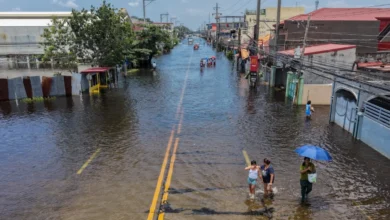
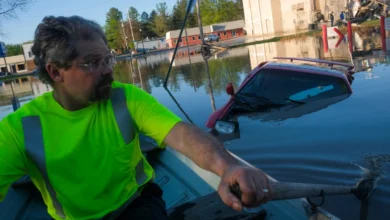
However, environmental experts and climatologists have spent years cautioning against the "haven" narrative. The reality of climate change is systemic, not localized. The past year has provided a sobering reminder of this for Illinois, as the state faced an unprecedented barrage of climate-related disruptions. Chicago’s massive subterranean tunnel and reservoir system, designed to handle extreme rainfall, was pushed to its breaking point during severe flooding events. Furthermore, the region grappled with an abnormal surge in tornado activity, extreme heat waves that challenged the aging energy grid, and persistent wildfire smoke from the north that degraded air quality for days at a time.
These events illustrate that while the Midwest may be more resilient than the Gulf Coast or the fire-ravaged West, it is not immune to the cascading effects of a warming planet. The "haven" label, according to researchers, is a dangerous simplification that may lead policymakers to underestimate the necessity of infrastructure upgrades and social safety net expansion.

Comparative Policy Landscapes
While Illinois is currently failing to meet its own legislative mandate, it is not the only state grappling with the question of future migration. The challenge is complex, as "climate migrant" is a social and political label rather than a legal one. International law currently focuses on persecution based on race, religion, nationality, or political opinion, leaving those fleeing environmental collapse without an established framework for asylum.
Other states have begun to take more incremental, yet functional, steps:
- Alaska: Following the destruction caused by Typhoon Halong, the state passed legislation to facilitate the relocation of entire low-lying, coastal communities, marking a rare example of state-funded, proactive climate retreat.
- Maine: The state has integrated climate migration metrics into its broader statewide resilience and economic development planning.
- California, Hawaii, and New Jersey: Lawmakers in these states have introduced various measures aimed at protecting coastal infrastructure, including property buyout programs for high-risk zones and building code revisions.
- Cincinnati, Ohio: Perhaps the most advanced municipal model, the city has published a concrete blueprint to prepare for an influx of up to 500,000 residents by 2050. Their approach focuses on expanding affordable housing, strengthening public transit, and improving general quality of life—a strategy that mirrors the original intent of the Illinois Climate Displacement Act.
Implications and Future Outlook
The failure of the Illinois task force to assemble represents more than just a bureaucratic oversight; it represents a missed opportunity for the state to gain a competitive and humanitarian edge in the coming decades. Bryan Jones, a geographer at Baruch College who has authored significant research on climate displacement, argues that the difficulty of the task is exactly why it must begin immediately.

"Modeling climate change and migration is incredibly difficult because you are dealing with two separate, high-variable systems," Jones noted. "When you combine them, you aren’t just looking at weather patterns; you are looking at labor markets, housing availability, and the social fabric of cities."
The implications of continued inaction are significant. If climate migration patterns shift as rapidly as current climate models suggest, states that have not prepared their housing and social services will face acute crises. Conversely, states that anticipate these shifts can use them as an economic opportunity, integrating new populations into their workforce to revitalize declining areas.
As it stands, Illinois has the legislative language on the books to be a national model, yet it lacks the political follow-through. For advocates like Senator Guzman, the frustration is palpable. The legal, social, and physical infrastructure needed to handle a future with millions of new, climate-displaced residents cannot be built overnight. Without the data and planning the task force was intended to provide, Illinois remains in a state of reactive uncertainty, effectively waiting for the next climate disaster to dictate its policy instead of leading the way. The window for proactive planning is narrowing, and as the global climate continues to shift, the cost of delay is likely to be measured in both fiscal burden and human suffering.
Related posts: