The Rush to Stake Mining Claims in Bears Ears National Monument Follows Federal Boundary Rollbacks

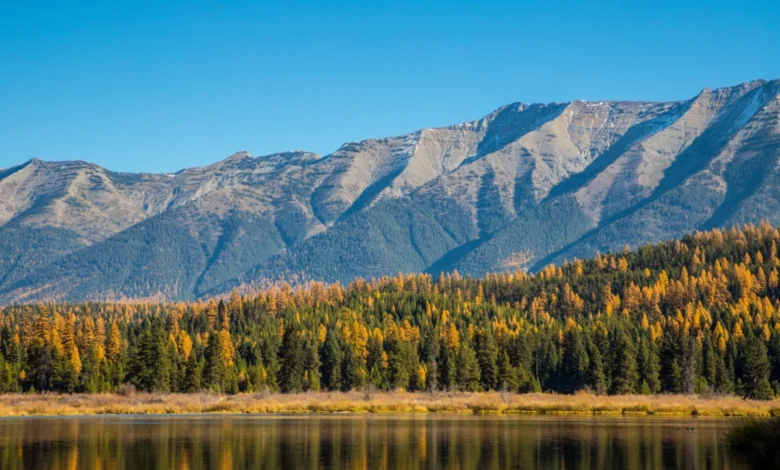
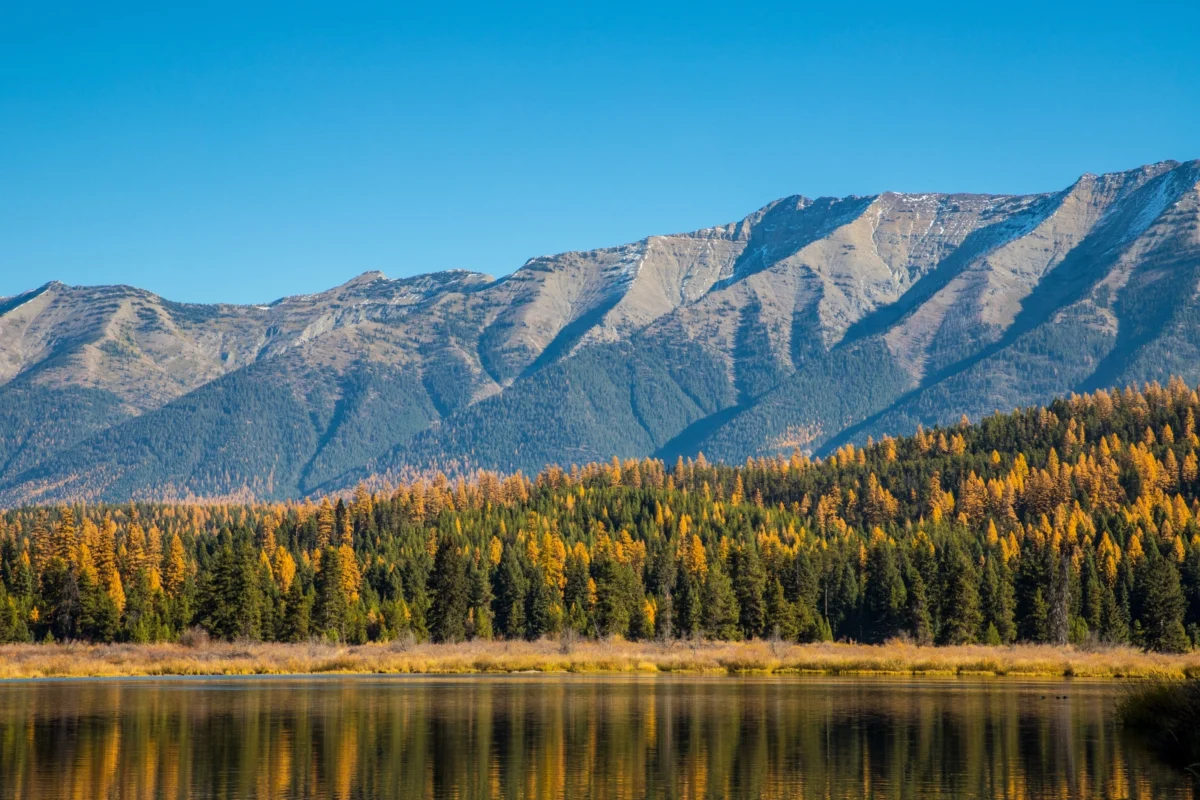
The landscape of southeastern Utah, a region defined by its rugged sandstone canyons and deep cultural significance, has become the epicenter of a renewed tug-of-war over land use policy. On September 11, the very day that approximately 1.2 million acres of federal land were stripped of their protected status within Bears Ears National Monument, prospectors moved with immediate precision. By the close of business, sixteen new mining claims had been filed, signaling a swift return to industrial activity in an area that has been at the heart of America’s most contentious public lands debate for nearly a decade.
This legislative volatility is the result of a pendulum swing in executive authority. President Donald Trump, acting in his second term, moved to excise roughly 90 percent of the monument’s footprint, reversing the expansions and protections codified during the Biden administration. For the mining industry and local operators, the proclamation was a signal to re-engage with a landscape that holds potential deposits of uranium, vanadium, and various precious metals.
A Chronology of Monumental Instability
To understand the current rush to stake claims, one must look at the erratic legal status of the Bears Ears region. The monument was initially established in 2016 by President Barack Obama, who designated 1.35 million acres as protected federal land to preserve Indigenous cultural sites and fragile ecosystems.
In 2017, the Trump administration executed an 85 percent reduction of the monument, an action that triggered years of litigation. The Biden administration subsequently restored and slightly expanded the boundaries during his term, aiming to provide permanent federal oversight. However, the most recent executive action this past summer once again slashed the footprint, effectively reopening the area to the General Mining Act of 1872—a law that allows individuals to stake claims on public lands if they demonstrate the presence of valuable minerals.
The timeline of the most recent claims highlights the degree of preparation among local stakeholders. Although the proclamation was signed in July, the administrative window for filing did not officially open until mid-September. The coincidence of the opening date and the filing of claims by local entities suggests a high degree of anticipation regarding the federal government’s policy shifts.
The Players and the Motivation
Among those moving to secure mineral rights is Kimmerle Mining, a family-operated business based in Moab. Records indicate that the company filed for modifications to its existing 21-acre "Easy Peasy" mine, alongside eleven additional claims in the immediate vicinity. Kyle Kimmerle, a key figure in the operation, has long been a vocal critic of the monument status, having previously participated in litigation against the federal government, arguing that the inclusion of his holdings within the monument amounted to a "useless" restriction on his business interests.
Kimmerle’s professional portfolio is diverse, spanning general contracting and automotive services, yet his recent appointment to the board of directors for Urano Energy—a Canadian firm specializing in uranium exploration—underscores a strategic interest in the nuclear fuel cycle.
Similarly, George Schultz, a Moab-based off-roading guide, filed three claims in the Lockhart Basin. While Schultz has remained circumspect about the specific minerals he intends to target, his professional background includes documented experience in uranium exploration. These small-scale operators represent a segment of the mining community that views the federal land rollbacks as a necessary correction to allow for "multiple-use" of public lands, a stance supported by the Utah Office of Energy Development.
The Economic and Environmental Conflict
The economic argument for renewed mining centers on the global demand for energy security. As artificial intelligence infrastructure and data centers drive an unprecedented surge in electricity consumption, the nuclear energy sector has gained political momentum as a source of reliable, carbon-free power. Uranium, the primary fuel for these reactors, is central to this narrative. Proponents argue that domestic sourcing is vital to reduce reliance on foreign supply chains.
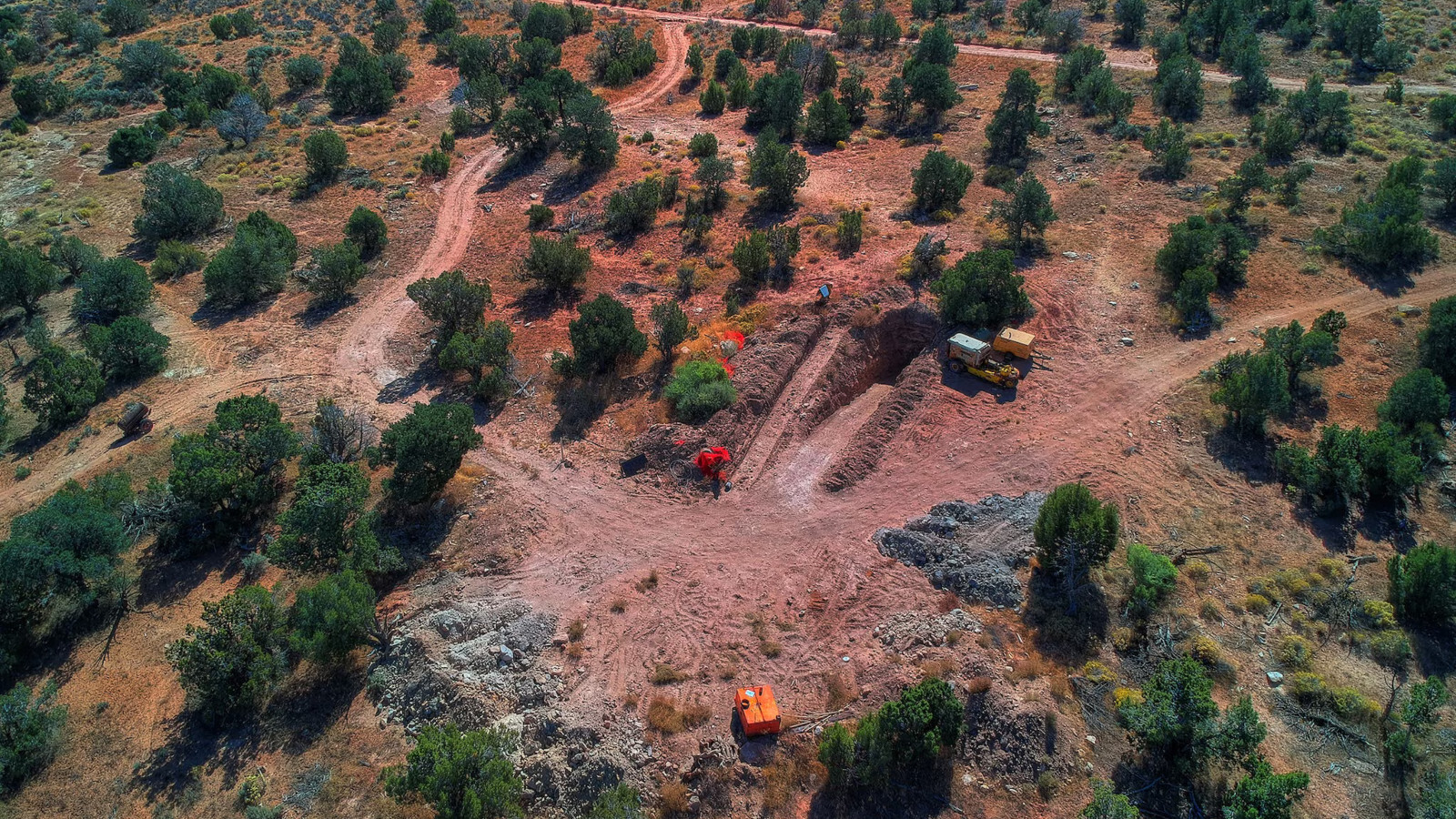
However, environmental advocacy groups, most notably the Southern Utah Wilderness Alliance (SUWA), view this resurgence with significant alarm. Steve Bloch, an attorney for the organization, contends that the influx of hobbyist and small-scale miners risks causing irreversible damage to the monument’s archaeological and ecological resources.
"Hobby miners who want to go locate claims, play miner on the weekend, and leave disturbance and pollution in their wake—that really damages the monument resources," Bloch stated. He further questioned the economic viability of these operations, noting that during previous periods when the monument was reduced, no production-level mines were established. The cost of extraction, particularly in remote and rugged terrain, often exceeds the market value of the ore, suggesting that these claims may be speculative rather than functional.
Broader Implications of Federal Policy
The situation at Bears Ears is not an isolated event; it is emblematic of a broader national debate regarding the limits of executive power. The Grand Staircase-Escalante National Monument has experienced a similar trajectory of protection and revocation, mirroring the instability at Bears Ears.
A significant point of friction is the dissolution of the tribal commission that was previously tasked with co-managing the monument. By removing the consultative role of Indigenous nations, the current administration has shifted the management philosophy away from shared stewardship toward an extractive model. The proclamation explicitly cited a "grab bag" of minerals—including copper, silver, zinc, and vanadium—as essential to the U.S. economy, essentially framing the landscape as a repository of strategic resources.
The fact that corporate executives, such as those at Energy Fuels, have been observed adjusting their stock holdings in anticipation of these policy shifts suggests that the influence of these monuments extends far beyond local mining operations. It connects regional land use to the broader financial markets and the strategic interests of the global energy sector.
Data and Reality Check
While proponents of mining emphasize the importance of uranium, the geological reality of the Colorado Plateau is complex. Historically, Utah was the third-most productive state for uranium, but the high-grade, easily accessible deposits were largely exhausted during the mid-20th century. Current mining efforts must grapple with deeper, more expensive deposits and significantly higher regulatory standards than those of the 1950s.
Furthermore, the existence of a claim does not equate to a productive mine. The process requires extensive environmental impact statements, permitting, and compliance with federal land management agencies, even outside of monument boundaries. The "Easy Peasy" mine, for instance, produced roughly 30 tons of ore in 2018 before ceasing operations, proving that price volatility and extraction costs remain formidable barriers to entry.
Future Outlook
The legal battles over Bears Ears are far from over. With environmental groups signaling their intent to challenge the latest monument boundary adjustments in federal court, the land remains in a state of suspended animation. Investors and miners are left to weigh the costs of pursuing claims that may eventually be invalidated by future judicial rulings or subsequent presidential administrations.
The rapid filing of claims on September 11 is a testament to the high stakes involved for local businesses, but it also highlights the precarious nature of public land protections in an era of intense political polarization. As the nation pivots toward a more energy-intensive future, the tension between the extraction of natural resources and the preservation of irreplaceable cultural and natural heritage remains a defining challenge for the American West. Whether the land will see industrial development or remain a protected wilderness depends on a legal and political future that remains as volatile as the shifting sands of the Utah desert.