Bannock County and the High-Stakes Battle Over the Future of Rural Energy Development

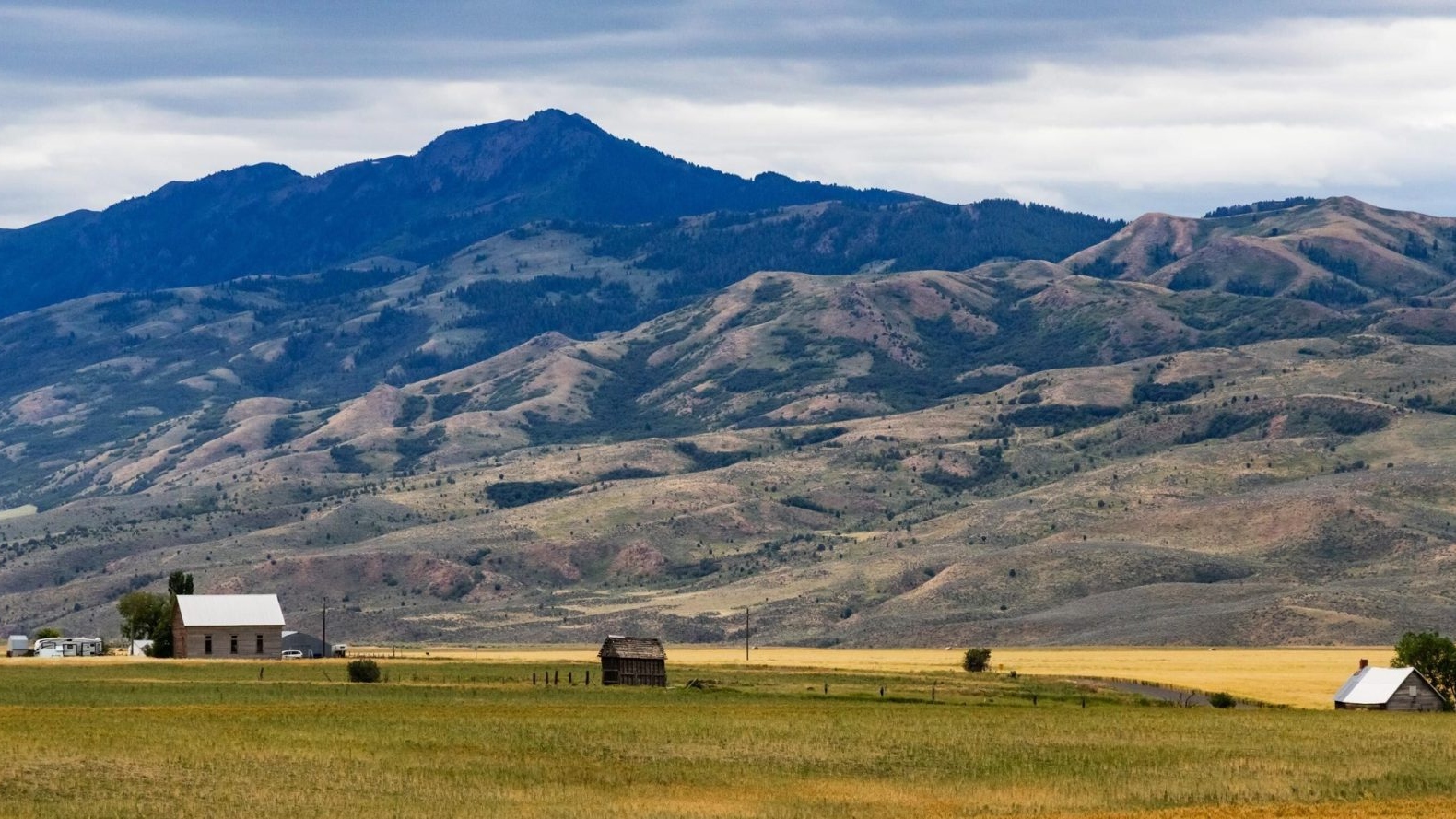
The quiet, sun-drenched valleys of Bannock County, Idaho, have become the unlikely epicenter of a fierce national debate over property rights, clean energy infrastructure, and the economic survival of rural America. In a move that signaled a growing trend across the United States, county commissioners voted in March 2024 to implement a sweeping ban on utility-scale solar and wind projects. Yet, as the region grapples with stagnant growth, a changing climate, and the urgent need for grid modernization, that decision has come under intense scrutiny. This fall, the county commission stands at a crossroads, poised to vote on new legislation that could potentially reopen the door to renewables—and potentially nuclear power—setting a precedent for how rural communities navigate the energy transition.
The Legislative Timeline and the Rise of Local Moratoriums
The current tension in Bannock County is not an isolated incident but a localized reflection of a broader nationwide movement. In 2025, a comprehensive analysis conducted by The Daily Yonder and Canary Media revealed that nearly one in four U.S. counties had enacted some form of moratorium or restriction on clean energy development, a sharp increase from 15 percent in 2023. More than 60 percent of these restrictive policies are concentrated in rural areas, where the debate often pits agricultural heritage against the push for modern industrial land use.
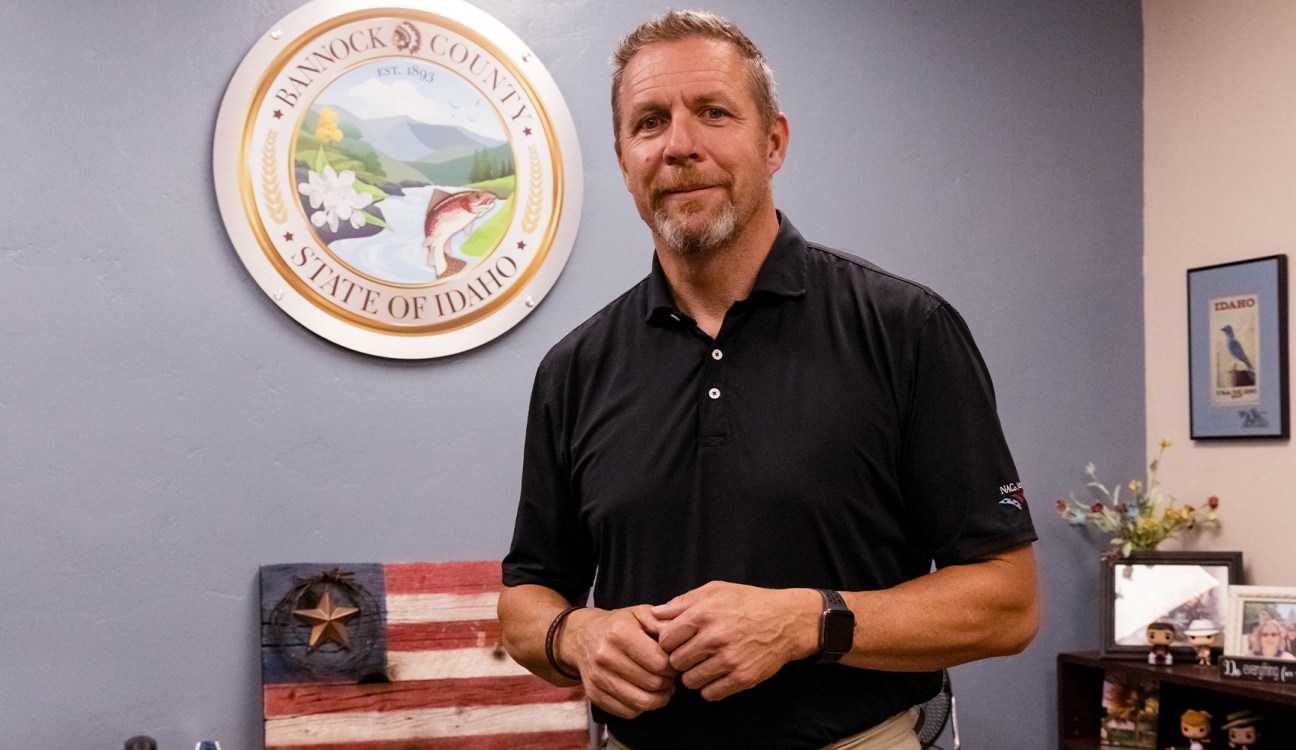
In Bannock County, the sequence of events began in the fall of 2023. County Commissioner Jeff Hough, who had recently attended a conference hosted by the Idaho Association of Counties, returned to his district with concerns regarding the "Lava Ridge Wind Project"—a massive 1-gigawatt development that had sparked widespread alarm among Idaho officials over the perceived loss of local autonomy on federal lands. Fearing that solar developers would similarly bypass local oversight, Hough spearheaded a temporary six-month moratorium in October 2023. The intent, according to proponents, was to allow time to draft a robust regulatory framework. However, the temporary pause quickly morphed into a permanent ideological battleground. By March 2024, the commission—minus a dissenting vote from Hough—passed a formal ban on utility-scale renewable development.
The Economic Imperative: Why Bannock County Matters
Bannock County is geographically and strategically significant to the Western energy grid. Nestled 100 miles west of Wyoming’s Teton Range and acting as a gateway to the Pacific Northwest, the county houses the Populus substation. This critical infrastructure node serves as a major juncture for power transmission across Idaho, Utah, and Wyoming. Because of its proximity to existing transmission lines, the area is economically attractive for developers, as the costs associated with "interconnection"—the process of linking a power plant to the grid—are significantly lower than in more remote locations.
The urgency to utilize this land is underscored by the state’s aggressive energy demand forecasts. Idaho Power, the state’s primary utility, anticipates a 1-gigawatt surge in electricity demand by 2030, representing a 26 percent increase over current levels. Aaron Menenberg, the Idaho policy manager for the nonprofit Renewable Northwest, argues that the state’s economic future is tied to its ability to expand its generation capacity. "We can’t afford to say no to anything," Menenberg said, noting that without new infrastructure, the region risks price hikes and supply instability.
Community Division: Property Rights Versus Landscape Preservation
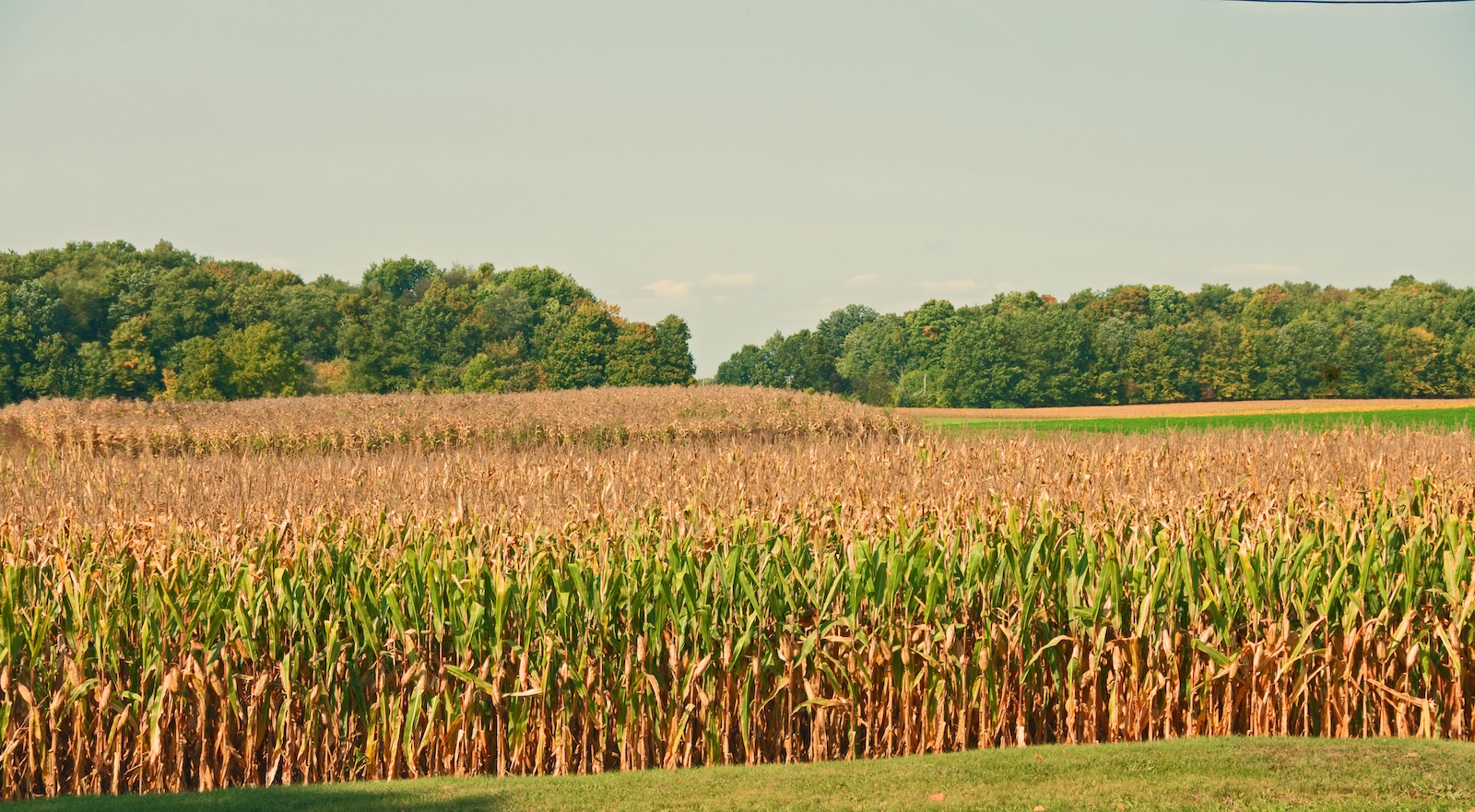
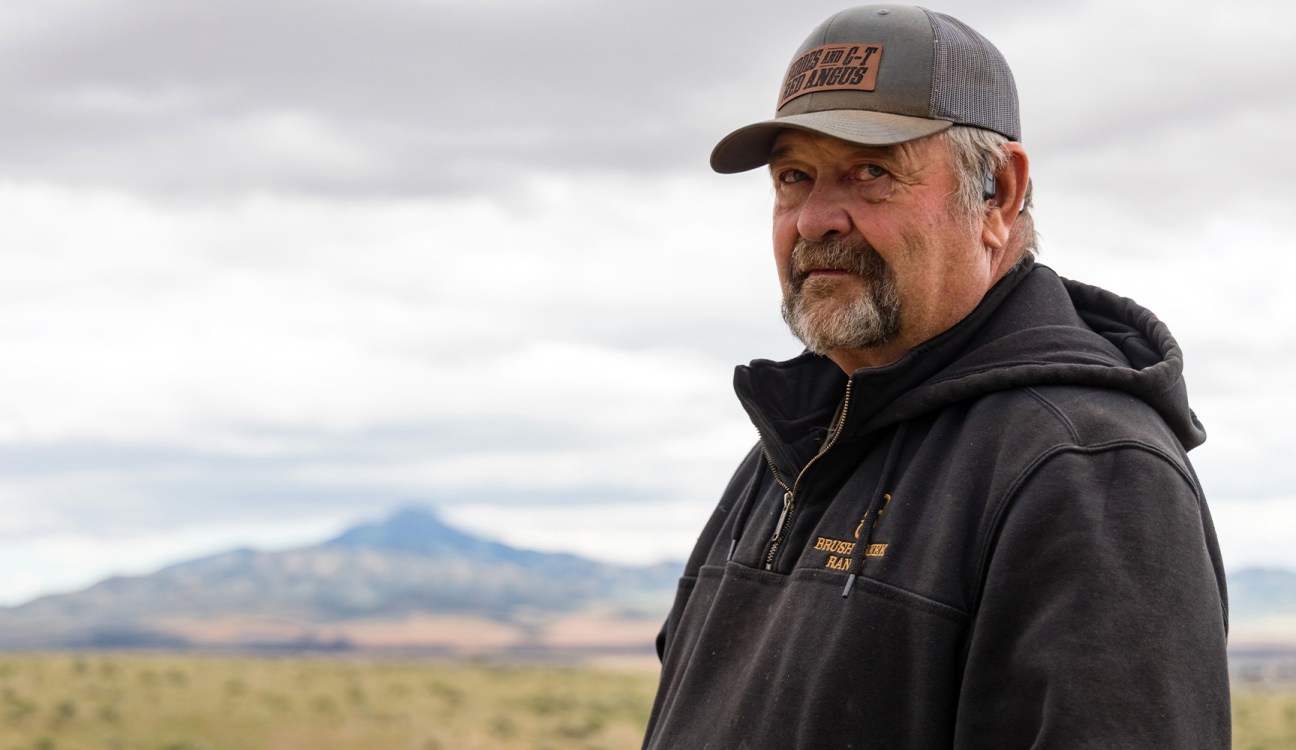
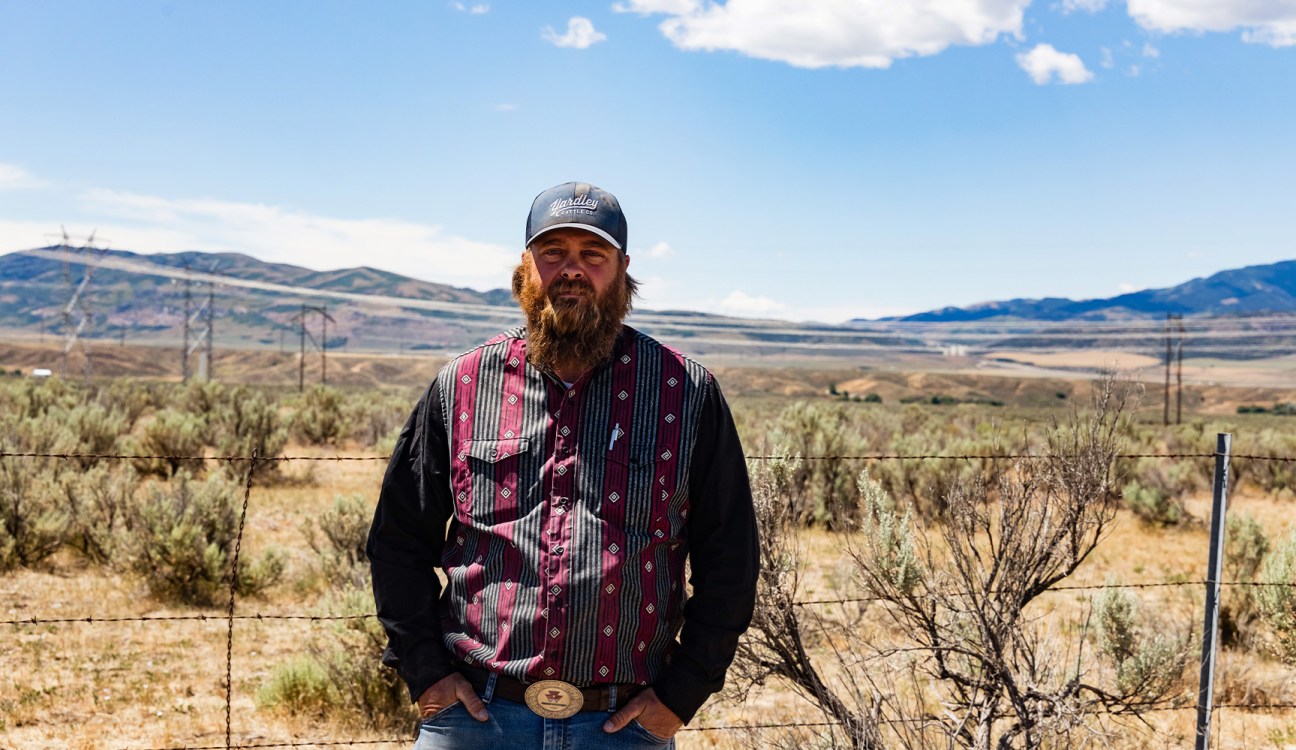
The debate has effectively split the community into two distinct factions. One group, composed largely of farmers like Steve Criddle and Dale Lish, views the leasing of land to solar developers as a vital financial lifeline. As climate-induced drought conditions worsen, traditional grain farming has become increasingly unsustainable. Lish, a retired USDA employee, noted that solar lease payments could provide four to five times the revenue of wheat production, potentially allowing families to retain their land rather than selling it to corporate developers or watching it go fallow.
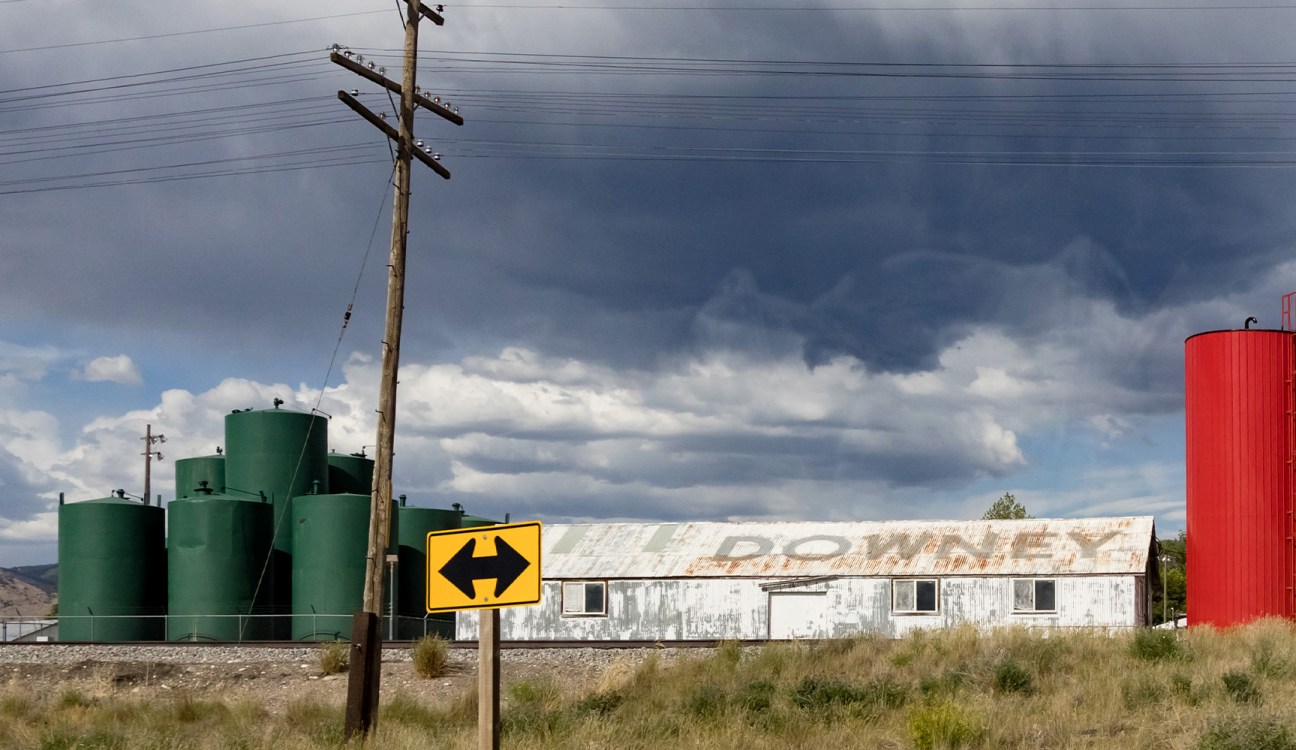
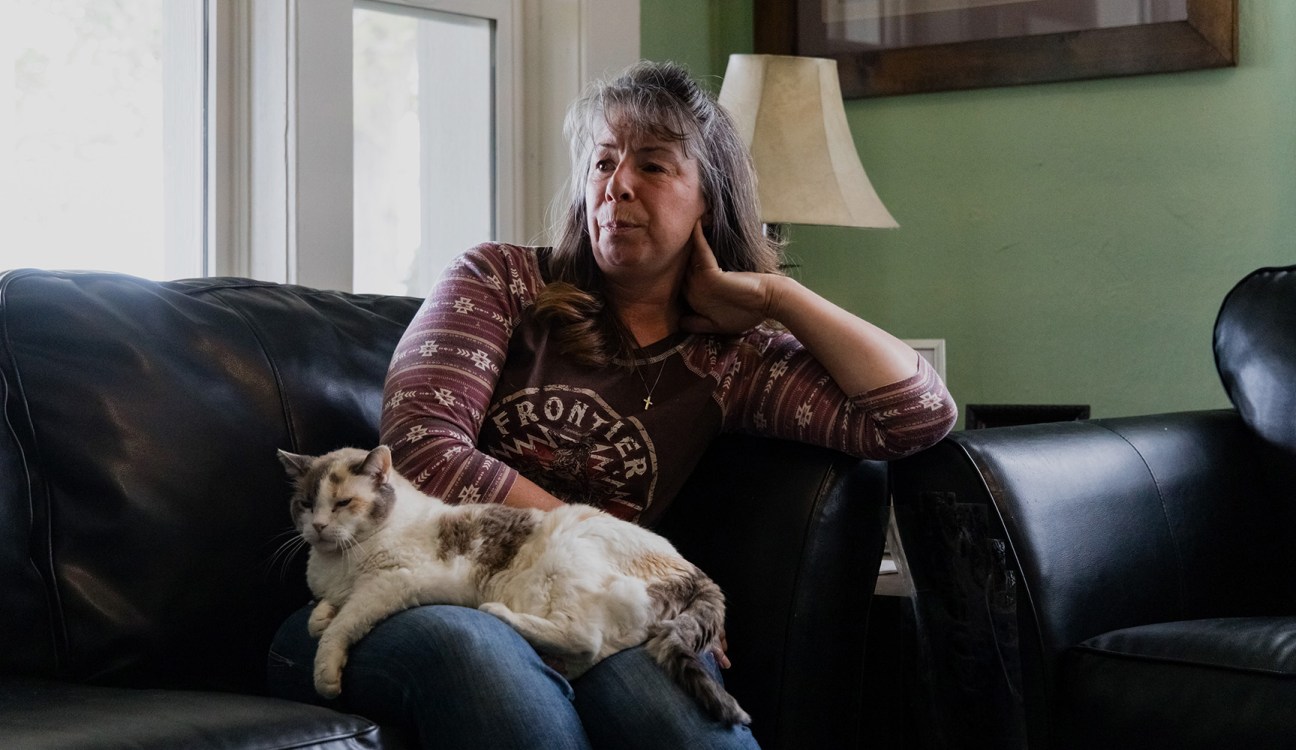
On the other side of the divide are residents like Rebecca Falcon, a vocal leader of the anti-solar movement. For critics, the transformation of pastoral landscapes into industrial-scale solar arrays is a fundamental violation of the rural aesthetic and a long-term risk to agricultural land. Opponents frequently raise concerns about the lack of long-term guarantees for site decommissioning, the impact on property values, and the potential for chemical or fire hazards associated with battery storage systems.
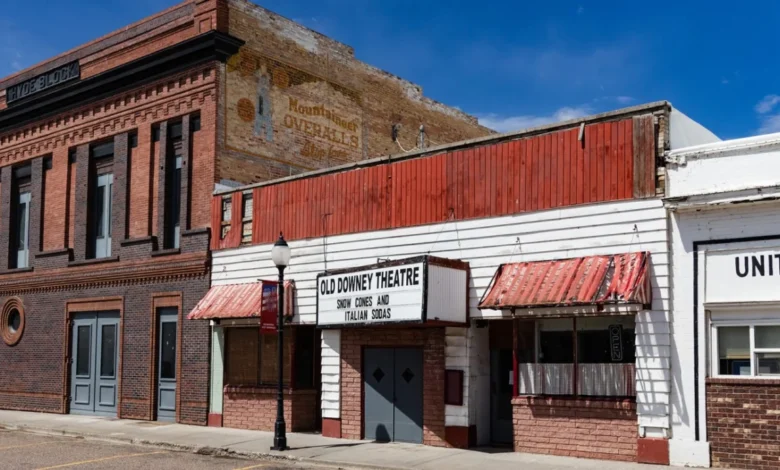
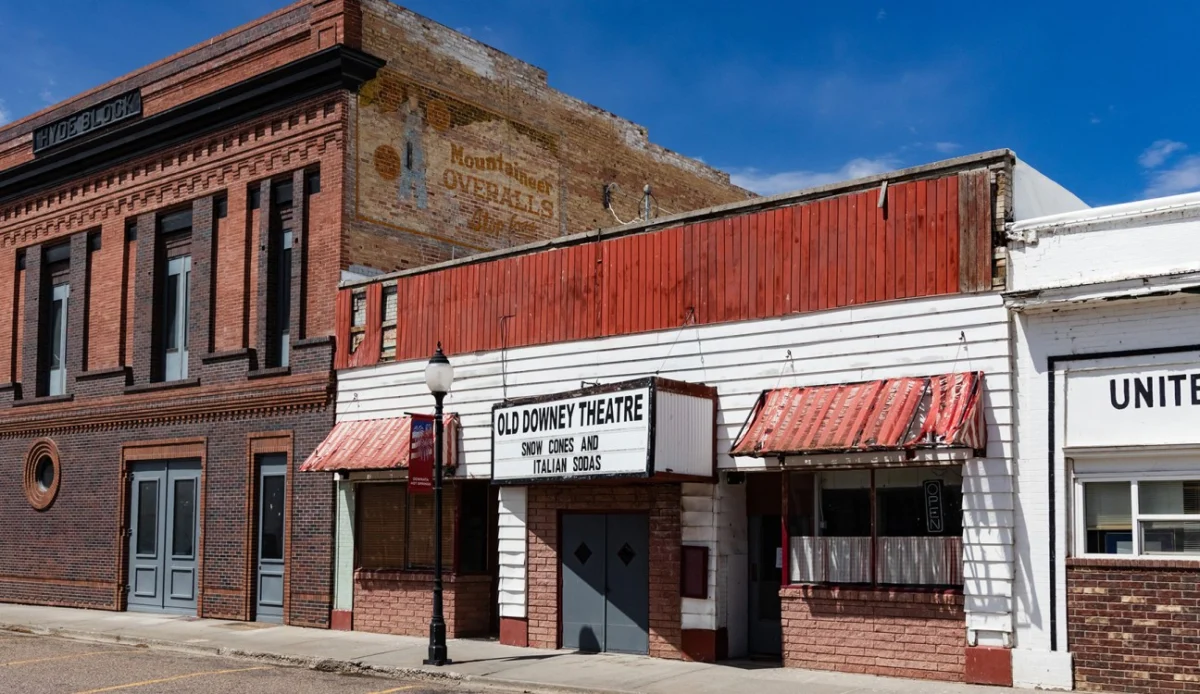
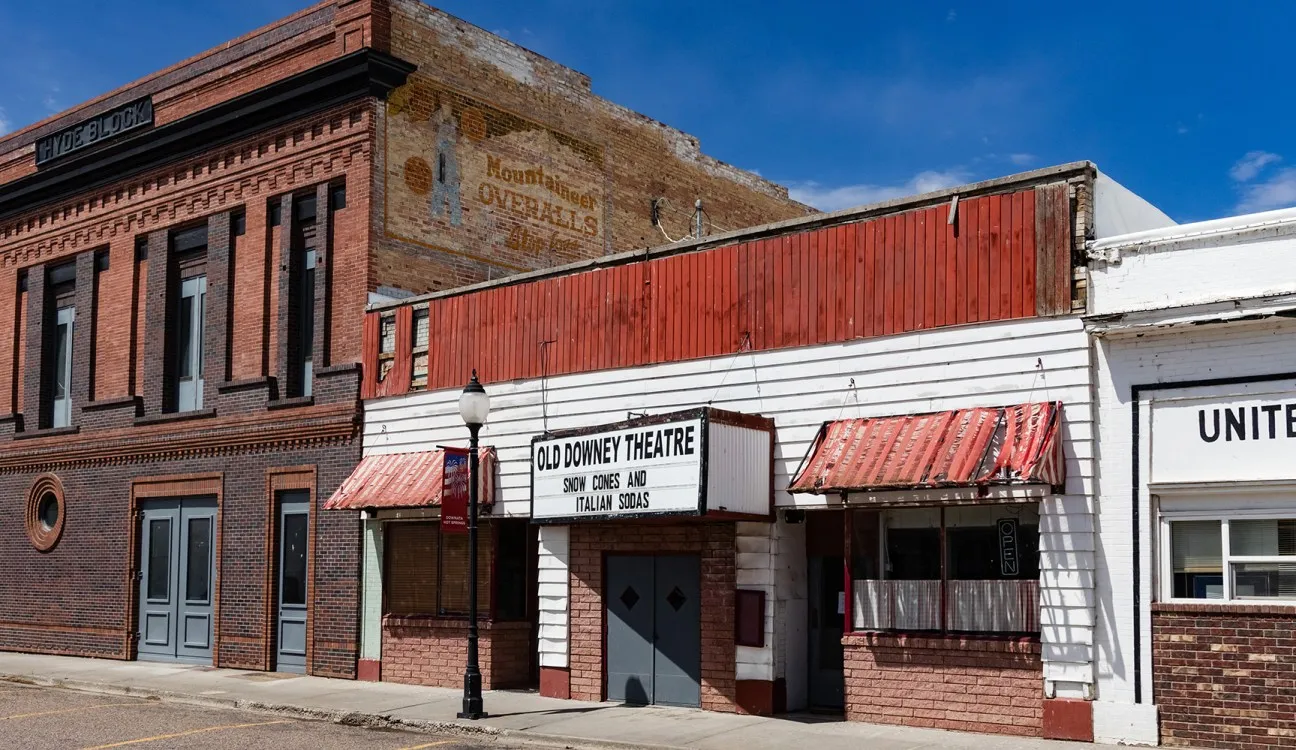
This opposition has been remarkably effective. In May 2026, during local primary elections, candidates running on anti-solar platforms secured decisive victories in specific rural precincts, including Downey, despite Commissioner Hough winning his own re-election bid by a comfortable margin overall. This disparity in voting patterns highlights a deep-seated cultural and economic divide between the county seat of Pocatello and the outlying agricultural communities.
The Nuclear Pivot: A Potential Compromise?
In a surprising turn, the debate has found a potential resolution in nuclear energy. Public sentiment in Bannock County is remarkably pro-nuclear, with surveys indicating that over 90 percent of residents view the industry favorably. This sentiment is largely influenced by the proximity of the Idaho National Laboratory (INL), a leader in advanced nuclear research.
Commissioners are now drafting an ordinance that would allow for both renewable energy and nuclear development. For proponents of the shift, such as Commissioner Hough, this represents a pragmatic "all-of-the-above" approach. "Everybody is claiming nuclear is the future, which it is," Hough remarked, "but nuclear is ten years away, maybe, so you have to have something to help get you there."
The move to include nuclear energy has garnered support even from those who previously fought against solar. Supporters of the new ordinance believe that if the county creates a space for advanced microreactors—which require a significantly smaller physical footprint than solar arrays—it might appease residents who are worried about land consumption. However, the path to a nuclear-powered future is fraught with economic and technical hurdles. The SMR (Small Modular Reactor) industry remains in its infancy, with many projects facing significant supply chain challenges and permitting uncertainty. The cancellation of the NuScale SMR project in 2023 serves as a sobering reminder of the financial risks inherent in first-of-a-kind energy deployments.
The Path Forward: Stewardship and Regulatory Oversight
As the fall vote approaches, the Bannock County Commission is focusing on creating a "gold-standard" regulatory ordinance. The draft language, currently undergoing public review, addresses the primary concerns raised by the anti-solar camp. It includes strict provisions for decommissioning bonds—ensuring that developers are financially responsible for dismantling infrastructure and restoring the land to pre-construction conditions—and mandates that developers provide the necessary funding and training for local fire departments to manage battery-related incidents.
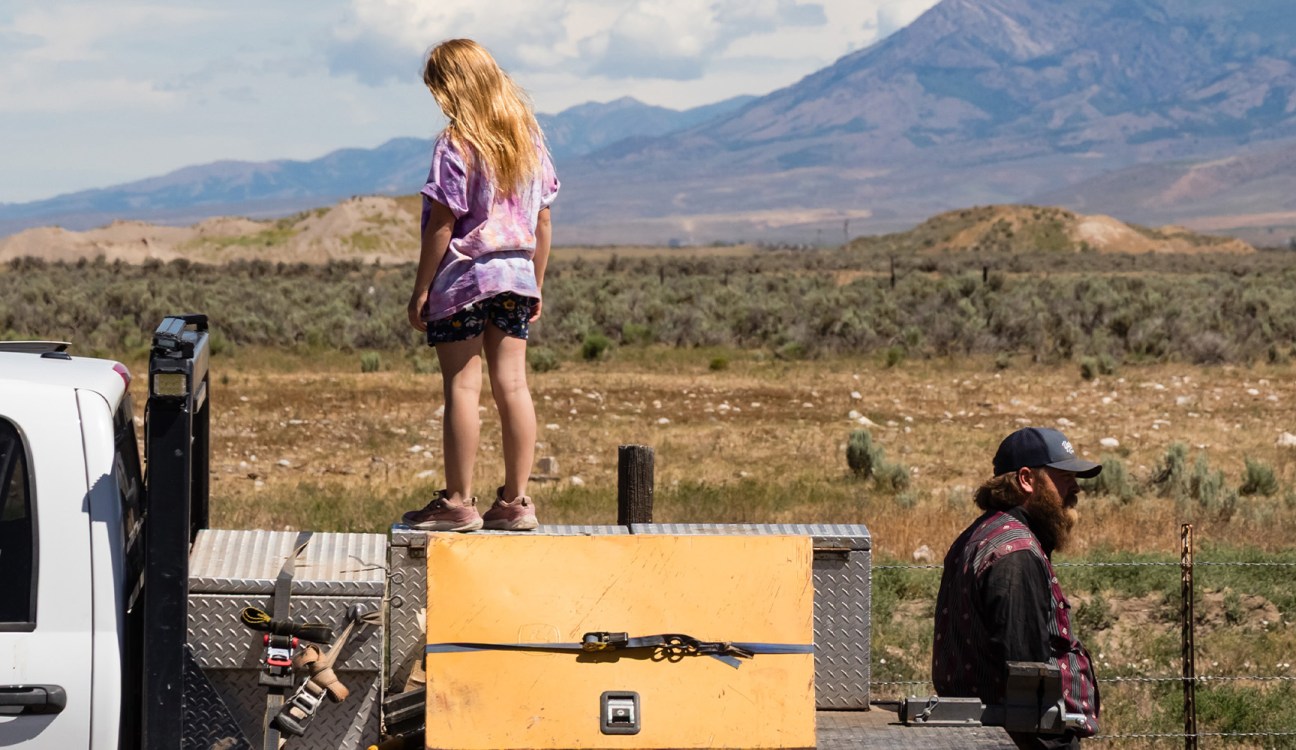
Commissioner Ernie Moser, who voted for the 2024 ban but has recently signaled a shift in perspective, views his role as a "steward" of the land. His transition from an opponent of renewables to a cautious proponent reflects the broader realization that doing nothing is not a neutral act. The economic reality is that if Bannock County maintains its ban, it will effectively cede its energy development potential to neighboring jurisdictions like Power and Bingham counties, which have already begun to collect significant tax revenue from successful clean energy projects.
The Implications of the Bannock County Decision
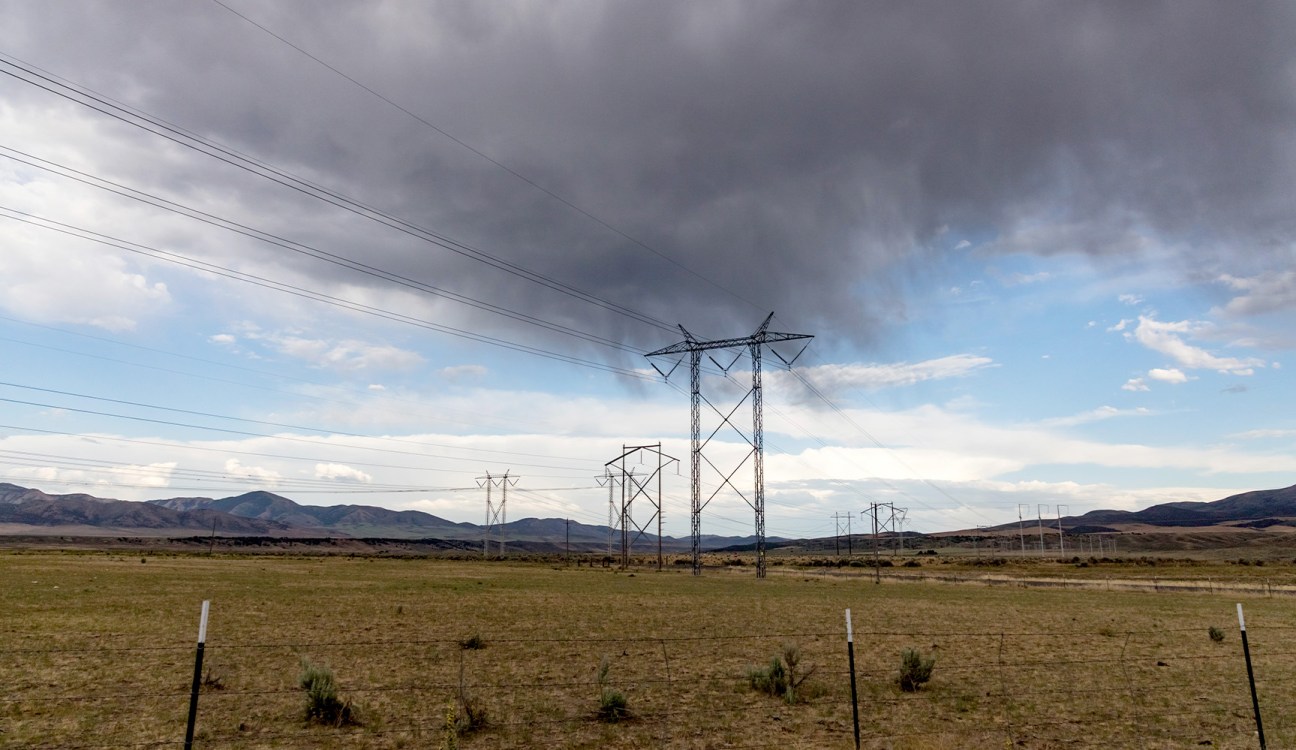
The outcome of the upcoming vote will serve as a bellwether for other rural counties navigating the "energy transition" across the United States. If Bannock County can successfully implement a framework that balances economic development, property rights, and community standards, it may provide a roadmap for other rural areas facing similar pressures. Conversely, a continued refusal to engage with the modern energy economy could lead to further economic isolation as the regional grid evolves.
Ultimately, the dispute in Bannock County is a microcosm of a larger American struggle: how to preserve the legacy of the past while securing the infrastructure of the future. As Commissioner Moser noted, the decisions they make are not simple, nor are they purely academic. They are the result of balancing the preservation of a way of life with the inescapable necessity of a changing energy landscape. Whether this rural pocket of Idaho chooses to become a leader in the next generation of power production or a bastion of traditional, unchanging land use will be determined in the coming months, leaving a legacy that will shape the valley for decades to come.