The meteorological community is currently grappling with a climate event of historic proportions, as a record-shattering El Niño weather pattern intensifies across the Pacific Ocean. With sea surface temperature anomalies in the key Niño 3.4 region reaching a staggering 3.11 degrees Celsius, the phenomenon—colloquially and increasingly dubbed a "super El Niño"—has moved beyond standard classification metrics. This shift in Pacific trade winds is not merely a localized oceanic anomaly; it is a catalyst for global climatic volatility, prompting emergency declarations in regions like California and triggering widespread alarm among climate scientists who observe its development against a backdrop of persistent, human-induced global warming.
The Mechanics of a Super El Niño
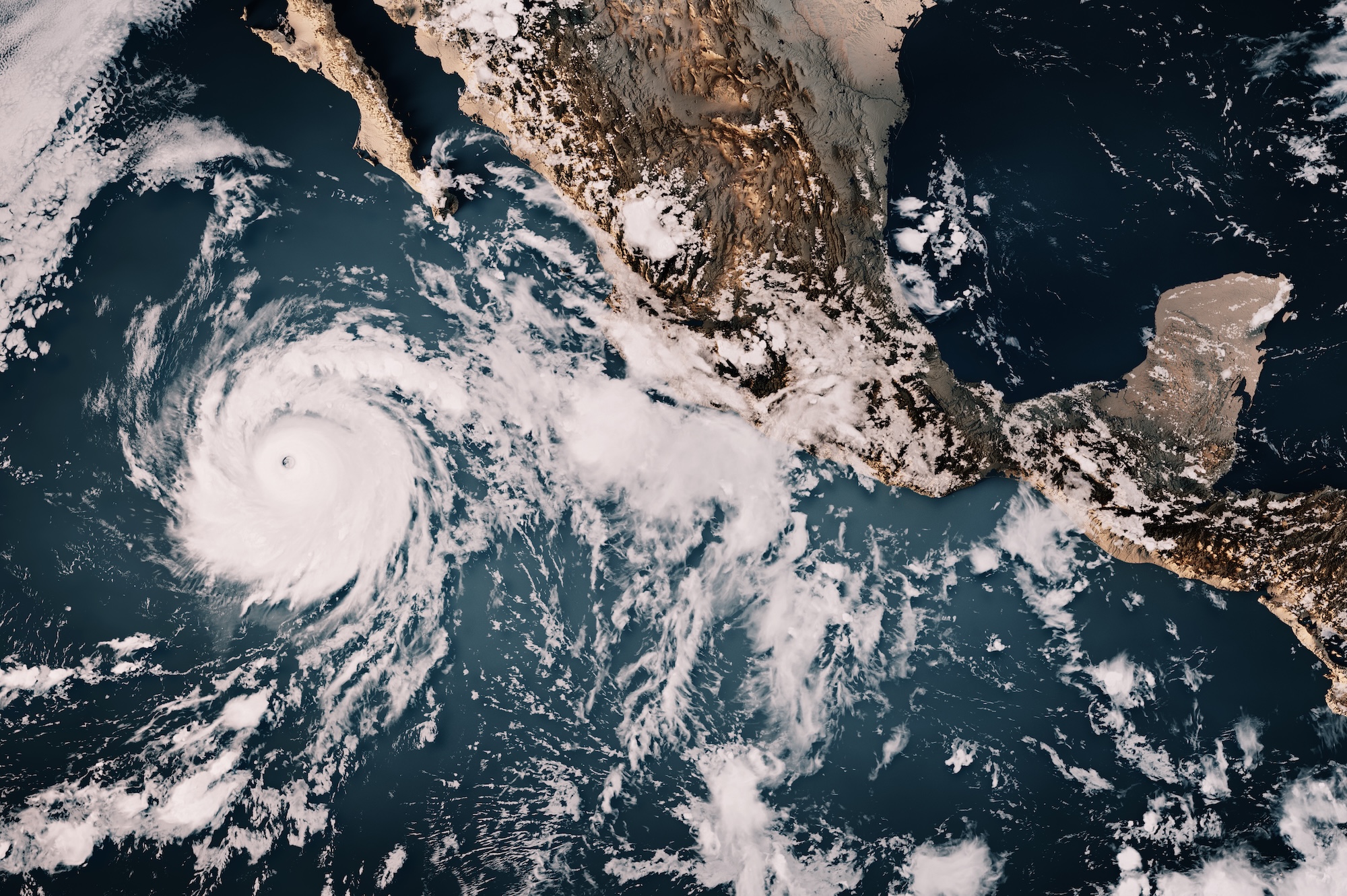
To understand the severity of the current situation, one must first look at the mechanics of the El Niño-Southern Oscillation (ENSO). Under neutral conditions, trade winds blow steadily from east to west across the Pacific, pushing warm surface waters toward Indonesia and Australia, while cold, nutrient-rich water upwells along the coast of the Americas. During an El Niño event, these trade winds weaken or, in extreme cases, reverse. This allows the vast reservoir of warm water in the western Pacific to slosh eastward, blanketing the central and eastern Pacific with heat.
While El Niño is a naturally occurring cycle that typically emerges every two to seven years, the current iteration is distinctive due to its sheer intensity. When the temperature anomaly in the Niño 3.4 region exceeds 2 degrees Celsius, meteorologists categorize the event as "very strong." At 3.11 degrees, the current event has effectively rewritten the scale, surpassing the previous record-holding El Niño of 2015. This thermal energy, once released into the atmosphere, alters the jet stream, influencing precipitation and temperature patterns across every continent.
Chronology of an Escalating Crisis
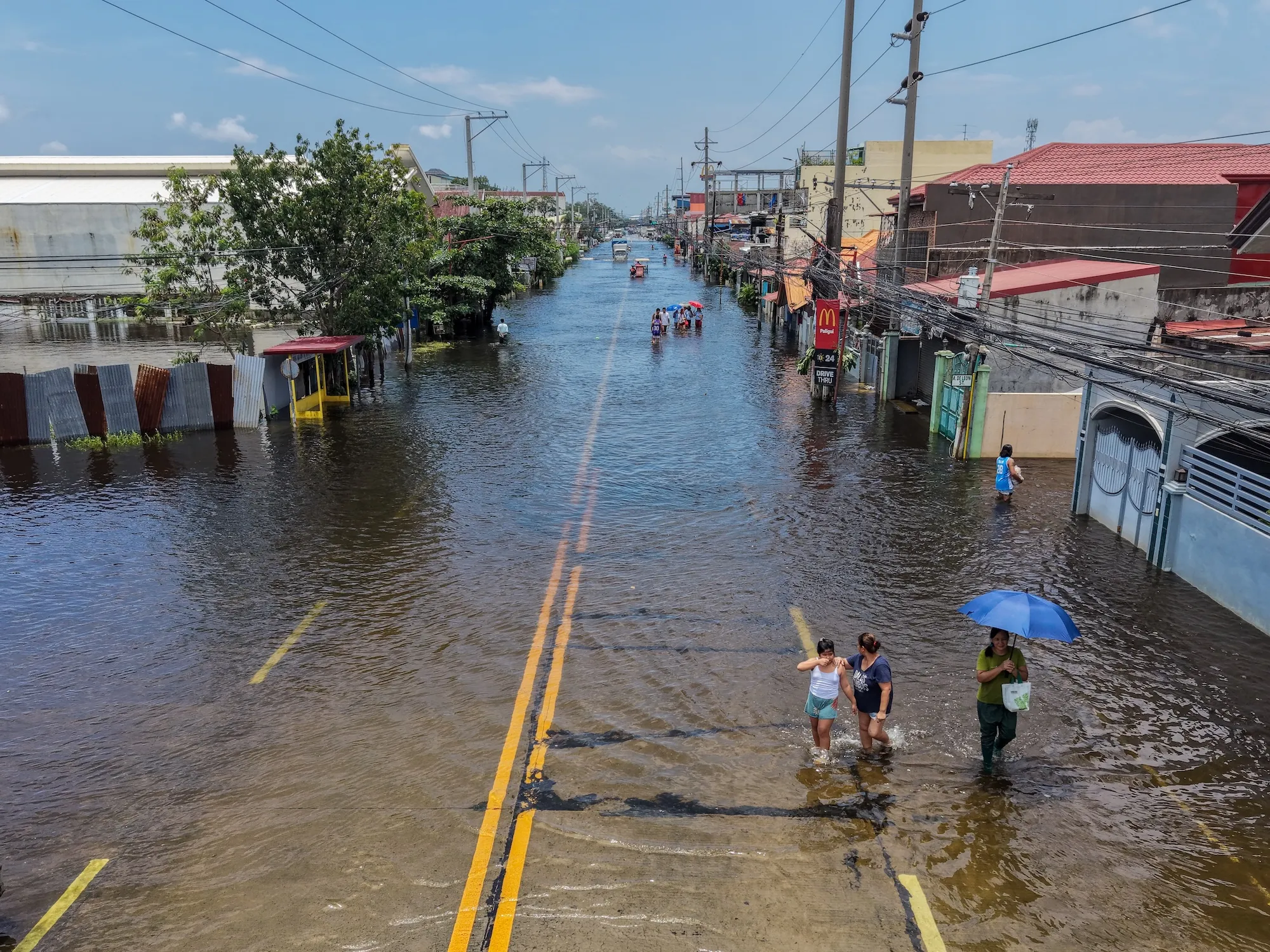
The trajectory of this year’s climate event began to manifest early in the northern hemisphere’s spring. By June, data from the National Oceanic and Atmospheric Administration (NOAA) indicated that global sea surface temperatures had reached unprecedented levels. As the summer progressed, the coupling between the ocean and the atmosphere tightened, leading to the rapid intensification of the ENSO cycle.
By mid-August, climate models were already signaling a 90 percent probability that the event would persist through the end of the year, potentially peaking in December or January. On September 21, the state of California, anticipating the torrential rainfall and coastal erosion historically associated with such events, issued a formal state of emergency to expedite disaster mitigation and infrastructure protection. This move underscored a growing recognition that the traditional "strong" categories are insufficient to describe the magnitude of the challenges now being faced by civil authorities.
Data-Driven Implications for Global Health and Agriculture
The human and economic toll of such a powerful climate driver is immense. Recent epidemiological studies have projected that if the current warming trend continues, the world could see upwards of 450,000 heat-related excess deaths by February. This mortality projection accounts for the synergistic effect of El Niño—which typically raises global average temperatures—and the long-term trend of anthropogenic climate change.
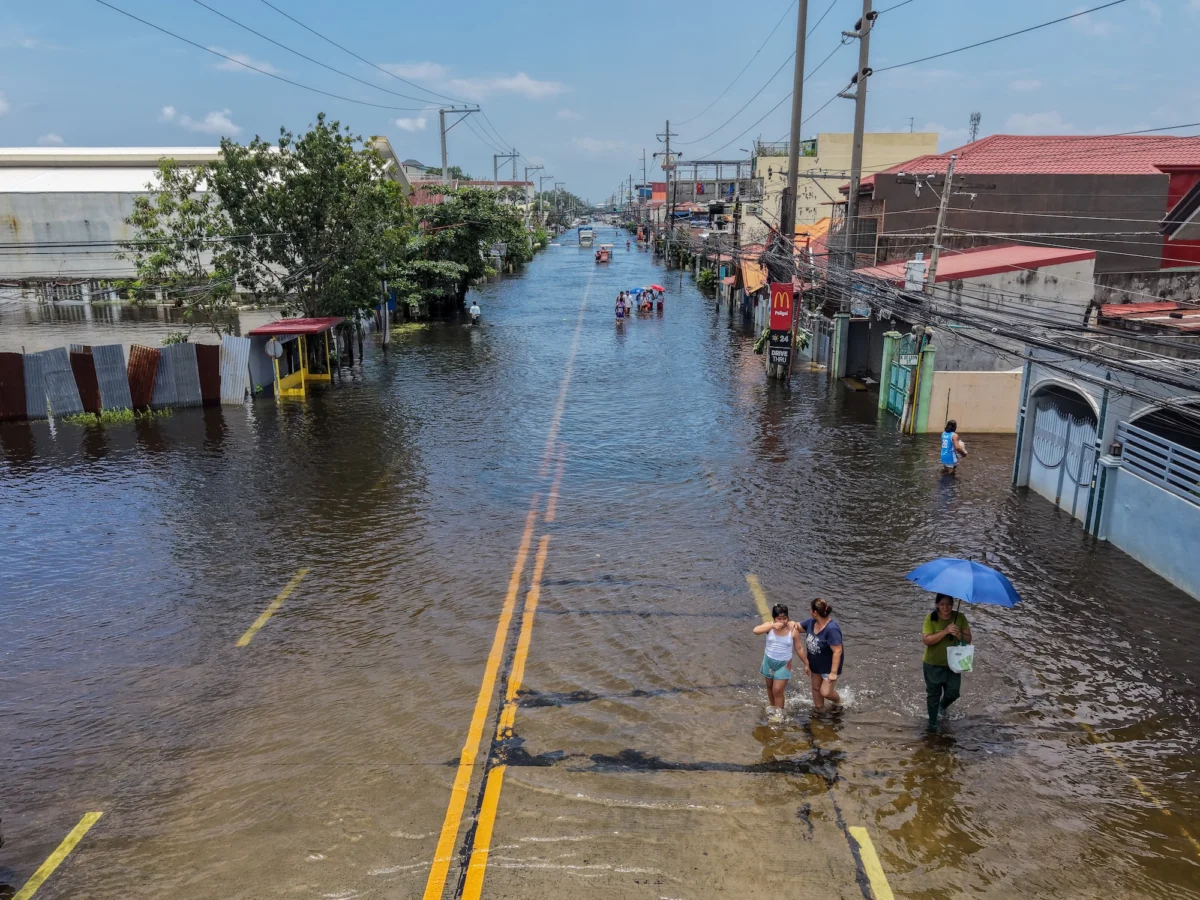
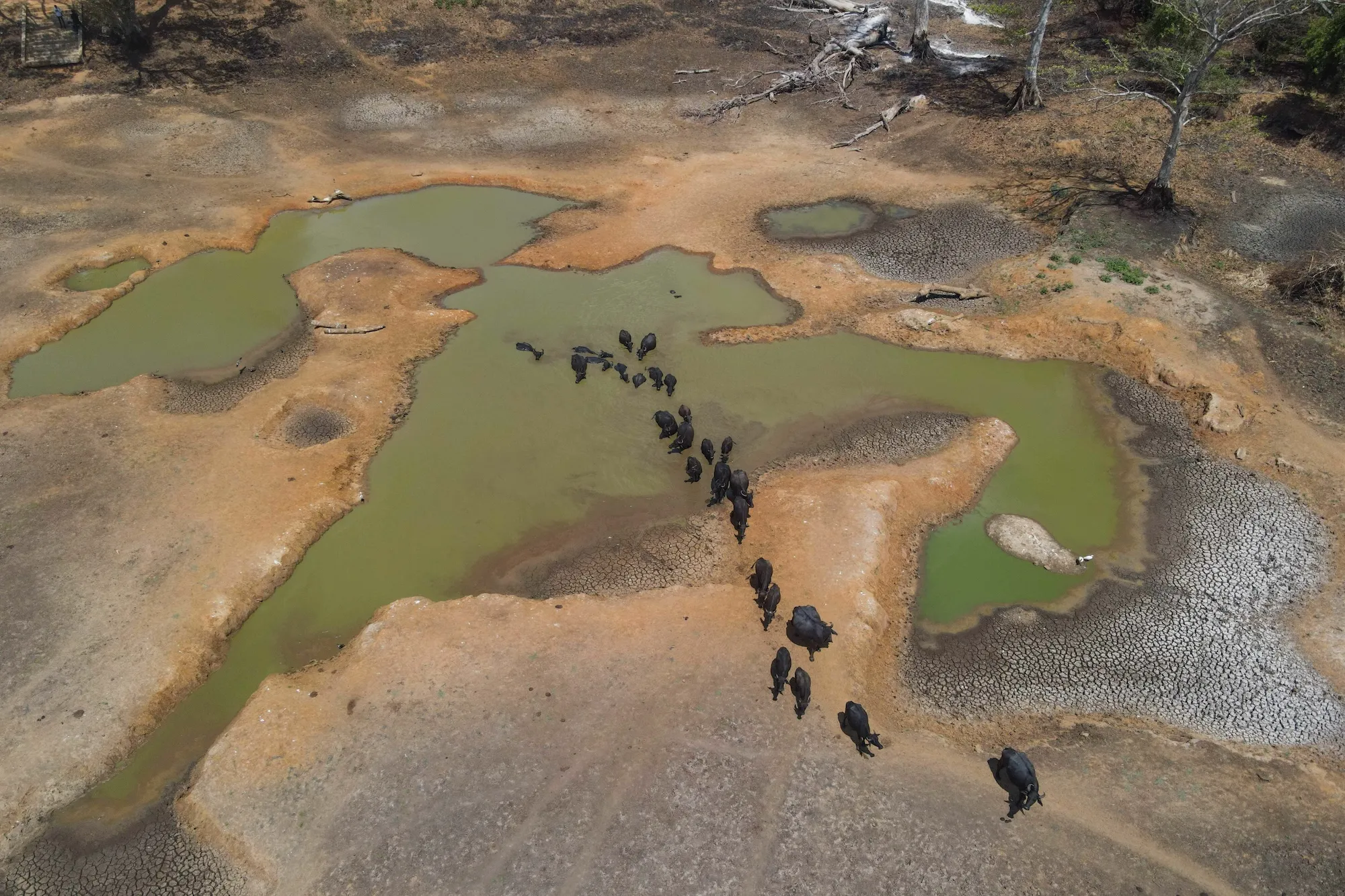
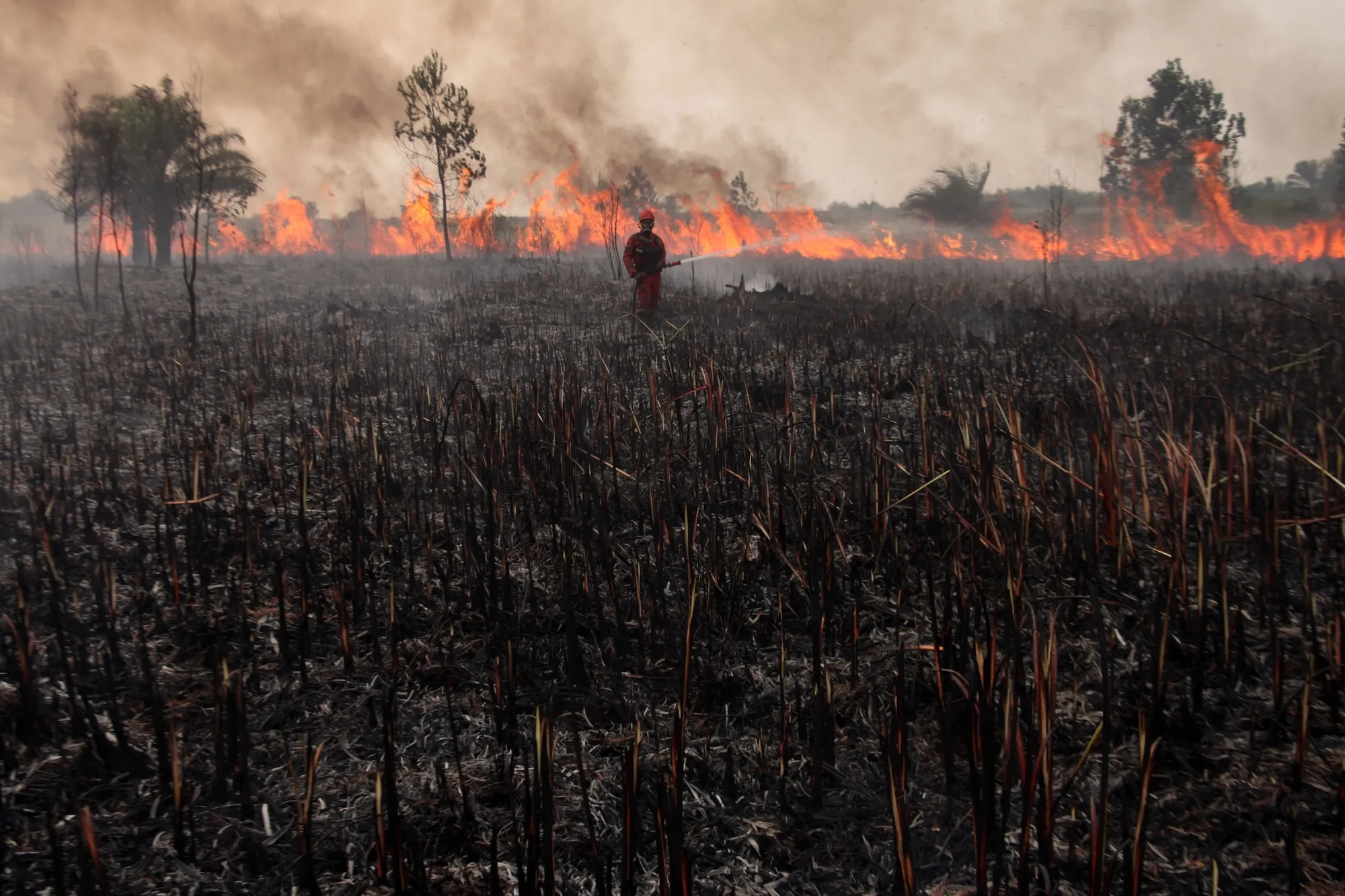
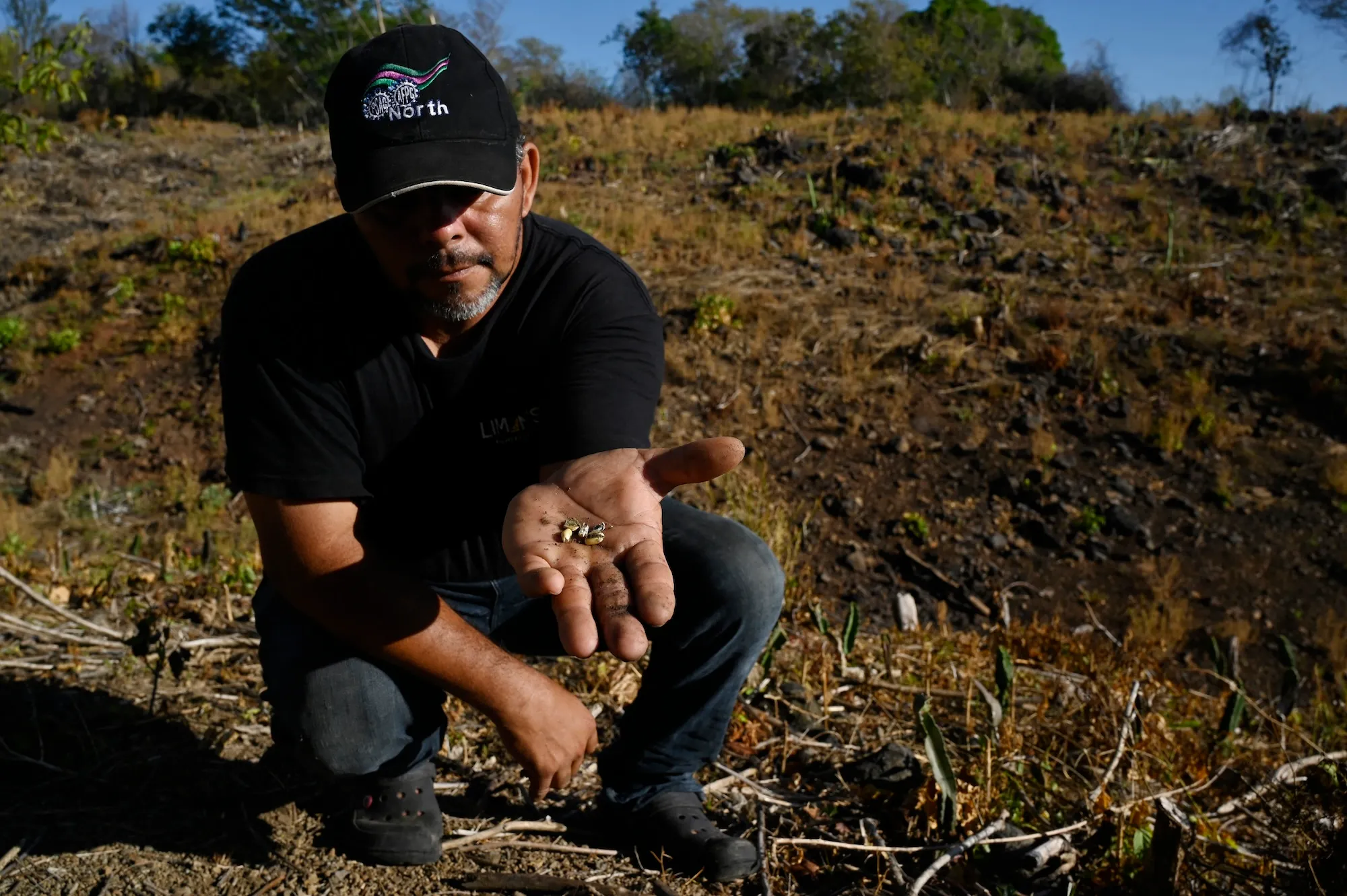
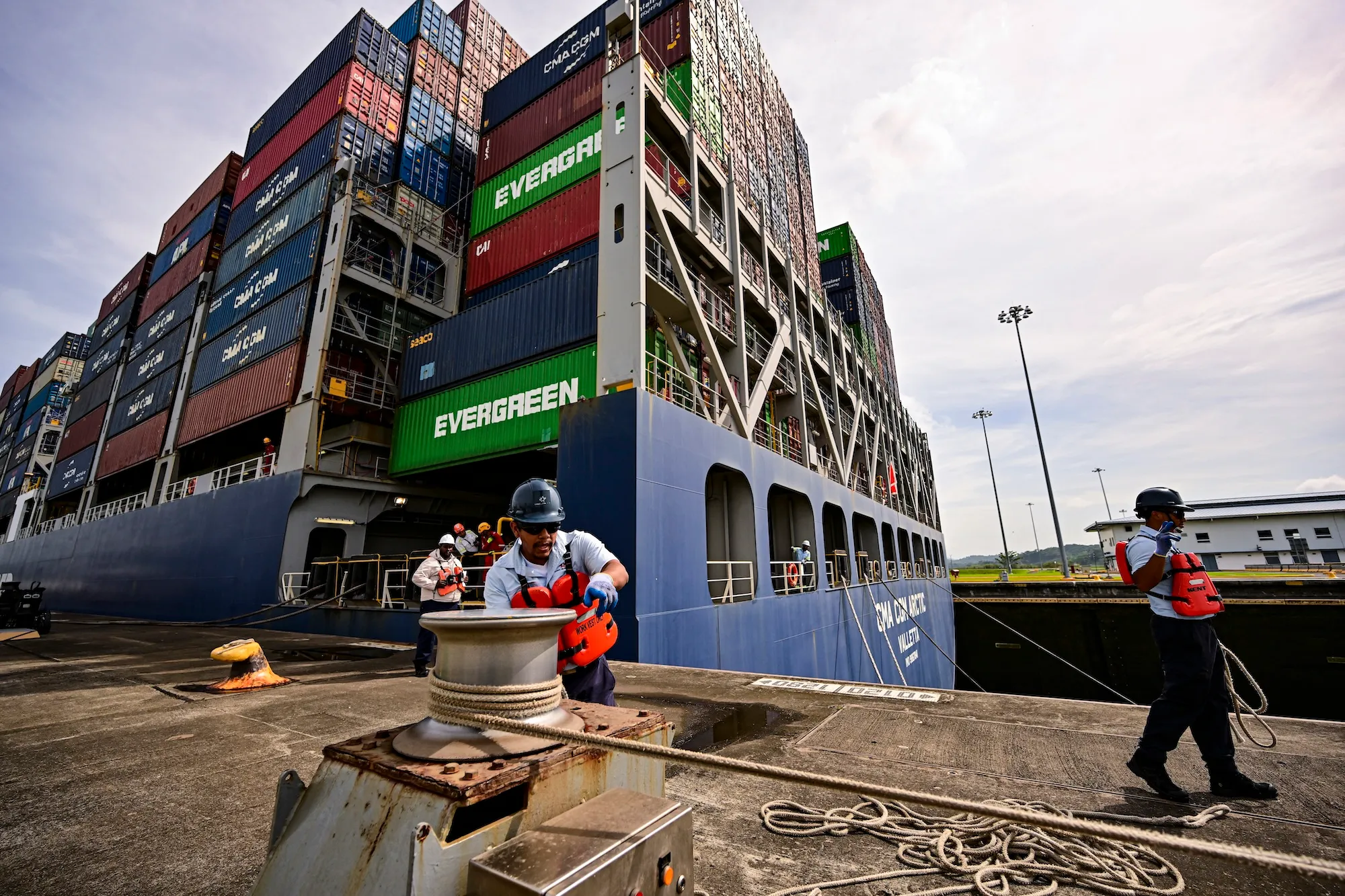
The agricultural sector faces a similarly precarious outlook. In regions like Central America, where farmers are already reporting failed crop cycles due to erratic rainfall and drought, the super El Niño is exacerbating food insecurity. In Southeast Asia, the shifting weather patterns have fueled severe wildfires in Indonesia, creating hazardous air quality conditions that affect millions. The disruption of global supply chains, such as the reduced transit capacity recently observed at the Panama Canal due to low water levels linked to drought, serves as a bellwether for the broader economic disruptions likely to unfold in the coming months.
Linguistic Evolution in Climate Science
The term "super El Niño" occupies a fascinating space in scientific discourse. While not an official designation used by bodies like the World Meteorological Organization, the term has gained traction because it effectively communicates the departure from historical norms. Ecolinguistics researchers, such as Jovana Vurdelja, suggest that the adoption of this term by both the public and the scientific community reflects a growing need to articulate the "magnitude and severity" of events that defy standard categorization.
However, this reliance on intensifying language—with terms like "Godzilla El Niño" or "mind-bogglingly crazy" heat—highlights a deeper anxiety within the scientific community. As climate scientist Zeke Hausfather noted, if global warming continues to elevate the baseline temperature of the planet, even "super" events may eventually become the new normal, rendering our current vocabulary obsolete. This evolution of language is a reactive measure to a reality where historical climate data is becoming an increasingly poor predictor of future outcomes.
Analyzing the Intersection of El Niño and Climate Change
The central challenge for climatologists today is disentangling the natural variability of El Niño from the systemic warming caused by the burning of fossil fuels. While the two are distinct, they are not independent. Global warming acts as a force multiplier; when an El Niño brings a natural spike in global mean surface temperatures, it does so upon a foundation that is already warmer than it was during the 2015 record event.
Research indicates that climate change may be altering the frequency and intensity of El Niño events, though the exact nature of this interaction remains a subject of intense study. What is clear, according to experts like Christopher Callahan, is that we are witnessing a "generationally strong event" occurring in an environment of rapid, unabated atmospheric warming. This combination is essentially "fast-forwarding" the climate—potentially giving us a preview of what typical conditions might look like by 2040.
Official Responses and Strategic Preparedness
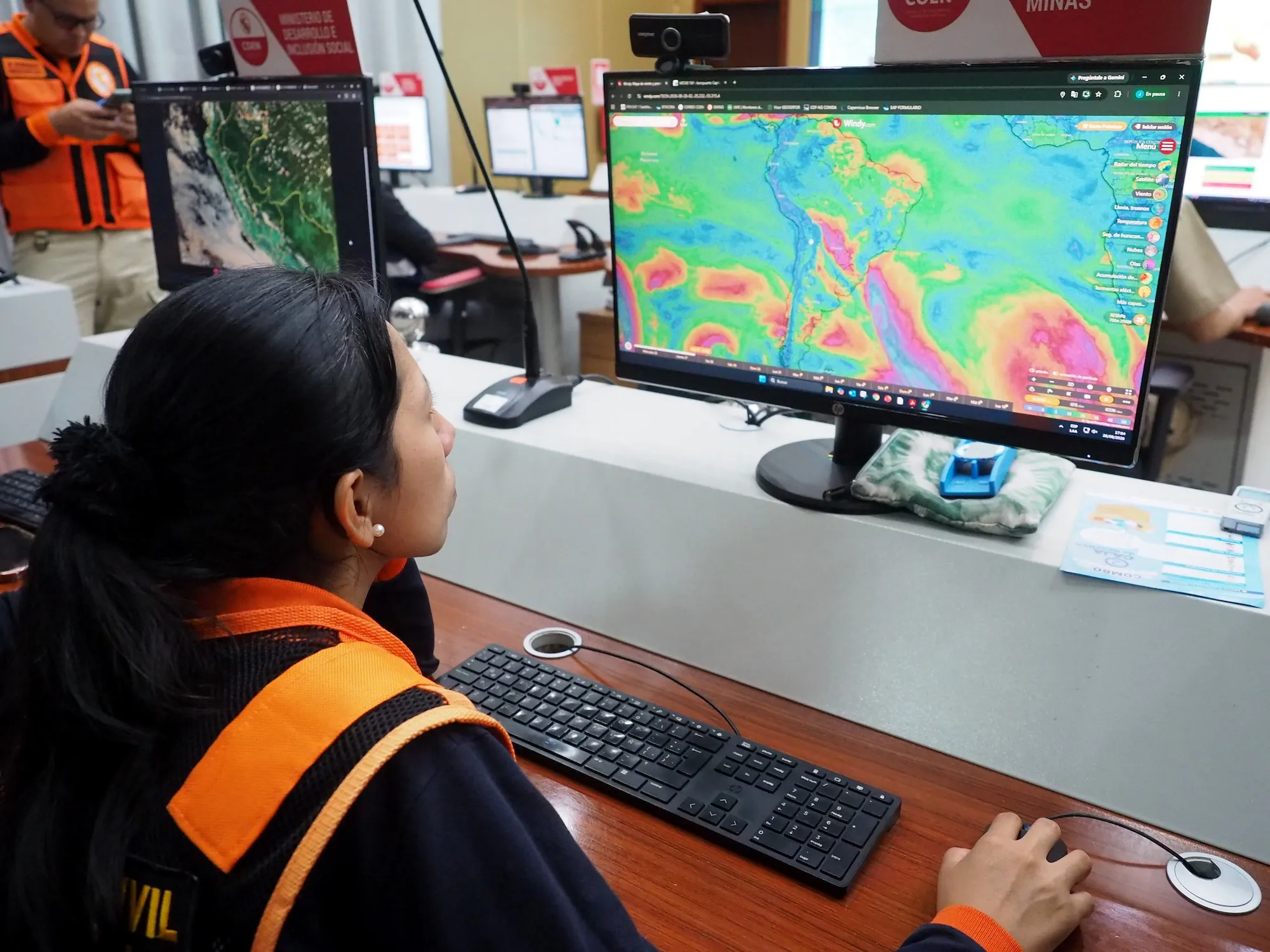
Governments and international organizations are now shifting from monitoring to active disaster management. Beyond California’s emergency declaration, nations across the Pacific Rim—including Peru, the Philippines, and Australia—have initiated multi-hazard drills and infrastructure reinforcement projects. These efforts include clearing drainage systems to prevent urban flooding, securing shipping channels against drought-induced low water levels, and stockpiling medical resources to handle the projected spike in heat-related illnesses.
The World Meteorological Organization continues to emphasize that while preparation is essential, the long-term solution lies in addressing the root causes of global warming. The current super El Niño is not merely a seasonal nuisance; it is a diagnostic tool that reveals the fragility of modern infrastructure when subjected to extreme, non-linear climate shifts.
Future Outlook: Beyond the Current Event
As we move into the final quarter of the year, the focus remains on the persistence of the anomaly. With 3.11 degrees Celsius of warming in the Niño 3.4 region, the event is entrenched. The possibility of a cooling trend in the early months of next year exists, but given the current energy content of the Pacific, it is increasingly seen as unlikely.
The implications for the coming year are sobering. We are entering a period where the traditional seasonal calendar is being disrupted, and where the "unexpected" is becoming a statistical likelihood. Whether we call it a "super" event, a "monster" event, or a "generational" shift, the reality remains that the global climate system is currently operating in uncharted territory. The lessons learned from this event—regarding food security, public health, and civil engineering—will be critical for shaping the adaptive strategies required for a warming world. For policymakers and the public alike, the current super El Niño serves as a stark reminder that the climate crisis is not a distant threat, but a present reality that demands immediate and coordinated global attention.