A Rare Diplomatic Consensus Emerges as Global Powers Acknowledge Statehood Amidst Rising Sea Levels

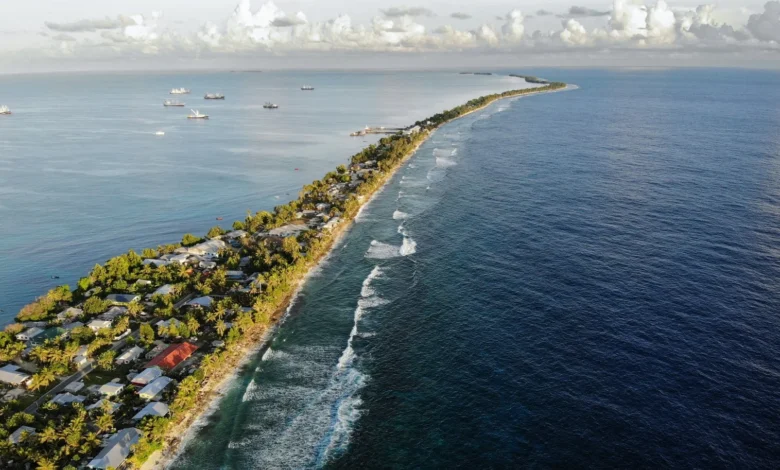
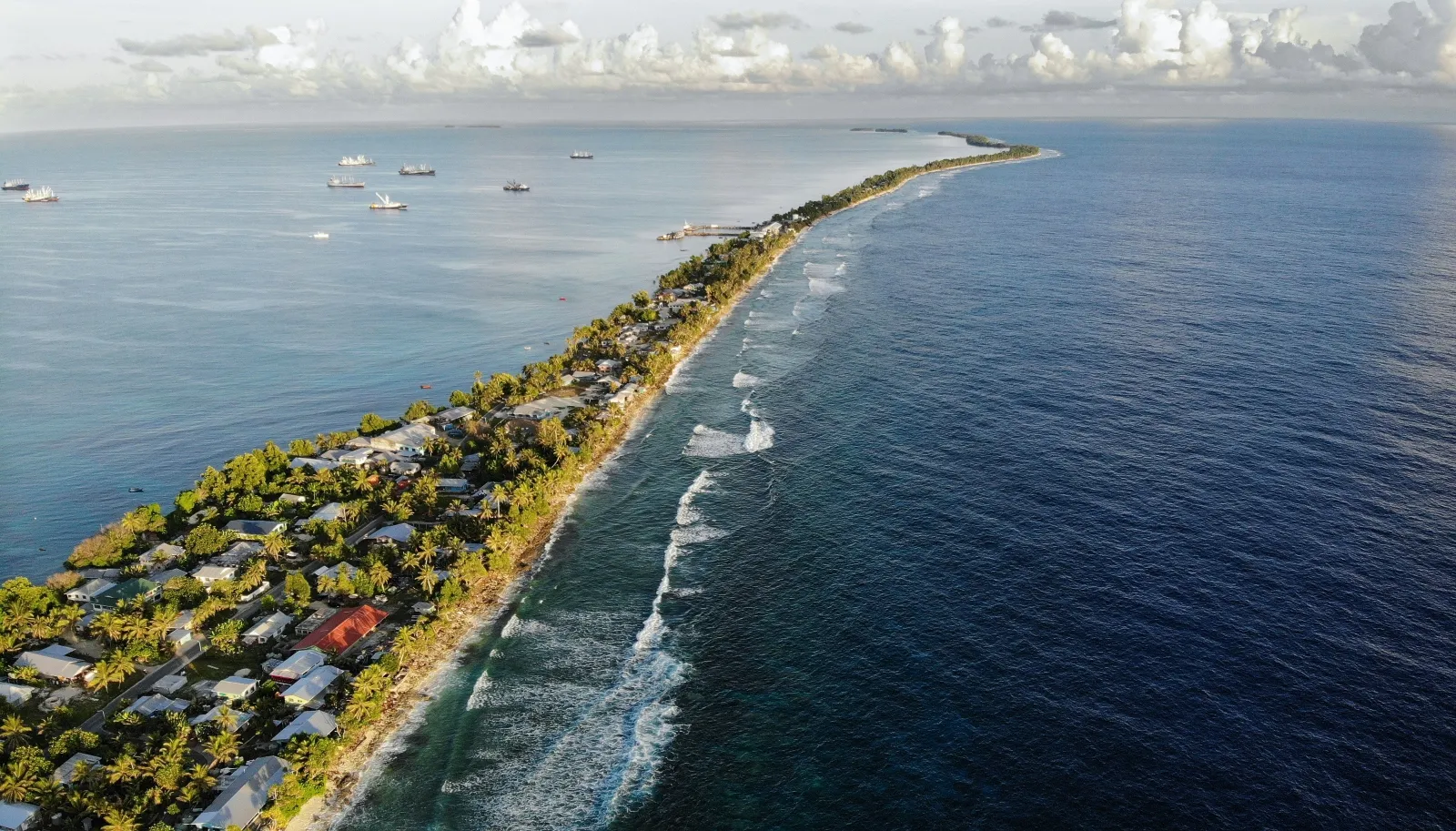
In a surprising departure from the isolationist climate policy that has defined the second term of the Trump administration, the United States has joined a unanimous United Nations General Assembly resolution aimed at addressing the existential threat of rising sea levels. This accord, finalized this week, marks a significant, if unexpected, milestone in international law, effectively guaranteeing that nations facing total inundation will retain their sovereignty and maritime rights even if their physical landmasses disappear beneath the waves.
For years, the Trump administration has aggressively dismantled climate-related international commitments. The U.S. withdrawal from the Paris Agreement, combined with overt hostility toward global carbon tax frameworks for international shipping and the use of economic coercion through tariffs against climate-vocal nations, had signaled a broader retreat from multilateralism. However, the U.N. resolution suggests a pragmatic pivot, likely driven by a shared, self-interested desire among global powers to maintain stable maritime borders as climate change alters the world’s geography.
A Legal Lifeline for Sinking Nations
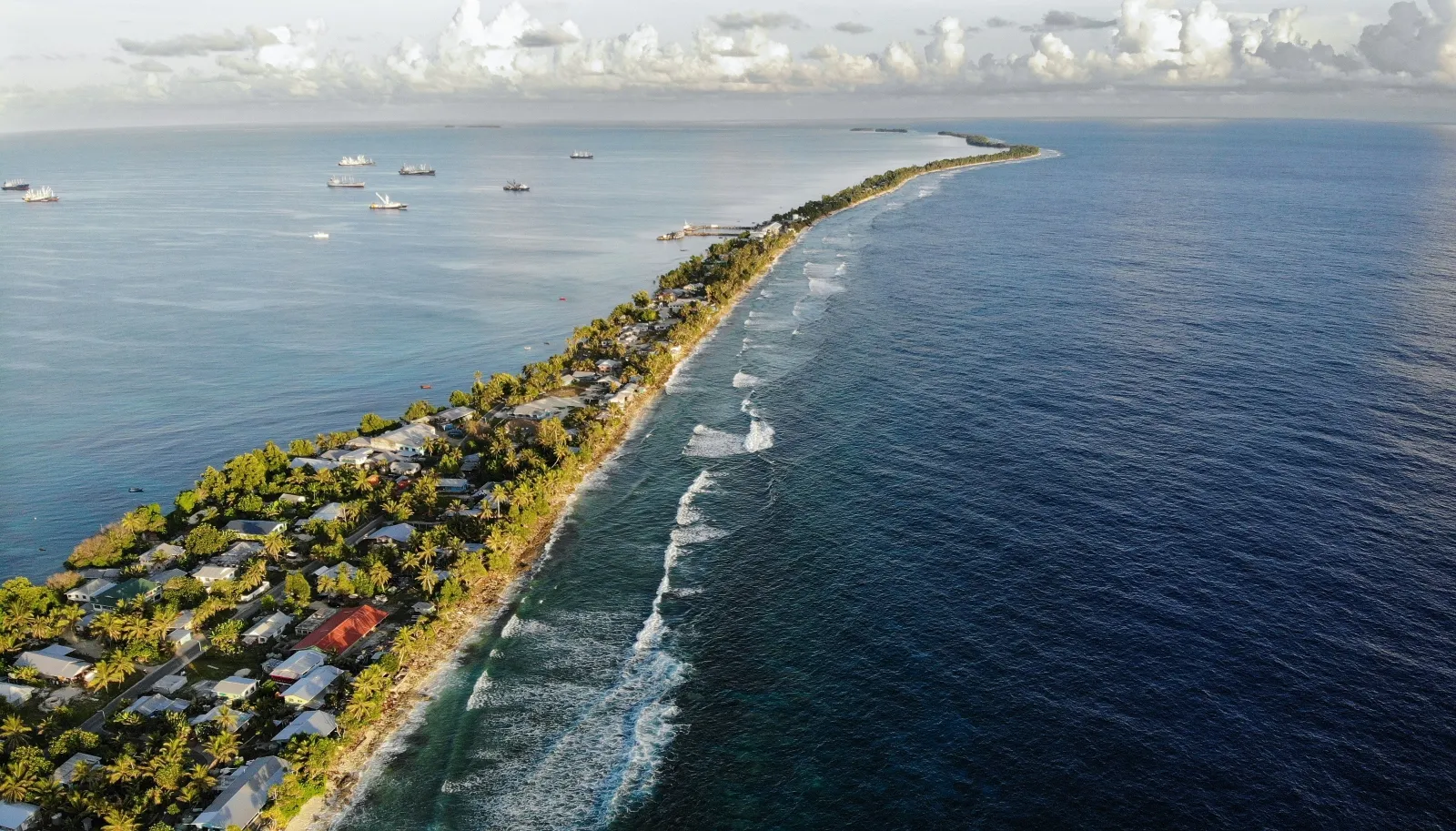
The declaration is the culmination of a persistent, multi-year diplomatic campaign spearheaded by the Alliance of Small Island States (AOSIS). For nations like Tuvalu, the Marshall Islands, and the Maldives, the threat is not abstract; it is an active, ongoing catastrophe. With global temperatures continuing to climb, the melting of ice sheets and glaciers has accelerated, placing these low-lying states at high risk of complete submergence within the next century.
Prior to this week’s declaration, the international community had no clear framework to address the "disappearing state" phenomenon. The U.N. accord shifts the legal landscape by enshrining a "presumption in favor of continued statehood." This effectively decouples political sovereignty from physical territory. Even if a nation’s land is fully submerged, its government will retain its status as a recognized international actor. Crucially, the agreement maintains these nations’ exclusive economic zones (EEZs)—the vast stretches of ocean where countries hold sole rights to fishing, mineral extraction, and energy production.
Kamal Amakrane, the managing director of the Global Center for Climate Mobility and climate envoy for Trinidad and Tobago, characterized the shift as a move from legal ambiguity to absolute clarity. "What was long treated as a legal presumption is now an affirmation," Amakrane said. "The world has agreed to preserve the integrity of small island states by consensus, in a year when consensus has been hard to come by."
Chronology of the Crisis and Diplomatic Response
The path to this week’s resolution was paved by a series of critical legal developments over the past three years:
- 2024: The international community reached a foundational, though fragile, consensus to aim for $300 billion in annual climate aid by 2035. This goal, however, remains largely aspirational, with current funding levels hovering around $130 billion annually.
- 2025: A landmark ruling from the International Court of Justice (ICJ) set the precedent for the current U.N. declaration. The court held that the disappearance of a state’s physical territory does not automatically result in the dissolution of its statehood, a ruling that provided the essential legal scaffolding for this week’s agreement.
- Late 2025 – Early 2026: The Trump administration continued its policy of dismantling climate-related aid programs, notably gutting the United States Agency for International Development (USAID) and withdrawing from several bilateral environmental treaties, creating a climate of profound uncertainty for developing nations.
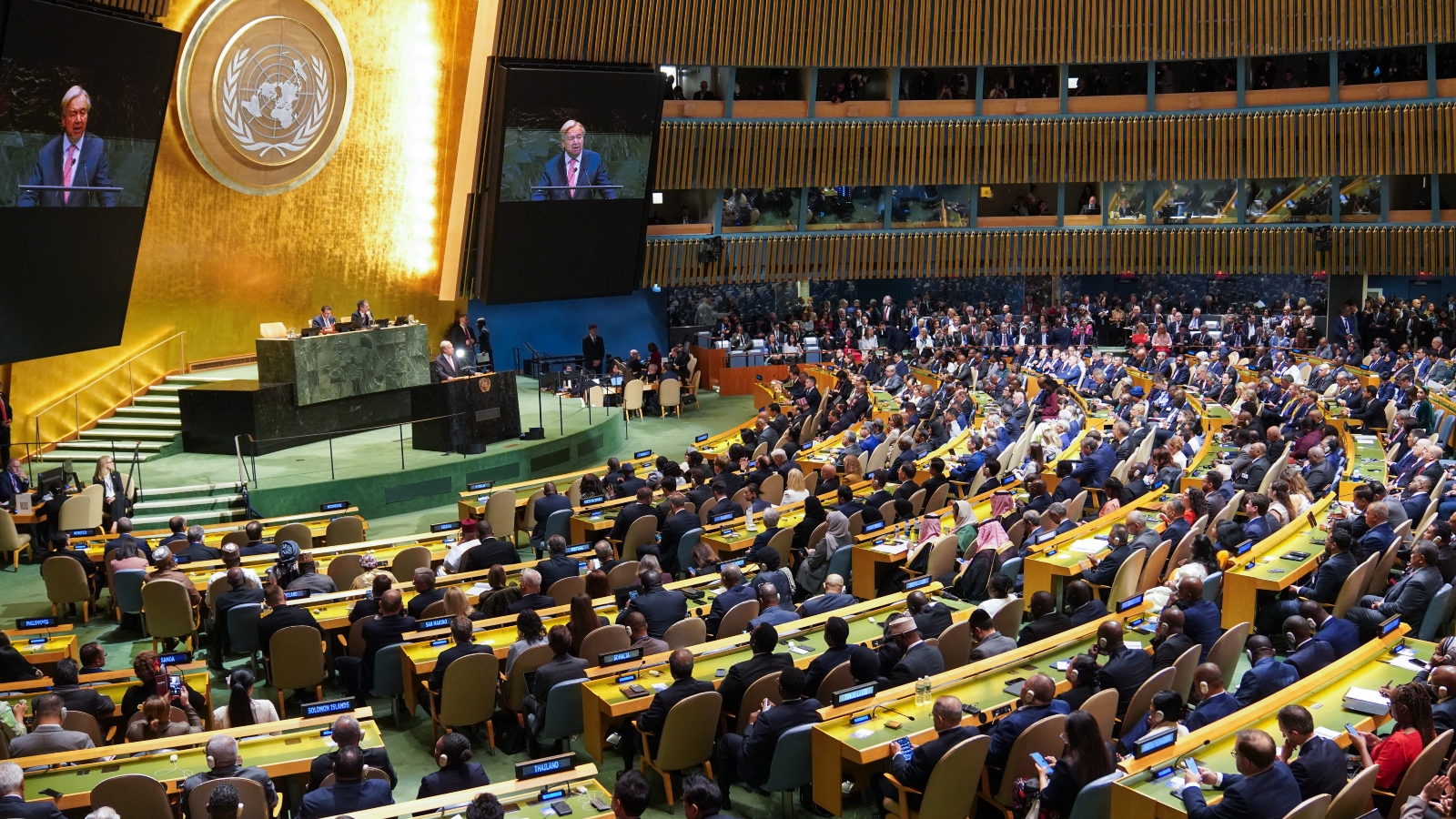
- September 2026: The U.N. General Assembly convenes, where the Alliance of Small Island States successfully pushes the sea-level rise declaration to a floor vote, securing the support of all member states, including the United States.
The Economic and Strategic Imperative
The enthusiasm for this agreement extends beyond the vulnerable nations themselves. Bryce Rudyk, a law professor at New York University and legal advisor to AOSIS, explains that the U.S. cooperation stems from a pragmatic concern regarding global resource control.
"Everyone will lose land, and no one wants to lose ocean territory," Rudyk noted. "It is in the interest of every coastal nation to ensure that maritime borders are fixed rather than fluid. If we allow the ‘might makes right’ logic to take over as islands vanish, it would trigger a chaotic scramble for deep-sea minerals, oil, and gas deposits that are currently protected under international law."
For the Bahamas, where Prime Minister Philip Davis has been a vocal advocate for the protection of sovereign rights, the agreement is an essential safeguard. "Our landmass is less than three meters above sea level; we are already seeing our land being swallowed by water," Davis said in an interview with Grist. "This declaration is a necessary step to ensure that we are not carved up like a carcass once our soil is gone."
The Prime Minister emphasized that the declaration provides a critical shield against predatory industries, particularly the emerging sector of deep-sea mining. By codifying that maritime zones remain with the original state, the resolution prevents powerful nations or private corporations from declaring "abandoned" maritime territory as fair game for extraction.
The Persistent Gap in Climate Finance
While the diplomatic win at the U.N. is significant, observers caution that the declaration does not solve the fundamental financial crisis facing the Global South. The $130 billion currently provided in grants and loans is widely considered inadequate by environmental economists, who argue that the actual cost of coastal defense—including the construction of massive seawalls, the restoration of mangrove buffers, and the eventual managed retreat of millions of people—will reach into the trillions.
Furthermore, the structure of current climate finance is a point of contention. Much of the aid is delivered as high-interest loans, which exacerbate the debt crises of nations already reeling from climate-induced natural disasters. The Bahamas, for instance, is still servicing significant debt incurred following the catastrophic impact of Hurricane Dorian in 2019.
The new declaration includes language that acknowledges an "urgent obligation" for developed nations to provide "expanded access" to adaptation funds. While this language is non-binding, its inclusion in a unanimous document serves as a political marker that island nations intend to leverage in future negotiations.
Broader Implications for Global Governance
The U.S. decision not to block the resolution remains the most analyzed aspect of the week’s proceedings. While the State Department has remained tight-lipped regarding its specific motivations, political analysts suggest that the administration’s refusal to stand in the way of the declaration signifies a rare moment of alignment between short-term political posturing and long-term geopolitical stability.
By supporting the legal permanence of maritime borders, the United States is protecting its own interests in the Pacific and Caribbean. As sea levels rise, the U.S. coastline will also face significant erosion. By supporting a global norm that maintains sovereignty regardless of land loss, the U.S. is essentially insuring its own future control over its continental shelf and EEZ.
However, the contrast between this diplomatic victory and the broader trend of U.S. climate policy remains stark. The dismantling of USAID and the rejection of international climate obligations continue to limit the effectiveness of global environmental governance. The U.N. declaration is a victory for legal consistency, but it is not a substitute for the systemic shift in energy policy and emissions reduction that scientists insist is necessary to prevent the very worst-case scenarios for these island nations.
As the international community moves forward, the focus will likely shift from the legal definition of statehood to the practical, daily realities of funding adaptation. The "presumption of statehood" is a vital protection, but for the residents of Tuvalu or the Marshall Islands, the true measure of success will be whether that legal status is accompanied by the financial resources required to survive a world defined by rising seas. For now, the world has at least agreed that even if the land disappears, the nation must remain.
Related posts: