The Digital Revolution in Ecology: How Crowdsourced Data is Mapping the Hidden Complexity of Global Food Webs

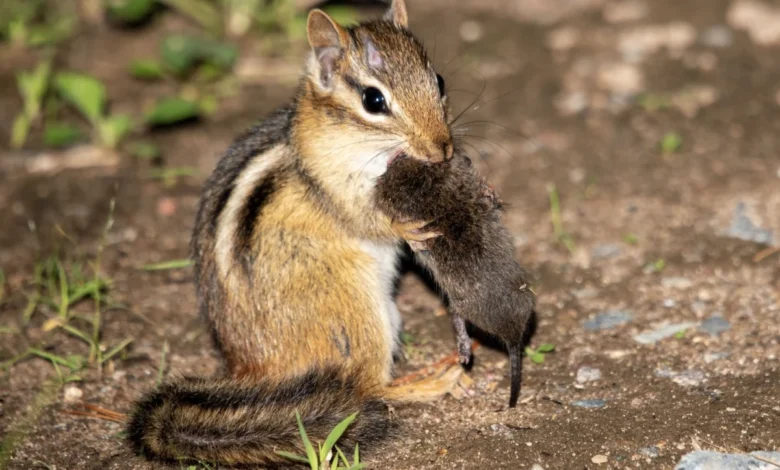
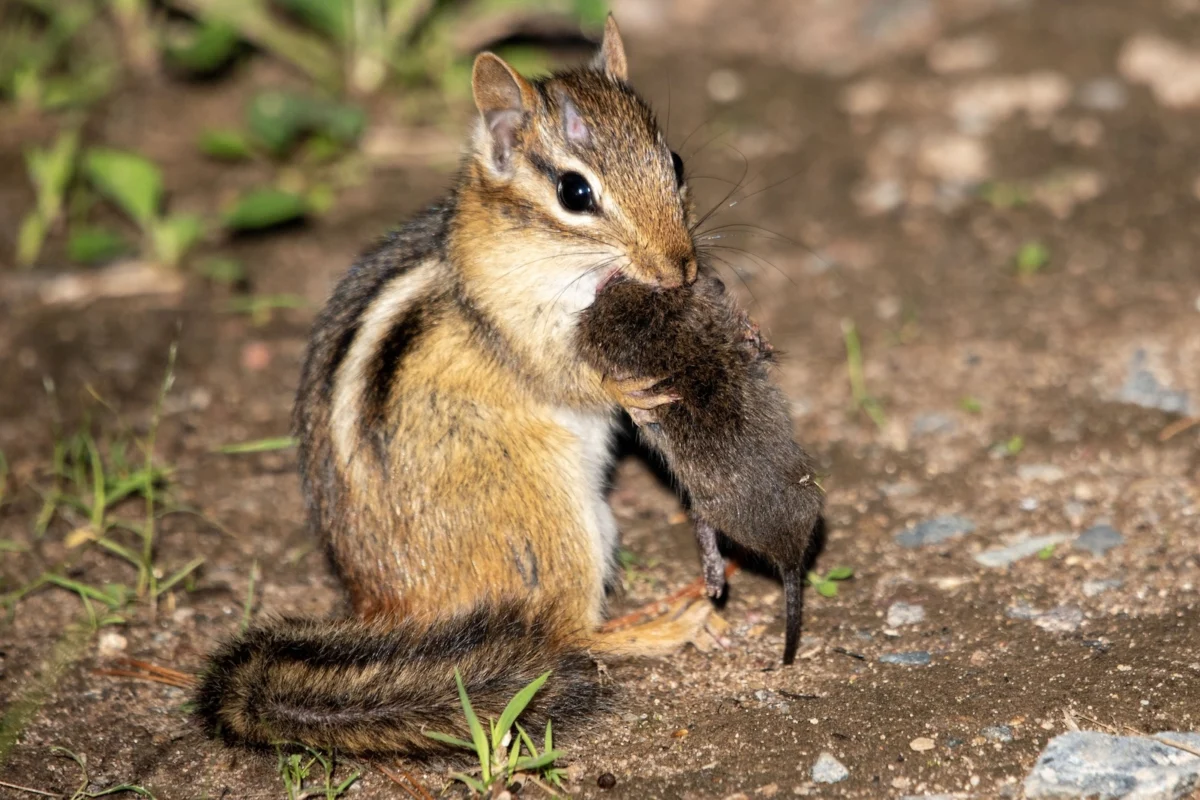
The traditional food chain model taught in elementary classrooms—the simplified, linear progression of grass eaten by a rabbit, which is then consumed by a fox—has long been recognized by biologists as a significant oversimplification. In reality, ecosystems operate as dense, multidimensional networks of interdependence, competition, and decay. Understanding these "messy" interactions has historically been one of the most grueling tasks in ecological research, often requiring scientists to spend years in the field, engaged in the tedious observation of nesting habits or the unglamorous sifting through animal scat to identify prey remains.
However, a technological paradigm shift is currently underway. A new citizen science initiative, Who Eats Whom, is leveraging the vast, decentralized network of iNaturalist users to map these complex biological interactions on a global scale. By synthesizing thousands of user-uploaded, geotagged photographs, researchers are building an unprecedented digital atlas of predation, herbivory, and scavenging, providing conservationists with a powerful tool to track how ecosystems are shifting in the face of anthropogenic climate change.
The Mechanics of Crowdsourced Ecology
At its core, Who Eats Whom functions by tapping into the massive influx of data generated by casual nature enthusiasts. Users upload images of wildlife to the iNaturalist platform, where artificial intelligence and community experts verify the species involved. The Who Eats Whom project then filters these entries to identify instances of biological interaction.
For instance, a search for the "red-tailed hawk" on the platform reveals a comprehensive visual log of the raptor’s predatory habits across North America, ranging from small rodents to snakes. This repository currently hosts 17,000 documented interactions involving 5,700 species across more than 100 countries. Bradley Allf, an ecologist who spearheaded the project while at North Carolina State University, suggests that this crowdsourcing model overcomes the limitations of traditional fieldwork. "You can generate a ton of valuable information in a way that you can’t if you’re just an individual scientist trying to follow snakes around and hope they eat something while you’re watching them," Allf noted.
The project represents a move away from static, small-scale snapshots toward a dynamic, longitudinal database. By aggregating observations over time, the platform allows researchers to observe shifts in diet and range, providing a real-time window into how climate-driven migration is altering traditional predator-prey relationships.
Historical Context and the Evolution of Field Research
The transition from manual observation to digital aggregation marks the latest chapter in the history of ecological study. For decades, ecologists relied on "direct observation" and "indirect trace analysis." Direct observation involved the physical presence of researchers in habitats—often for months at a time—waiting for rare events to occur. Indirect trace analysis, such as the examination of owl pellets or predator scat, provided necessary data but was limited by the degradation of biological samples and the difficulty of identifying soft-bodied prey.
The advent of camera traps in the late 20th century provided a major breakthrough, but these devices were expensive, required frequent maintenance, and were limited to specific, pre-determined locations. The "smartphone era" has fundamentally changed this. With billions of people now carrying high-resolution cameras in their pockets, the density of "sensors" in the environment has increased exponentially. While these observations lack the controlled environment of a laboratory experiment, the sheer volume of data compensates for the potential lack of systematic sampling, creating a "big data" approach to natural history that was unimaginable twenty years ago.
Analytical Implications for Global Conservation
The implications for conservation are profound. As the planet warms, species are migrating toward higher latitudes and elevations, often arriving in regions where they have no historical presence. This reshuffling of ecosystems can lead to the collapse of native food webs or the emergence of novel, potentially invasive relationships.
Aditi Mallavarapu, a computer scientist and co-author of the study published in PLOS Biology, emphasizes that the value of the platform lies as much in what is missing as in what is present. By tracking the frequency and location of specific interactions, scientists can identify "ecological voids"—areas where traditional prey species have disappeared or where invasive predators are thriving.
For example, the platform is increasingly being used to track the impact of invasive species like the lionfish. By observing which native species are being predated upon by these invaders, conservationists can prioritize interventions. "We need to know who is being consumed by these invasive species," says Peter Roopnarine, curator of invertebrate zoology and geology at the California Academy of Sciences. "Are there species on that menu that we really need to be worried about?"
The Hidden Complexity of Interdependence
One of the most striking features of the Who Eats Whom interactive food web is the revelation of circular and non-linear dynamics. The platform demonstrates that many species occupy multiple roles within an ecosystem. A pollinator, such as the Western honey bee, is both a critical facilitator of plant reproduction—interacting with honeysuckles, thistles, and buttercups—and a potential prey item for the goldenrod crab spider.
These relationships extend to the decomposition cycle as well. When predators die, they serve as the foundation for a secondary web of scavengers, such as ants and beetles, which recycle nutrients back into the soil. Understanding these "bottom-up" and "top-down" pressures is essential for modern wildlife management. Conservationists are increasingly moving toward a "relational" model of preservation; they are no longer merely seeking to protect land or water, but to maintain the specific, intricate relationships that allow a species to thrive.
Future Challenges and Data Integrity
Despite the promise of the platform, researchers acknowledge several challenges. Data bias is a significant concern: human observers are more likely to photograph charismatic megafauna or dramatic predation events than they are to document the subtle, yet crucial, interactions of soil microbes or nocturnal insects. This "observer bias" can create a skewed map of an ecosystem, potentially leading researchers to underestimate the importance of less visible species.
Furthermore, verifying the accuracy of crowdsourced data requires significant human labor. While machine learning helps categorize species, the interpretation of an interaction—such as whether a predator actually killed its prey or is merely scavenging a carcass—often requires expert human intervention. The project team is currently exploring ways to incorporate AI to automatically flag ambiguous photos for expert review, further refining the database’s reliability.
A New Era of Citizen Science
The success of Who Eats Whom serves as a testament to the growing power of the "citizen scientist." By democratizing the collection of biological data, the project is not only providing researchers with the information they need to address the biodiversity crisis but is also fostering a deeper, more informed connection between the public and the natural world.
Rebecca Johnson, director of the Center for Biodiversity and Community Science at the California Academy of Sciences, notes that the platform transforms the way people perceive their local environments. "It gives you a new way of thinking about your nature observations," Johnson states. When a beachgoer in California captures an image of a vulture consuming a baby white shark, they are not just documenting a curiosity; they are contributing to a global dataset that informs our understanding of nutrient cycling and marine ecosystem health.
As the global community faces the dual crises of climate change and biodiversity loss, the need for rapid, scalable, and granular ecological data has never been higher. Who Eats Whom provides a template for how technology can bridge the gap between individual curiosity and high-level scientific inquiry. By mapping the intricate, often violent, and always complex web of life, the project ensures that we do not lose sight of the relationships that bind our planet’s ecosystems together—even as those relationships undergo rapid and unprecedented change.
Related posts: