Seattle Mayor Katie Wilson Faces Scrutiny After Awkward Joint Interview on City Gun Violence Strategy and Surveillance Cameras

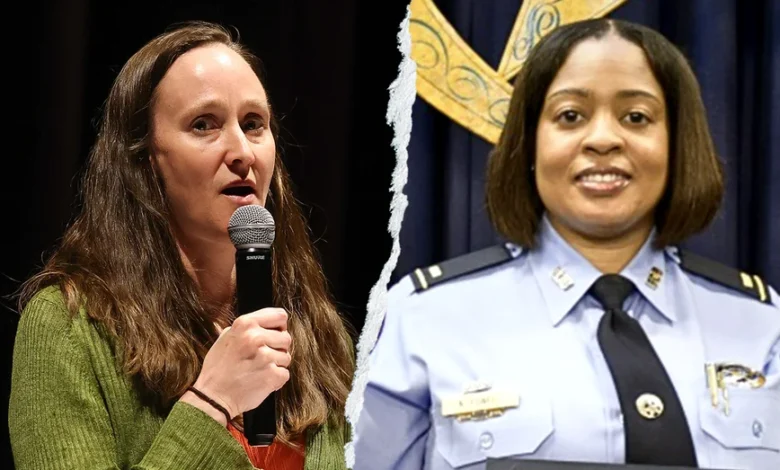
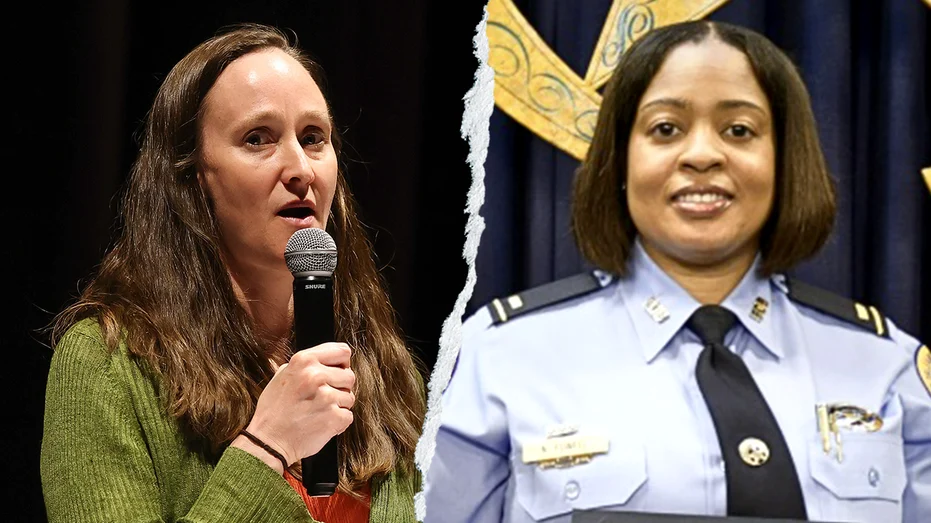
The intersection of municipal governance, public safety, and surveillance technology in major American urban centers has once again drawn national attention following a tense media appearance by Seattle Mayor Katie Wilson. The self-identified socialist mayor, alongside senior public safety officials, found herself at the center of a public relations challenge during a joint interview with local news outlet KOMO News. The exchange, which quickly circulated across digital platforms, underscored persistent tensions surrounding Seattle’s strategies to combat rising rates of violent crime, the administration’s shifting stance on law enforcement technology, and the complex dynamics between political leadership and municipal departments.
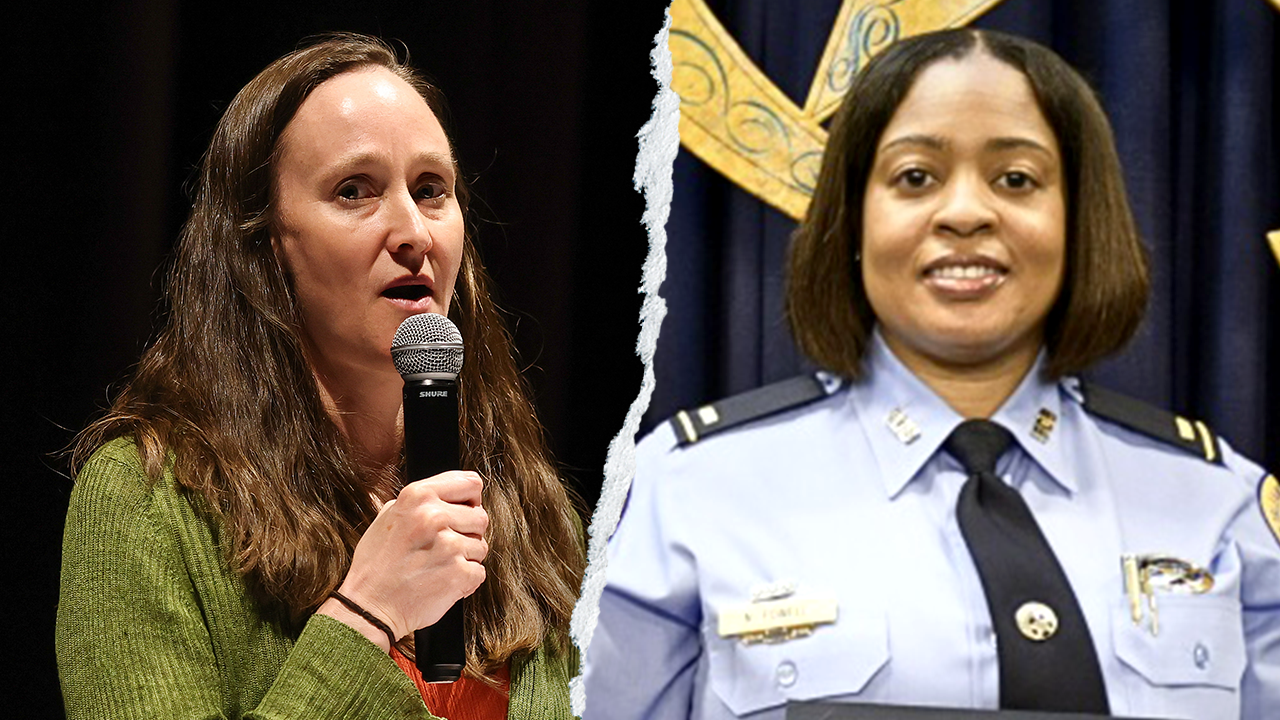
The incident occurred as Mayor Wilson, Seattle Police Assistant Chief Nicole Powell, and Amy Barden, chief of the city’s Community Assisted Response and Engagement (CARE) Department, sat down for a media briefing regarding Seattle’s comprehensive gun violence reduction plan. During the interview, KOMO News reporter Chris Daniels posed a direct question to Assistant Chief Powell regarding the operational utility of installing advanced, automated surveillance systems—specifically Flock-type automatic license plate reader and monitoring cameras—in addressing the city’s backlog of unsolved violent crime cases.
Rather than receiving an immediate operational assessment from the high-ranking law enforcement official, the inquiry was met with a prolonged silence. Assistant Chief Powell hesitated visibly, looked down, and attempted to address the question twice before Mayor Wilson intervened. The mayor’s decision to speak over the police leadership and answer the law enforcement-specific question herself sparked immediate public commentary, amplified by the assistant chief’s nonverbal reactions on camera, which included looking away, glancing toward the mayor, and offering a brief, nervous chuckle.
Background and Context on Surveillance Policy
The public discomfort captured on video highlights a deeper, foundational policy contradiction that has marked Mayor Wilson’s tenure regarding urban surveillance. During her municipal election campaign last year, Wilson campaigned heavily against the expansion of city-wide surveillance apparatuses, aligning herself with privacy advocates and progressive groups who argued that increased monitoring infringes upon civil liberties without demonstrably improving public safety.
In public statements made during her campaign, notably highlighted by local policy publications such as The Urbanist in September, Wilson articulated a strong skepticism toward technological monitoring. She asserted at the time that turning on additional cameras would not magically render neighborhoods safer, but would instead render local residents more vulnerable to government overreach and data collection practices.
However, the realities of governing a major metropolitan area grappling with high-profile incidents of urban gun violence, such as the widely reported shooting at the Seattle Center during the annual "Bite of Seattle" event, prompted a pragmatic policy shift following her inauguration. Upon taking office, Mayor Wilson adopted a more measured approach, announcing a temporary administrative pause on the further expansion of Seattle’s surveillance camera network.
Rather than ordering an immediate dismantling or permanent ban, the mayoral directive instituted a comprehensive privacy and data-governance audit while permitting existing surveillance infrastructure to remain operational. Administration officials stated that the findings of this ongoing security and data audit would ultimately dictate whether and how the city would proceed with the expansion of its automated monitoring systems. When pressed during the KOMO News interview for a definitive timeline regarding the release of the audit and the subsequent policy decision, Mayor Wilson stated that the results are anticipated by the end of the current month, at which point the findings will be made public to guide her final determination.
Chronology of the Interview and Divergent Messaging
The sequence of the interview further illuminated divergent priorities among the officials tasked with executing Seattle’s public safety mandate. After Mayor Wilson interjected to assert that cameras are undeniably a useful tool—citing historical footage from the Seattle Center shooting as proof of their investigative value—reporter Chris Daniels pressed the panel on how the city intends to measure the concrete success of its overarching gun violence reduction initiative.
In response to the metric-of-success inquiry, Mayor Wilson articulated a broad, high-level political objective, stating that the ultimate goal is to achieve zero homicides, reduce overall homicide statistics, and minimize the frequency of discharged firearms within city limits. While the mayor spoke, Assistant Chief Powell nodded in agreement while continuing to exhibit visible discomfort, glancing repeatedly off-camera.
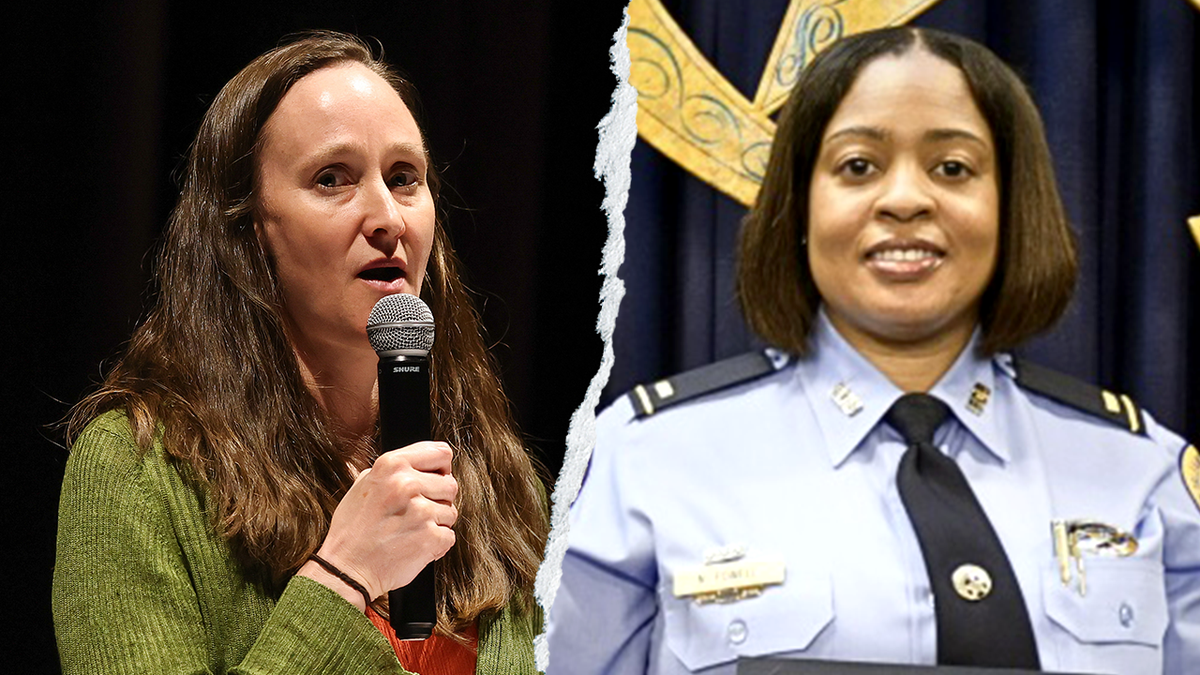
When Daniels redirected the question specifically to the department heads, CARE Department Chief Amy Barden stepped in to pivot the conversation away from hardware-based surveillance metrics and toward holistic social interventions. Barden emphasized that success must be measured not merely through incident statistics such as shots-fired calls and homicide counts, but also through qualitative metrics, including referrals to social services and documented improvements in the personal trajectories of individuals at risk of participating in community violence.
Following Barden’s remarks, Assistant Chief Powell took the floor to endorse the administration’s multi-agency approach, characterizing the strategy as a holistic framework that has demonstrated empirical efficacy in other urban jurisdictions when executed collaboratively across municipal agencies.
Public Reaction and Digital Fallout
The video clip of the interview disseminated rapidly across social media platforms, drawing sharp commentary from political observers, local advocacy organizations, and conservative commentators. The visual dynamic of a police official hesitating to answer a basic question about crime-fighting technology, followed by a socialist mayor stepping in to defend surveillance tools she had previously opposed, provided ample fodder for critics of the current municipal administration.
Prominent digital tracking accounts, such as the political commentary profile "End Wokeness," focused national attention on Assistant Chief Powell’s facial expressions, framing the moment as a compelling illustration of internal friction between police leadership and political overseers. Similarly, regional political groups like Future 42 publicly criticized the mayor’s handling of the briefing. In statements released following the broadcast, the advocacy group argued that the exchange laid bare a fundamental lack of administrative cohesion, pointing out the irony of a mayor defending surveillance cameras as useful tools after having previously mandated their suspension.
Broader Implications for Seattle’s Public Safety Strategy
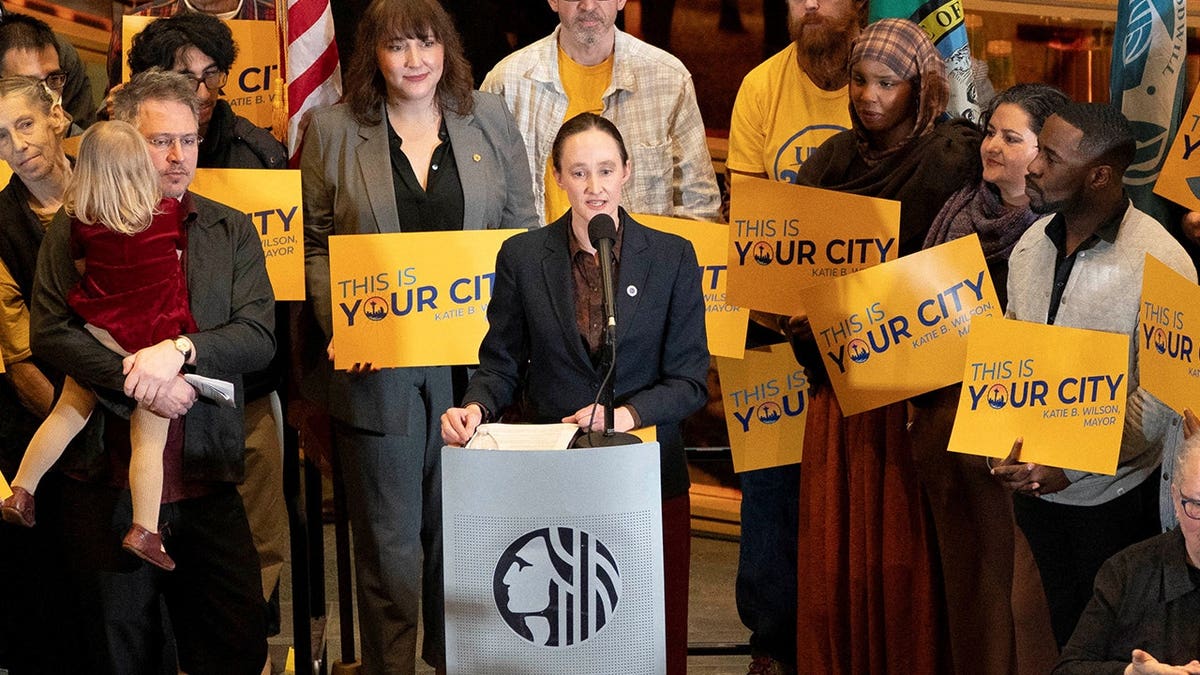
The episode illuminates the delicate balancing act facing progressive municipal executives who must reconcile campaign promises centered on civil liberties and skepticism of law enforcement technology with the immediate, politically volatile demands of managing urban public safety crises.
As Seattle awaits the conclusion of its internal data-governance and privacy audit regarding automated camera networks, the administration remains under intense scrutiny from both sides of the political spectrum. Proponents of law enforcement argue that administrative hesitation and policy rollbacks hamstring police departments in their efforts to solve violent crimes and deter offenders. Conversely, civil liberties advocates remain vigilant against any potential expansion of municipal surveillance that might bypass stringent privacy protections.
Mayor Wilson’s handling of the upcoming audit release and her subsequent policy decisions regarding the surveillance network will likely serve as a defining test of her mayoral administration. The ability to bridge the gap between progressive ideological commitments and the practical exigencies of law enforcement will dictate not only the future of Seattle’s public safety infrastructure, but also the broader public confidence in her executive leadership.