Diesel price surge triggers national debate over potential export bans amid geopolitical instability

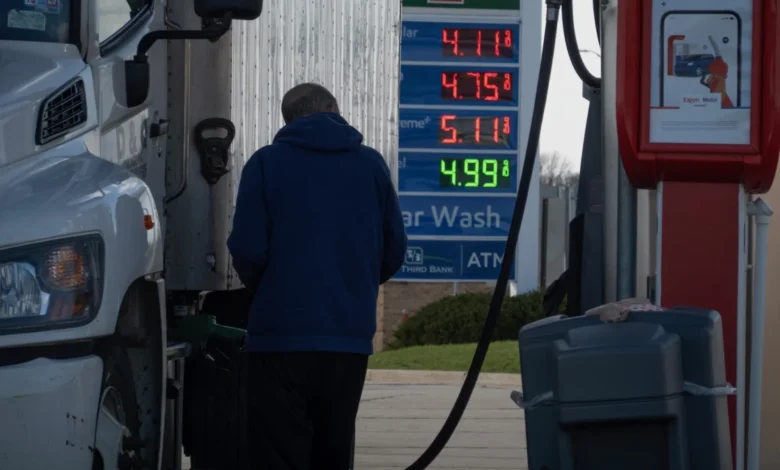
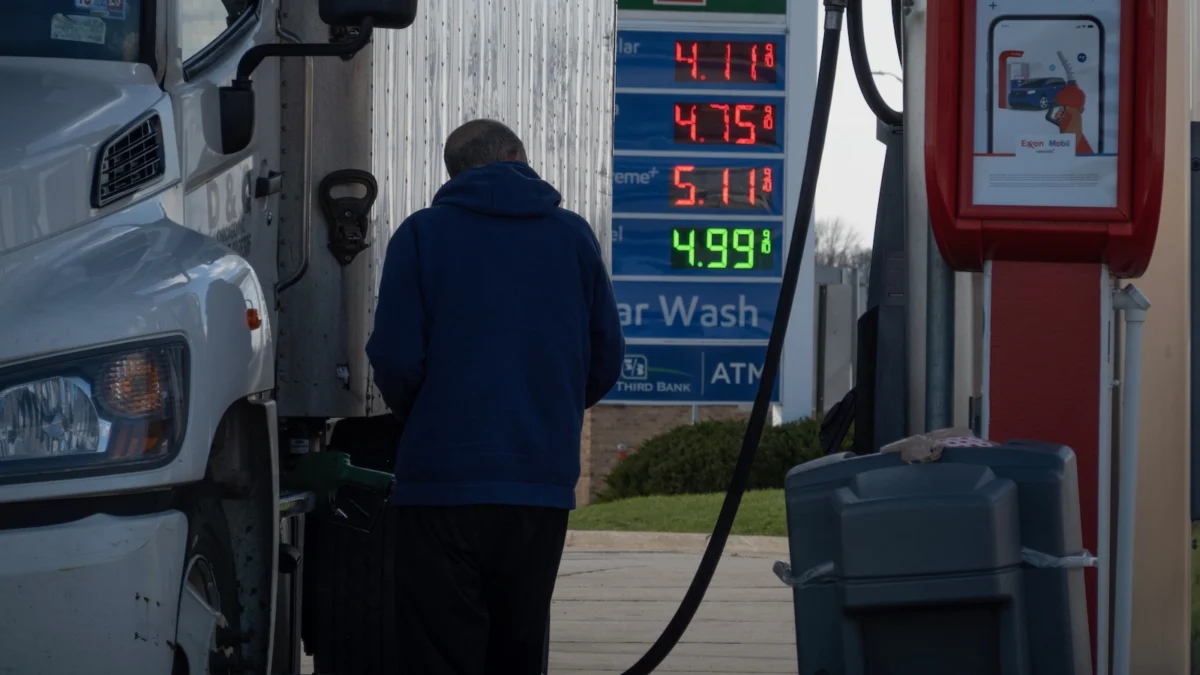
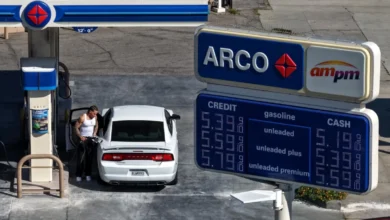
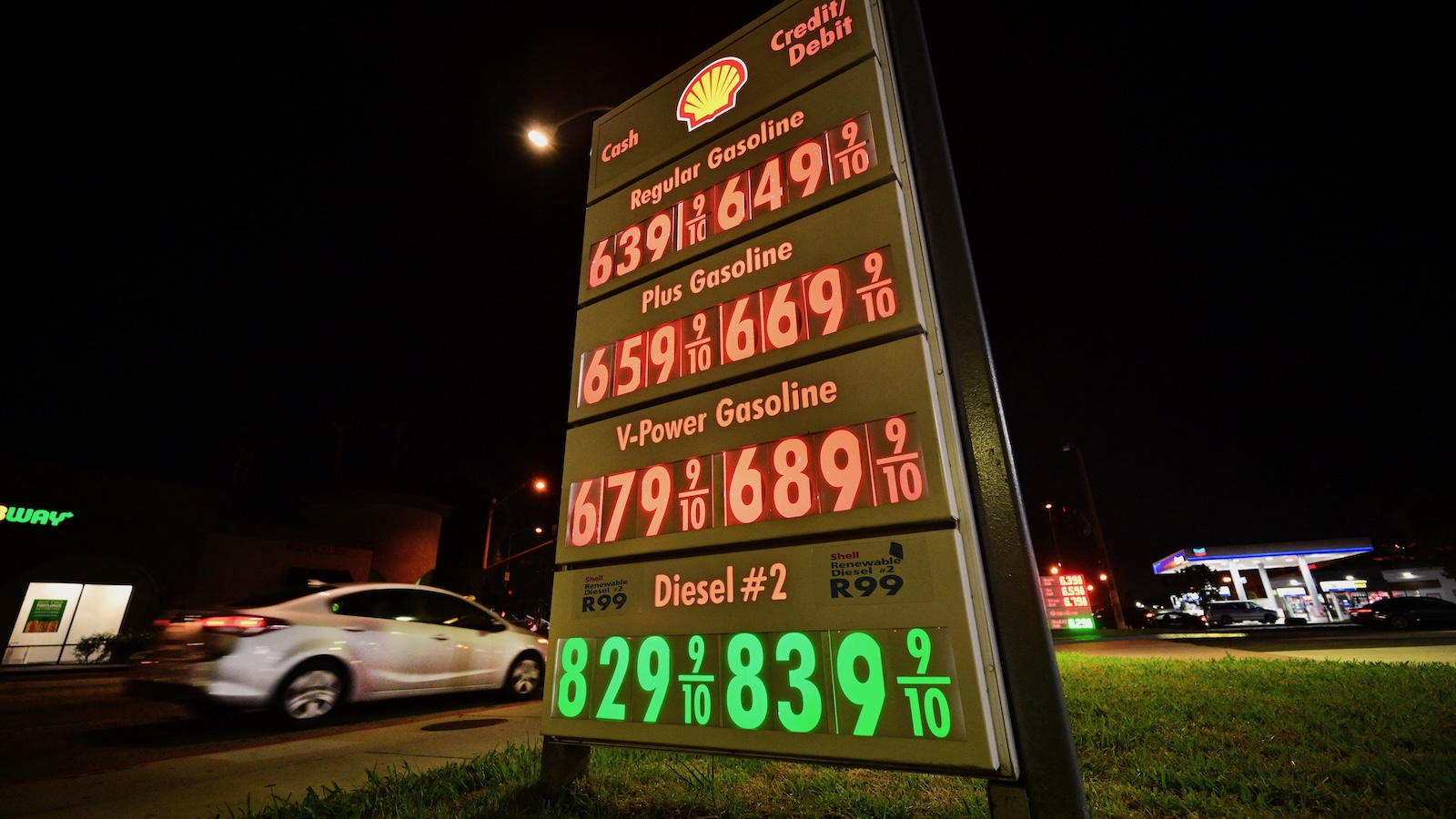
The national average price for diesel fuel has surged to a record-breaking $6.52 per gallon as of this week, a sharp climb that has ignited a high-stakes political confrontation regarding the future of American energy exports. With prices having risen nearly 80 percent since the onset of the conflict between the United States and Iran earlier this year, the economic burden on the nation’s logistics and agricultural sectors has reached a critical threshold. President Donald Trump has publicly signaled his support for a potential ban on diesel exports, a move he claims would prioritize domestic supply and provide immediate relief to American consumers.
This proposal arrives at a volatile moment for the global energy market. The closure of the Strait of Hormuz—a vital maritime chokepoint responsible for approximately 10 percent of the world’s seaborne diesel—has severely constrained international supply chains. Coupled with ongoing Ukrainian strikes on Russian refinery infrastructure, the global energy landscape is facing a supply shock that has effectively turned the United States into a primary source of replenishment for global markets.
The Economic Backbone Under Pressure
While passenger vehicles in the United States primarily rely on gasoline, the American economy is fundamentally anchored by diesel. It is the lifeblood of the trucking industry, the primary fuel for freight rail, and an essential input for the agricultural sector, which relies on diesel to power heavy machinery for planting and harvesting.
The current price trajectory, characterized by a nearly $1 per gallon increase in September alone, is creating a cascading effect on the cost of goods. As transport costs for shipping companies and retailers rise, these expenses are increasingly being passed on to the consumer, manifesting in higher prices for groceries, construction materials, and essential household goods. According to data tracked by the Watson Institute at Brown University, the aggregate cost of this surge to American households has already eclipsed $51 billion, with the average family facing an additional $400 in expenses directly attributable to the fuel price inflation.
Chronology of a Crisis: From Regional Conflict to Domestic Scarcity
The roots of the current crisis can be traced back to the initial escalation of the war in Iran earlier this year. The subsequent disruption of maritime traffic in the Persian Gulf created an immediate, systemic shock to energy markets.
- Early Year: The commencement of hostilities leads to the effective closure of the Strait of Hormuz.
- Summer Months: Global diesel reserves begin to deplete as traditional trade routes are severed. The U.S. experiences a steady rise in domestic fuel prices as refiners pivot to meet international demand.
- September 11 Week: U.S. Energy Information Administration (EIA) data confirms that while the U.S. produced over 5 million barrels of distillate fuels per day, roughly 1.6 million barrels were exported, further straining a domestic market already grappling with the lowest oil reserve levels since 1982.
- September 22: President Trump, while attending the United Nations General Assembly, openly declares his intention to seek a curtailment of diesel exports, stating, "I’ve said, Let’s not send out the diesel."
The Legislative and Policy Debate
The prospect of an export ban has created a distinct divide within the political establishment. Senator Chuck Grassley (R-IA) has become one of the most vocal proponents of the measure, drawing a parallel between the current energy situation and existing trade restrictions on high-tech components. "If our government can embargo chips to China, it can embargo diesel to help American farmers and truckers," Grassley wrote on social media.
Representative Ashley Hinson (R-IA) echoed these sentiments, noting that her constituents are being forced to "foot the bill" for a foreign conflict. Senate Majority Leader John Thune (R-SD) has also indicated a willingness to explore the legislation, provided that evidence suggests such a move would meaningfully lower domestic costs.
However, the proposal faces significant resistance from industry stakeholders and even members of the President’s own party. The American Fuel & Petrochemical Manufacturers (AFPM) has issued a stern warning against such intervention. In a statement, the association argued that an export ban would be counterproductive, stating, "Export bans do not create more fuel for Americans. They reduce U.S. fuel production, put upward pressure on prices, weaken energy security, and hand market share to foreign competitors."
Senator John Cornyn (R-TX), representing the nation’s largest oil-producing state, characterized the proposal as a "gimmick," highlighting the potential for unintended consequences in a complex global commodity market. Interior Secretary Doug Burgum has similarly expressed skepticism, suggesting that the long-term impact on the U.S. energy sector could be detrimental to the very citizens the policy aims to protect.
Market Dynamics: Global vs. Domestic Pricing
A primary point of contention among economists is whether an export ban would actually achieve the intended reduction in prices. Patrick De Haan, head of petroleum analysis at GasBuddy, argues that the U.S. fuel market is inextricably linked to global supply and demand. Because diesel is a global commodity, he contends that the price is set by international markets, and that restricting U.S. exports would not necessarily insulate the domestic market from these broader global pressures.
This debate draws historical parallels to the 1975 Energy Policy and Conservation Act, which imposed a long-standing ban on crude oil exports following the OPEC oil embargo. That policy remained in effect for four decades until it was lifted in 2015. Proponents of the current ban suggest that the unique circumstances of the Iran conflict necessitate a temporary return to protectionist energy policies, while critics maintain that the modern globalized energy infrastructure is far more complex than it was in the 1970s.
Seeking a Nuanced Path Forward
Tyson Slocum, director of the energy program at Public Citizen, suggests that the current discourse is trapped in a false binary of "total exports" versus "zero exports." Slocum argues that a more nuanced approach—such as implementing partial quotas or managed export volumes—could potentially provide the relief that policymakers are seeking without triggering the structural market failures that industry experts fear.
"The debate is so absurdly simplistic," Slocum noted. "There are many options in between, including how much diesel gets shipped overseas rather than cutting off that supply entirely." He contends that even targeted, moderate measures could result in a significant short-term correction in domestic diesel prices.
Implications and Outlook
As the administration weighs its next steps, the political pressure continues to mount. While the White House had initially signaled a lack of interest in pursuing an export ban, the public endorsement from the President has shifted the internal calculus.
If the administration moves to codify these restrictions, it would mark a significant pivot in U.S. trade and energy policy. The outcome of this debate will likely hinge on whether lawmakers can reach a consensus on whether the short-term benefit to consumers outweighs the long-term risk to the competitiveness of the U.S. refining industry.
For now, the country remains in a state of high alert. With diesel prices continuing to hover at historic peaks, the intersection of foreign policy, domestic economic stability, and energy security remains the central challenge for the current administration. Whether the government chooses to intervene or allow the market to self-correct in the face of ongoing global instability remains one of the most consequential decisions facing the country as the fall season progresses.
Related posts: