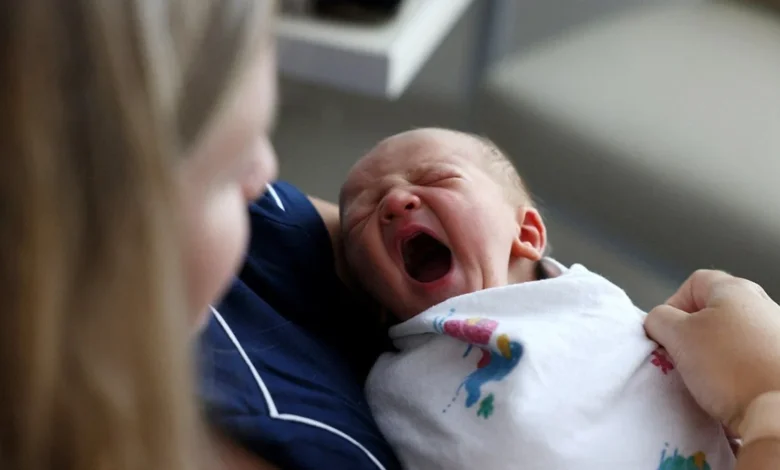
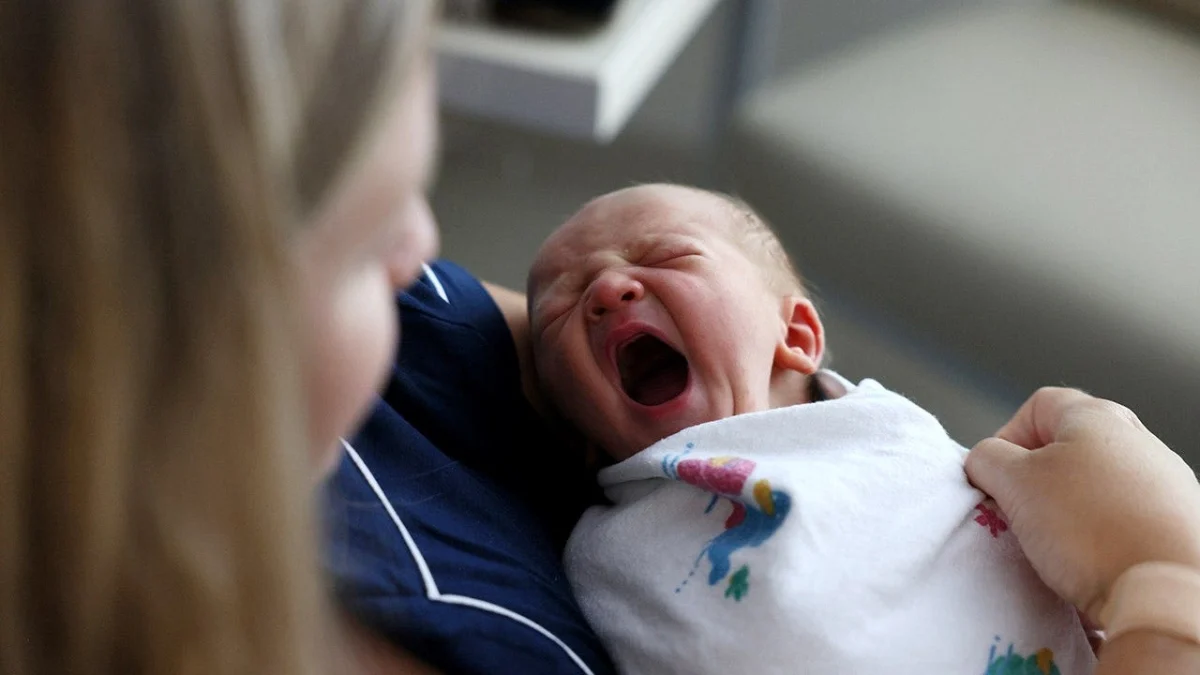
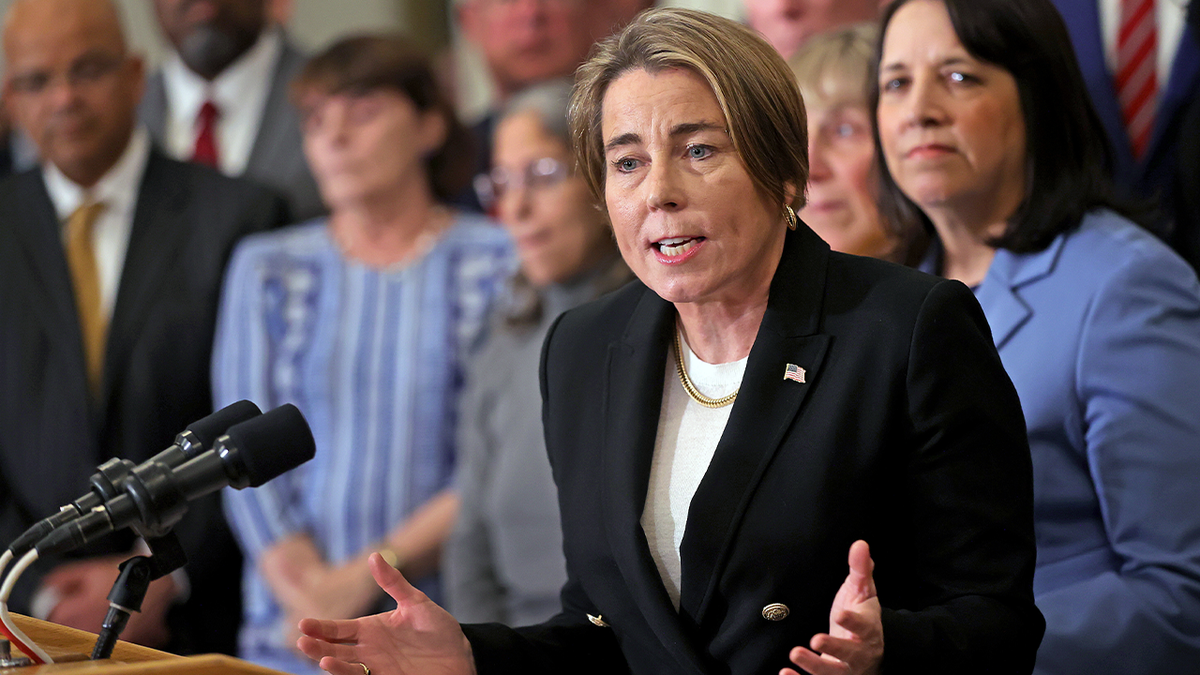
The Commonwealth of Massachusetts is advancing a contentious public health initiative aimed at restructuring early childhood support, drawing sharp focus to the delicate balance between maternal healthcare interventions and familial privacy rights. Governor Maura Healey recently unveiled a multi-million-dollar funding expansion directed toward state-sponsored maternal health programs, specifically targeting post-childbirth support structures and postpartum mental health resources. While state officials champion the measure as an essential safeguard to combat rising rates of maternal distress and improve infant outcomes, critics argue that the initiative signals an unwelcome encroachment of state authority into the private domain of the American family.
The ongoing discourse highlights deep ideological divisions regarding the extent of state intervention in domestic life. As lawmakers across the United States grapple with how to address a persistent maternal mental health crisis, Massachusetts has positioned itself at the forefront of proactive state-led care. However, the intersection of taxpayer funding, mandatory-feeling outreach, and individual autonomy has transformed a routine healthcare policy decision into a flashpoint of public debate.
Expansion Details and Financial Allocation
Under the revised budget proposal championed by Governor Healey, the administration is channeling an additional $2 million into the state’s established "Welcome Family" program. This initiative is designed to provide voluntary, in-home consultations conducted by registered nurses for families following the birth of a newborn. Furthermore, Healey has proposed an allocation of $250,000 to reinforce the Massachusetts Child Psychiatry Access Program (MCPAP) for Moms. This specific program is engineered to equip frontline healthcare providers with specialized training and rapid-access psychiatric consultations to better identify and treat pregnant and postpartum patients experiencing mental health distress.
During a recent interview on Boston Public Radio, Governor Healey defended the state’s investment strategy by emphasizing the proactive nature of the outreach.
"Everybody in the state, when you have a baby, you’re going to have a home visit within days, weeks and that will be an opportunity for a healthcare provider to make an assessment to see if you need some additional support and resources," Healey stated.

Proponents of the Welcome Family initiative argue that traditional postnatal care—often limited to a single six-week postpartum checkup—fails to address the immediate physical and psychological needs of new parents. Registered nurses visiting homes can observe household dynamics, assess newborn feeding and sleeping patterns, monitor physical healing, and screen for early indicators of postpartum depression and anxiety. By embedding these services directly into the community, the state aims to catch vulnerable families before they reach a crisis point.
Background Context: The Lindsay Clancy Trial and Postpartum Mental Health Urgency
The heightened urgency surrounding Massachusetts’ maternal mental health investments cannot be divorced from the profound public trauma of recent high-profile legal cases. The state’s renewed policy focus coincides with intense public scrutiny generated by the legal proceedings of Lindsay Clancy, a former labor and delivery nurse from Duxbury, Massachusetts.
In January 2023, Clancy was accused of killing her three young children—ranging in age from eight months to five years—before attempting to take her own life. Throughout the ensuing legal battle, which ultimately ended in a mistrial due to a deadlocked jury, Clancy’s defense team argued that she was suffering from severe, undiagnosed postpartum psychosis at the time of the tragedy. Medical experts and family members testified that Clancy had sought intensive help for mounting psychiatric distress in the weeks leading up to the tragedy, only to fall through the cracks of a fragmented mental healthcare system.
The Clancy case sent shockwaves through the medical community and the general public, triggering an intense national reckoning regarding how healthcare systems evaluate and manage maternal mental illness. For many policymakers in Massachusetts, the trial served as a grim illustration of the catastrophic consequences that can result from inadequate postpartum support. Consequently, state officials have faced intense pressure to implement systemic safeguards designed to ensure that no struggling mother is left isolated.
Public Reaction and the Debate Over Government Overreach
Despite the compassionate intentions articulated by state leaders, the expansion of the Welcome Family program has ignited fierce pushback across digital platforms and civic forums. Critics contend that state-sponsored home visits—even when explicitly designated as voluntary—carry an implicit pressure that can make new parents feel monitored or judged by government agents.
On social media platforms, reactions to Governor Healey’s announcement exposed deep-seated skepticism regarding state involvement in domestic rearing.
"Doctors and pediatricians are more than capable to conduct appropriate screenings for their patients. Say no to home visits," one user wrote on the social media platform X.
Another commenter labeled the initiative as "creepy" and characterized it as a "massive government overreach," reflecting a broader libertarian distrust of state administrative programs targeted at family units.
Other commentators offered more nuanced perspectives, attempting to weigh the benefits of accessible healthcare against the principles of personal privacy. Comedian and commentator Bob Phillips noted on X, "More overreach. However, if it’s an offer, and not a mandate, it could be a good thing for some young families and single moms."
Civil liberties advocates point out that while participation in the Welcome Family program is technically optional, the presence of state-affiliated healthcare workers in private homes can blur the lines between voluntary support and involuntary surveillance. Child welfare systems, critics warn, can sometimes become entangled with social support programs, raising concerns that private family struggles could inadvertently trigger state investigations.
Economic and Policy Implications
From a macroeconomic perspective, investments in early childhood and maternal health represent a complex calculation of public expenditure versus long-term societal savings. Proponents of preventative healthcare models argue that funding early interventions yields significant financial and social dividends. Untreated postpartum depression and maternal anxiety disorders cost the United States billions of dollars annually in lost productivity, developmental delays in children, and the utilization of emergency medical services. By deploying registered nurses directly to households, the state hopes to mitigate these costs before they escalate into chronic health crises or acute tragedies.
Conversely, fiscal conservatives question the allocation of taxpayer funds toward expansive state bureaucracy, arguing that existing private medical infrastructure and pediatric networks are better suited to handle patient care without government interference. Furthermore, critics raise operational concerns regarding the state’s nursing shortage, questioning whether deploying clinical professionals into home-visiting roles might inadvertently strain an already overburdened healthcare workforce.

As the debate continues to unfold, Fox News Digital has reached out to the Massachusetts Department of Public Health and Governor Healey’s office for further clarification regarding the implementation timelines and privacy safeguards associated with the expanded program.
Broader National Significance
The policy friction observed in Massachusetts is emblematic of a broader national conversation sweeping across the United States. State legislatures from coast to coast are increasingly being forced to navigate the treacherous waters of maternal healthcare policy, balancing the moral imperative to protect vulnerable parents and infants against the foundational American value of familial autonomy.
As maternal mortality rates and mental health diagnoses continue to demand legislative attention, the Massachusetts model will likely serve as a litmus test for other states considering similar interventions. Whether proactive, state-funded home outreach will be embraced as a vital lifeline for modern families or rejected as an intrusion into the private sanctuary of the home remains one of the most contentious public health questions of the decade.