Florence Pugh Discusses Losing Hundreds of Thousands of Social Media Followers After Speaking Out for Palestine

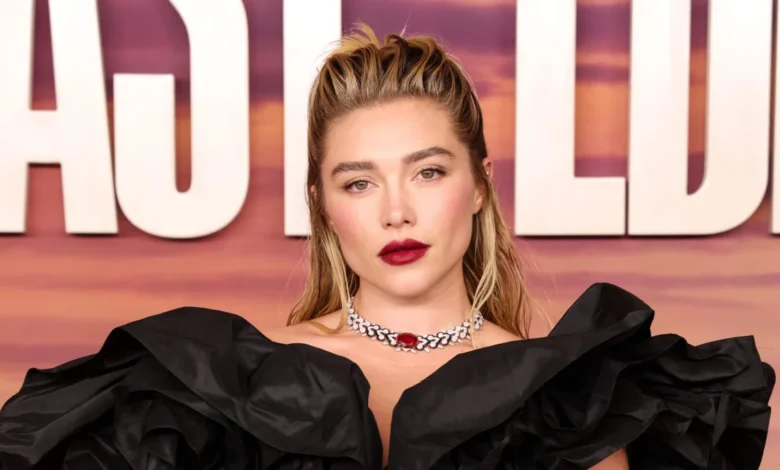
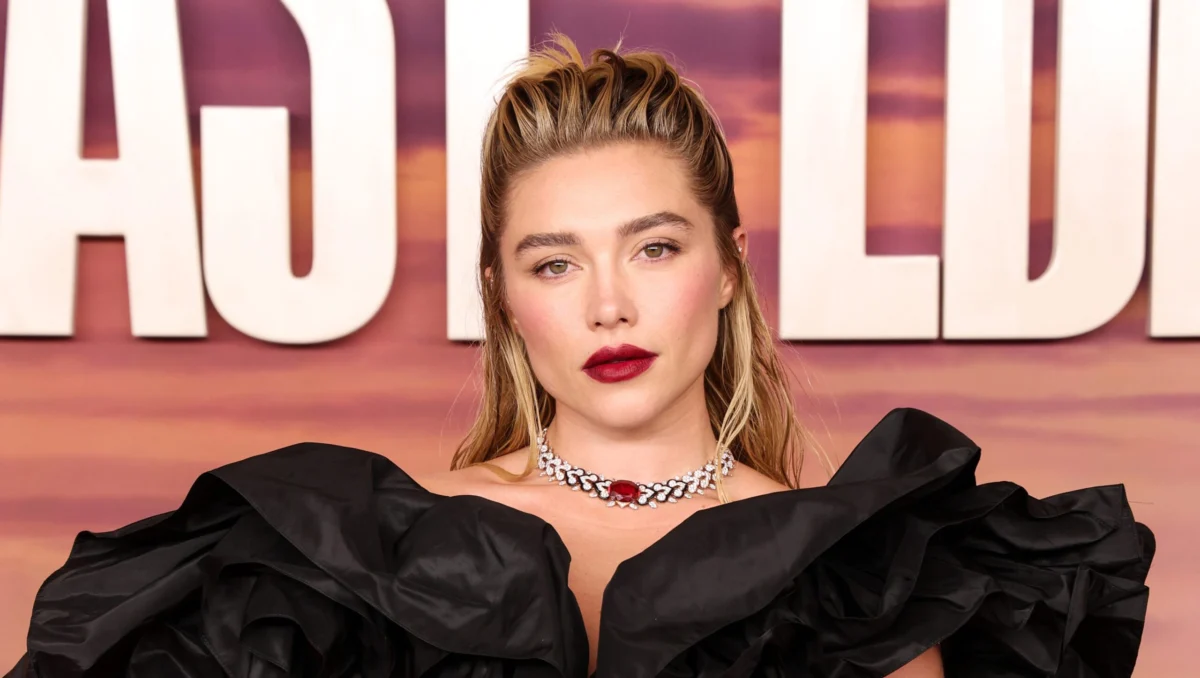
Oscar-nominated actress Florence Pugh has addressed the significant digital fallout she faced after publicly voicing her support for Palestine, revealing in a recent profile that the decision cost her hundreds of thousands of social media followers. The candid remarks were published in a cover story for Vanity Fair, shedding light on the intersection of celebrity influence, political advocacy, and the personal cost of public stances within the modern entertainment industry.
Pugh, known for her acclaimed roles in Midsommar, Little Women, and Oppenheimer, made headlines last September when she appeared at the Together for Palestine event. Addressing the audience onstage, the British actress delivered a pointed critique of apathy, stating that silence in the face of widespread suffering equates to complicity and emphasizing that basic human empathy should never be difficult to maintain.
Despite the professional risks traditionally associated with high-profile political activism in Hollywood, Pugh maintained that she harbored no fear regarding the potential consequences. Her upcoming projects include the Netflix adaptation of East of Eden, set for an October 1 release, alongside major studio tentpoles such as Marvel’s Avengers: Doomsday and Warner Bros.’ Dune: Part Three, both slated for December debuts.
The Chronology of Activism and Public Reaction
The timeline of Pugh’s advocacy dates back to her appearance at the Together for Palestine gathering in September of last year. Balancing a rigorous production schedule that included shooting for Marvel Studios, Pugh coordinated with her team to ensure her attendance at the advocacy event. According to the Vanity Fair interview, her representatives never advised her to remain silent on the issue, a factor the actress appreciated as she navigated a politically charged atmosphere.
Following her onstage remarks, the numerical impact on her digital platforms was immediate. Pugh estimated that she shed hundreds of thousands of followers within a short window—a phenomenon frequently observed when public figures engage in polarizing geopolitical debates. However, rather than deterring her, the widespread industry silence on the matter served to reinforce her conviction. Pugh noted that the noticeable absence of commentary from many of her peers actually heightened her sense that speaking out was not only justified, but morally necessary.
The Disconnect of Modern Digital Landscapes
Beyond the immediate loss of followers, Pugh reflected on the profound psychological dissonance of maintaining a public social media presence while humanitarian crises continue to unfold globally. She highlighted the stark contrast between standard celebrity content—such as promotional material for upcoming films or lifestyle posts—and the grim reality of conflict zones visible on the exact same digital feeds.
"It’s still happening, though," Pugh told the publication, pointing to the ongoing casualties among children and families. She expressed deep discomfort with the expectation that public figures should project normalcy and positivity online while catastrophic human suffering remains easily accessible a mere scroll away. This emotional fatigue underscores a broader conversation among cultural icons regarding the utility, ethics, and emotional toll of maintaining active social media profiles during times of international crisis.
Industry Implications and the Changing Landscape of Celebrity Advocacy
Pugh’s willingness to risk her follower count and commercial standing mirrors a shifting paradigm within the entertainment industry. Historically, Hollywood publicists and major studios heavily advised talent to steer clear of contentious foreign policy issues to avoid alienating international box office markets or domestic fanbases. However, in recent years, the expectation of silence has faced increasing challenges from artists who feel a moral obligation to use their platforms for humanitarian awareness.
The consequences for such advocacy vary widely. While some performers face career boycotts or digital retaliation, others find that speaking out solidifies a more dedicated, values-driven core audience. In Pugh’s case, her career momentum remains robust. With a diverse slate of high-profile releases scheduled through the end of the year—ranging from prestige literary adaptations like East of Eden to massive sci-fi and superhero franchises—studio backing has evidently remained steady despite her outspoken stance.
Broader Cultural Context and Humanitarian Realities
The humanitarian crisis in Palestine has generated unprecedented global discourse, mobilizing millions of citizens, academics, artists, and human rights advocates worldwide. Cultural figures who lend their voices to the cause often find themselves at the center of intense public scrutiny, navigating a polarized media environment where artistic output and political views are frequently conflated.
By breaking her silence and refusing to step back from her convictions, Pugh joins a growing contingent of actors and filmmakers who are testing the boundaries of traditional Hollywood diplomacy. Her statements in Vanity Fair serve as a reminder of the personal friction experienced by public figures trying to reconcile the trivialities of celebrity culture with the gravity of real-world tragedies. As her career continues to ascend with multiple blockbuster and prestige releases on the horizon, Pugh’s trajectory suggests that institutional and commercial fears of artist activism may be undergoing a permanent recalibration.