Melissa Barrera Clarifies Her Stance on the Scream Franchise Following High-Profile Firing and Ongoing Controversy

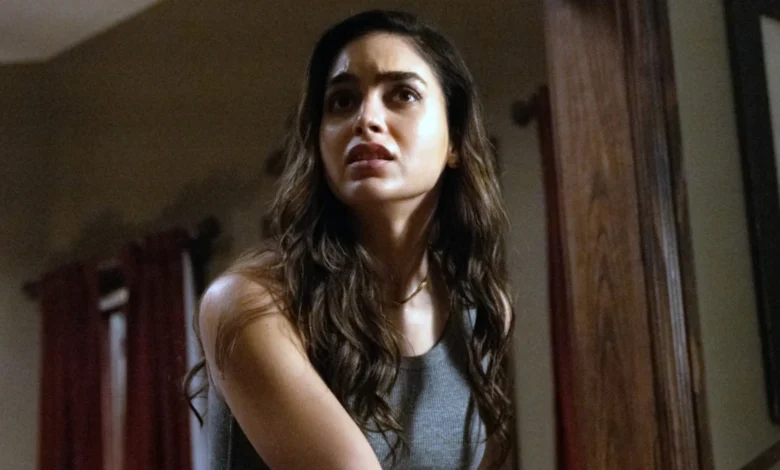
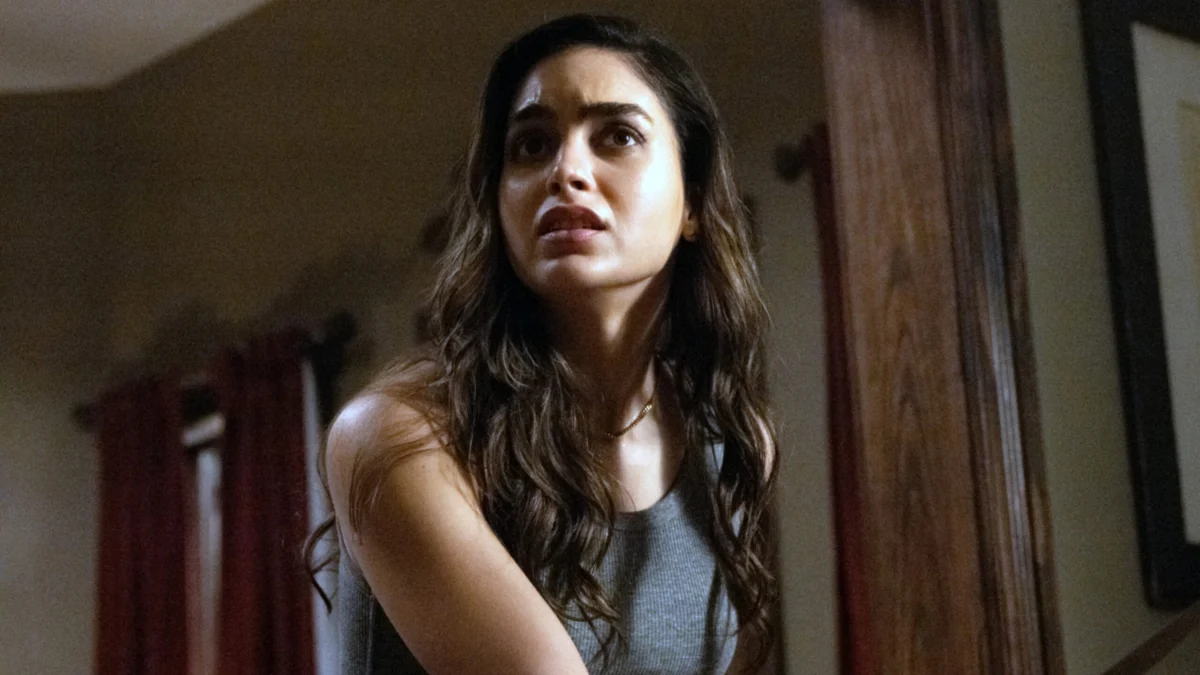
More than three years after her abrupt and highly publicized dismissal from the iconic horror franchise, actress Melissa Barrera has clarified her lingering sentiments toward the Scream universe. While she harbors a deep affection for the films that helped cement her status as a modern horror icon, her refusal to return remains absolute due to the actions and leadership of Spyglass Media Group. In a recent interview shared via JustWatch, the Mexican-born actress addressed the complex web of studio politics, creative fallout, and public backlash that continues to shadow the franchise long after her November 2023 termination.
Barrera’s removal from Scream 7 sent shockwaves through Hollywood at the time, precipitating a dramatic reshuffling of the production’s cast and crew. The controversy began in the wake of the October 7, 2023, Hamas attack on Israel and the subsequent military escalation in Gaza. Barrera utilized her personal social media platforms to share posts advocating for a "Free Palestine" and highlighting the humanitarian crisis and casualties among Palestinian civilians.
Shortly after these posts circulated, Spyglass Media Group made the decision to drop the actress from the upcoming sequel. In a strongly worded public statement released at the time, the studio asserted a "zero tolerance for antisemitism or the incitement of hate in any form, including false references to genocide, ethnic cleansing, Holocaust distortion or anything that flagrantly crosses the line into hate speech."
The studio’s decision immediately ignited a fierce global debate regarding free speech, political expression in the entertainment industry, and the fine line between political activism and hate speech. Supporters of the actress and numerous civil rights advocates argued that her commentary focused strictly on Palestinian human rights and civilian protection rather than antisemitism. Despite subsequent clarifications and the passing of several years, Barrera maintains that the core issue lies in the studio leadership’s refusal to acknowledge or correct the narrative they established.
The Leadership Conflict and Conditions for a Return
During her recent remarks, Barrera drew a sharp distinction between her love for the Scream intellectual property and her utter disdain for the current rights holders.
"Not with the company that currently holds the rights," Barrera stated when asked if she would ever consider stepping back into the shoes of Sam Carpenter. "I love the franchise. I had an amazing time making those movies. But a lot of the hate and the difficulty that I’ve faced in the last years is because the leadership of that company made it a point to label me something that I’m not, and they never apologized, even when I was proven right."
The actress elaborated that even if an apology were to be miraculously issued, the damage is irreparable. She noted that she would not return to work under Spyglass leadership, dismissing the prospect entirely. However, she left a theoretical door open for the distant future, noting that if the rights to the franchise were ever transferred to a studio or production team that she believes would genuinely honor the legacy of original creator Wes Craven, she might reconsider her stance. For now, however, she remains entirely disconnected from the corporate apparatus managing Ghostface’s cinematic future.
A Chronology of Upheaval: How the Firing Derailed Scream 7
The firing of Melissa Barrera was not an isolated event; rather, it served as the catalyst for an unprecedented operational collapse of Scream 7 during its pre-production phase. The fallout exposed deep creative and ideological rifts within the production, leading to a domino effect of high-profile departures that forced Spyglass to completely re-engineer the film’s narrative trajectory.
Shortly after Barrera’s termination, her on-screen sister and co-lead, Jenna Ortega, announced her departure from the project. While official reports initially cited scheduling conflicts with Ortega’s filming commitments for the Netflix hit series Wednesday, industry analysts widely viewed the exit as a show of solidarity with Barrera. Ortega later reflected on the chaotic period, noting that the sequel "was all kind of falling apart" as the core dynamic and the newly established "final girl" narrative evaporated.
The production crisis deepened further when director Christopher Landon, who had been tapped to helm the seventh installment, officially walked away from the project. Landon’s departure was marked by personal distress; he later revealed that he faced a toxic environment characterized by severe backlash and "highly aggressive and really scary" death threats explicitly targeting his children. The vitriol directed at the production underscored how deeply polarized the cultural landscape surrounding the franchise had become.
With its primary cast and director gutted, Spyglass Media Group was forced to pivot aggressively to salvage the multi-million-dollar property. In March 2024, the studio announced a major nostalgic course correction: Neve Campbell, the foundational "final girl" of the original 1996 masterpiece, agreed to return to the franchise as Sidney Prescott for Scream 7. Campbell’s return was particularly noteworthy given that she had famously sat out Scream VI (2023) following a public contract dispute over a low pay offer. Alongside Campbell’s return, Kevin Williamson, the visionary writer behind the original film, was brought on board to direct the seventh installment, providing a comforting sense of legacy for longtime fans.
Public Backlash and Ongoing Protests
Despite the inclusion of franchise royalty like Campbell and Williamson, the shadow of Melissa Barrera’s firing has continued to haunt the marketing and release of Scream 7. The controversy transformed the slasher franchise from a reliable commercial commodity into a lightning rod for political activism and consumer boycotts.
When the official trailer for Scream 7 dropped in October, it was immediately met with a coordinated wave of digital backlash across social media platforms. Thousands of fans and pro-Palestinian activists flooded comment sections, calling for a widespread boycott of the film in protest of Barrera’s treatment.
The friction spilled over from the digital realm into physical reality in February, when Scream 7 held its high-profile premiere at Paramount Studios. Demonstrators organized an active protest outside the entrance to the studio lot, holding signs and chanting slogans demanding justice for Barrera and expressing solidarity with Palestine. The presence of activists at a major Hollywood red-carpet event highlighted the growing intersection between geopolitical consciousness and mainstream entertainment consumption, proving that audiences are increasingly holding studios accountable for off-screen corporate decisions.
Industry Implications and the Future of Horror Franchises
The saga surrounding Melissa Barrera and the Scream franchise offers a sobering case study in the modern perils of managing politically charged intellectual properties. As social media activism and global political movements increasingly intersect with corporate Hollywood, studios face unprecedented scrutiny regarding how they handle controversial statements made by their talent.
Industry analysts point out that Spyglass Media Group’s swift and unbending reaction in late 2023 was designed to insulate the studio from financial fallout and reputational damage in a polarized global market. However, the subsequent loss of Ortega, Landon, and the enduring public relations nightmare—culminating in persistent boycotts and protests—suggests that heavy-handed disciplinary actions can carry severe operational and financial costs.
Furthermore, the situation raises vital questions about the future stability of long-running horror franchises that rely heavily on goodwill, ensemble casts, and dedicated fandoms. When a studio alienates key creative forces and a significant segment of its core audience, the path to commercial redemption becomes fraught with peril, regardless of legacy casting choices.
As Scream 7 moves forward under the stewardship of Neve Campbell and Kevin Williamson, the legacy of Sam Carpenter and the actress who brought her to life remains an indelible part of the franchise’s modern history. While Melissa Barrera has closed the book on any potential reconciliation with the current rights holders, her voice continues to resonate within the broader cultural conversation about artistic freedom, political expression, and accountability in the entertainment industry.