The Cost of Security: How Decades of Military Contamination and Strategic Buildup are Reshaping Life in Guam

The tranquil morning routine of Leevin Camacho in the village of Yigo, Guam, was abruptly shattered last autumn by a frantic phone call from his mother. Her message was simple yet devastating: the local water supply, upon which his family and thousands of others relied, had been found to be contaminated. Attached to her message was a formal notice from the Guam Waterworks Authority. The advisory was stark, emblazoned with warnings of "cancer risk" and "adverse impacts on the liver." Above all, it contained a chilling command in bold, capital letters: DO NOT DRINK.
As Camacho stared at his phone, he watched his children, aged 10 and 12, brushing their teeth with the very water that local authorities had just declared hazardous. The realization that his family had been consuming this water for years was immediate and visceral. A quick internet search for the contaminant identified in the report, dieldrin, revealed a haunting reality. Dieldrin is a persistent organochlorine insecticide—a substance so toxic that the United States government banned its use in 1987. Yet, data suggests this poison has been leaching into the Yigo well system since at least 2008.
A Legacy of Environmental Degradation
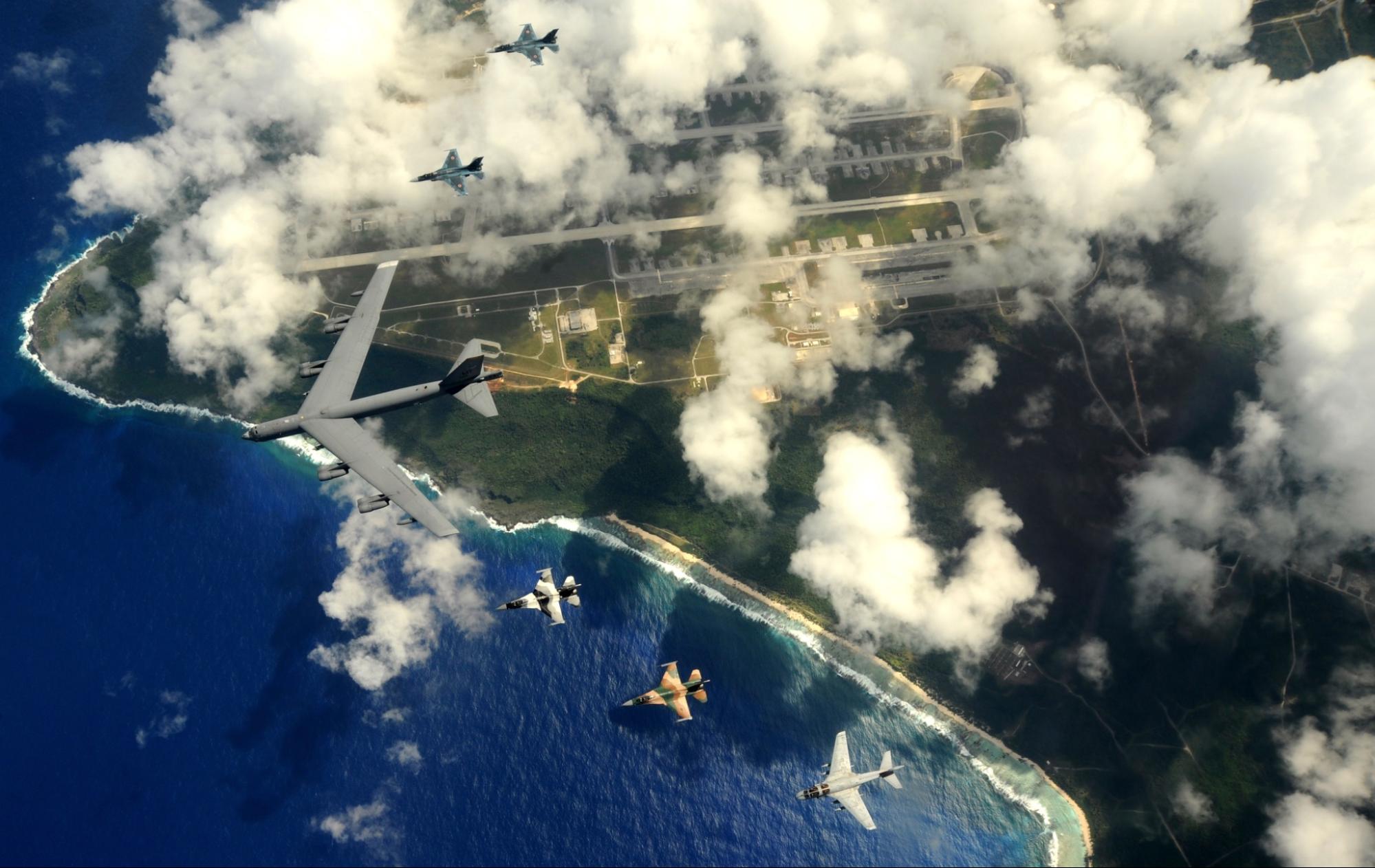
The situation in Yigo is not an isolated incident but rather a symptomatic expression of a much larger, decades-old struggle between the U.S. military’s strategic requirements and the health of the local population. Guam, an island that has served as a critical American military hub in the Pacific for over a century, is currently grappling with a legacy of chemical exposure that includes PCBs, unexploded ordnance, and now, high concentrations of banned pesticides.
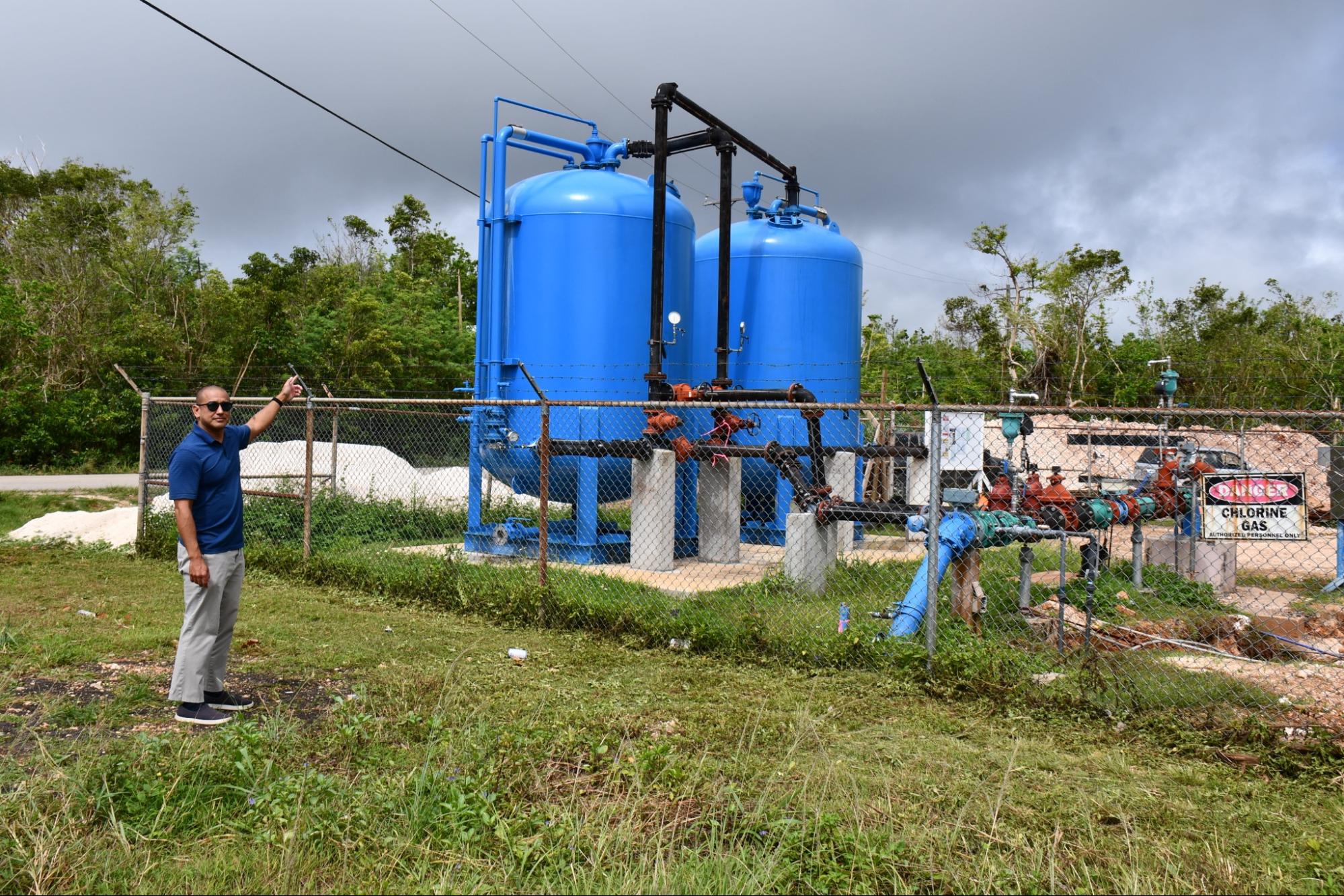
Historical records indicate that the U.S. military identified dieldrin as a "chemical of concern" at the Andersen Air Force Base—which sits adjacent to the contaminated wells—as early as 1993. Despite this long-standing awareness, the link between the base’s historical activities and the current contamination remains a subject of intense investigation. While the Pentagon, under the leadership of Joint Region Marianas, has initiated investigations, local officials warn that the widespread historical use of such chemicals means the responsibility for the cleanup may be complex and multi-faceted.
The Strategic Paradox: Protection vs. Vulnerability
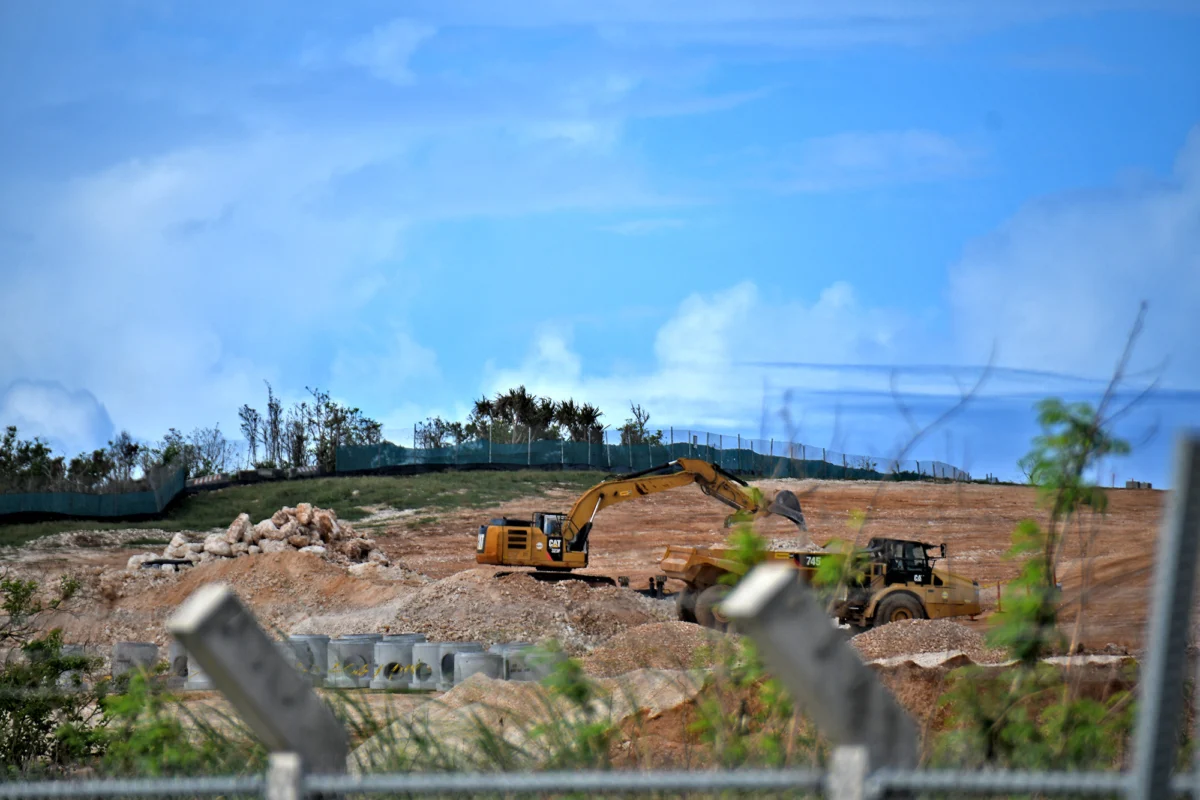
The contamination crisis unfolds against the backdrop of a massive, ongoing military buildup. As the Indo-Pacific region becomes the central theater of geopolitical competition between the United States and China, Guam has been designated the "tip of the spear." The Department of Defense is currently pouring billions of dollars into the island, expanding runways, enhancing deep-water port facilities for nuclear submarines, and installing $8 billion worth of new missile defense systems.
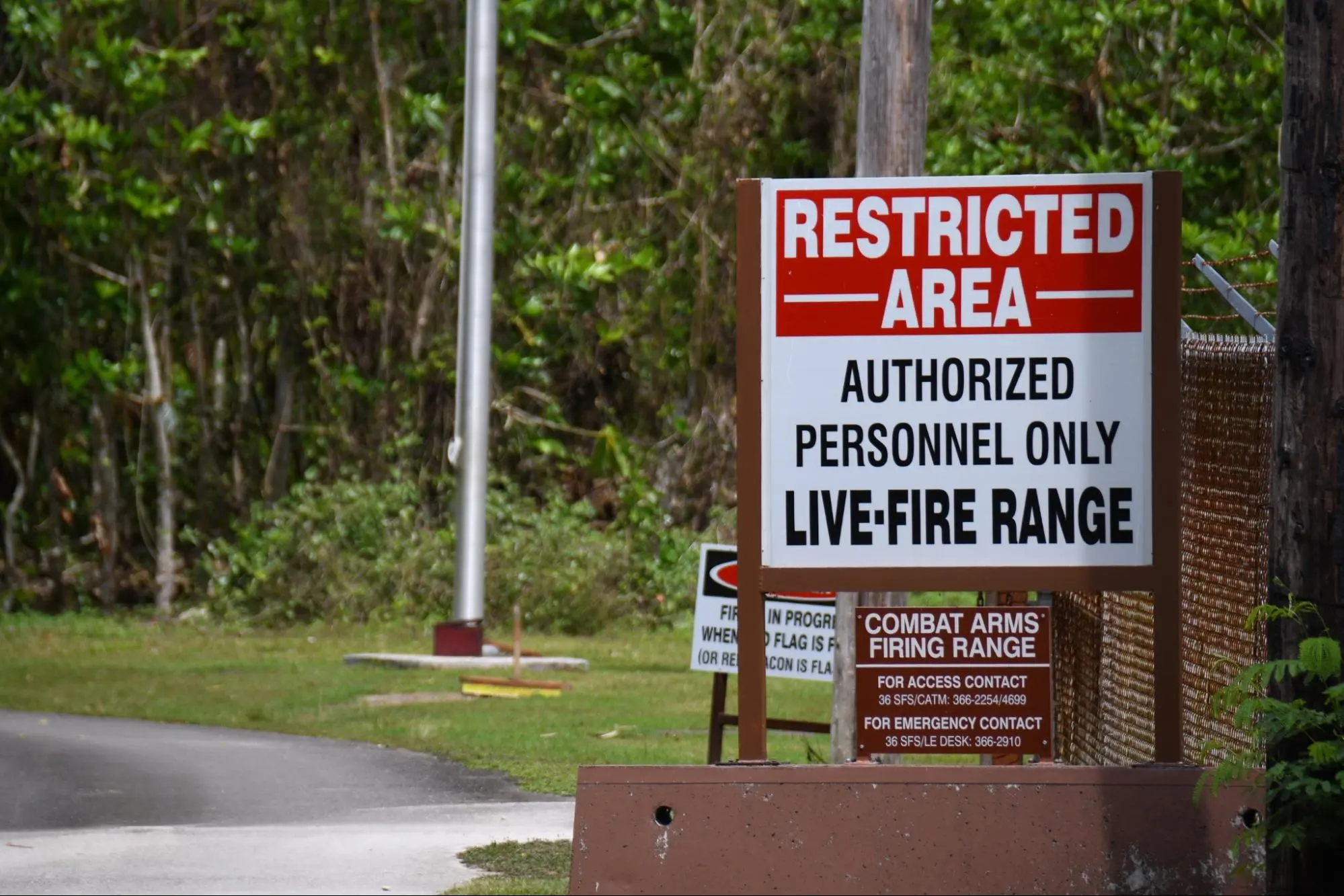
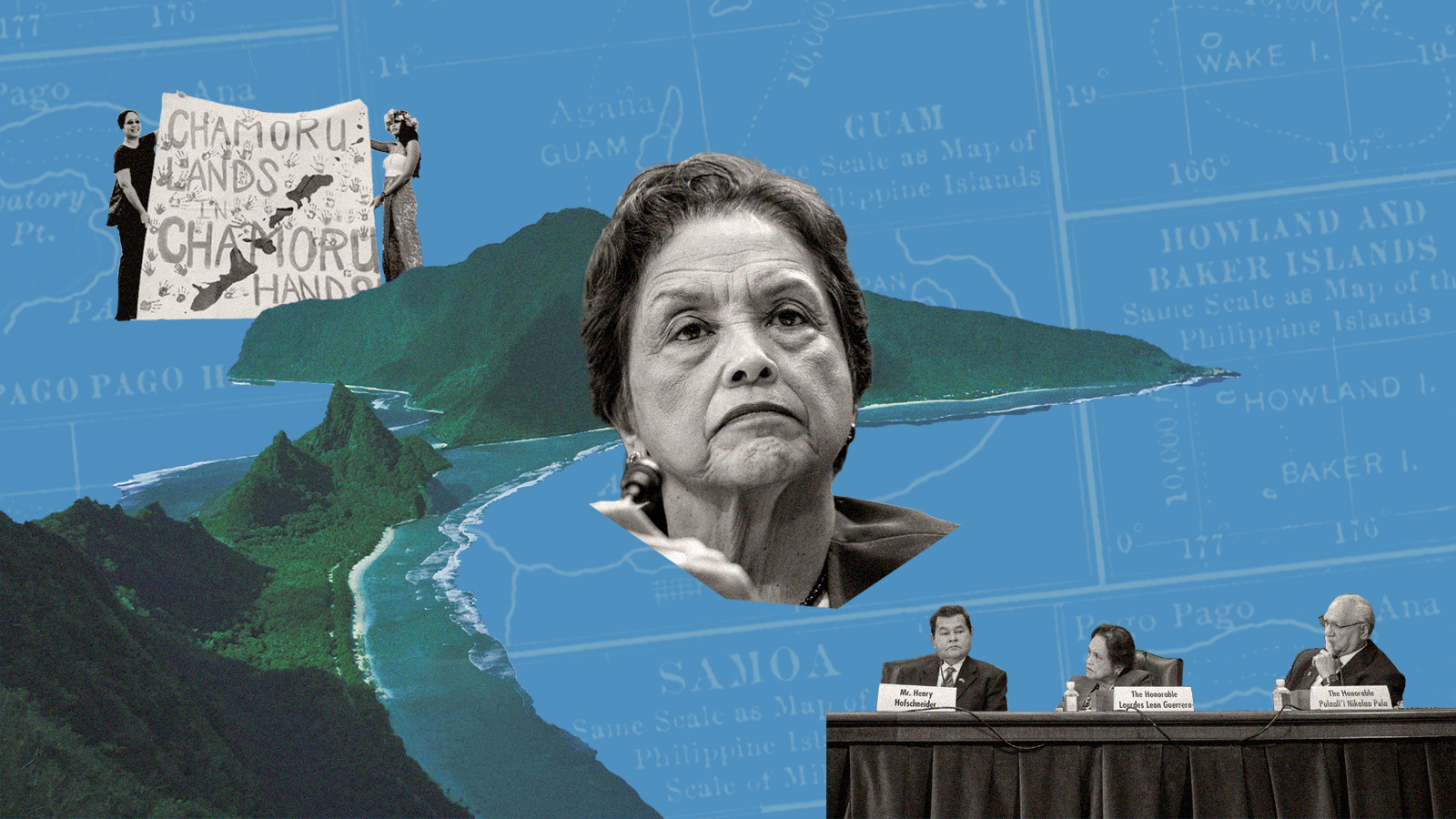
This buildup has created a profound strategic paradox for the people of Guam. While the military presence is ostensibly meant to shield the island from external threats—such as the Chinese ballistic missiles that have recently been tested near Guam—many residents argue that this very military infrastructure makes the island a prime target. Governor Lou Leon Guerrero has acknowledged the economic windfall provided by the Department of Defense, which contributes significantly to the island’s GDP. However, this growth comes at a steep price: rising housing costs, the destruction of ancient CHamoru cultural sites, and the erosion of local environmental health.
Chronology of a Crisis
The tension between the U.S. military and the CHamoru people is rooted in a history that stretches back to the end of the 19th century:
- 1898: The United States acquires Guam from Spain following the Spanish-American War, initiating a century of military-governed administration.
- 1941–1944: During the Japanese occupation of World War II, the CHamoru people suffer extreme trauma, including forced labor and massacres. American forces return in 1944, and the island is celebrated as a "liberated" territory.
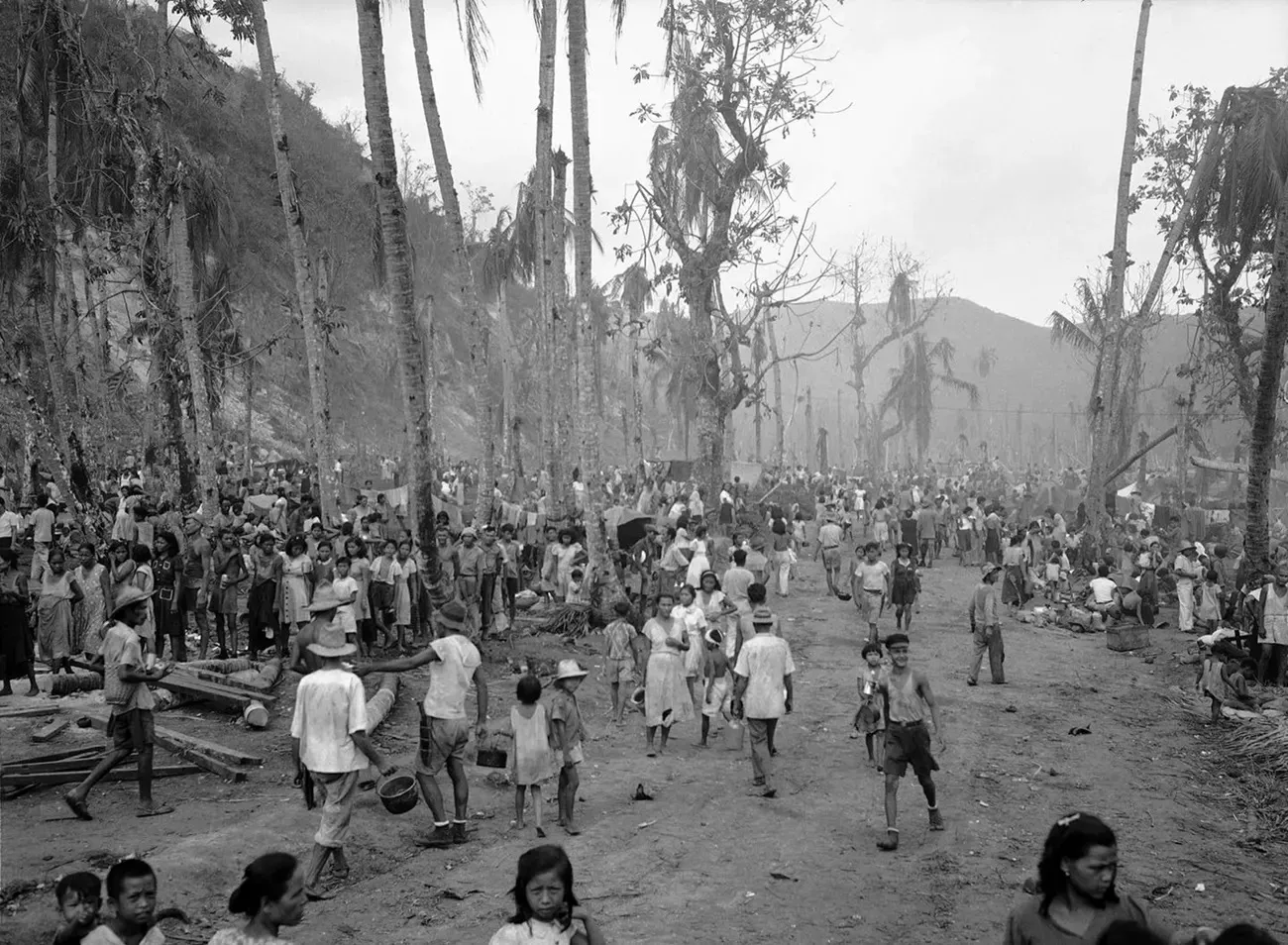
- 1945–1950s: The U.S. military seizes roughly two-thirds of the island’s land for bases, forcing residents into refugee camps and permanently altering the island’s infrastructure and geography.
- 2008: Records indicate the first detections of elevated dieldrin levels in the Yigo well, though public warnings remain absent for years.
- 2010: Leevin Camacho and local activists form "We Are Guåhan" to challenge military expansion projects that threaten ancestral lands like Pågät.
- 2021: The U.S. Supreme Court rules in favor of Guam in a landmark case regarding the cleanup of the Ordot Dump, a hazardous site abandoned by the Navy in the 1940s, resulting in a $48.9 million settlement.
- 2025–2026: The activation of Marine Corps Base Camp Blaz and the intensification of training ranges heighten local fears regarding environmental and cultural impacts.
Official Responses and the Accountability Gap
Rear Admiral Brett Mietus, the commander of Joint Region Marianas, maintains that the military is committed to environmental stewardship and operates in strict accordance with U.S. law. "We are meeting every letter of every law for environmental regulations," Mietus stated, emphasizing the defensive necessity of the current buildup. However, for residents like Vice Mayor of Yigo Pedro Blas, the response from the federal government has been insufficient. Blas notes that while the military conducts quiet investigations behind secure fences, there has been no visible, immediate support for residents whose health may have been compromised by years of drinking contaminated water.
The disconnect between the military’s internal regulatory compliance and the lived reality of the people of Guam is a recurring theme. When the military conducted environmental assessments for the recent buildup, the documentation often minimized the impact on local communities. Camacho, having scrutinized thousands of pages of these documents, found that the military frequently relied on cursory observations—such as claims that there was "no impact" because consultants did not see traffic on a road—to justify projects that would fundamentally alter the island.
The Regional Scope: A Pacific-Wide Strategy
The transformation of Guam is merely the vanguard of a broader Pacific strategy. The Pentagon is currently pursuing similar agreements to upgrade seaports and airfields in Palau, the Federated States of Micronesia, and Papua New Guinea. In Yap, for instance, plans to dredge a marine protected area to accommodate military vessels have sparked outrage among Indigenous leaders who fear the destruction of sacred burial sites and the degradation of their reef ecosystems.
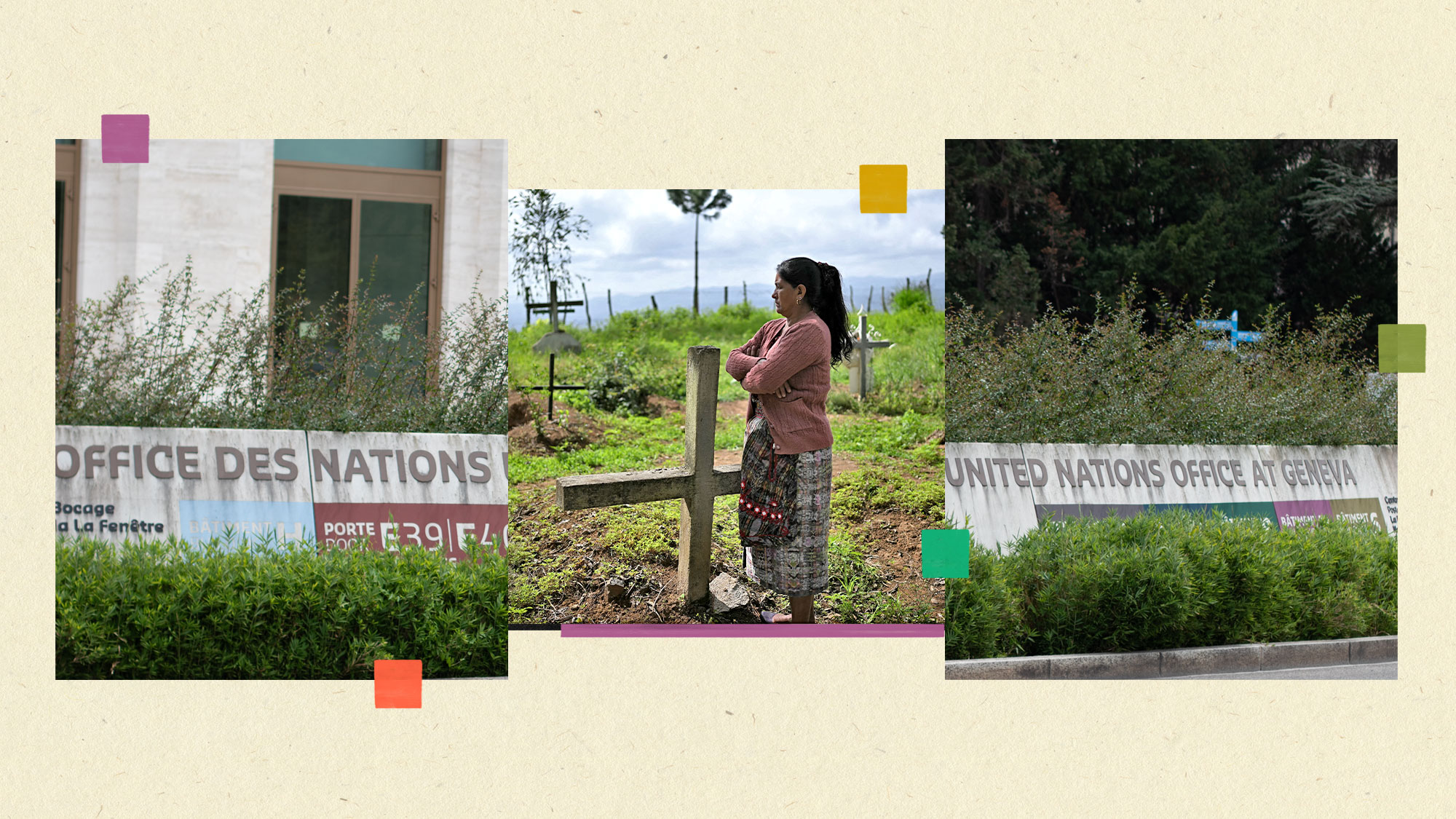
The regional resistance to this expansion is being coordinated through both local legal challenges and international forums like the United Nations. Indigenous groups are increasingly asserting their right to "free, prior, and informed consent" regarding the use of their lands for military purposes. These groups argue that the U.S. military’s definition of "defense" does not account for the destruction of the very communities it claims to protect.
Looking Toward an Uncertain Future
As Leevin Camacho continues his advocacy, his focus remains on holding the Department of Defense accountable for the long-term health and sovereignty of his people. His work as an attorney, including his former tenure as Attorney General of Guam, has consistently centered on the concept that the island should not be treated as a "sacrifice zone."
The challenges ahead are daunting. With military personnel levels on the island expected to climb to nearly 30,000 by 2037, the strain on local infrastructure—water, energy, and medical care—will only intensify. For residents of Yigo, the immediate priority remains the remediation of the water supply and the pursuit of reparations for those affected by dieldrin exposure.
Ultimately, the struggle in Guam is a test case for how a global superpower balances its strategic ambitions against the rights and survival of its overseas territories. As Camacho notes, he and his family are not going anywhere. For them, the island is not just a strategic asset or a piece of real estate; it is home. The ongoing legal and political battles are not merely about cleaning up chemicals; they are about establishing a future where the people of Guam are treated as citizens with a voice, rather than collateral damage in a contest between empires. Whether that future can be secured remains the defining question for the next generation of Pacific Islanders.