Uncertainty Surrounds COVID-19 Vaccine Distribution Amidst Legal and Regulatory Conflicts at the Department of Health and Human Services

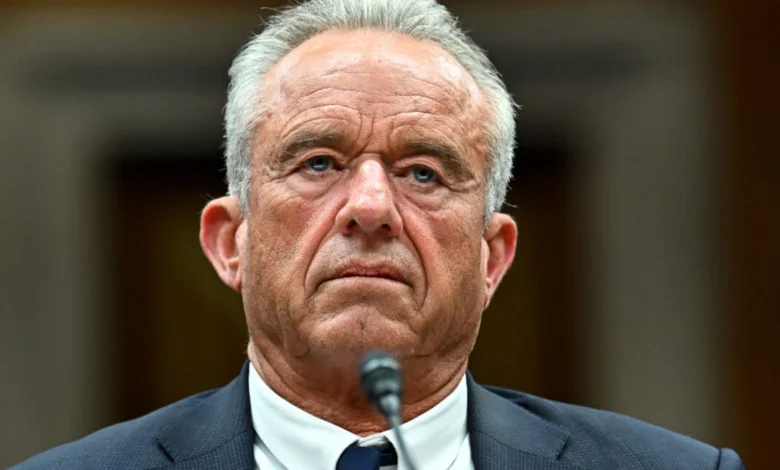
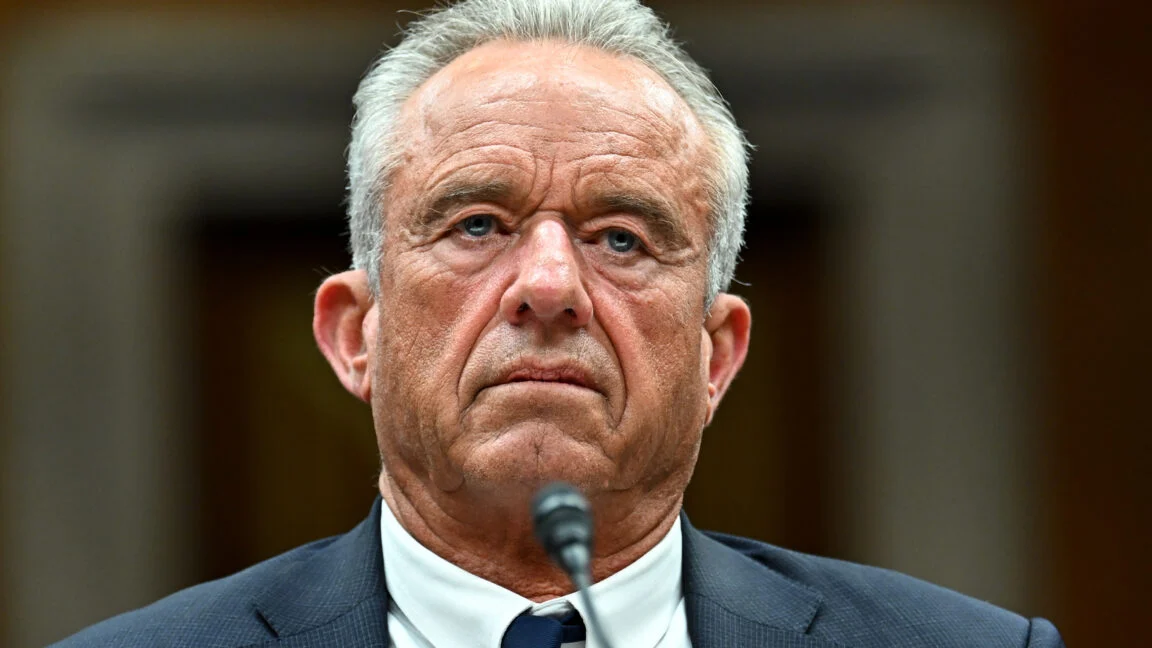
The Department of Health and Human Services (HHS) confirmed late Thursday that the federal ordering system for COVID-19 vaccines has finally been restored, ending a period of unexplained delay that left medical providers and public health advocates in limbo. Despite the restoration of service, the department has remained silent regarding the underlying cause of the operational disruption, providing no explanation for why the rollout of the 2026-2027 respiratory season vaccines was impeded. This administrative silence has intensified scrutiny of the department’s leadership, particularly under the tenure of Health Secretary Robert F. Kennedy Jr., whose long-standing skepticism toward immunization programs has fundamentally altered the landscape of federal public health policy.
The delay comes at a critical juncture for the U.S. healthcare system, which is attempting to navigate a fragmented regulatory environment characterized by conflicting directives, federal litigation, and a marked departure from the guidance of mainstream medical organizations. For many, the disruption is not viewed as a mere technical glitch but as a potential consequence of the systemic restructuring of federal health agencies over the past eighteen months.
A Chronology of Policy Shifts and Legal Challenges
The current confusion regarding vaccine access is the latest chapter in a series of volatile changes to federal health recommendations. To understand the present state of the 2026-2027 immunization schedule, it is necessary to examine the timeline of federal policy shifts:
- Mid-2025: The Centers for Disease Control and Prevention (CDC) maintained a set of guidelines recommending COVID-19 vaccines for children aged 6 months to 17 years who were moderately to severely immunocompromised. For healthy children in this demographic, the CDC utilized a framework of "shared clinical decision-making," effectively placing the responsibility of immunization on parents in consultation with their healthcare providers.
- Late 2025: Secretary Kennedy, leveraging his authority over the Department, unilaterally revoked the CDC’s long-standing universal recommendations for COVID-19 vaccines, a move that drew swift condemnation from major medical associations and public health experts.
- March 2026: A federal judge intervened in the administration’s policy, issuing an injunction that halted several changes implemented by Kennedy and his allies regarding vaccine recommendations. The court’s intervention effectively froze the federal guidance at the July 2025 standard, preventing further restrictive policy adjustments.
- Present Day: The CDC has issued an updated clinical guidance note stating that, due to ongoing "legal uncertainties and inquiries," the July 2025 recommendations remain the active standard for the current respiratory illness season.
This "frozen" state of policy has created a vacuum of authority, as the federal government’s guidelines now exist in direct opposition to the recommendations issued by the American Medical Association (AMA) and other leading medical bodies.
Divergent Recommendations: Federal Guidance vs. Clinical Standards
The gap between federal policy and clinical consensus has created significant confusion for pediatricians and pharmacists. While the federal government currently adheres to the limited 2025 guidance, leading medical organizations have published their own recommendations for the fall 2026 season. These organizations maintain that the risk profiles for respiratory viruses necessitate broader immunization strategies than those currently supported by the HHS.
Medical groups generally advocate for the vaccination of all infants aged 6 to 23 months against COVID-19. For children aged 2 to 18, these groups recommend vaccination specifically for those at higher risk, while leaving the choice to parents and physicians for healthy children who desire the protection. By maintaining the more restrictive 2025 federal policy, the HHS is effectively operating under a framework that many medical professionals consider outdated, particularly as new variants emerge and the long-term immunological data for the current season is analyzed.
The Role of Secretary Kennedy and Institutional Tensions
The leadership of Secretary Robert F. Kennedy Jr. has been marked by a confrontational approach to the very agencies he oversees. Kennedy’s history of public rhetoric—including his assertions that COVID-19 vaccines are the "deadliest ever made"—has provided the ideological backdrop for the current administrative friction. His efforts to petition the FDA to withdraw approvals for these vaccines have signaled a fundamental shift in the department’s mission, moving away from the promotion of immunization as a core public health strategy.
The tension between the Secretary’s office and the career civil servants at the CDC and FDA has been palpable. Reports from within the HHS suggest that the "legal uncertainties" cited by the CDC are in part a reflection of this internal tug-of-war, where career scientists are attempting to maintain evidence-based guidelines while navigating directives from political appointees who have campaigned on anti-vaccine platforms. This conflict has left the rank-and-file of the public health apparatus in a precarious position, tasked with upholding public safety while operating under a mandate that is openly hostile to established vaccine protocols.
Implications for Public Health and Vaccination Rates
The impact of these systemic delays and policy inconsistencies is expected to be felt in the coming months. Vaccination rates, which are sensitive to both supply chain reliability and public messaging, are particularly vulnerable when federal guidance is perceived as contradictory or politicized.
Public health analysts argue that when the federal government fails to provide clear, consistent, and proactive guidance, the burden of education falls disproportionately on local physicians. However, when the federal "official" stance deviates significantly from the standard of care recommended by national medical associations, it invites a level of skepticism that can undermine trust in the entire immunization process.
Furthermore, the operational delay in vaccine ordering—even if now resolved—highlights the fragility of the federal distribution network. If supply channels are subject to arbitrary bureaucratic hurdles, providers may hesitate to commit to large-scale immunization clinics, fearing that they will be left without the necessary stock to meet patient demand. This creates a "chilling effect" on access, particularly in rural or underserved areas where supply chain logistics are already difficult to manage.
Analyzing the "Legal Uncertainties"
The phrasing of the CDC’s latest guidance—citing "legal uncertainties and inquiries"—is a significant departure from the agency’s historical communication style. Typically, the CDC issues clear, science-driven directives. By explicitly referencing legal constraints, the agency is signaling to the public and the medical community that its recommendations are no longer based solely on epidemiological data, but are instead being mediated by the judicial and political challenges facing the department.
This creates an unprecedented situation where the legal status of a vaccine recommendation is as important as its medical efficacy. For legal scholars and public health policy experts, this represents a dangerous precedent. If health policy is determined by litigation rather than clinical outcomes, the ability of the government to respond to future public health crises will be severely compromised. The current situation serves as a case study in how institutional discord can translate into real-world barriers for citizens seeking medical care.
Looking Toward the Future
As the 2026-2027 respiratory season progresses, the disconnect between federal guidelines and clinical practice will likely remain a flashpoint. While the HHS has restored the ordering system, the underlying ideological and legal conflicts remain unresolved.
Medical providers are currently forced to balance the official federal position with the best practices established by their professional organizations. For parents and patients, the environment is increasingly opaque, requiring a greater reliance on individual clinical consultation rather than standardized public health communication.
Ultimately, the events of the past week underscore the fragility of the public health infrastructure when it becomes entangled in long-term ideological campaigns. The restoration of the ordering system may have prevented an immediate crisis, but the broader questions regarding the reliability of federal health guidance and the independence of agencies like the CDC remain central to the ongoing debate over the future of American public health. Whether the administration will provide a clear accounting for the recent disruption, or if the current policy of silence will continue, remains a subject of intense interest for lawmakers and the healthcare community at large.