The Escalating Crisis of Record-High Diesel Prices Triggers Urgent Calls for an Export Ban

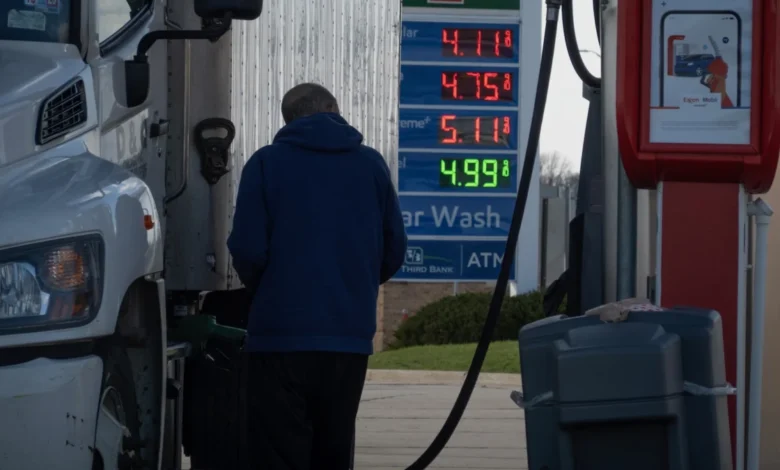
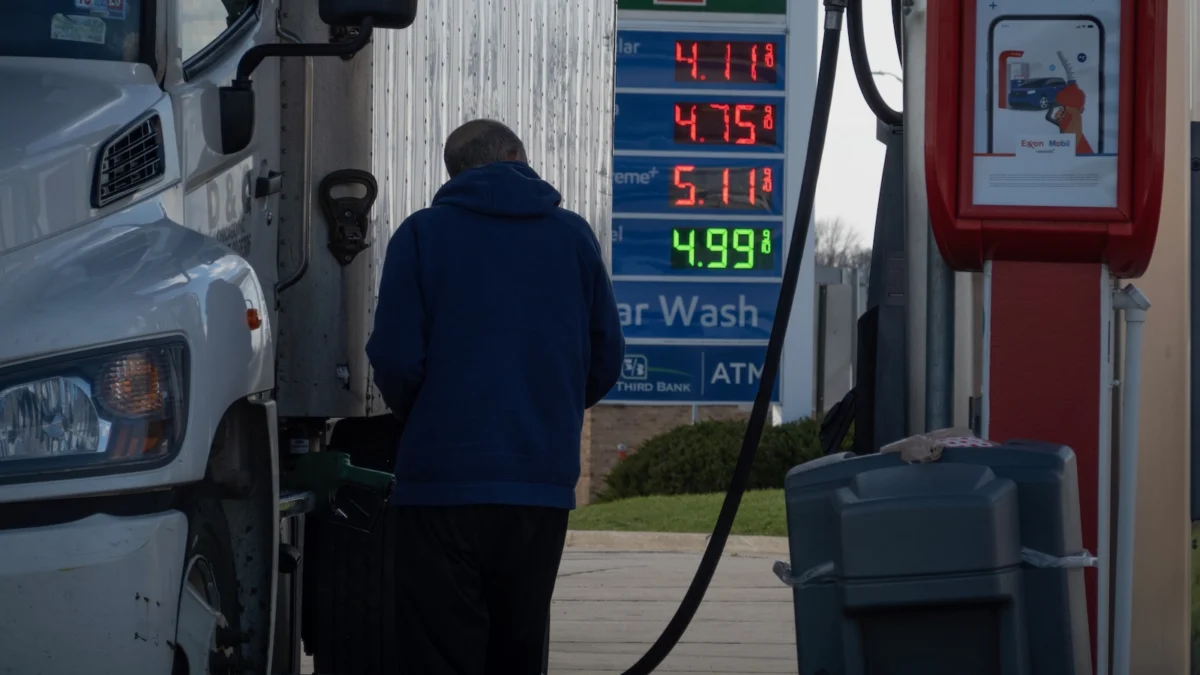
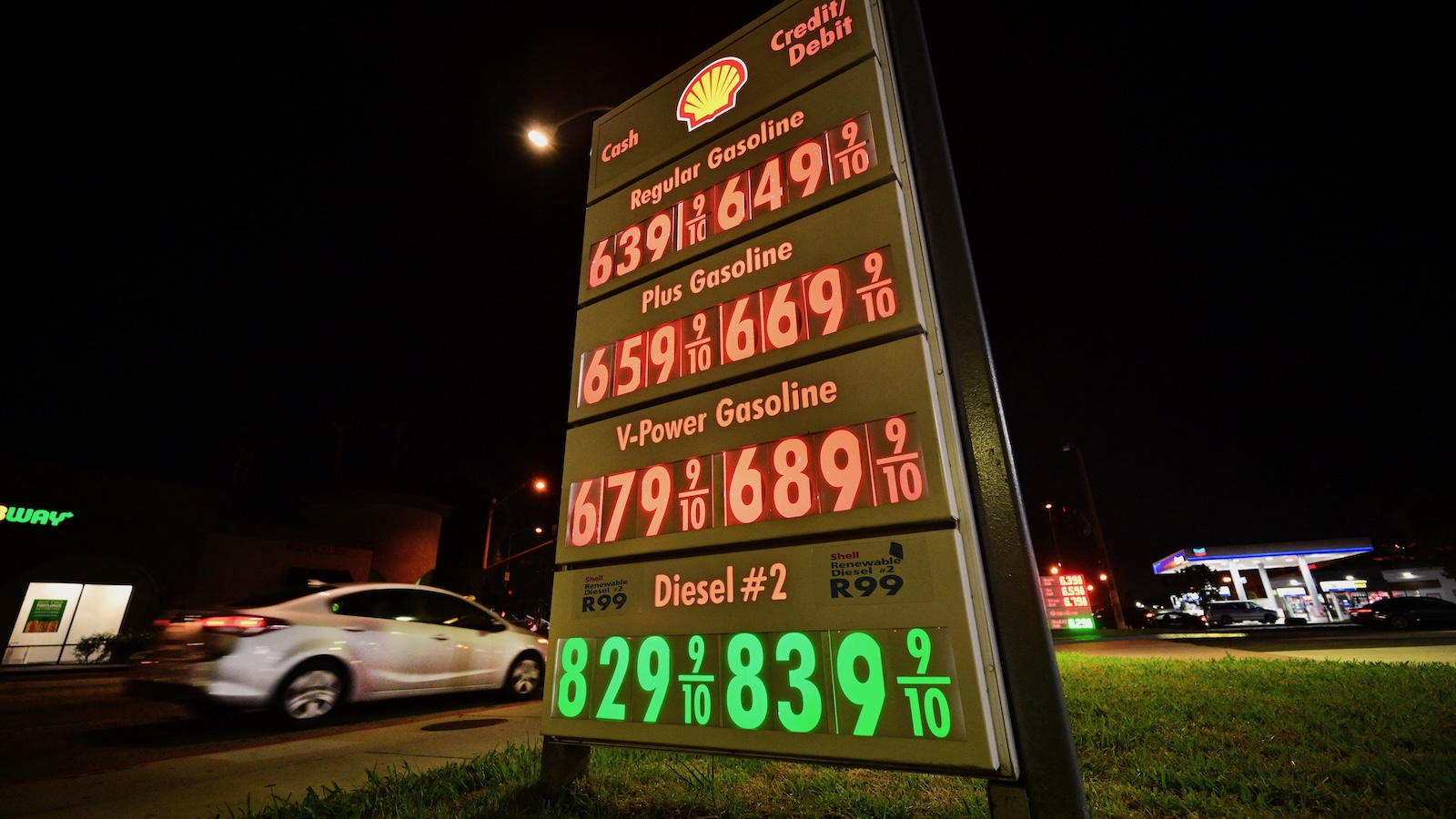
Diesel fuel prices across the United States have surged to unprecedented levels, shattering records on a nearly daily basis throughout September. According to the latest data from the American Automobile Association (AAA), the national average hit a staggering $6.52 per gallon on Tuesday. This inflationary pressure is reverberating through the bedrock of the American economy, prompting a high-stakes political debate over whether the federal government should implement a ban on the export of diesel fuel to stabilize domestic supply and mitigate costs for consumers, farmers, and the logistics industry.
President Donald Trump, speaking from the sidelines of the United Nations General Assembly in New York, officially endorsed the concept of an export ban this week. "I’ve said let’s not send out the diesel," Trump remarked. "I’ve called for it within my people." This endorsement marks a significant escalation in the administration’s response to a fuel crisis that has seen prices rise by nearly $1 per gallon in September alone, representing an 80 percent increase since the onset of the conflict between the United States and Iran earlier this year.
The Economic Backbone Under Pressure
While the American public primarily tracks gasoline prices, diesel serves as the lifeblood of the domestic supply chain. It is the essential propellant for the heavy-duty trucks that deliver food and consumer goods, the trains that haul raw materials, and the ships that traverse coastal waterways. Furthermore, the agricultural sector is acutely dependent on diesel to power tractors, combines, and irrigation systems.
The financial toll on the average American household is becoming increasingly difficult to ignore. An online dashboard, developed by researchers at Brown University to track the economic ripple effects of the war, indicates that the current price trajectory has cost the average American household nearly $400 in additional expenses since the conflict began. The cumulative impact on the national economy is estimated at over $51 billion.
A Timeline of the Escalation
The current crisis did not emerge in a vacuum. It is the culmination of geopolitical instability and a strained global energy market.
- Early 2026: The United States and Israel initiate military operations against Iran, disrupting energy markets in the Middle East and causing immediate volatility in global oil prices.
- Mid-2026: As the conflict persists, refineries face difficulty in keeping up with global demand, leading to a tightening of distillate supplies—a category that includes diesel and heating oil.
- September 1, 2026: Diesel prices begin a steep, unbroken climb, setting a new record almost every 24 hours.
- September 22, 2026: President Trump publicly advocates for a federal ban on diesel exports while attending the UN General Assembly.
The Legislative and Administrative Debate
The proposal to curb exports has found vocal support among some Republican lawmakers, particularly those representing the agricultural heartland. Senator Chuck Grassley of Iowa drew a direct comparison to other trade restrictions, noting on social media that if the government can impose an embargo on semiconductor chips destined for China, it should be capable of restricting diesel exports to protect American farmers and logistics workers.
Senate Majority Leader John Thune of South Dakota has similarly signaled an openness to the idea. "If that would take pressure off of prices, I’m open to exploring it," Thune stated. Representative Ashley Hinson, also of Iowa, has joined the chorus of lawmakers pressuring the administration to consider trade barriers to alleviate domestic shortages.
However, the proposal faces stiff opposition from industry groups and members of the administration itself. The American Fuel & Petrochemical Manufacturers (AFPM) issued a sharp rebuttal, arguing that such a move would be counterproductive. "Export bans do not create more fuel for Americans," the association stated in a formal press release. "They reduce U.S. fuel production, put upward pressure on prices, weaken energy security, and hand market share to foreign competitors."
Interior Secretary Doug Burgum offered a similar assessment during an interview with CNBC, characterizing a ban as a policy that "could actually hurt Americans." Senator John Cornyn of Texas, representing the nation’s largest oil-producing state, was more blunt, labeling the proposal a "gimmick" that ignores the complexities of the global energy market.
Expert Analysis: Global vs. Domestic Supply
The technical debate over whether an export ban would actually lower domestic prices hinges on the nature of the global oil market. Jeff Colgan, a political scientist at Brown University, argues that banning exports would effectively force more product into the domestic market, thereby increasing supply and lowering the price for U.S. consumers.
Conversely, market analysts such as Patrick De Haan, head of petroleum analysis at GasBuddy, contend that the U.S. energy sector is so deeply integrated into the global market that a localized ban would be ineffective. "U.S. diesel prices are determined not by a U.S. supply and demand balance, but a global one," De Haan wrote. "Keeping distillates and diesel home does not change the world price."
Historical Context and Precedent
The concept of a fuel export ban is not unprecedented in American history. In 1975, following the Arab oil embargo that sent prices skyrocketing and caused massive shortages, Congress passed the Energy Policy and Conservation Act. This legislation effectively prohibited the export of crude oil, a policy that remained in place for four decades until it was repealed under the Obama administration in 2015.
Proponents of a modern-day ban argue that the 1975 precedent proves that government intervention can protect domestic consumers during times of crisis. Opponents, however, point to the subsequent era of deregulation and increased U.S. oil production as evidence that free-market access is necessary to maintain the infrastructure and profit margins required for sustained energy independence. Oil companies have spent years building the infrastructure to facilitate exports and are expected to lobby heavily against any return to a restrictive trade regime.
The Political Landscape
While the debate is currently being framed largely by Republican figures, the issue has historically seen bipartisan interest. During previous price spikes in 2021 and earlier this year, some Democrats expressed interest in curbing exports to lower domestic costs. However, in the current climate, many Democrats remain skeptical of the Trump administration’s approach.
Senator Peter Welch of Vermont dismissed the President’s recent comments as "smoke and mirrors." Welch argued that if the administration were genuinely committed to lowering the costs of gasoline, diesel, and home heating oil, it would need to address the root cause of the market volatility—the ongoing war with Iran—rather than relying on trade policy gimmicks.
Seeking a Middle Ground
As the administration weighs its options, some experts suggest that the debate is currently trapped in a false binary. Tyson Slocum, energy program director at the non-profit organization Public Citizen, believes the focus should be on a more nuanced approach.
"The debate is so absurdly simplistic. People are like either total unfettered, unregulated exports or zero exports," Slocum noted. He suggests that the government could explore intermediate options, such as quotas or strategic limitations on the volume of diesel shipped overseas, which could achieve a significant short-term reduction in prices without the total economic disruption of a full-scale embargo.
As winter approaches and concerns mount regarding the availability of heating oil—which is chemically similar to diesel—the pressure on the White House to act will likely intensify. Whether the administration opts for a hardline export ban, a more targeted regulatory approach, or maintains the status quo remains an open question. What is clear is that the current record-high prices are not merely an economic inconvenience; they are a defining challenge for the U.S. economy, impacting every link in the supply chain and forcing a re-evaluation of the role of trade policy in national energy security.