All the Top Shows, Movies and Networks in the Merged Paramount-Warner Bros: ‘Yellowstone,’ ‘Harry Potter,’ ‘Mission: Impossible’ and DC Under One Roof

A Landmark Consolidation in a Changing Market
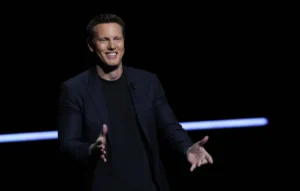
The merger is the culmination of years of industry volatility, characterized by the decline of linear television and the aggressive, high-stakes pivot toward direct-to-consumer streaming services. David Ellison, who spearheaded the acquisition of Paramount via Skydance Media last year, has positioned this merger as a strategic move to create a "content powerhouse" capable of competing with the technology-driven giants of Silicon Valley.
For years, both Paramount and Warner Bros. Discovery have navigated turbulent waters. Paramount, historically the home of the CBS network and the legendary Paramount Pictures film studio, faced mounting pressure as its cable television business declined. Similarly, Warner Bros. Discovery, formed through the 2022 merger of WarnerMedia and Discovery, has spent recent years aggressively paying down debt while attempting to find its footing in a saturated streaming market. By joining forces, the new entity aims to leverage the scale of its combined library to achieve cost synergies, streamline operations, and enhance its bargaining power in a world where streaming discovery and subscription retention are paramount.
Chronology of the Merger
The path to this consolidation has been marked by intense regulatory scrutiny and complex corporate maneuvering:
- Early 2025: Initial discussions between Skydance Media and the leadership of Warner Bros. Discovery began following Skydance’s acquisition of Paramount.
- Mid-2025: The deal was formally announced, drawing immediate attention from competition authorities concerned about the concentration of power in the media and broadcasting sectors.
- Late 2025: A 12-state coalition of attorneys general filed an antitrust lawsuit, arguing that the merger would stifle competition in television production, news aggregation, and advertising markets.
- Early 2026: After months of litigation, the parties reached a landmark settlement, which included concessions regarding the divestiture of certain local broadcast assets and strict operational commitments to ensure fair market access.
- Current Status (February 2026): David Ellison confirmed in a company-wide memo that the deal is on track to finalize in approximately two weeks, ending the period of regulatory uncertainty.
The Scale of the Combined Empire
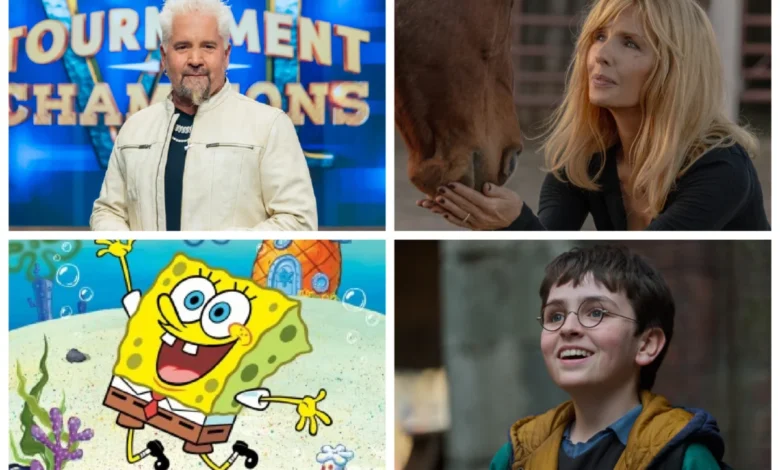
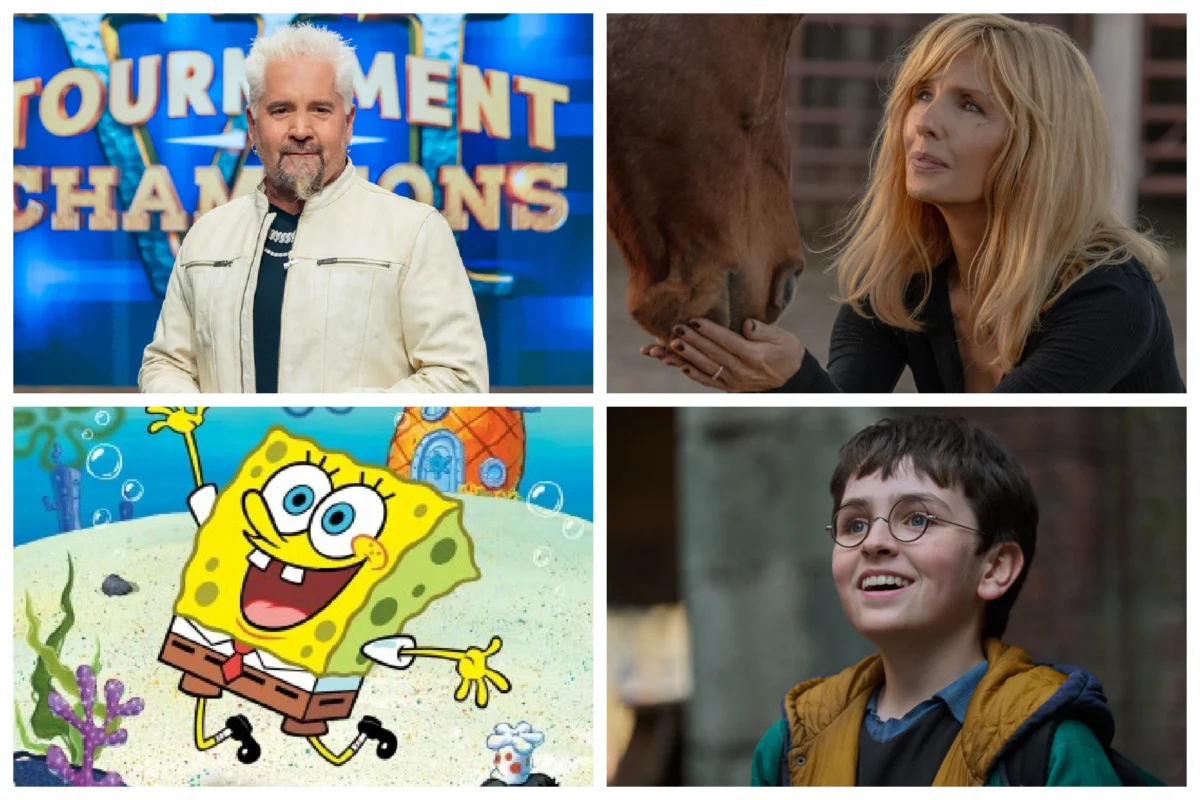
The sheer volume of intellectual property (IP) being brought under one corporate umbrella is unprecedented. By combining the catalogs of Paramount—which includes the "Yellowstone" franchise, "Star Trek," "Mission: Impossible," and the vast Nickelodeon library—with the Warner Bros. Discovery stable—which boasts "Harry Potter," "Game of Thrones," the DC Universe, and a massive portfolio of unscripted reality television—the new entity will effectively hold the keys to a significant portion of modern global pop culture.
Key Franchise Assets
- Paramount Portfolio: The "Yellowstone" universe remains a cornerstone of domestic viewership, while "Top Gun," "Transformers," and "Teenage Mutant Ninja Turtles" provide substantial theatrical and merchandising potential. The addition of "SpongeBob SquarePants" and "Dora the Explorer" ensures dominance in the children’s media demographic.
- Warner Bros. Discovery Portfolio: The company continues to lean into high-fantasy and superhero properties. With the "Harry Potter" television revival currently in development and the ongoing expansion of the DC Universe, the company holds the rights to some of the most lucrative cinematic universes in history. Furthermore, the inclusion of "Friends" and the expansive HGTV/Discovery reality library creates a massive base of daily, habitual viewership.
Structural Implications for Production and Distribution
The merger effectively creates a multi-layered production infrastructure. On the film and television side, the entity will control studios such as Paramount Pictures, Warner Bros. Pictures, New Line Cinema, and DC Studios. This integration allows for a more efficient allocation of capital, enabling the company to greenlight larger-budget projects while utilizing shared production facilities to optimize overhead costs.
In the realm of linear television, the combined company will wield significant influence over the advertising market. With networks including CBS, CNN, HBO, MTV, Comedy Central, and a vast array of cable staples like TLC, Food Network, and Discovery Channel, the new entity becomes a "must-buy" for major national advertisers.
Strategic Shifts in Streaming and Gaming
The streaming landscape is perhaps where the most immediate and complex changes will occur. The integration of HBO Max and Discovery+ with the Paramount+ ecosystem presents a formidable challenge to competitors like Netflix and Disney+. Industry analysts suggest that the company will likely move toward a bundled strategy, offering a tiered service that combines premium prestige drama (HBO), legacy news (CBS/CNN), and family-friendly entertainment.
Furthermore, the gaming sector has become a vital growth engine. By merging Paramount Games Studio—which includes the internal development capabilities of Skydance—with the established Warner Bros. Games division (which includes Rocksteady and NetherRealm), the company is positioned to be a top-tier player in interactive entertainment. This vertical integration allows the firm to develop games based on its own IP, potentially driving cross-platform engagement between movies, television, and gaming.
Official Responses and Internal Outlook
David Ellison’s communication to staff on Monday reflected a sense of cautious optimism. While he acknowledged the complexities of integrating two massive workforces, he emphasized the "long-term stability" that the merger provides. Internally, the message has been one of synergy—focusing on how the combined creative teams can better utilize the vast library of assets that were previously siloed.
However, the industry remains wary of the human cost. Mergers of this scale typically involve significant "cost-saving" measures, which in the media sector often translate to layoffs and departmental restructuring. Analysts expect that the redundant roles in corporate overhead, legal, and international distribution will be the first areas targeted for consolidation.
Broader Economic and Competitive Impact
The formation of this new entity serves as a definitive statement that the "streaming wars" are entering a new phase of maturity. The era of unchecked growth-at-all-costs has been replaced by an era of consolidation and profitability. By pooling resources, the companies aim to reduce their reliance on third-party content licensing, keeping their valuable IP within their own ecosystem.
From a regulatory perspective, the settlement of the antitrust lawsuit sets a precedent. The agreement to preserve competition in specific markets while allowing the merger to proceed suggests that regulators are willing to permit massive horizontal integration, provided that market access for smaller independent creators remains protected.
The long-term impact on the consumer remains to be seen. While the prospect of a massive, unified streaming platform is attractive, there are concerns regarding price sensitivity and the potential for reduced creative diversity if the merged company prioritizes only its biggest, most "bankable" franchises.
Conclusion
As the two-week countdown to the official close of the merger begins, the global media industry stands on the precipice of a transformation. With the combined strength of Paramount and Warner Bros. Discovery, David Ellison is effectively building a vertical integration model that spans every facet of modern media—from newsrooms and cable networks to theatrical distribution and interactive gaming. The success of this entity will ultimately depend on its ability to manage its vast, disparate parts while navigating an increasingly fragmented and price-sensitive consumer landscape. For investors, competitors, and viewers alike, the next chapter of this corporate saga will define the future of how stories are told and consumed in the 21st century.