An independent review has delivered a scathing assessment of editorial standards, verification processes, and internal culture at the Australian Broadcasting Corporation’s premier investigative journalism flagship, Four Corners. The findings, released following an inquiry led by ABC Ombudsman Fiona Cameron, center on significant systemic failures regarding accuracy, transparency, and the use of confidential sources in two high-profile documentary episodes that focused on the illicit drug trade.
The controversy has plunged the national broadcaster into a period of intense public scrutiny, raising vital questions about how investigative pieces are vetted, how anonymous contributors are managed, and whether executive oversight was adequate during the production of multi-part exposes that ultimately had to be pulled from public access.
The Catalyst: Controversial Episodes and Retractions
The investigation stems from two specific installments of Four Corners—titled Cocaine Nation and Meth Highway—which were broadcast across the 2023 and 2024 programming years. Both episodes explored the sprawling and violent networks of the Australian narcotics trade, alleging deep connections between organized crime syndicates and metropolitan supply chains.

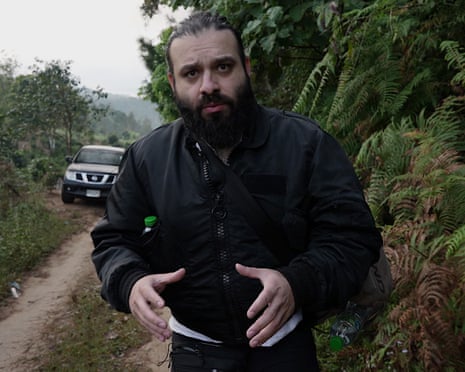
At the heart of the controversy is journalist Mahmood Fazal, a former outlaw motorcycle club member who transitioned into mainstream journalism. Fazal spearheaded the reporting for both segments. However, following the broadcasts, serious questions emerged within and outside the corporation regarding the authenticity of key anonymous sources utilized in the documentaries.
As public pressure mounted and internal whistleblowers raised red flags, the ABC took the extraordinary step of removing both episodes from its digital catch-up platforms, including ABC iview, due to mounting concerns over verification and factual integrity. Fazal’s employment with the national broadcaster was subsequently terminated in May, though he has consistently denied any wrongdoing or journalistic malpractice relating to the production of the programs.
Findings of the Ombudsman’s Report
Prompted by concerns elevated by ABC Chair Kim Williams, Ombudsman Fiona Cameron conducted a comprehensive review of the editorial procedures surrounding the creation of Cocaine Nation and Meth Highway. Cameron’s final report concluded that the national broadcaster had breached its own strict editorial policies across multiple domains, including accuracy, fair and honest dealing, and independence and integrity.
Most critically, the report found that the programs presented a materially misleading impression to the viewing public regarding the identity and background of key contributors. In both episodes, the audience was introduced to a masked figure who was purportedly presented as an active, high-level underworld dealer supplying cocaine directly to Sydney’s wealthy elite.
Subsequent reporting by media analysis program Media Watch revealed that the masked figure was not an active criminal kingpin, but rather Sydney-based rapper Charissa Habkouk, who had participated in the project as a personal favor to Fazal. The ombudsman confirmed that this casting decision and the failure to disclose the true nature of the contributor constituted a profound breach of audience trust, describing it as materially misleading.
Consequently, Cameron has recommended a full, root-and-branch investigation into how confidential and anonymous sources are sourced, verified, and signed off across all investigative output at the ABC.
Background Context: The Rise and Fall of High-Risk Journalism
The inclusion of non-traditional journalists, such as individuals with backgrounds in organized crime or fringe subcultures, has been part of a broader media industry trend aimed at gaining unprecedented access to hard-to-reach criminal milieus. For decades, traditional investigative journalism relied on deep-seated networks of informants, whistleblowers, and law enforcement contacts. In recent years, however, media outlets worldwide have increasingly turned to firsthand participants—such as former gang members, hackers, and street-level operators—to tell stories from an insider perspective.
While this approach can yield compelling, visceral storytelling that traditional journalists struggle to access, it inherently carries elevated risks. Critics argue that insider-journalists may lack formal training in standard verification protocols, legal risk assessment, and documentary ethics. Furthermore, the imperative to secure dramatic, exclusive footage can create internal pressures that bypass standard editorial checks and balances, cultivating what the ombudsman’s report identified as a dangerous "culture of secrecy."

For the ABC, a taxpayer-funded statutory corporation bound by a strict charter to maintain absolute editorial independence, accuracy, and impartiality, any compromise of these standards poses an existential threat to its institutional credibility.
Official Responses and Institutional Ramifications
The findings have sent shockwaves through the upper echelons of the Australian media landscape. ABC Chair Kim Williams, who has made institutional accountability and the restoration of rigorous editorial governance key pillars of his tenure, acted decisively by referring the matter directly to the independent ombudsman.
While the ABC has not yet released a detailed blueprint for how it intends to overhaul its investigative commissioning process, the board is widely expected to implement tighter gatekeeping mechanisms. These are projected to include mandatory dual-verification for all anonymous sources, increased legal and executive oversight during the editing process, and independent audits of high-risk investigative projects before they are greenlit for broadcast.
Media unions, industry watchdogs, and academic commentators have weighed in heavily on the affair. Many have noted that while investigative journalism is inherently fraught with danger and occasionally requires pushing boundaries, the erosion of basic factual integrity undermines the very purpose of public-interest reporting. Conversely, defenders of investigative reporting worry that an overcorrection in the wake of the scandal could make editorial boards overly risk-averse, stifling bold, necessary journalism that challenges powerful interests.
Fact-Based Analysis of Broader Implications
The fallout from the Four Corners inquiry carries several critical implications for the future of Australian journalism:
- Stricter Protocols for Anonymous Sources: Media organizations across Australia will likely re-examine their policies regarding anonymity. The threshold for granting anonymity to contributors—particularly those playing dramatic or central roles in narratives—will face much higher scrutiny, requiring robust corroboration from independent secondary sources.
- Cultural Shift Inside Public Broadcasting: The identification of a "culture of secrecy" suggests that internal reporting lines may have been compromised by departmental silos. Investigative units often operate with a high degree of autonomy to protect sensitive stories; however, this autonomy can sometimes manifest as a lack of accountability. Future governance models will likely force closer collaboration between investigative producers and senior editorial management.
- Restoring Public Trust: For the ABC, rebuilding audience confidence will require total transparency regarding the implementation of the ombudsman’s recommendations. In an era marked by rising skepticism toward mainstream media and the proliferation of misinformation, public broadcasters must demonstrate unyielding adherence to facts to justify their public funding and statutory independence.
As the dust settles on the ombudsman’s review, the Four Corners program—long regarded as the gold standard of Australian investigative reporting—faces the formidable task of repairing its reputation, ensuring that its commitment to truth and rigorous verification remains uncompromised as it navigates a changing media landscape.